REVIEW · NEW YORK CITY
Museum of the City of New York Entry Ticket
Book on GetYourGuide →Operated by Museum of the City of New York, 103 & 5th Avenue · Bookable on GetYourGuide
New York tells its story best indoors, with good shoes. This ticket takes you into the Museum of the City of New York, set in a neo-Georgian landmark on Fifth Avenue near Central Park, with exhibits that connect immigrants, politics, business, and everyday life. I like how the museum doesn’t treat NYC like a postcard. It treats it like a work in progress.
What I like most is the mix of big themes and small details, especially the Activist New York presentation and the way the museum shows how change happens through ordinary people. My one drawback: the visit depends on what is on view that day, and one cautionary note is to double-check hours and entry timing before you head over, since closures can happen.
In This Review
- Key highlights at a glance
- Museum Mile location: getting your bearings on 5th Avenue
- Entry ticket value: what $23 buys you (and what it doesn’t)
- New York at Its Core: the immigrant-to-inventor story
- Activist New York: how conflicts become change
- Rotating exhibits: music, dance, photography, and turning points
- Timescapes documentary: 30 minutes with Stanley Tucci
- Sizing up your visit time: how to make 1 day feel like 2
- Rules that affect your day: flash and tripods
- Nearby breaks: Chalsty’s Café and the Museum Shop
- Accessibility and reading support that actually helps
- Make it smarter with Bloomberg Connects
- Who this ticket is best for
- Should you book this Museum of the City of New York ticket?
Key highlights at a glance
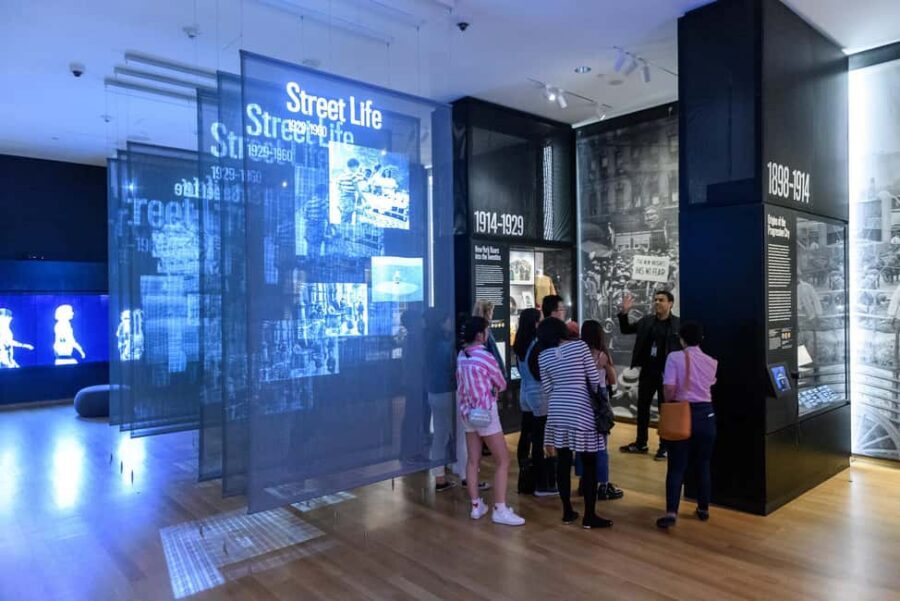
- Neo-Georgian museum on Museum Mile with easy Central Park access
- New York at Its Core: generational stories of innovation, energy, and struggle
- Activist New York: passions and conflicts that help explain national change
- Timescapes (30 minutes) narrated by Stanley Tucci
- All permanent and rotating exhibits included in your entry ticket
Museum Mile location: getting your bearings on 5th Avenue

This museum sits in a smart spot: 5th Avenue at 103rd Street, on what people often think of as the Museum Mile. You’re close to Central Park (directly across from the Conservatory Garden area), plus another culture stop, El Museo del Barrio. That means you can turn your day into a simple circuit without crisscrossing the city.
The building itself is part of the experience. It’s a neo-Georgian-style landmark, and that classic facade helps you shift into a museum mindset right away. If you like planning around walkable neighborhoods, this location makes it easy to do a museum morning and then a park stroll after.
Practical note: the wheelchair and stroller-accessible entrance is on the 104th Street side of the building. If you’re arriving on foot with any mobility needs, plan to approach from that side so you don’t waste time hunting for the right entrance.
You can also read our reviews of more tours and experiences in New York City



Entry ticket value: what $23 buys you (and what it doesn’t)

At $23 per person, this is priced like a solid museum afternoon, not a bargain, not a splurge. The value comes from what’s included: access to all temporary and permanent exhibitions, plus the 30-minute Timescapes documentary. So you’re not just paying for one exhibit; you’re paying for a full menu of NYC stories.
You can also stop into Chalsty’s Café and the Museum Shop. “Access” here means you can visit those places during your visit, not that everything inside is included for free. If you want snacks or souvenirs, build in a little extra budget like you would at any museum café or shop.
One more thing I appreciate: the museum is limited to small groups (up to 9 participants). Even though it’s an entry ticket rather than a long guided tour, that small-group setup usually makes the space feel less chaotic, especially in busy exhibit areas.
New York at Its Core: the immigrant-to-inventor story
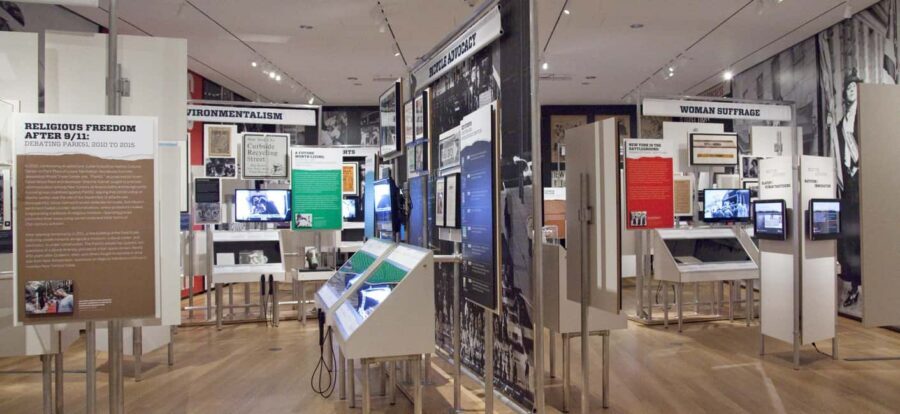
Your best starting point is the permanent exhibit New York at Its Core. It’s designed to show how the city grew through generations, not just through famous names. Expect stories that move between innovation and energy on one side, and struggle on the other.
What makes this exhibit work is the range of people it includes. The museum frames NYC through immigrants, politicians, tycoons, dreamers, master builders, and regular New Yorkers. That structure helps you connect the dots between “big events” and what those events meant for daily life.
Think about what you’re actually learning here. It’s not only about who built New York, but about how different groups pushed the city forward while dealing with obstacles. If you like history that feels human—people arguing, creating, adapting—this is the core of the visit.
Activist New York: how conflicts become change
If you only have time for one themed highlight, I’d steer you toward Activist New York. This exhibition focuses on the passions and conflicts that fueled NYC’s history of agitation—and how that energy set the stage for change beyond the city.
This is the kind of exhibit that’s useful even if you’re not a “political museum” person. It explains the emotional engine behind movements: people caring enough to fight for something better. You’ll likely find yourself reading more closely, because the theme is about choices and consequences, not just dates.
Look for the way the museum connects agitation to outcomes. When you can see that chain—from conflict to action to change—the whole city history starts making more sense. It also pairs well with Central Park afterward, because you’ll be noticing how public space and civic life connect.
Rotating exhibits: music, dance, photography, and turning points
Beyond the permanent core, the museum rotates exhibits frequently. That’s good news for repeat visits and also for first-timers who want variety. You might see show themes like music, dance, photography, and critical turning points that affected the nation.
This section is where you can tailor your visit to your tastes. If you love culture, spend time in the art-and-performance related areas. If you’re more into political history, look for rotating displays that deal with national shifts and the moments that changed what America became.
Because rotating exhibits change, you should treat this as your flexible time. If you’re the kind of visitor who likes to choose based on what looks most interesting at the moment, you’ll probably enjoy this part a lot. If you’re someone who likes a strict plan, you’ll still be fine, but you may want to skim and then commit to the exhibit that grabs you quickest.
You can also read our reviews of more city tours in New York City





Timescapes documentary: 30 minutes with Stanley Tucci
Don’t rush past the film. Timescapes is a 30-minute documentary that looks at how NYC grew from a small settlement into the metropolis you know today. It’s narrated by Stanley Tucci, which helps the pacing stay smooth and easy to follow.
What I like about including a short film in a museum visit is that it gives you a brain reset. After walking through exhibits and reading descriptions, the documentary can stitch things together into a clearer timeline. You’ll also catch connections you might miss when you’re only looking at still displays.
Plan for this as a scheduled moment in your visit. If you’re the type who gets tired from reading, the film becomes a welcome break without losing the educational value.
Sizing up your visit time: how to make 1 day feel like 2
The ticket is valid for 1 day, and you can check availability to see starting times. That matters because museums can feel different depending on when you arrive. If you can, aim for an earlier start so you’re not rushing through exhibits right before closing.
A good rhythm inside is:
- Start with New York at Its Core so you understand the big framework.
- Add Activist New York next, because it gives you a human explanation for how change happens.
- Use the rotating exhibits for your personal interests.
- Fit Timescapes in when your brain wants a break from reading.
If you do the film too early, you might feel like you already know what comes next. If you do it too late, you might miss the chance to make sense of what you just saw. Either way, 30 minutes is manageable, so it won’t hijack the day.
Rules that affect your day: flash and tripods
These are straightforward but worth knowing because they can slow you down if you’re caught unprepared. Flash photography is not allowed, and tripods are also not allowed.
If you use a camera often, keep your settings in mind. Plan on natural lighting where possible and focus on handheld photos. And if you’re bringing any gear that resembles a tripod setup, assume you’ll need to leave it put away.
This is one of those “small” rules that makes a difference in how smoothly you can move through exhibits. When everyone is filming similarly, you don’t end up stuck behind someone adjusting a rig.
Nearby breaks: Chalsty’s Café and the Museum Shop
Museums can be tiring, and that’s normal. I like that you have Chalsty’s Café on-site, because it means you’re not stuck hunting for food outside during your visit window. Even if you don’t eat a full meal, a snack break can keep you from feeling drained before you hit the last exhibits.
The Museum Shop is also included as a destination, so you can pick up something NYC-themed that matches what you actually saw. If you’re the type who likes a souvenir that isn’t generic, this is where you can do it without thinking too hard.
Accessibility and reading support that actually helps
The museum is wheelchair accessible, with a stroller-and-wheelchair entrance on the 104th Street side of the building. If you need a manual wheelchair, they’re available free of charge, subject to availability.
There’s also practical reading support. Large print and high-contrast transcripts of exhibition texts are available online. That’s especially useful if you’re traveling with a device that makes reading easier, or if you want to preview content before you get there.
For me, this matters because it’s not just “access exists.” It’s access with a plan that can reduce frustration inside exhibit rooms.
Make it smarter with Bloomberg Connects
If you like to navigate museums with your phone, you’ll appreciate the digital guide on Bloomberg Connects. It’s free, and it helps you explore more of New York City through arts and culture content.
Think of it as a “second brain.” Use your ticket day for the museum, and use the app to choose what’s worth your time next. This keeps you from wandering aimlessly and helps you stitch the day into a coherent story about the city.
Who this ticket is best for
I think this museum ticket is a great fit if you want NYC history that feels relatable, with themes that connect to current conversations. It’s also ideal if you like a museum that mixes big-picture context with people-level stories.
You’ll likely enjoy it if:
- You want an easy, full-day cultural stop without needing advanced planning
- You care about immigrants, civic change, and how cities evolve
- You like short documentary pacing instead of sitting through something long
You might not love it as much if you’re looking for a hands-on, kid-focused museum or something highly interactive. This is more about reading, viewing, and thinking.
Should you book this Museum of the City of New York ticket?
Book it if you want a focused day in one place that still covers NYC’s biggest ideas: where people came from, how conflict shaped change, and how the city became what it is. At $23, the mix of permanent exhibits, rotating shows, and the Timescapes film is solid value, especially because you’re not limited to one topic.
Before you go, do one simple check: confirm the museum’s opening status and your entry time for the day you plan to visit. That small step can protect you from the kind of frustrating outcome where you show up ready to go and find things have shifted.
If you like walking into a museum and leaving with a clearer sense of how New York works, this is a strong choice.