REVIEW · NEW YORK CITY
New York City: American Museum of Natural History Ticket
Book on GetYourGuide →Operated by American Museum of Natural History · Bookable on GetYourGuide
Big museum energy, zero boredom.
The American Museum of Natural History is one of those places where a single ticket can stretch into an all-day adventure, with 40+ permanent exhibition halls plus the Rose Center for Earth and Space and the brand-new Richard Gilder Center. I especially like the chance to hit the museum’s world-famous dinosaur fossil collection and then pivot into modern science displays that feel built for today’s kids.
One thing to plan around: ticketed exhibitions aren’t automatically included with general admission. If you want shows like Invisible Worlds, the new Space Show, or the butterfly vivarium, you’ll need to pick the option that includes timed entry for them.
In This Review
- Key things to know before you go
- American Museum of Natural History: what your all-day ticket really buys
- The best value is in the “permanent halls” time
- A realistic drawback: you can’t do it all
- Rose Center and the Richard Gilder Center: your science anchor
- Rose Center for Earth and Space
- Richard Gilder Center: planetarium, biodiversity, and ocean life
- Plan for a short pause here
- Dinosaurs, diamonds, and the iconic movie moments
- Why the dinosaur fossil collection hits so hard
- Don’t miss the culture exhibits and Easter Island details
- Tip: the museum’s dioramas are worth slowing down for
- Ticketed exhibitions with timed entry: pick what matches your day
- If you love dinosaur history: Impact: The End of the Age of Dinosaurs
- If you want science you can feel: Invisible Worlds
- If you want space storytelling: Encounters in the Milky Way
- If you like survival under pressure: Life at the Limits
- Giant-screen film in LeFrak Theater: a big screen, big sound
- Davis Family Butterfly Vivarium: up to 1,000 free-flying butterflies
- A practical one-day route: how I’d structure the hours
- Start higher, work your way down
- Morning: hit your must-sees first
- Midday: science galleries and culture stops
- Afternoon: add one or two ticketed experiences
- Late day: butterfly vivarium or giant-screen film
- Typical time expectation
- The Explorer app and Wi-Fi: navigation that saves your sanity
- What the Explorer app does
- Use the app when your map feels confusing
- Logistics that matter: luggage limits, lockers, and entry timing
- Luggage rules: keep it light
- Lockers cost extra, but they’re there
- Timed entry means you should be ready at the door
- Price and value check for families and adults
- When this ticket is a great deal
- When you’ll likely spend more
- Who this fits best
- Should you book the American Museum of Natural History ticket?
- FAQ
- What is included in the American Museum of Natural History ticket?
- Does general admission include the planetarium, butterfly vivarium, and other special shows?
- How do timed entries work for ticketed exhibitions?
- Is the ticket valid for more than one day?
- Is there Wi-Fi and an app to help with navigation?
- Can I bring luggage or a large bag?
- What is the cancellation policy?
Key things to know before you go
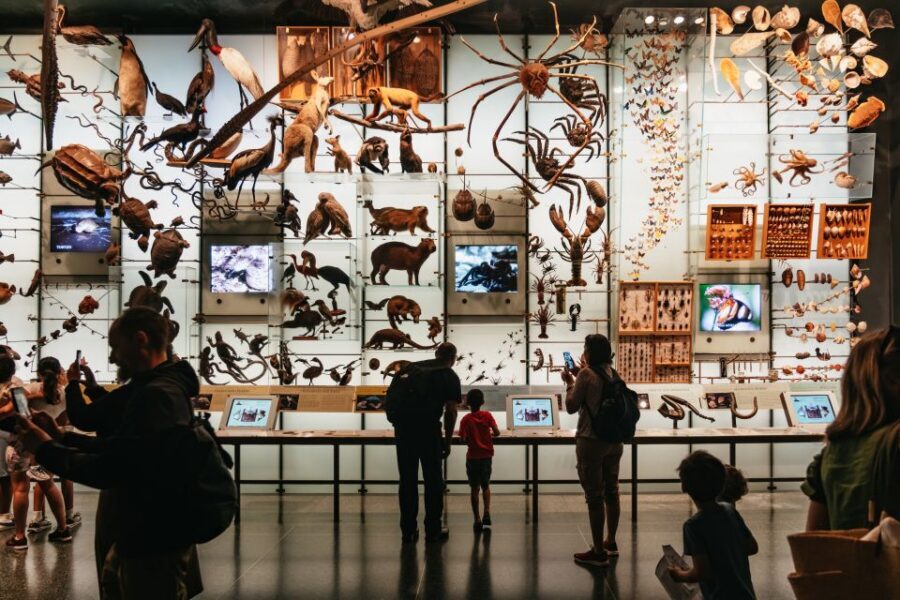
- 40+ permanent halls plus the Rose Center and Richard Gilder Center for true all-day value
- The Tyrannosaurus Rex fossil is a must-see anchor for the whole dinosaur collection
- New state-of-the-art stops in the Gilder Center, including planetarium and science galleries
- Famous movie set details: the museum has the look of Night at the Museum, including the iconic head and T. rex
- Optional add-ons via ticketed exhibitions with timed entry, including 360-degree theater experiences
American Museum of Natural History: what your all-day ticket really buys
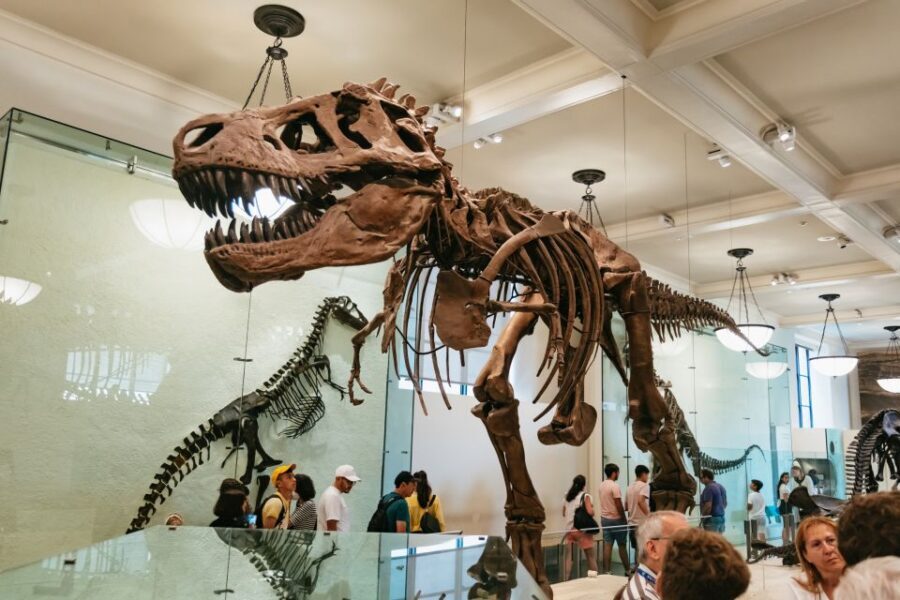
At the American Museum of Natural History, you’re not paying for one exhibit. You’re buying access to a massive museum that’s built for wandering, comparison, and surprise turns. Your ticket covers the museum’s permanent spaces, and it’s designed for an all-day pace, which matters in a place this big.
Practically, here’s the deal: you can plan a morning focused on the big headline items, then spend the rest of the day going broad—dinosaurs, ocean life, biodiversity, gems and minerals, and culture-focused exhibits from around the globe. The museum also has Wi-Fi on site, plus an Explorer app (more on that below) that helps you move faster through a lot of floors and galleries.
You can also read our reviews of more tours and experiences in New York City



The best value is in the “permanent halls” time
For the listed price of $37 per person, the smartest way to get your money’s worth is to treat this as a full museum day, not a quick hit. With entry to over 40 halls and major centers like the Rose Center and Richard Gilder Center, you can easily fill hours without paying for extra ticketed shows.
A realistic drawback: you can’t do it all
Even with all-day access, you’ll have to choose. The museum is huge, and timed exhibitions (when included in your ticket option) still take time. If you try to stack everything, you’ll end up sprinting between rooms—fun, but not the best way to enjoy the details.
Rose Center and the Richard Gilder Center: your science anchor
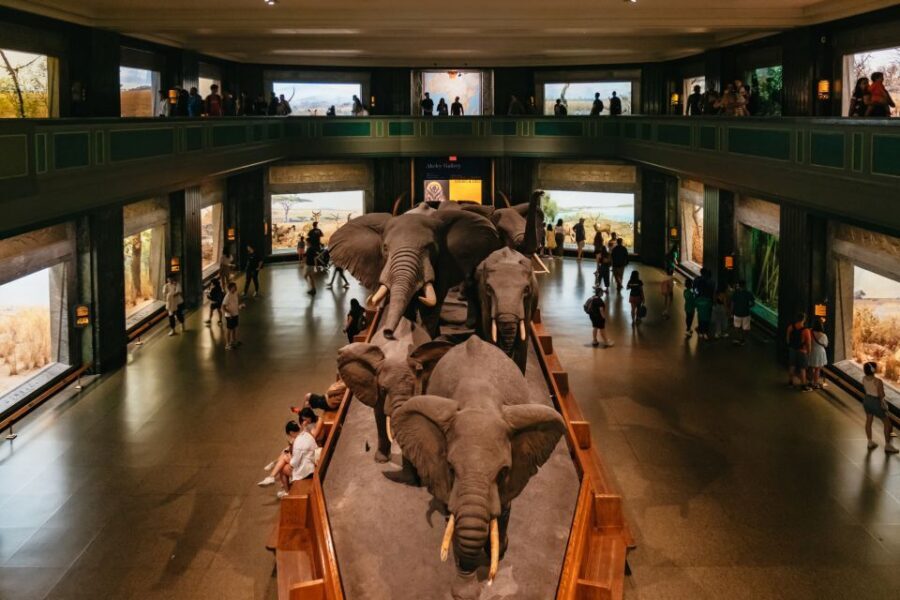
If you want a day that feels organized, start by treating the Rose Center and the Richard Gilder Center as your “science backbone.” These areas are newer, more modern in presentation, and they help break up the museum’s older classics so your brain doesn’t feel like it’s stuck in one theme.
Rose Center for Earth and Space
The Rose Center for Earth and Space is a key part of the included ticket. It’s the kind of space that works for both kids and adults: you’re looking at the universe and the planet in ways that are easier to understand when you can stand in front of real-scale displays and visuals.
You can also read our reviews of more city tours in New York City





Richard Gilder Center: planetarium, biodiversity, and ocean life
The Richard Gilder Center is described as state-of-the-art, and you feel that when you move through it. You can explore:
- A planetarium experience
- The Hall of Biodiversity, which helps you see life as a system, not just a collection of animals
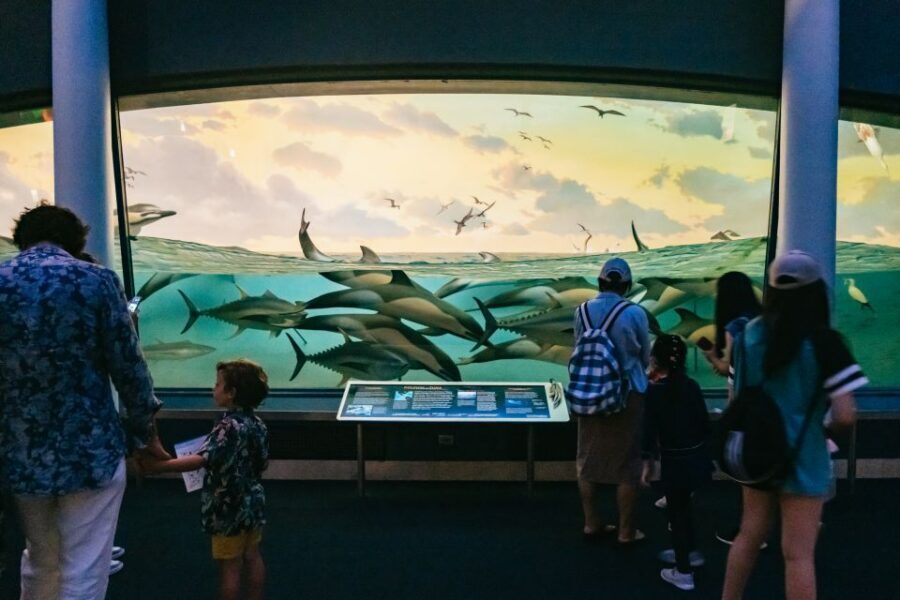
- Milstein Hall of Ocean Life, including some of the world’s largest and most incredible creatures
If you’re visiting with kids, this is also where the museum feels most “hands-on without being messy.” It’s built for attention spans that can change every 10 minutes.
Plan for a short pause here
Because this area includes major science galleries, I’d schedule it earlier rather than later. Early fatigue makes it harder to appreciate the bigger ideas, like how biodiversity fits together and how ocean life connects to the rest of the planet.
Dinosaurs, diamonds, and the iconic movie moments
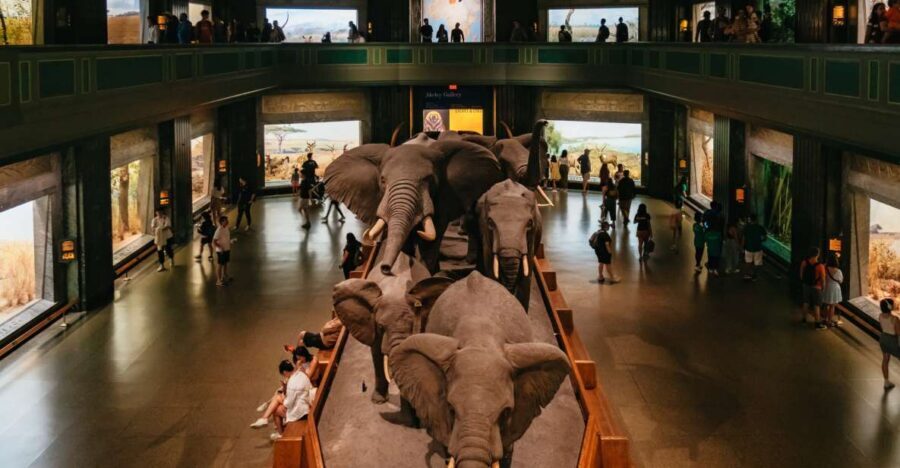
Now for the part that pulls most people in first: the dinosaur story. The American Museum of Natural History is famous for its dinosaur fossil collection, and that focus shows up in the way the museum routes you. Even if you start elsewhere, you’ll eventually want to come back to the dinosaur highlights.
Why the dinosaur fossil collection hits so hard
It’s not just that there are dinosaur skeletons. It’s how the museum frames the science around them—so the fossils feel like evidence, not just big bones on display. Look for the iconic Tyrannosaurus Rex skeleton, which is the visual centerpiece many visitors plan around.
Don’t miss the culture exhibits and Easter Island details
This museum isn’t only natural science. You can learn about cultures around the world through interactive exhibits. If you’re familiar with the movie Night at the Museum, you’ll also recognize a look from the films: the museum includes the Easter Island head that inspired characters, and the T. rex skeleton is part of that same pop-culture pull.
That mix is a big reason families keep coming back. You can switch gears from dinosaurs to human history without it feeling like you left the theme of the day.
Tip: the museum’s dioramas are worth slowing down for
One of the best ways to enjoy a huge museum is to pick one section where you’ll actually stop. The museum’s dioramas tend to be the kind of detail that rewards a slower pace, so build that kind of time into your route.
Ticketed exhibitions with timed entry: pick what matches your day
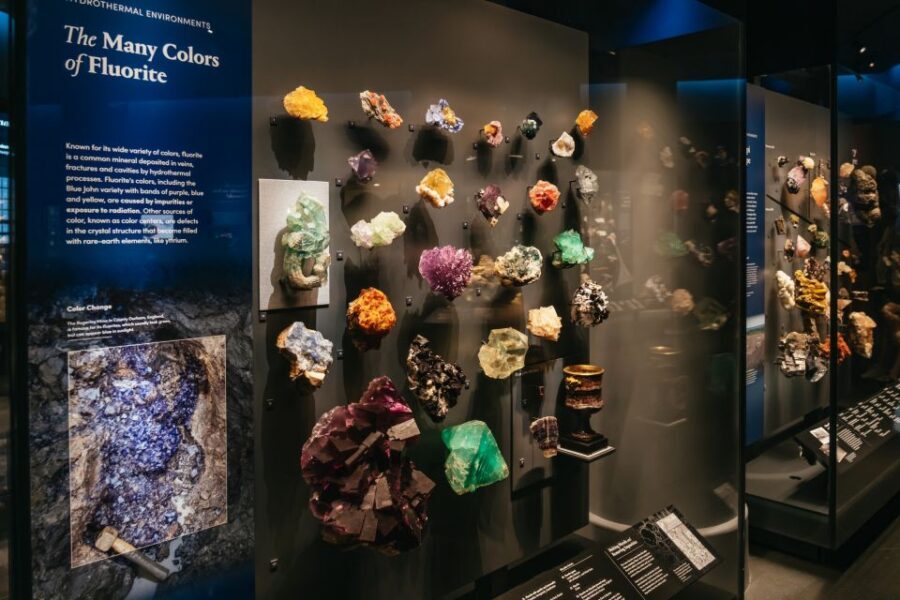
Your general admission gives you the permanent galleries. Ticketed exhibitions are the add-on zone. Depending on the option you select, you may get timed entry to one special exhibition or to all ticketed exhibitions.
That’s important: it affects both cost and how you structure your hours.
If you love dinosaur history: Impact: The End of the Age of Dinosaurs
This ticketed show is built around the story of what happened 66 million years ago, with a before-and-after look at the asteroid collision and the burst of life that followed.
This is a strong choice if you want a deeper narrative, not just skeletons and bones.
If you want science you can feel: Invisible Worlds
Invisible Worlds uses a unique, 360-degree theater format to take you into nature’s hidden realms—from ocean depths to DNA strands. If your group includes kids who get restless in long hallways, this kind of environment can reset attention fast.
If you want space storytelling: Encounters in the Milky Way
The Museum’s new Space Show, Encounters in the Milky Way, is narrated by Pedro Pascal. It’s described as a time-traveling journey about cosmic movements that shape our galactic neighborhood.
Pick this if your group is space-curious and you want a show that feels like a story, not a lecture.
If you like survival under pressure: Life at the Limits
Life at the Limits: Nature’s Superheroes focuses on how organisms survive in extreme conditions. It’s a good match for kids who like animals, but also for adults who want a clear idea of adaptation.
Giant-screen film in LeFrak Theater: a big screen, big sound
The LeFrak Theater has a 40-foot-high, 66-foot-wide screen and state-of-the-art digital sound. The theater runs nature-inspired films. It’s wheelchair accessible, and captioning plus audio description devices are available.
If you’re visiting on a cold day or your crew needs a rest, this is often the easiest add-on to schedule.
Davis Family Butterfly Vivarium: up to 1,000 free-flying butterflies
This is the year-round butterfly experience where you can see up to 1,000 free-flying butterflies. The idea is simple: it’s a living, moving exhibit, so it tends to feel different each time you visit.
One practical caution: if you have anyone who hates unpredictable motion or strong smells, you might want to treat this as optional.
A practical one-day route: how I’d structure the hours
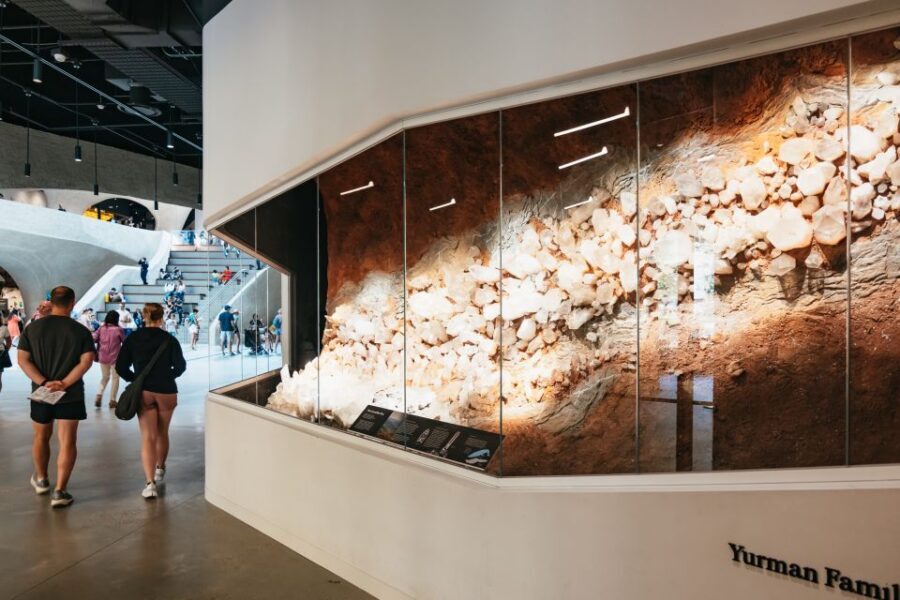
You have all-day access, so the winning strategy is to build a route that avoids backtracking. The museum is multi-floor, and it’s easy to get turned around if you’re bouncing between favorites.
Start higher, work your way down
A smart pacing trick is to start around the 4th floor and then work your way down. This helps you flow through the museum more naturally instead of zigzagging across levels. I also like this approach because you’re likely to hit the most famous headline stops early, when your energy is highest.
Morning: hit your must-sees first
Start with the dinosaur focus area and the big photo-op moments like the T. rex. Then plan your next stop near the Rose Center and the Gilder Center spaces. If your group includes kids, morning energy is the time to do the headline exhibits and the biggest rooms.
Midday: science galleries and culture stops
After the dinosaur moment, I’d spread out into the science galleries and then pause for culture exhibits. It keeps the day from becoming one long “same theme” block, and it also gives you a chance to compare the museum’s different ways of explaining nature and humanity.
If you need a break, the museum has cafeterias on site. Use that time to regroup, refill water, and decide which ticketed show (if any) you’ll prioritize next.
Afternoon: add one or two ticketed experiences
Choose one main ticketed exhibition plus a second shorter option only if your group still has gas in the tank. For example, if you pick a theater show like Invisible Worlds or Encounters in the Milky Way, you might skip the longer giant-screen film—or treat the film as your “cool-down.”
Late day: butterfly vivarium or giant-screen film
If your group likes animals, save the butterfly vivarium for the later part of the day. If you’re tired or it’s especially cold out, the giant-screen film is a nice way to land the plane without rushing through more galleries.
Typical time expectation
Give yourself at least 4 to 5 hours if you want a meaningful visit, and longer if you’re trying to see a lot of permanent halls plus a ticketed exhibition. The museum is big enough that a couple of missed sections can feel like a lot.
The Explorer app and Wi-Fi: navigation that saves your sanity
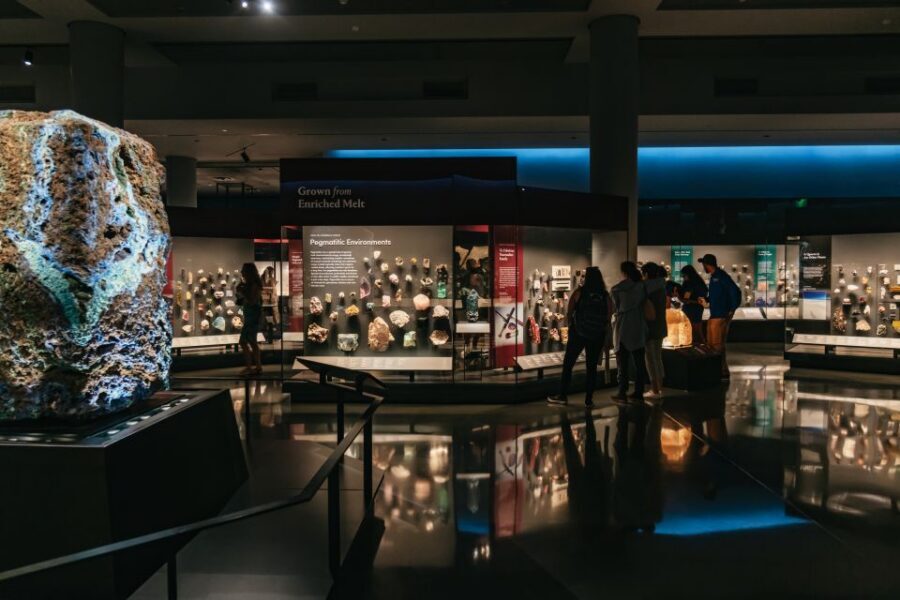
When a museum has so many halls, getting lost isn’t just annoying—it costs time. I like that this museum gives you tools to reduce wandering.
What the Explorer app does
The museum offers Wi-Fi onsite and a free Explorer App that includes:
- Turn-by-turn navigation
- Behind-the-scenes stories about exhibits
- Quizzes
- Self-guided experiences that highlight popular collections
The app is available in English, Spanish, French, and Portuguese, which is handy if you’re traveling as a mixed-language group.
Use the app when your map feels confusing
Even with a paper map, big museums can feel confusing. I’d treat the Explorer app as your “second brain.” If you walk into a hall and realize you’re off-track, adjust quickly rather than trying to muscle through.
Logistics that matter: luggage limits, lockers, and entry timing
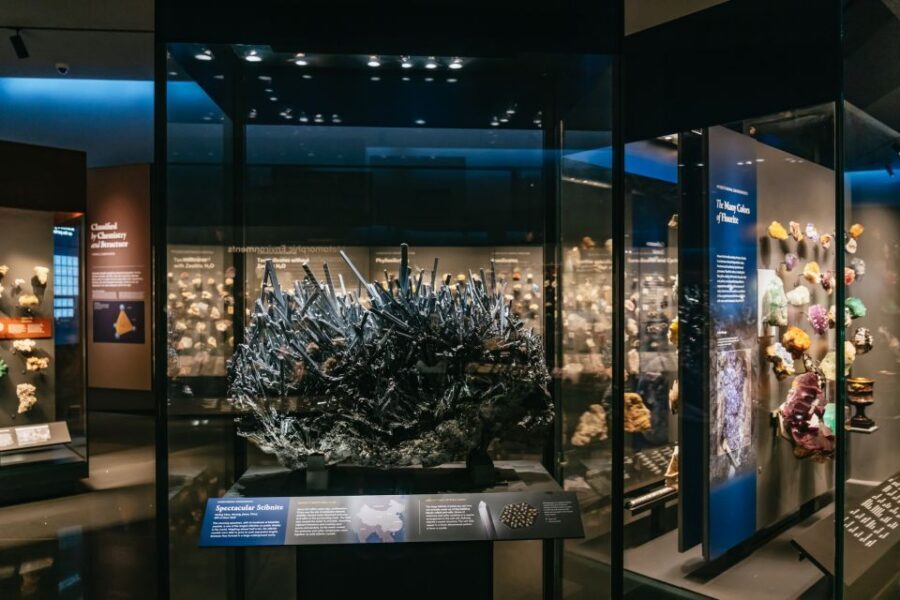
This museum day stays pleasant if you plan for the small friction points.
Luggage rules: keep it light
Oversize luggage isn’t allowed, and luggage or large bags aren’t allowed. If you’re coming with a lot of gear—shopping bags, oversized backpacks, or lots of heavy items—think ahead.
Lockers cost extra, but they’re there
Lockers are available on site for an additional charge. If you’re bringing a bag, I’d plan to use a locker early so you’re not dragging it through crowded halls.
Timed entry means you should be ready at the door
If your ticket includes timed entry for ticketed exhibitions, build a little buffer into your schedule. When the clock is part of your day, you’ll want to be standing where you need to stand—then go straight into the experience instead of searching for the right entrance.
Price and value check for families and adults
$37 per person is a strong price point for what’s included, but the value depends on what you want to do.
When this ticket is a great deal
This is a great deal if you’ll spend the day in:
- Permanent exhibition halls (over 40)
- The Rose Center
- The Richard Gilder Center
- Major highlights like the dinosaur and ocean-life areas
In other words, you’re paying to access the museum’s backbone.
When you’ll likely spend more
If you want ticketed exhibitions like Invisible Worlds, the Space Show, Life at the Limits, the giant-screen film, or the butterfly vivarium, you’ll want to select the option that includes those shows. General entry alone doesn’t include them.
So your real “cost” is the ticket plus the add-ons you choose.
Who this fits best
- Families: The blend of dinosaurs, ocean life, planetarium-style science, and hands-on feeling exhibits works well for kids.
- Adult science fans: You get serious material across multiple fields in a setting that doesn’t feel stiff.
- Movie fans: The Night at the Museum connections make it fun to spot landmarks while still learning something real.
Should you book the American Museum of Natural History ticket?

Yes, if you want a full day in a top-tier NYC museum without building a complicated schedule from scratch. The included access to 40+ permanent halls, plus the Rose Center and the Richard Gilder Center, gives you enough flexibility to handle different ages and moods in one trip.
I’d especially book if your group includes kids who like dinosaurs and big visual moments, but also if you want at least one modern science stop in the Gilder Center area.
If you know you only want one quick exhibit and you don’t care about the permanent collections, it may feel like more museum than you need. In that case, choose ticketed shows strategically and don’t plan to see everything.
FAQ
What is included in the American Museum of Natural History ticket?
Your ticket includes access to permanent exhibits, over 40 museum halls, the Rose Center for Earth and Space, and the new Richard Gilder Center. Wi-Fi onsite is also included.
Does general admission include the planetarium, butterfly vivarium, and other special shows?
General entry only does not include special exhibitions. Ticketed exhibitions such as Invisible Worlds, Encounters in the Milky Way, Life at the Limits, the Giant-Screen Film, the Davis Family Butterfly Vivarium, and the Hayden Planetarium Space Show need the right option to be included.
How do timed entries work for ticketed exhibitions?
Depending on the option you select, you can get timed entry to one ticketed exhibition or to all ticketed exhibitions.
Is the ticket valid for more than one day?
No. It’s valid for 1 day, and you check availability to see starting times.
Is there Wi-Fi and an app to help with navigation?
Yes. The museum offers Wi-Fi onsite and a free Explorer App with turn-by-turn navigation, behind-the-scenes stories, quizzes, and more. The app is available in English, Spanish, French, and Portuguese.
Can I bring luggage or a large bag?
No. Oversize luggage is not allowed, and luggage or large bags are not allowed. Lockers are available on site for an additional charge.
What is the cancellation policy?
You can cancel up to 24 hours in advance for a full refund.