REVIEW · BOSTON
Boston: Freedom Trail History Small Group Walking Tour
Book on GetYourGuide →Operated by Hub Town Tours · Bookable on GetYourGuide
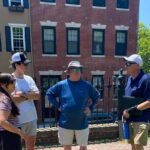
The Revolution starts on a simple stroll. This small-group Freedom Trail tour turns a famous walking route into a clear story about the 15-year lead-up to the American Revolution, with stops tied to decisions about loyalty or rebellion. I love the tight group size (15 max), so questions don’t get lost. I also love the way the guide connects each landmark to what was at stake for real people in Revolutionary Boston. One drawback to plan for: it’s a steady 2-mile walk through downtown streets, so you’ll want solid shoes and decent stamina.
You start on Boston Common near the Boston Foundation Monument and finish in the North End at Copps Hill Terrace, steps from Old North Church and surrounded by dinner options. Along the way, you’ll hit the major markers, including cemeteries where the tour highlights the final resting places of Paul Revere, Samuel Adams, and others.
This is built for adults and older kids who want context, not just dates. The tour runs about 150 minutes and includes an outdoor walking route (about 2.0 miles), so dress for the weather and expect to spend most of your time on your feet.
In This Review
- Quick hits before you walk
- Starting on Boston Common: finding the Boston Foundation Monument
- Boston Common to Granary Burying Ground: the colonial city’s power grid
- Old South to the Old State House: protest turns into a turning point
- Quincy Market break: a short pause in the middle of the story
- Paul Revere House to Old North Church: the night ride story in real space
- Copp’s Hill and the views: where you can see Bunker Hill and USS Constitution
- Pace, group size, and what to wear for 2.0 miles
- Price and value: is $35 fair for 16 landmarks?
- Who should book this Freedom Trail walk
- Should you book this Boston Freedom Trail history tour?
- FAQ
- How long is the Boston Freedom Trail History Small Group Walking Tour?
- Where do I meet the guide?
- How many Freedom Trail landmarks will I see?
- Is the tour wheelchair accessible?
- What should I bring?
- Are museum admissions included?
- Is Charlestown included?
- Is there a break during the tour?
Quick hits before you walk
- 15-guests-max group size means the pace feels human and answers stay focused
- 16 official Freedom Trail landmarks from Boston Common to Bunker Hill-area views
- Rebellion vs. loyalty theme gives the story a spine, not a list of stops
- Real breaks built in, including a stop at Quincy Market for a bathroom/drink reset
- North End finish at Copps Hill Terrace with views toward Charlestown and great post-tour dinner nearby
Starting on Boston Common: finding the Boston Foundation Monument
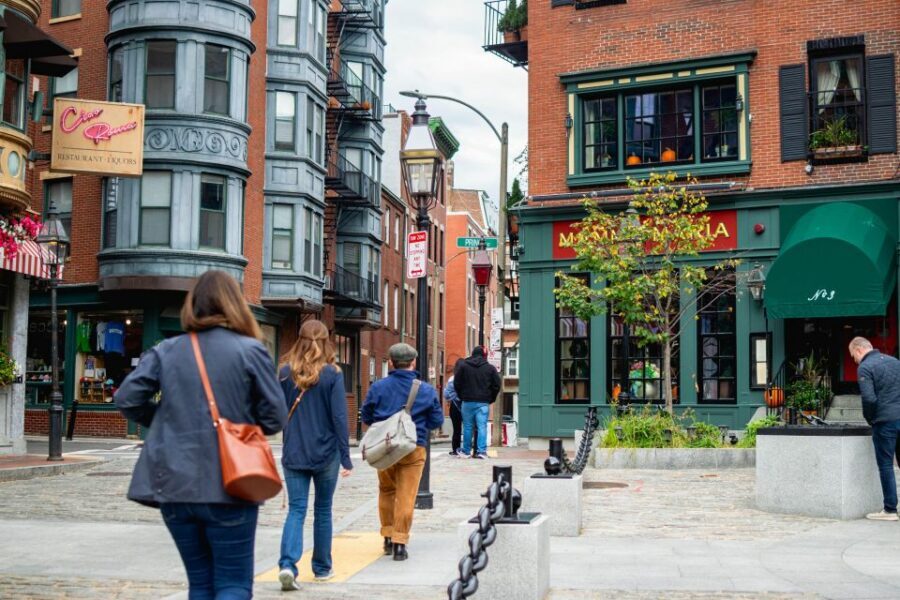
Your tour meeting point is inside Boston Common, at the Boston Foundation Monument on the northern edge of the park, opposite 50 Beacon Street (02108). If you’re standing at the monument, look for the granite memorial with a bronze relief showing two men shaking hands, tied to the moment Puritans arrived in 1630.
I like this start because Boston Common is where “city center” actually means “story center.” From here, the Freedom Trail isn’t just a path; it’s the route colonists would recognize as the heart of civic life. Getting oriented at the beginning matters, especially if you’re trying to understand how protest, politics, and everyday choices all fed into the Revolution.
Boston Common itself is the first guided stop (about 15 minutes), so you don’t have to guess what to look for. You’ll get a setup for the 15-year arc that culminates in the Revolution, and it frames everything you’ll see after.
You can also read our reviews of more walking tours in Boston



Boston Common to Granary Burying Ground: the colonial city’s power grid
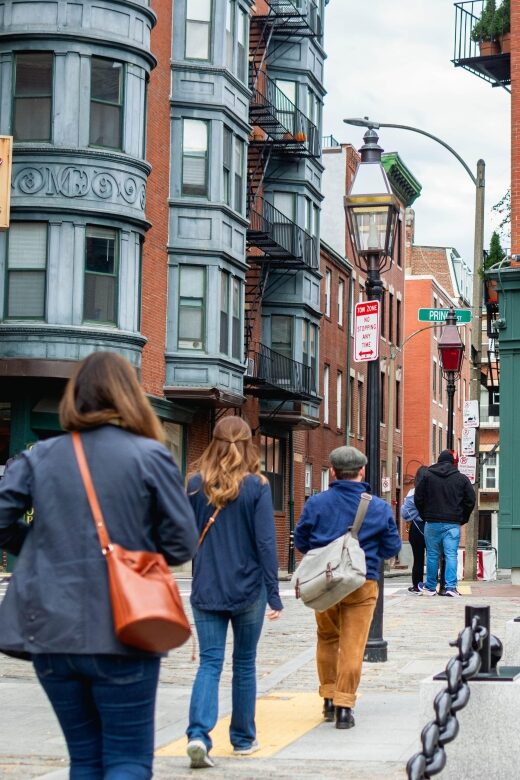
From Boston Common, the tour moves through the early institutions and meeting points that shaped daily decisions in the colonies.
You’ll pass through stops including:
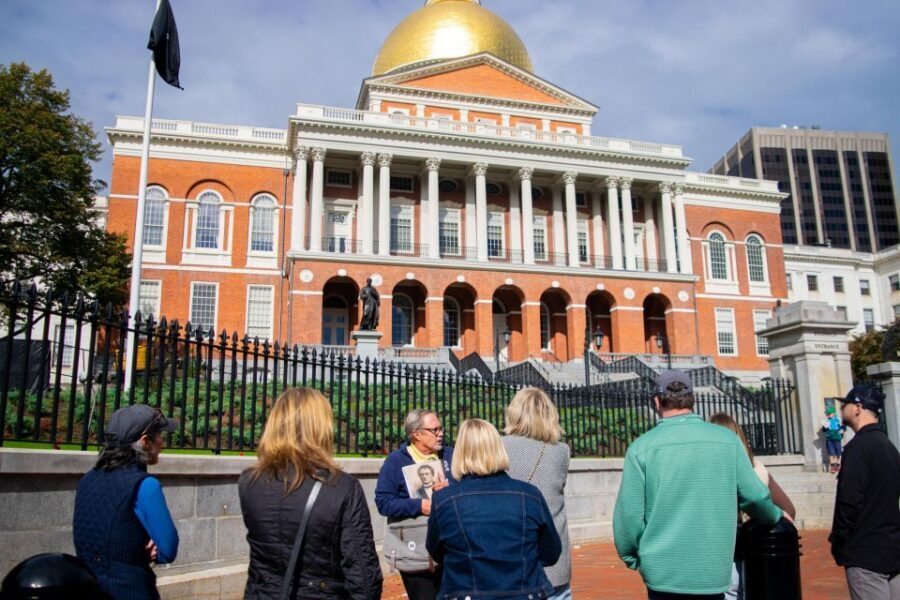
- the Massachusetts State House (guided),
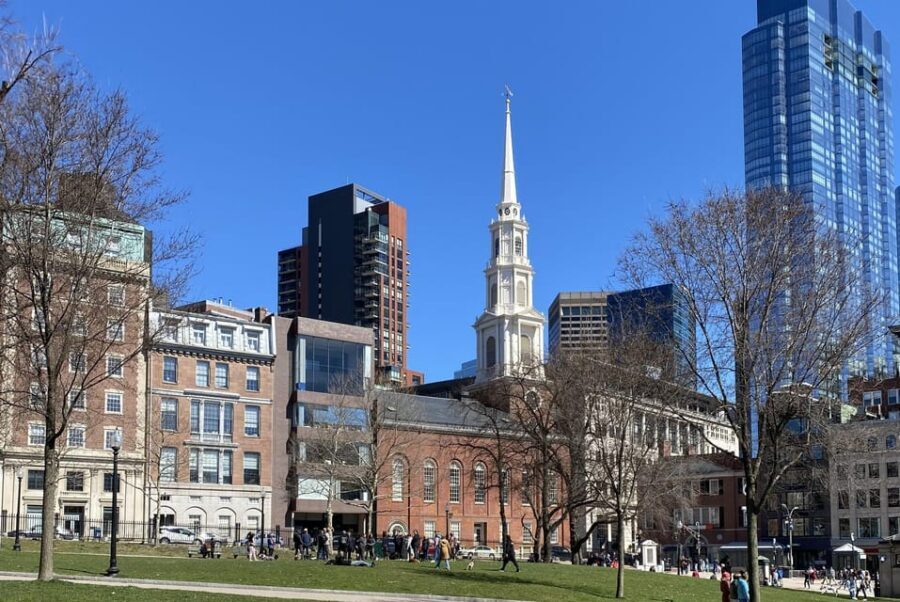
- Park Street Church (guided),
- Granary Burying Ground (a longer guided segment, about 25 minutes),
- King’s Chapel (guided),
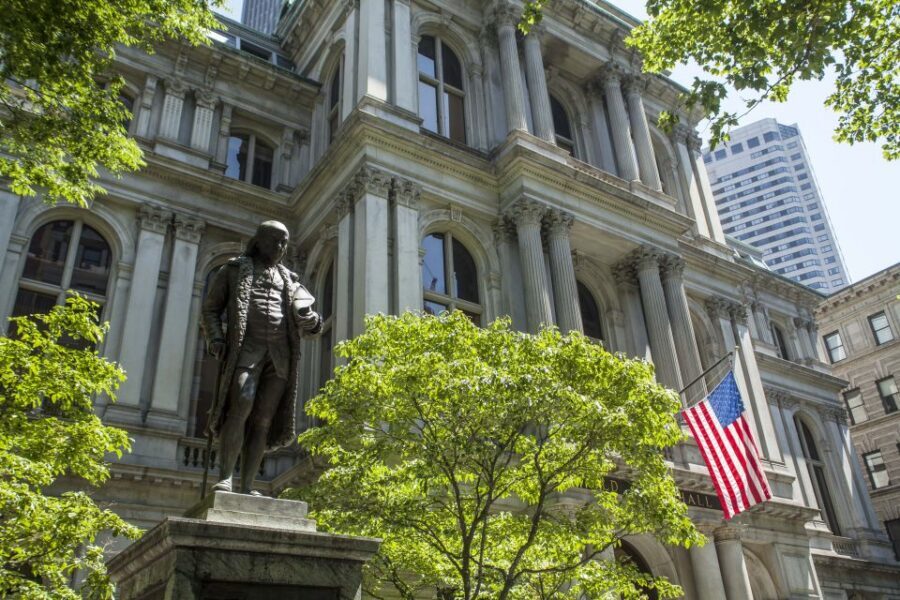
- Boston Latin School and Benjamin Franklin’s statue (guided),
- Old City Hall Boston (guided),
- Old Corner Book Store (guided).
Here’s what this section does well for your brain: it shows you that the Revolution wasn’t only about dramatic events. It was also about systems—government authority, places where people gathered, the spread of ideas, and how communities organized.
Granary Burying Ground is a key moment because the tour highlights final resting places connected to major Revolution-era figures, including Paul Revere and Samuel Adams. Standing near those stories helps the past feel less like a textbook and more like a chain of real lives. The longer time at this cemetery also helps because you’re not rushing through names—you’re letting the guide connect people to the turning points.
One practical note: this part of the walk involves multiple short guided stops with quick transitions. If you like to fully process each site, keep your pace steady and plan to take notes in your phone only between stops since video recording isn’t allowed.
Old South to the Old State House: protest turns into a turning point
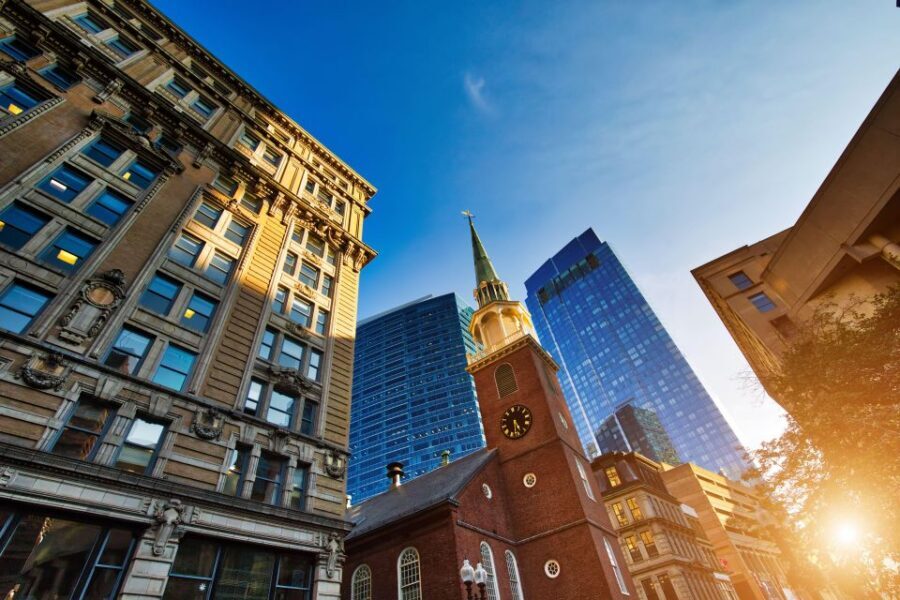
Next comes the “events zone,” where the tour focuses on how tensions boiled over. You’ll visit:
- Old South Meeting House (guided),
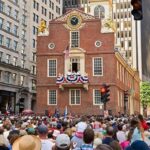
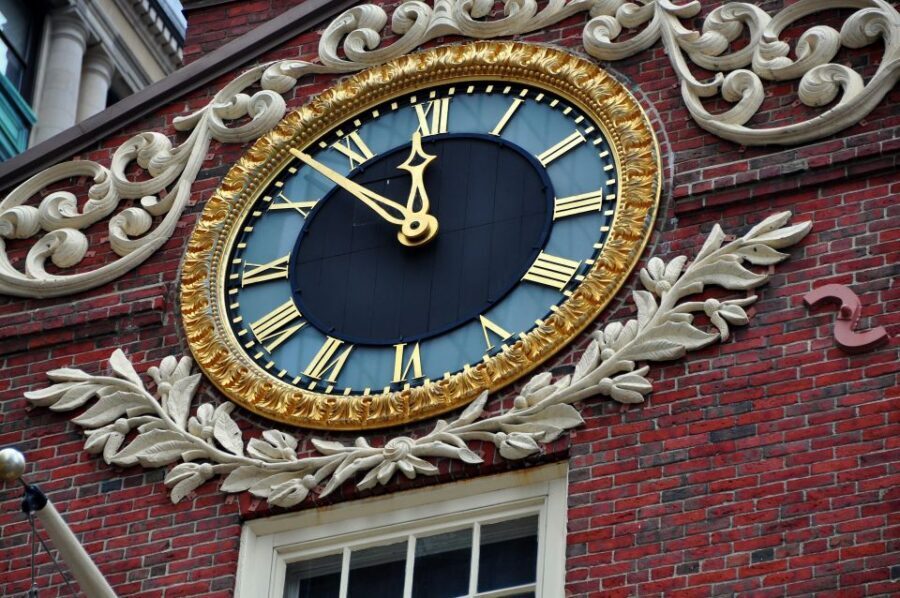
- Old State House (guided),
- the Boston Massacre Site (guided, about 15 minutes),
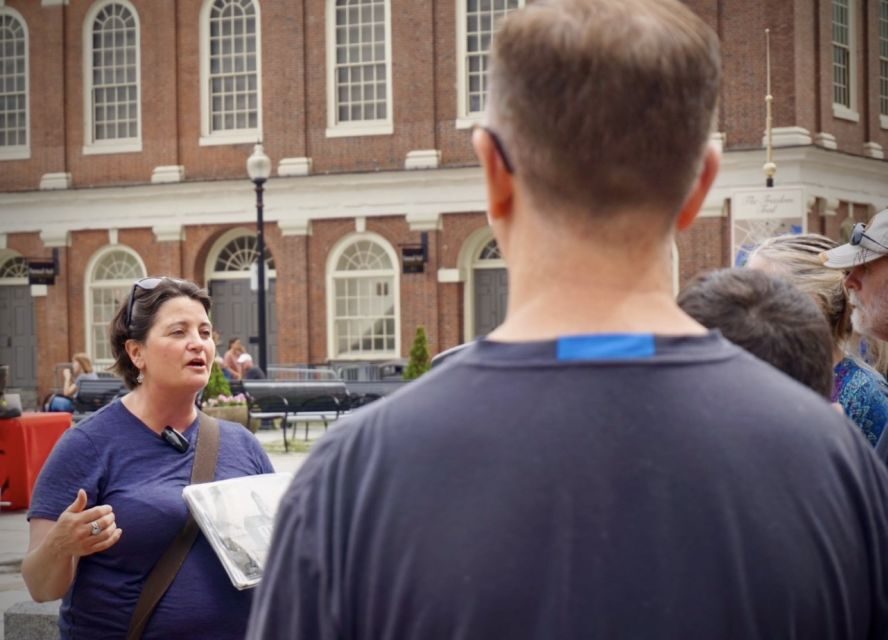
- Faneuil Hall (guided, short stop around 5 minutes).
Old South Meeting House and Faneuil Hall are both about public voice. They weren’t just buildings; they were stages where ordinary colonists could push back. The Old State House and the Boston Massacre Site bring the story into sharper conflict, where the question of loyalty versus rebellion stops being abstract and starts feeling immediate.
I especially like the way the tour uses these landmarks to explain what was at stake. You’re not only getting what happened—you’re getting why people felt cornered, why rumor mattered, and how quickly events could move from argument to fallout.
Also, this section can be emotionally heavy depending on your interests, so it helps that the guide keeps the story structured. If you’re the type who worries you’ll get overwhelmed by Revolutionary-era names and dates, this is the segment where a good guide’s pacing can save you. Several named guides from recent groups have been praised for keeping the facts clear and adding context so you can form your own take.
Quincy Market break: a short pause in the middle of the story
Right after Faneuil Hall, you get a break at Quincy Market (about 10 minutes). This matters more than it sounds. With a 150-minute walking tour, a mid-walk reset helps you keep listening without getting irritable from cold feet, dry air, or hunger.
It’s also a practical moment to grab a drink or use the bathroom, so you’re not trying to time rest stops during the later North End stretch.
If you tend to run cold, this is a smart time to slow down a bit, drink something warm if possible, and let your energy level catch up before the last push.
Paul Revere House to Old North Church: the night ride story in real space
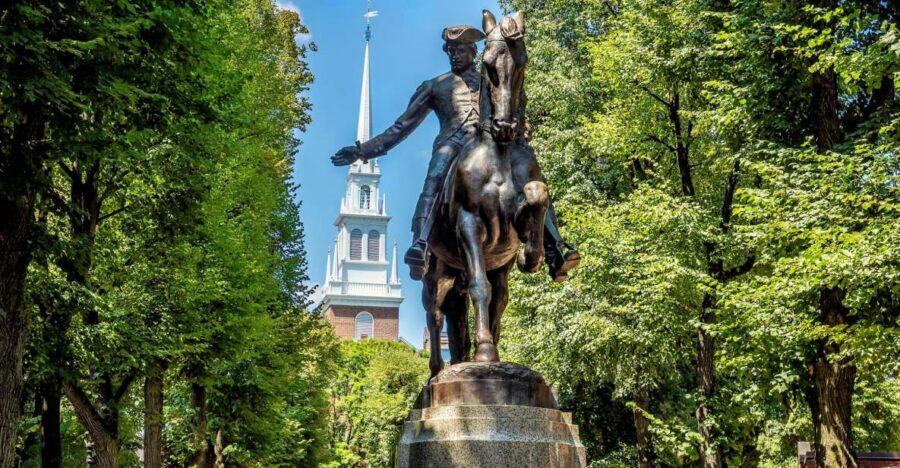
The tour then heads toward the North End, where Revolutionary drama becomes personal.
Stops here include:
- Paul Revere House (guided, about 15 minutes),
- Hanover Street (guided),
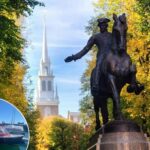
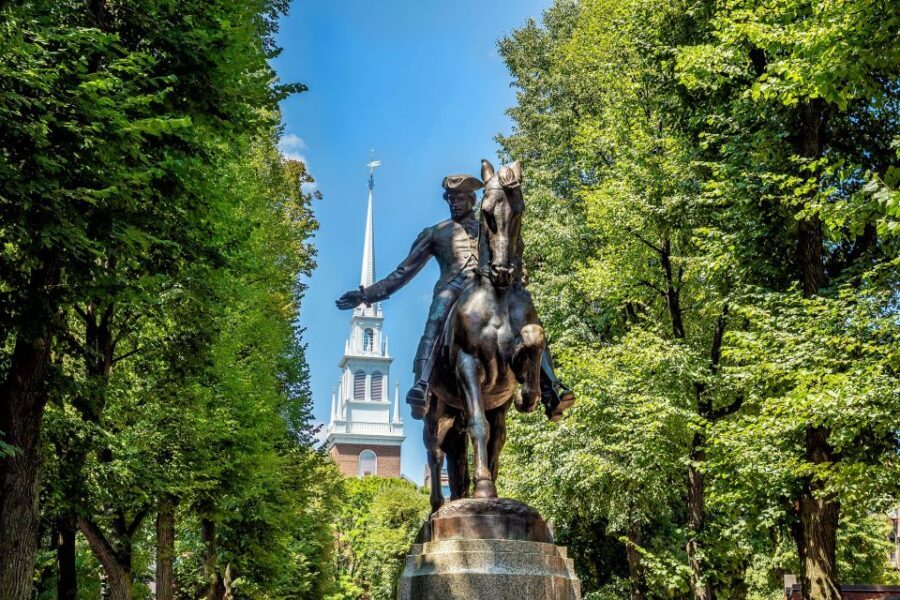
- the Paul Revere Statue (guided),
- Old North Church (guided, about 10 minutes).
Even if you already know the basics of Paul Revere’s midnight ride, seeing these locations on foot helps the story feel physical. The guide’s job is to connect the legend back to the real context of the time—why messages mattered, how communities organized, and how people acted under pressure.
Old North Church is a key moment for that because it’s one of those sites where the atmosphere does some of the work for you. You’re walking in the same part of the city where stories about communication and warning would have felt close to daily life, not like something sealed in the past.
As you go, keep your expectations realistic: you won’t have time for deep museum-style wandering inside places. This tour is about walking, hearing, and seeing the official trail sites with guidance.
You can also read our reviews of more historical tours in Boston




Copp’s Hill and the views: where you can see Bunker Hill and USS Constitution
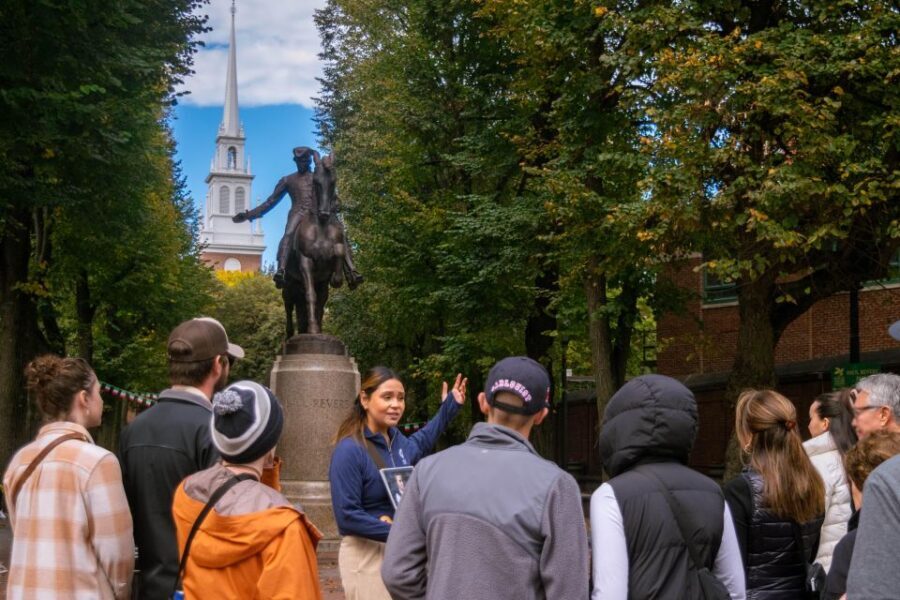
After Old North Church, you’ll visit:
- Copps Hill Burying Ground (guided),
- USS Constitution scenic views on the way,
- Bunker Hill Monument scenic views on the way,
- and then finish at Copps Hill Terrace (guided, about 10 minutes).
This is a great ending strategy. The tour doesn’t stop the story at the last church sign. Instead, it gives you big-picture views of Charlestown and landmarks tied to the Revolution’s final phases. The final viewpoint at Copps Hill Terrace is right there with the sights over in Charlestown, including USS Constitution and the Bunker Hill Monument.
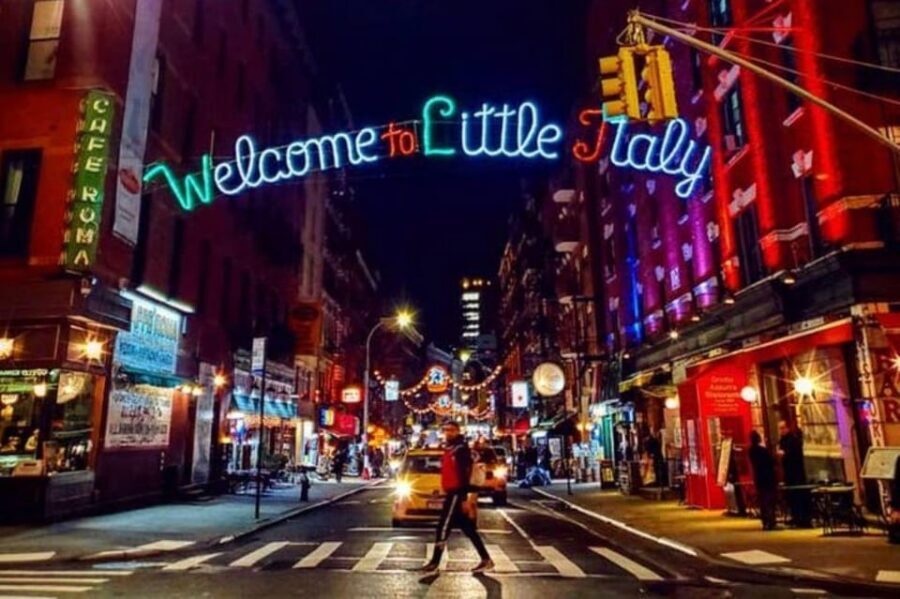
Copps Hill Terrace also has a practical upside: you’re in the North End, with plenty of Italian restaurants nearby. If you want to turn history into dinner plans, this is a good moment to do it. In recent guide experiences, food recommendations have come up, including mentions of places like Limoncello in the North End, so it’s worth asking your guide what they’d suggest once the tour ends.
Pace, group size, and what to wear for 2.0 miles
This tour is listed at 150 minutes and covers an accessible route of about 2.0 miles (3.2 km). The group is small, with a maximum of 15 guests, which is a big deal on a downtown walking route full of crosswalks and busy sidewalks.
Wheelchair accessibility is listed, but the tour is also noted as not suitable for people with mobility impairments and people with low fitness. That doesn’t mean you shouldn’t consider it; it means you should judge your ability to handle uneven sidewalks and sustained walking. The smart move is to be honest about your limits before booking.
What you should bring is straightforward:
- comfortable shoes
- weather-appropriate clothing
Not allowed items include luggage or large bags, and video recording isn’t permitted. So travel light. If you’re the type who likes to take lots of photos, plan to rely on still photos only and save your hands for listening while you walk.
Price and value: is $35 fair for 16 landmarks?
At $35 per person, this tour can feel like a bargain if you’re trying to get the most meaning out of your time in Boston.
Here’s the value equation I see:
- You’re not paying for a random stroll. You get a live guide and guided time at major official trail sites.
- The tour includes all 16 official Freedom Trail landmarks, which you could try to self-guide, but you’d likely miss the “why it mattered” connections.
- The small-group setup helps you actually hear and ask questions, instead of being trapped behind a larger crowd.
What’s not included is also clear: museum admissions. That’s normal for a walking tour, but it means you should expect to look and learn from the sites you can reach on foot. If you want to go inside museums, treat this as your guided orientation and story framework, then add museum time separately if you want it.
Who benefits most from this price:
- first-timers who want the Freedom Trail storyline in a single afternoon
- people who want to understand the Revolution beyond a few famous moments
- visitors who prefer a calm group size over a packed route
Who should book this Freedom Trail walk
Book it if you:
- want a guided walk through the Freedom Trail’s 16 landmarks
- prefer a smaller group with a real guide telling the story
- are comfortable walking about 2 miles and spending around 2.5 hours outdoors
Skip it if:
- you’re traveling with a child under 6
- you have mobility or stamina limits that make a 2.0-mile walk hard
- you’re planning to bring luggage or large bags
- you’re hoping for museum entry as part of the price
Should you book this Boston Freedom Trail history tour?
I think it’s a strong choice for most first-time Boston visitors who care about understanding what they’re seeing. The combination of a 15-guest max group, a live guide, and the way the tour ties landmarks into the loyalty-versus-rebellion story makes it more than a sightseeing checklist.
If you want a Freedom Trail experience where the landmarks feel connected—and you like finishing near the North End for an easy meal—this tour fits well. Just be sure you can handle walking, and dress for weather, because the past you’re learning about is out in the open.
FAQ
How long is the Boston Freedom Trail History Small Group Walking Tour?
The tour lasts about 150 minutes, and it is not expected to run more than 3 hours.
Where do I meet the guide?
Meet inside Boston Common at the Boston Foundation Monument on the northern boundary of the park, opposite 50 Beacon Street (02108).
How many Freedom Trail landmarks will I see?
The tour covers all 16 official landmarks that make up the Freedom Trail.
Is the tour wheelchair accessible?
The activity lists a wheelchair accessible route, but it also notes it is not suitable for people with mobility impairments. The walk is about 2.0 miles, so consider your comfort with outdoor walking.
What should I bring?
Bring comfortable shoes and weather-appropriate clothing.
Are museum admissions included?
No. Admission inside museums is not included.
Is Charlestown included?
No. Charlestown neighborhood is listed as not included, though the tour includes scenic views over in Charlestown.
Is there a break during the tour?
Yes. There is a break at Quincy Market (about 10 minutes), which is a good time to use the bathroom or grab a drink.