REVIEW · BOSTON
Boston: Guided Seafood Tasting and History Tour
Book on GetYourGuide →Operated by Intrepid Urban Adventures · Bookable on GetYourGuide
Some tours just feed you. This one also explains the why.
In about 150 minutes, you’ll walk Boston Harbor with an expert local guide, taste seafood that equals a full meal, and get behind the scenes at a working lobster facility and the oldest continuously operating fish pier in the U.S. Two things I really like: the mix of hands-on industry access plus real food stops (not just a quick bite), and the way the guide connects what you’re eating to Boston Harbor’s conservation and sustainability work. One thing to consider: this tour is shellfish-heavy, and there’s no substitution if you have a shellfish allergy.
I’ve seen how much the guide matters from recent experiences. Names like Nabil, Olivia, Allison, and Lexie come up again and again, usually for one reason: they bring both humor and specifics—where the food comes from, how the waterfront works, and what sustainability changes on the ground. If you want purely academic history, keep your expectations balanced: the “history” here is tied to working waterfront life, plus the seafood you’re tasting.
In This Review
- Key points I’d circle before you book
- A Small-Group Seafood Walk That Explains Boston Harbor
- Starting at South Boston Maritime Park: Where You Get Your Bearings
- Following the Harborwalk: Views + Context Along Boston’s Edge
- Behind the Scenes at a Working Lobster Facility
- Boston Fish Pier: The Oldest Continuously Operating Pier in the U.S.
- South Boston Waterfront to Fort Point Channel: Seafood Stories With a Future
- The Food Stops: Why the Tasting Feels Like a Full Meal
- What makes this tasting setup work
- Rose Kennedy Greenway Finish: Easy Wrap-Up After You Eat
- Price and Value: Why $79 Can Make Sense Here
- Responsible Travel Touches and Who This Tour Fits
- Best for
- Not ideal if
- What the Best Guides Seem to Do (Based on Recent Names)
- Should You Book This Boston Seafood Tasting and History Tour?
- FAQ
- How long is the Boston guided seafood tasting and history tour?
- Where do I meet the guide?
- What food is included?
- Is the tour suitable for kids?
- Can I join if I have food allergies?
- How big is the group?
Key points I’d circle before you book
- Working lobster-facility access so you see the real operation, not just the souvenir version
- Boston’s oldest continuously operating fish pier added to your walk plan
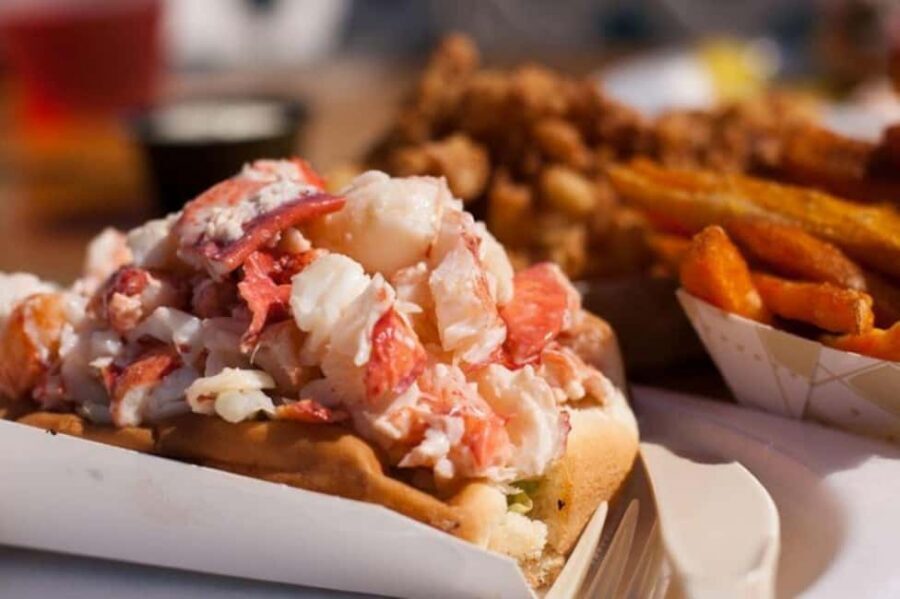
- Seafood tasting that equals a full meal, with favorites like lobster roll and clam chowder plus seasonal stops
- Sustainability and conservation talk tied directly to what ends up on your plate
- Small group size (up to 12) for a more personal pace and more questions
- End at Rose Kennedy Greenway, so you finish with an easy win for sightseeing and downtime
A Small-Group Seafood Walk That Explains Boston Harbor
If you like food tours but hate the feeling of being herded from place to place, this is the style that fits you. You meet at South Boston Maritime Park, then head into the Seaport area with a guide who keeps the story moving while you’re eating. The pace is built for a 2-mile, 3.2 km walk—long enough to connect neighborhoods and waterfront views, not so long that you’re done before dessert.
The best part is that you’re not only tasting seafood. You’re learning how a working harbor turns into a modern, cleaner urban waterfront and why that matters for the future fishing that feeds the region. You’ll also pick up practical responsible-travel tips along the way, which is a nice bonus when you’re trying to get more out of a trip than just photos.
You can also read our reviews of more food & drink experiences in Boston

Starting at South Boston Maritime Park: Where You Get Your Bearings
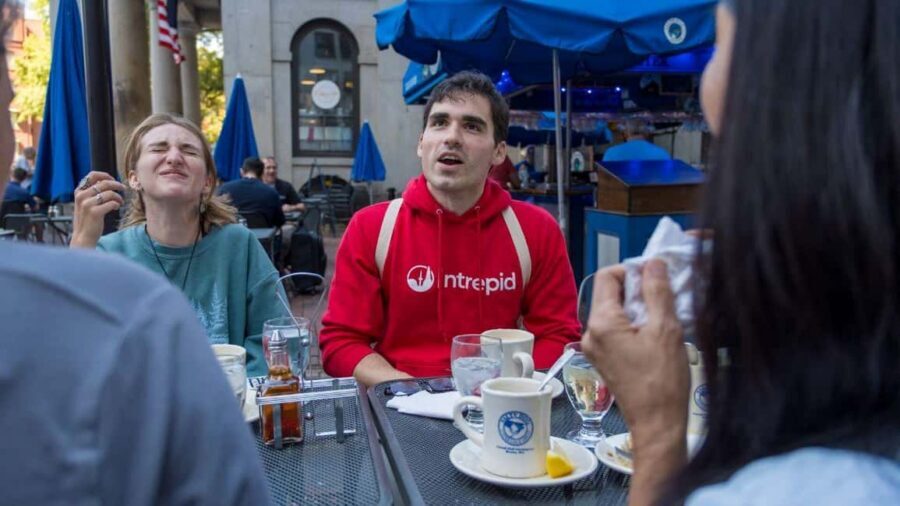
Your tour begins at South Boston Maritime Park at the corner of D Street and Congress Street (address listed as 600 D Street, Boston, MA 02210). The meet spot is in the center of the park near the outdoor seating under the tall shady roof structures.
This matters because the park location puts you close to where the waterfront story actually starts. You’re not starting in the middle of a mall parking lot, and you’re not walking blindly into the Seaport. You get oriented right away, then your route naturally pulls you toward the water.
Wear comfortable shoes. You’ll cover about 3.2 km (2 miles) total walking, and the “working waterfront” terrain can include uneven spots and outdoor walking time that doesn’t forgive bad footwear.
Following the Harborwalk: Views + Context Along Boston’s Edge
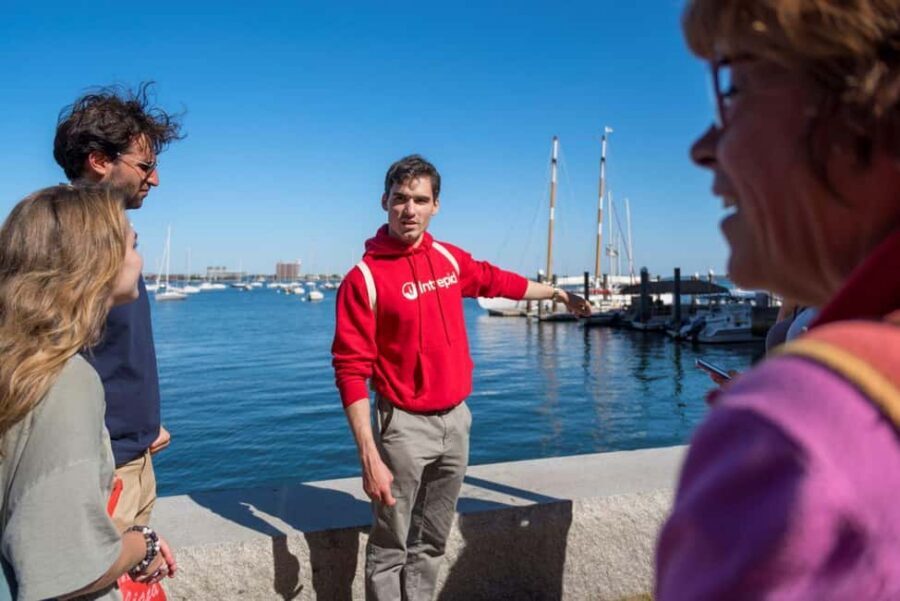
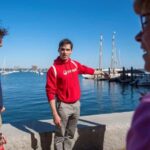
Next you’ll walk along the Boston Harborwalk with your guide. This is where the tour shifts from “where am I” to “how does this place work.” The Harborwalk is your connective tissue: it links stops and keeps you moving at an easy walking pace while the guide adds context about Boston Harbor.
This part works well even if you’re not a hardcore history person. You’re seeing the waterfront as a living system—routes, activity areas, and the geography that shapes how boats and businesses operate. The guide’s job is to translate that into something you can remember the next time you’re eating seafood in a restaurant.
Behind the Scenes at a Working Lobster Facility
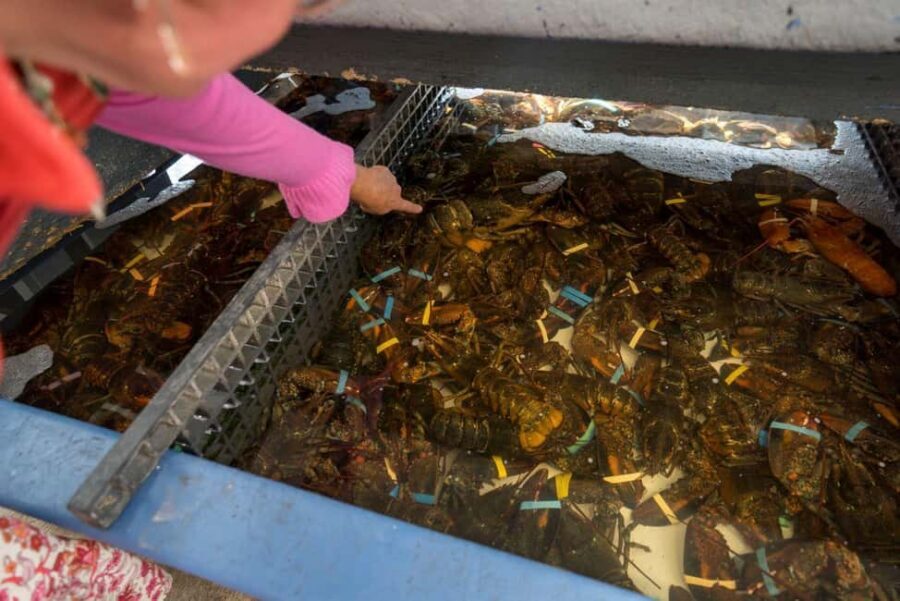
One of the most talked-about elements of this tour is the chance to see a working lobster facility behind the scenes. This isn’t about pretending you’re a dockworker for the day. It’s about seeing the process behind a Boston classic—how lobster becomes a meal, and what it means to operate in an environment where sustainability is not just a buzzword.
You’ll get a clearer sense of why lobster is such a big deal here, and why seafood demand creates real pressure on fisheries. The guide’s conservation and sustainability talking points are most convincing when you can visualize what’s happening between the harbor and your hands.
If you care about food systems—where stuff comes from and how it stays available—this stop is the core reason to choose this tour. It gives the rest of the tasting meaning.
Boston Fish Pier: The Oldest Continuously Operating Pier in the U.S.
You’ll also get access to the oldest continuously operating fish pier in the U.S. That title isn’t just trivia. It’s a clue to why the area has such deep working-waterfront culture: generations of fishermen, processors, and seafood businesses have relied on this same pier logic to move product.
On this part of the walk, you’ll explore the pier with a guided tour. That guided piece matters because you’ll be surrounded by waterfront activity cues that would look random if you didn’t know what they indicate. With the guide, you start connecting the dots: what happens where, how the industry keeps operating year to year, and why regulations and conservation efforts have to keep evolving.
This stop is also a great reality check. It helps you understand that the waterfront is both historic and functional at the same time—history that still works.
You can also read our reviews of more guided tours in Boston

South Boston Waterfront to Fort Point Channel: Seafood Stories With a Future
After the fish pier, the tour continues along the South Boston Waterfront, then toward Fort Point Channel. This is where the walk turns into more than sightseeing: the guide brings it back to how seafood can stay on your plate for the long run.
Fort Point Channel is a strong choice for an ending bite because it keeps you close to the maritime vibe but also lets you finish in an area that’s easy to enjoy afterward. You’ll get a final bite at a seafood shack described as century-old along Fort Point Channel. That’s a nice touch: it caps the tour with a taste of “this place has been doing this a long time.”
I like this ending structure. You’re not forced to sprint through the last part, and you’re not stuck in a rushed stop that feels like a coupon attached to the tour. You finish with food that matches the theme, right where the theme belongs.
The Food Stops: Why the Tasting Feels Like a Full Meal
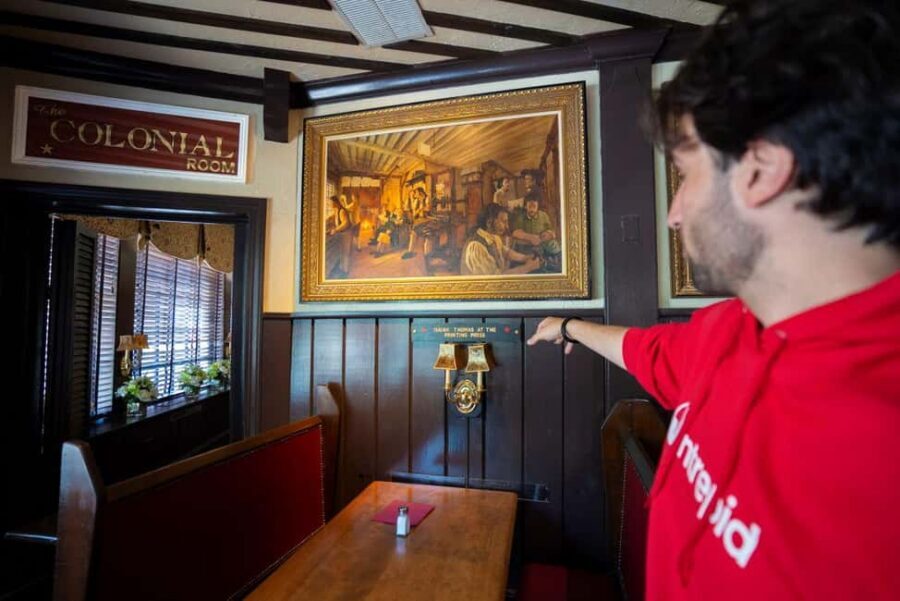
This is not a “one bite per place” tour. The tastings are described as a variety that can add up to a full meal. That changes the value math a lot, because you’re paying for both the storytelling and the actual food.
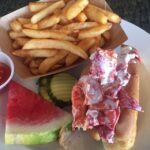
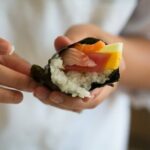
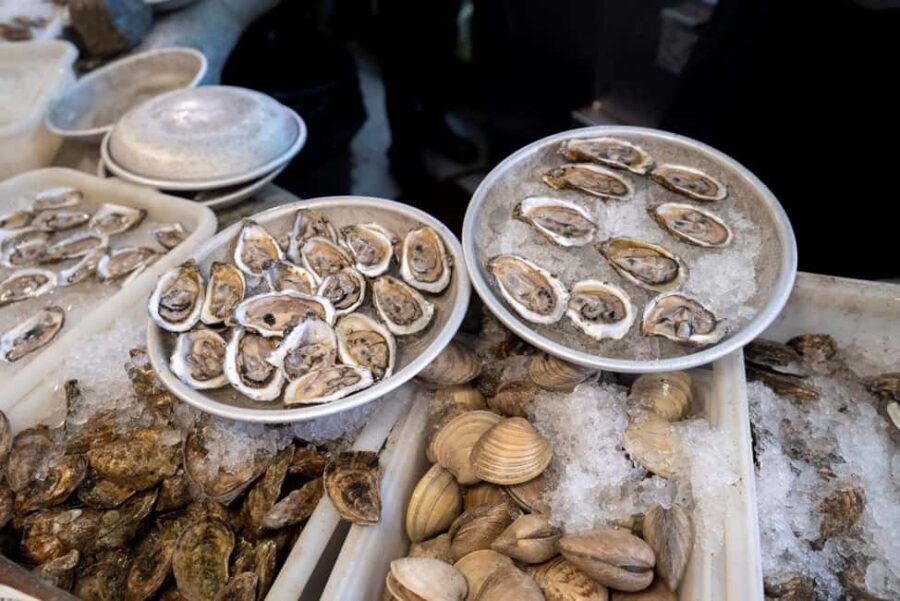
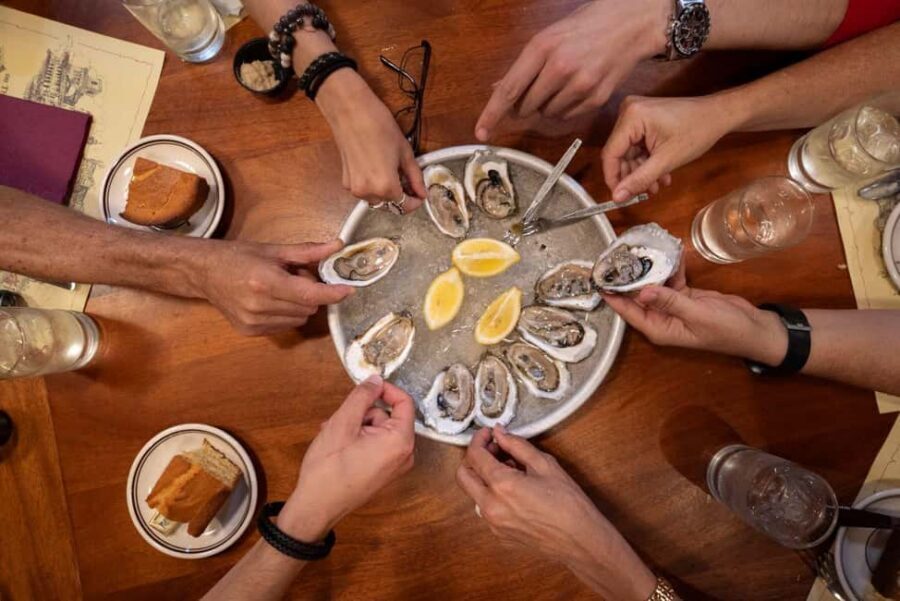
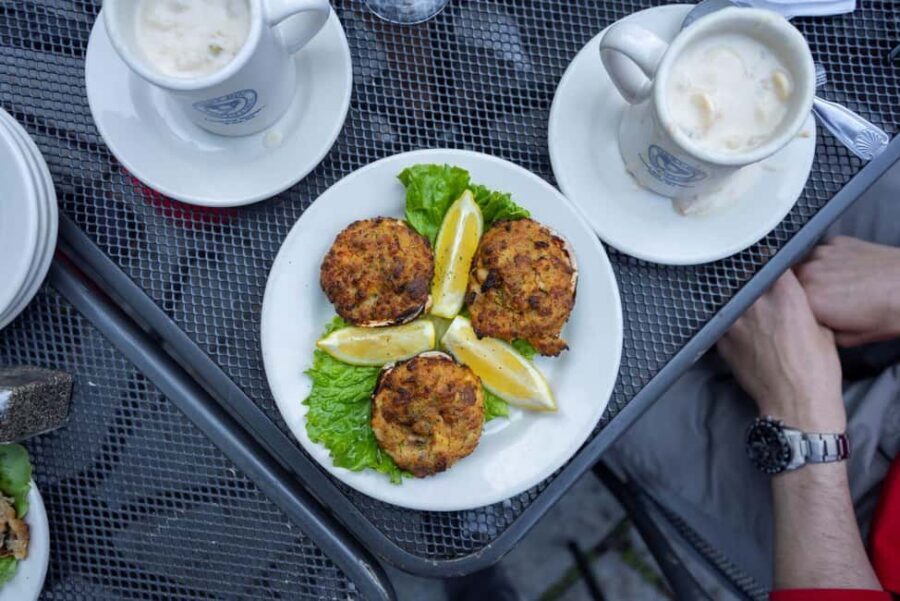
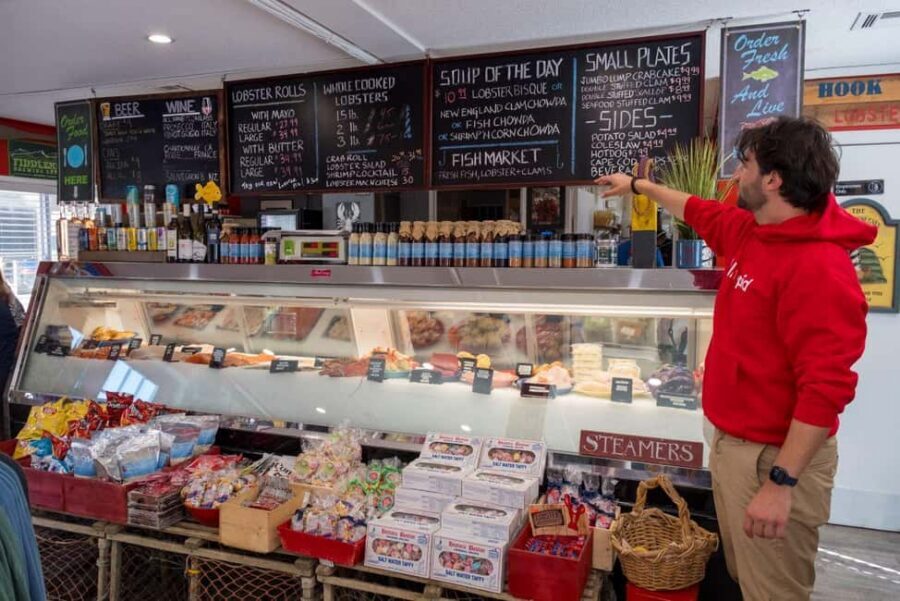
The tour often includes lobster roll and New England clam chowder. You can also expect seasonal specialties such as oysters or fried clams, and there may be items like Atlantic bluefin tuna handrolls and stuffed clams. The food choices can include quahogs and even raw oysters, depending on what’s available.
A practical note: since this is shellfish-centered, people who love seafood typically feel “fed” and happy by the end. If you’re on the fence about shellfish, check the allergy note carefully before you book.
What makes this tasting setup work
- You get the Boston standards (like lobster roll and chowder) early enough to build confidence in what you’re ordering.
- You get variety across the waterfront’s seafood culture—some items feel “classic,” others feel more current.
- You’re tasting in context: you hear how sustainability affects what’s available, so the food doesn’t feel random.
Rose Kennedy Greenway Finish: Easy Wrap-Up After You Eat
At the end, you’ll finish at Rose Kennedy Greenway. That’s an excellent landing zone because you’re not ending in a parking lot or back at the original meet point. The Greenway gives you a clean transition from “tour mode” into “wander mode,” with art and greenery that makes it easy to keep exploring after you’ve got your fill.
This ending is also useful if you’re planning your next steps. You can head to food and drink on your own, browse nearby areas, or simply relax outside for a bit. Your guide also provides tips on where to eat, drink, and explore next, which is handy because they’ve just walked the same waterfront you’re trying to understand.
Price and Value: Why $79 Can Make Sense Here
At $79 per person for about 150 minutes, the price feels reasonable if you treat it as a combo deal: walking tour + real waterfront access + enough food to count as a full meal.
Here’s the value logic as I see it:
- Food volume matters. If you leave truly satisfied, you’re not thinking of the ticket as “mostly for talking.”
- The behind-the-scenes access adds cost. Working facilities and pier access aren’t free, and a guide-managed flow keeps it respectful and organized.
- Small group size (up to 12) increases the odds you’ll get answers, not just a lecture.
If you usually pay for seafood dinners anyway, this tour often replaces at least one separate meal plan—especially lunch—plus gives you the history and sustainability context in a way that’s hard to recreate on your own.
Responsible Travel Touches and Who This Tour Fits
The tour is described as carbon neutral and operated by a B Corp certified company committed to using travel as a force for good. I like when these claims connect to actual choices you can feel, like responsible messaging and a focus on sustainability topics tied to seafood.
This experience is also said to run year-round and proceed rain or shine unless weather creates a dangerous situation. So you’re less likely to lose the plan due to typical Boston weather swings—still, bring what you need for outdoor walking.
Best for
- Food-first travelers who want context with their lobster roll and chowder
- Anyone curious about how the working waterfront supports sustainable seafood
- People who prefer small-group tours with time for questions
- Visitors who want a Boston tasting that doesn’t feel generic
Not ideal if
- You have a shellfish allergy. The tour notes that it’s not suitable and substitutions aren’t offered.
- You want a seafood tour without much seafood. This one centers on shellfish, by design.
What the Best Guides Seem to Do (Based on Recent Names)
In the reviews you shared, the guide names keep surfacing: Nabil, Olivia, Allison, Lexie, Conner, Adam, Molly, Alex, and Larry, plus others. The common thread is how they connect the food to the places.
For example:
- Nabil is praised for knowledge and enthusiasm, with a sense of the people behind the work.
- Olivia and Allison get credit for being fun and informative, which matters because waterfront history can get heavy if it’s delivered like a textbook.
- Conner is noted for setting a nice progression and storytelling that keeps the stops feeling linked rather than random.
- Lexie is described as strong at Boston history, plus making the experience easy and enjoyable.
I’d take that as a sign you should lean into asking questions during the walk. This tour rewards curiosity.
Should You Book This Boston Seafood Tasting and History Tour?
Book it if you want a Boston experience that’s actually about Boston: food tied to harbor life, and a route built around working seafood culture. The small group size, the seafood volume that can equal a full meal, and the behind-the-scenes lobster facility access make it a good value use of time—especially when you’re only in town for a short stay.
Don’t book it if you can’t eat shellfish, or if you’re looking for a history tour where tasting is minimal. This is a seafood-forward outing, and the shellfish focus is part of the point.
If that sounds like your kind of afternoon, you’ll likely walk away with two wins: you’ll know what you ate and why it matters, and you’ll have a clearer sense of how Boston Harbor’s sustainability efforts show up in real life.
FAQ
How long is the Boston guided seafood tasting and history tour?
The tour lasts 150 minutes.
Where do I meet the guide?
You meet at South Boston Maritime Park, on the corner of D Street and Congress Street (600 D Street, Boston, MA 02210), near the center of the park by the outdoor seating and under the tall shady roof structures.
What food is included?
You’ll receive a variety of seafood samples that can equal a full meal. Items can include lobster roll, New England clam chowder, and seasonal specialties, and may include things like Atlantic bluefin tuna handrolls, stuffed clams, quahogs, or even raw oysters.
Is the tour suitable for kids?
Yes. It’s suitable for all ages and fitness levels, and children under 4 join free of charge. The tour includes about 3.2 km (2 miles) of walking.
Can I join if I have food allergies?
The tour centers on shellfish, so it is not suitable for anyone with a shellfish allergy and substitutions aren’t offered. For other food allergies, you need to advise at least 24 hours prior to departure for alternatives.
How big is the group?
The tour is designed as a small group experience with no more than 12 guests.