REVIEW · NEW YORK CITY
NYC: The Frick Collection Entry Ticket
Book on GetYourGuide →Operated by The Frick · Bookable on GetYourGuide
Few museums feel like walking into someone’s treasure room. The Frick Collection is that rare mix of a historic Fifth Avenue mansion and a world-class European art show, spanning the Renaissance through the late nineteenth century. After its multi-year refresh, the museum reopens to the public on April 17, 2025, with masterworks back on the first floor and extra space for smaller paintings, sculptures, and decorative objects upstairs.
I especially love how the collection is arranged for close looking. You’re not trying to cover a massive complex, so you can actually pause with a work by artists like Bellini, Rembrandt, and Vermeer, and then keep going at a calm pace through the house itself. The other big win for me is the visitor setup: helpful staff in the rooms, a free audio option, and a café if you need a breather.
One thing to keep in mind: this is not a photo-friendly museum. No photography is allowed inside the galleries (only in the Frick lobby), and the museum also bans bottles/liquids in the galleries—so plan to travel light and leave the camera urges at the door.
In This Review
- Key things to know before you go
- Entering the Frick Collection: Fifth Avenue, mobile tickets, and smart arrival
- How the renovated museum changes what you see
- First floor masterworks: where you go for Bellini, Rembrandt, and Vermeer
- Second floor discoveries: smaller works and decorative arts
- The garden and public spaces: a pause that actually helps
- Audio and room guidance: help that doesn’t take over your day
- The main downside: crowds, ticket timing, and slow hallways
- What the ticket is worth: $30 for a short, high-impact art day
- Café break, bathrooms, and the reality of meal waits
- Rules that affect your comfort: bags, liquids, and photos
- Who will enjoy the Frick most (and who should reconsider)
- Simple itinerary for a smooth one-day visit
- Should you book your ticket?
- FAQ
- How much is the NYC: The Frick Collection Entry Ticket?
- How long does the experience take?
- Do I need a printed ticket?
- Is there line skipping?
- Can I take photos inside the museum?
- Are children allowed?
- Are liquids or bottles allowed in the galleries?
- Can I bring luggage or large bags?
- When does the Frick reopen to the public?
- Is the museum wheelchair accessible?
Key things to know before you go
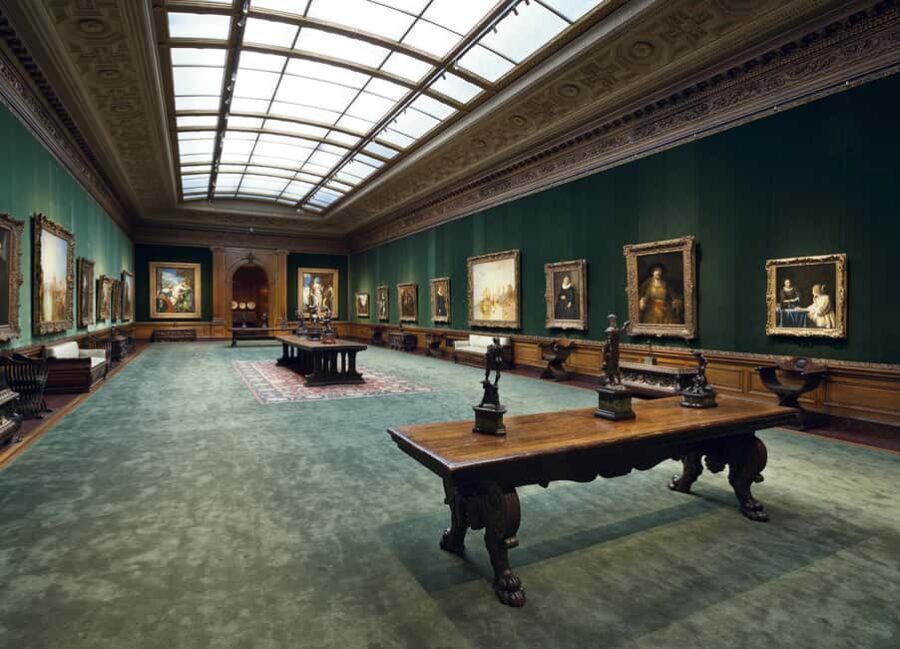
- Renovated galleries split the experience: iconic masterworks on the first floor, plus more works on the second floor
- Timed entry helps with crowd control, but certain time slots can still feel tight in hallways and transitions
- You’re looking at European fine and decorative arts from the Renaissance to the late nineteenth century
- Photography is limited to the Frick lobby only
- Small rules matter: no bottles/liquids in galleries, and oversized items go to the coat check
- Staff support is real: room-by-room guidance and a helpful audio option
Entering the Frick Collection: Fifth Avenue, mobile tickets, and smart arrival

The Frick Collection is in a classic Fifth Avenue setting: a real mansion that makes the art feel personal, not generic. Tickets are timed, and you enter with your mobile ticket. That “set time” approach usually makes the entry smoother than walking up and hoping for the best.
This place is also stricter than many major art museums. You can’t bring luggage or large bags into the galleries. Oversized items (including garment bags and even camera extension poles) need to be left at the coat check. And the museum does not allow any liquids or bottles in the galleries unless you have a medical need.
If you want the easiest visit, I suggest you travel with a small bag you can comfortably keep under control. A lot of irritation on museum days comes from people rushing at the last second because their bag is too big. Skip that whole drama and get in early enough to handle security calmly.
You can also read our reviews of more tours and experiences in New York City



How the renovated museum changes what you see
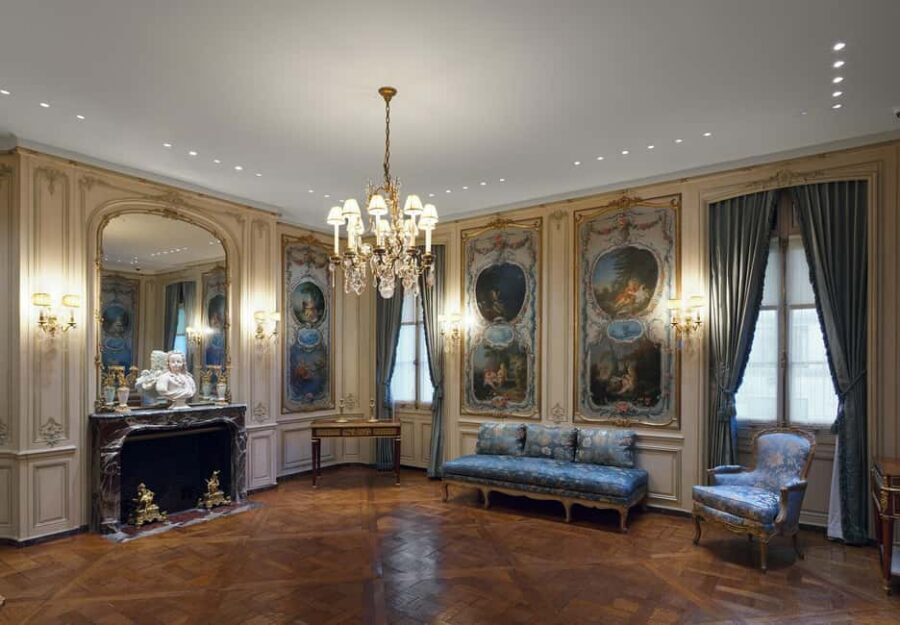
The headline here is the reopening on April 17, 2025 after a multi-year renovation. The museum’s mission stays the same: Henry Clay Frick’s home for European fine and decorative arts, open to the public since 1935. What’s new is the experience of moving through the house now that rooms have been restored and upgraded.
Here’s the practical way to think about it:
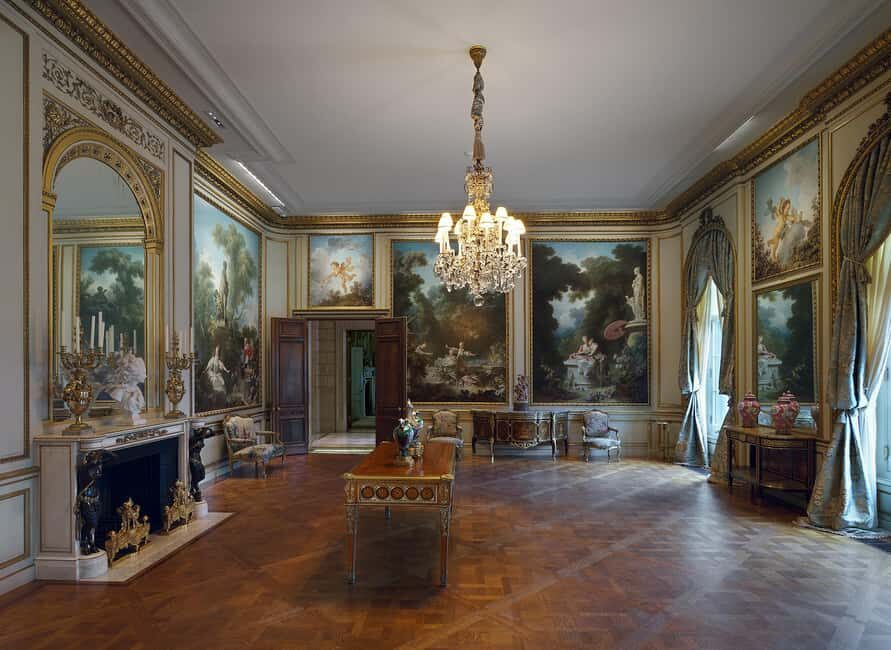
- First floor: the masterworks are reinstalled in restored galleries. This is where you tend to slow down, because the big names and famous works are placed for impact.
- Second floor: you’ll find smaller-scale works—paintings, sculptures, and decorative objects—spread across newly opened space.
That split matters because it changes your pacing. If you only have an afternoon, you can focus your energy on the first-floor highlights. If you’re the type who likes to hover, you’ll enjoy the second floor because the details and objects reward a quieter route.
First floor masterworks: where you go for Bellini, Rembrandt, and Vermeer
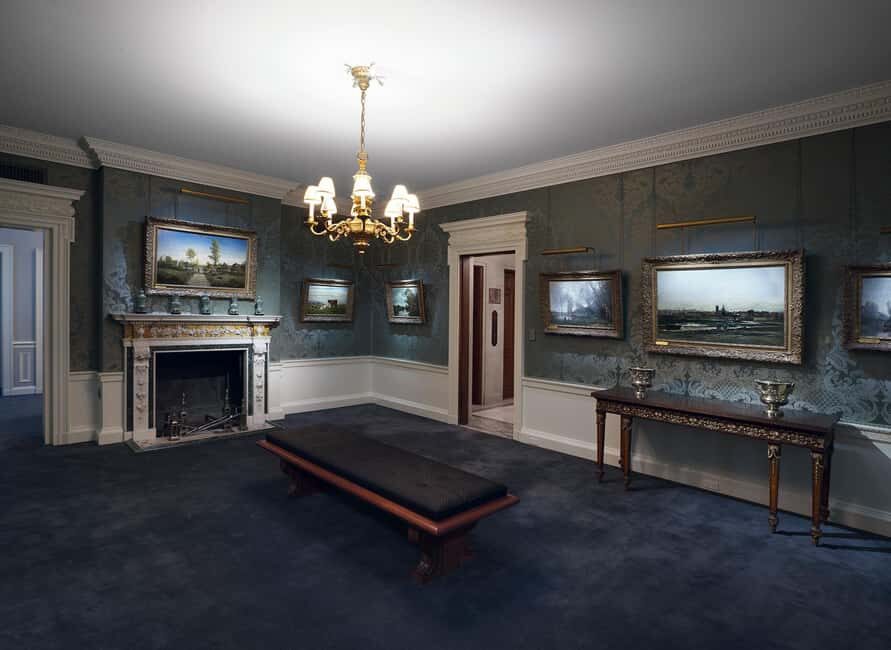
If you love old European painting, the first floor is where the Frick does its best work. The collection spans centuries and styles, but the museum leans especially strong on the kind of craft you notice when you’re close: light, texture, and composition.
You’ll see celebrated names that include Rembrandt and Vermeer, plus works by artists such as Bellini and Fragonard. Even without a “must-see checklist,” the first floor tends to pull you from room to room because the works are presented in a way that feels like conversation, not crowd control.
Practical tip: don’t rush from one room to the next just because the exit signs are calling. Spend 5–8 minutes where you’re drawn in. Then move. The building is small enough that lingering won’t wreck your whole day, but big enough that it still feels satisfying instead of cramped.
Second floor discoveries: smaller works and decorative arts
The second floor is a big reason the reopening is worth planning around. Instead of only chasing the headline paintings, you can spend more time with sculptures, decorative objects, and smaller paintings that often get overlooked when people sprint through bigger institutions.
This is also where your eye gets sharper. Smaller works can be harder to see from far away in other museums, but in a mansion setting you’re usually closer to what matters. The result is a more “slow looking” day, even if you’re not trying to be a museum scholar.
You’ll also get more of the “home feel” that Henry Clay Frick built for the collection. The point isn’t just to show art. It’s to show art in context—how it sits, how it interacts with the room, and how it changes when you shift your angle.
The garden and public spaces: a pause that actually helps

A key part of the Frick experience is stepping out of the gallery loop. The museum includes outdoor space, including a garden area that has been restored. The garden restoration came up in recent visits, and the best version of it is usually the one that matches the day’s weather and light.
This also matters because it gives your brain a reset between rooms. If you’re the kind of person who finds museums tiring after an hour, outdoor space can keep the whole visit enjoyable instead of a slog.
Also, photography rules are different here. The museum allows photography only in the Frick lobby, not in the galleries. So if you want a few smartphone photos for your own memory, plan to use the lobby space as your photo moment, then put the phone away once you’re in the art rooms.






Audio and room guidance: help that doesn’t take over your day
The Frick doesn’t rely only on self-guided wandering. There are staff members in rooms who can help you with what you’re looking at, and there’s audio available at no extra cost. For many people, that audio hits the sweet spot: enough context to make the paintings click without forcing you to read a screen the whole time.
That said, it helps to go in knowing that information varies by format. Some visitors felt the mobile information lacked detail, especially if you hate using your phone during museum time. If that’s you, spend less time chasing the phone and more time using the on-site help from staff. It’s there for a reason.
One person even mentioned a guide named Kevin for his depth and friendly willingness to answer extra questions. That’s exactly the kind of support I look for in a museum: not just facts, but real conversation.
The main downside: crowds, ticket timing, and slow hallways
Even with timed entry, the Frick can get crowded. The museum is small compared to the big “paintings warehouse” museums, so congestion tends to show up at pinch points: transitions between areas, doorways, and upper-room movement.
My best advice is simple: don’t pick a time you’ll regret. Early in the day often feels calmer. If you can handle a late day, you can also avoid the mid-day rush by shifting your visit toward closing time.
If you’re visiting on a busy day, plan your strategy. Pick a few works or rooms you care most about, then let the rest happen around them. Trying to see everything in crowded conditions can make you feel stressed instead of delighted.
What the ticket is worth: $30 for a short, high-impact art day
At $30 per person, the Frick is not a “cheap-and-cheerful” museum. But the value can be strong if you understand what you’re buying.
You’re paying for:
- A top collection without the overwhelm of a giant museum
- A restored mansion setting that makes the art feel grounded in place
- Easy entry with timed access, plus skip-the-ticket-line benefits
- A visit that fits in a normal day without needing a travel spreadsheet
If you love Renaissance to late 19th-century European painting and you’d rather spend quality time with fewer works, the Frick often feels like a smart use of money. If you only like contemporary art, or you need a place that’s built for lots of wide-open movement, you might find it less satisfying.
Café break, bathrooms, and the reality of meal waits
The Frick has a café, and it’s a good option when you’re ready to sit down. Visitors have described good food and solid service, and the museum also has bathrooms that make the day easier to manage.
But New York timing is New York timing. The café can be busy, and you may face delays for tables at popular meal hours. If lunch is part of your plan, think “arrive when it works,” not “arrive right when hunger hits.”
One approach that works: arrive hungry enough to enjoy the café, then treat lunch as a pause, not as a major schedule anchor. That way, if the wait is long, you can still do the art without losing your momentum.
Rules that affect your comfort: bags, liquids, and photos
Before you go, lock in these rules so you’re not surprised at the door:
- No luggage or large bags in the galleries
- Oversized items go to the coat check
- No photography inside the galleries
- No bottles or liquids in the galleries (unless medically necessary)
- Children 10 and under are not permitted
- Wheelchair accessibility is available
These rules aren’t there to be annoying. They’re there because the art is precious and the museum has to manage safety and conservation. Still, the impact is real: if you like to bring a lot of stuff, you’ll want to change your habit for this visit.
If you depend on a water bottle, plan a workaround that still follows the rules. Since bottles are not allowed in galleries, you’ll want to handle hydration outside the gallery areas.
Who will enjoy the Frick most (and who should reconsider)
Best fit:
- People who love European old masters and the craftsmanship of painting and sculpture
- Art fans who prefer a smaller, high-quality visit over a multi-hour marathon
- Anyone who likes the idea of art inside a real historic home
Consider skipping or adjusting expectations if:
- You need heavy family options, since children under 10 can’t enter
- You want unrestricted photography, because galleries are off-limits
- You hate phone-based information and expect lots of printed wall text (some visitors felt the mobile info didn’t go far enough)
Simple itinerary for a smooth one-day visit
You don’t need a complicated plan. The Frick is built for focused wandering.
1) Enter and do the first-floor highlights first. This is where the masterworks and famous names are concentrated. If you only have a short window, start here while your energy is high.
2) Follow with the second floor at a slower pace. Treat it like a bonus layer of discoveries: smaller works, sculptures, decorative objects.
3) Take a lobby break for photos and orientation. Since photography is allowed only in the lobby, use that as your “memory stop.”
4) Add the café when you start to feel your brain speed drop. Plan lunch as a pause, not as a strict reservation race.
5) If the museum is crowded, stop trying to see everything. Pick your top rooms, enjoy the art you do choose, and leave feeling satisfied instead of rushed.
Should you book your ticket?
Yes, if your idea of a great NYC museum day is quality over quantity. The renovated Frick is a strong pick for art lovers who want a personal-feeling visit with real staff support, a compact layout, and major works by artists like Rembrandt and Vermeer.
Hold off if photography and flexibility are central to your travel style. The gallery rules are strict, and if you show up with a big bag or a full photo plan, you’ll spend energy on logistics instead of art.
FAQ
How much is the NYC: The Frick Collection Entry Ticket?
The price is $30 per person.
How long does the experience take?
The duration is 1 day, and your ticket is valid for 1 day.
Do I need a printed ticket?
No. You present your mobile ticket for entry.
Is there line skipping?
Yes, the ticket includes skip-the-ticket line.
Can I take photos inside the museum?
Photography is not allowed inside the galleries. Photography is permitted only in the Frick lobby.
Are children allowed?
Children 10 and under are not permitted in the museum.
Are liquids or bottles allowed in the galleries?
No. The museum does not allow any liquids or bottles in the galleries unless medically necessary.
Can I bring luggage or large bags?
No. Luggage or large bags are not allowed in the museum galleries. Oversized items must be left in the coat check.
When does the Frick reopen to the public?
The museum reopens on April 17, 2025.
Is the museum wheelchair accessible?
Yes, the experience is wheelchair accessible.