REVIEW · NEW YORK CITY
NYC: The Metropolitan Opera Tickets
Book on GetYourGuide →Operated by Broadway Inbound · Bookable on GetYourGuide
Opera at the Met hits different. This ticket is your pass to the Metropolitan Opera House at Lincoln Center, with a lineup that lets you choose the story and the mood. You’ll get a live performance from this season, from big Verdi heartbreak to Mozart in English and modern takes like Grounded.
Two things I really like here: the flexibility to choose your opera, and the built-in language help. You get an audio guide in several languages, plus the option of real-time translations depending on the show. One thing to watch is that opera length varies a lot, so check your specific performance time before you plan dinner or the rest of your night.
In This Review
- Key things to know before you go
- Lincoln Center to the Met Stage: What Your Ticket Actually Gets
- Pick the Right Opera: From Mozart Fairy Tale to Verdi Tragedy
- Language Tools: Audio Guides and Real-Time Translations
- House Rules That Actually Affect Your Night
- Opera Rundowns You Can Choose From (And What You’ll Notice First)
- Ainadamar
- Die Frau ohne Schatten
- Grounded
- Il Trovatore
- Les Contes d’Hoffmann
- The Magic Flute
- Rigoletto
- Tosca
- Price and Value at $45: When It Feels Like a Good Deal
- Timing, Pacing, and What to Do Before the Music Starts
- Who Should Book This Met Opera Ticket (And Who Might Skip It)
- Should You Book the Met Opera Ticket?
- FAQ
- How much does the Met Opera ticket cost?
- Where does this take place?
- What operas can I choose from?
- Is an audio guide included, and what languages are available?
- Are real-time translations available?
- What are the rules for photos and recording?
- How long is the experience?
- Are there vaccination requirements?
Key things to know before you go
- Choose from eight operas: Ainadamar, Die Frau ohne Schatten, Grounded, Il Trovatore, Les Contes d’Hoffmann, The Magic Flute, Rigoletto, Tosca
- Audio guide is included with multiple languages (English, German, Spanish, Italian, French)
- Real-time translations may be available, but it depends on the show you pick
- Plan around house rules: no selfie sticks, no flash photography, and no video recording
- Come prepared for vaccination rules: you must be fully vaccinated, including boosters if eligible
- Runtime varies by opera, so confirm how long your exact show runs
Lincoln Center to the Met Stage: What Your Ticket Actually Gets
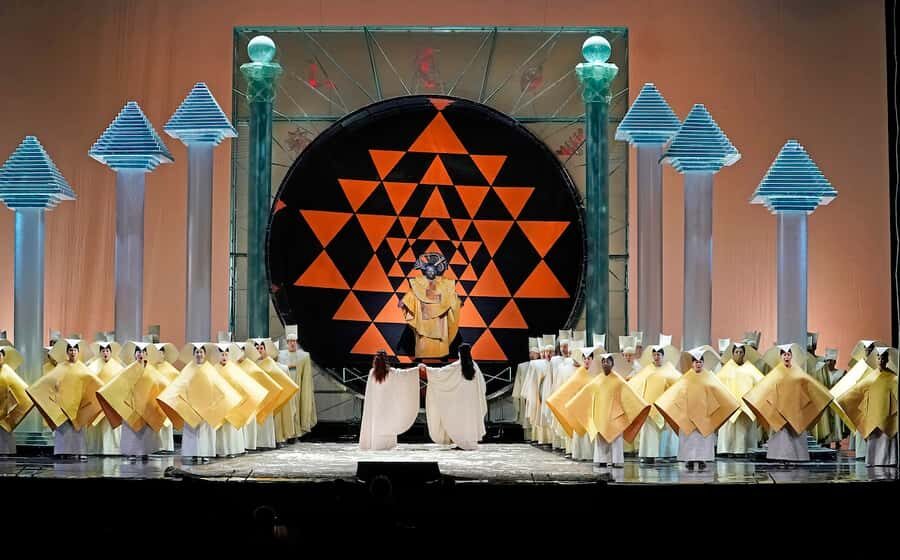
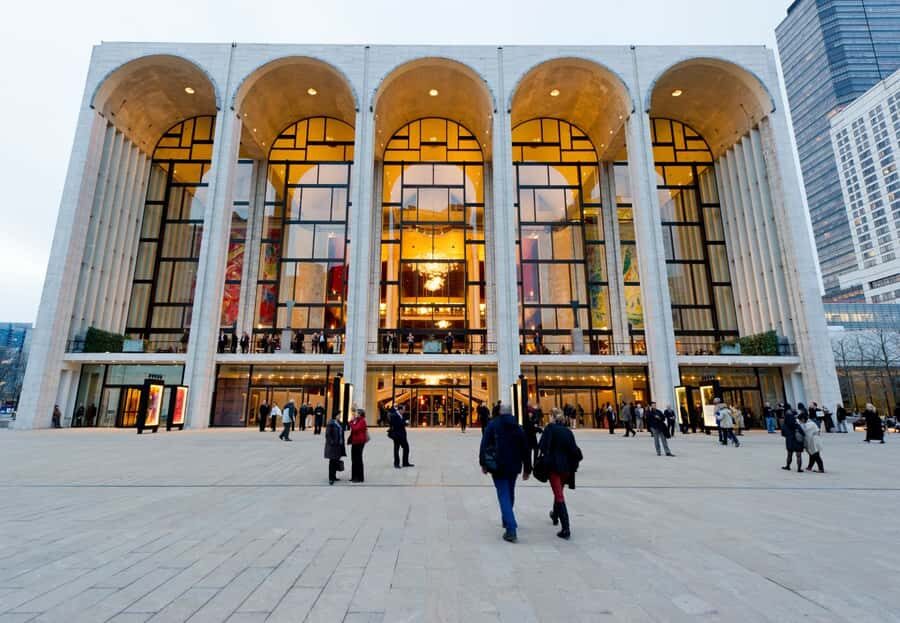
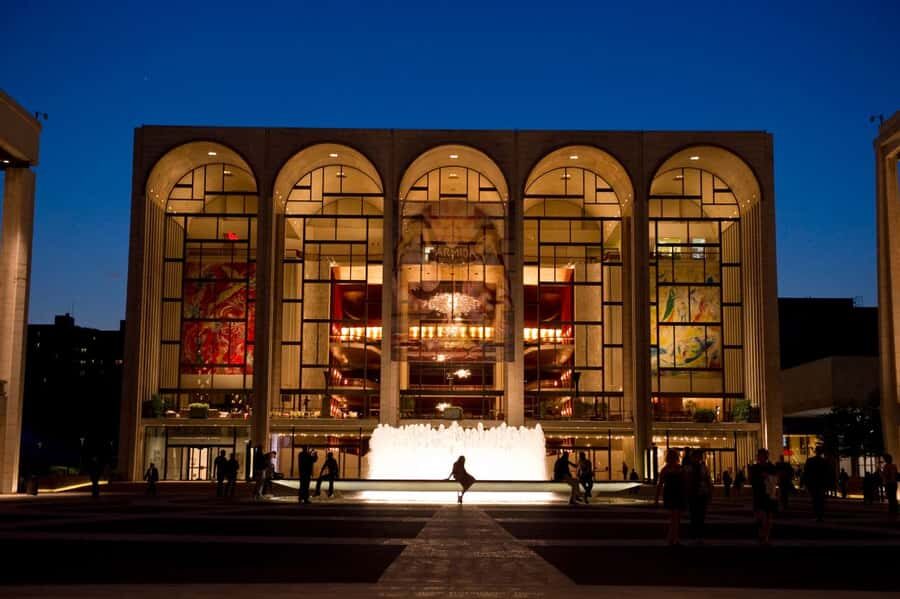
This is a simple, straightforward way to see opera in New York without turning it into a half-day project. Your ticket covers admission to Lincoln Center and gives you entry tied to the Met performance you select. In practice, that matters because it reduces the mental load: you’re going straight to the main event.
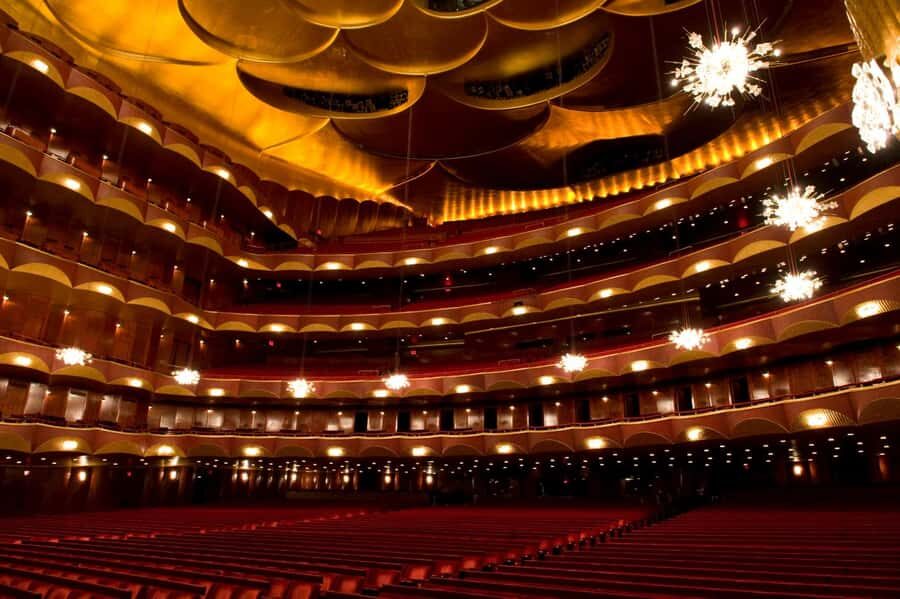
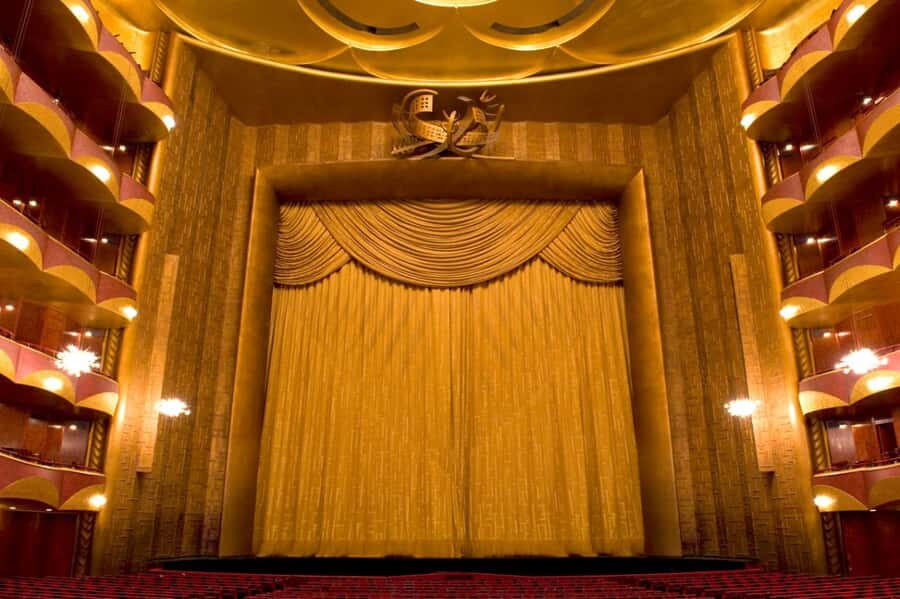
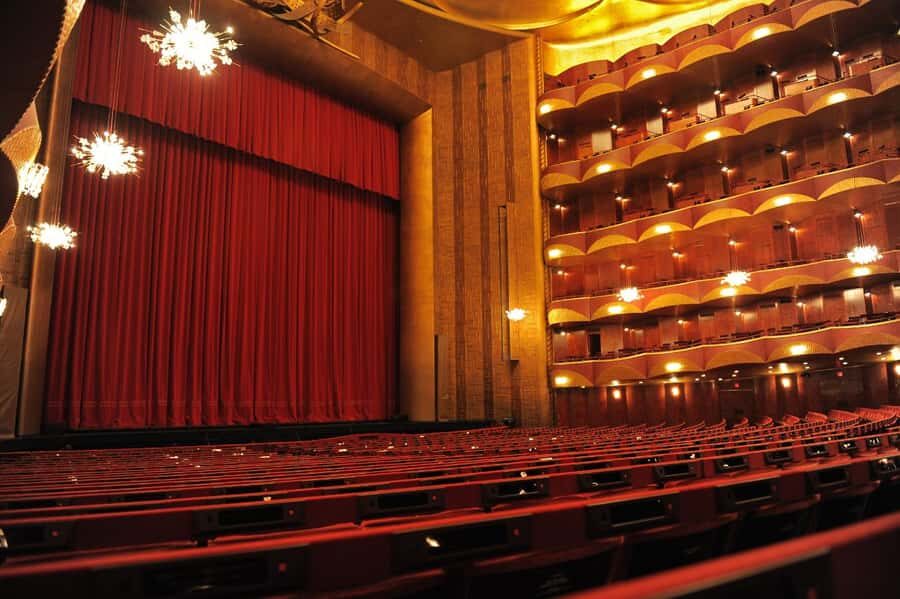
The Met itself is one of those places where the setting supports the art. You’re not just watching singers and orchestra—you’re watching the full machine of opera: voices carried by the room, musicians firing together in real time, and the stagecraft that makes plots feel bigger than life. Even on a snowy day, that sort of focus helps. The experience is quick to start and easy to keep moving, rather than dragging into a complicated schedule.
What I’d highlight for you: because there are multiple operas offered, you can match the show to your tolerance for intensity. Some are about love and revenge. Some lean mythic and grand. One is a holiday favorite for families. And one is modern and tense in a way that feels relevant right now.
You can also read our reviews of more tours and experiences in New York City



Pick the Right Opera: From Mozart Fairy Tale to Verdi Tragedy
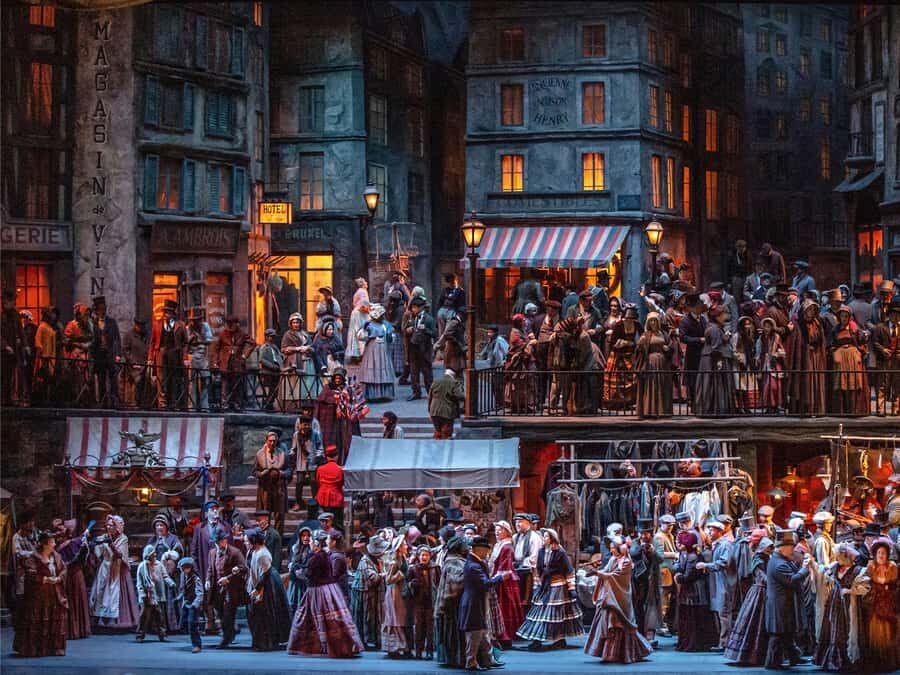
This ticket isn’t one single show. It’s a menu. That’s a big deal, because opera can feel either instantly exciting or like a chore—depending on what you pick. Here’s how I’d think about your choices.
If you want rhythm, movement, and a strong visual style, go for Ainadamar. It blends operatic drama with the energy of flamenco and rumba, set against a civil war backdrop. It also has a director/choreographer connection you’ll recognize if you follow big international stage work: Deborah Colker is known for Cirque du Soleil, and the production is described as a company debut. That’s a strong clue that you’re not walking into something stiff.
If you want myth, size, and long-breath grandeur, pick Die Frau ohne Schatten. Strauss is about scale, and this production features a top conductor in Yannick Nézet-Séguin and a three-soprano-led cast. This is opera where the orchestra isn’t just backing the singers—it’s part of the storytelling.
If you like contemporary themes and moral pressure, choose Grounded. It puts mezzo-soprano Emily D’Angelo in the role of Jess, a fighter pilot pulled from the cockpit by pregnancy. The plot shifts to Las Vegas and battle by Reaper drone, halfway around the world. That combination of motherhood, war, and technology is exactly why modern opera matters.
If you want classic Verdi drama, Il Trovatore and Rigoletto are your two heavy hitters. Il Trovatore is about family strife and forbidden love, with tenor Michael Fabiano as Manrico and Gwyn Hughes Jones singing the final two performances (so the cast may vary by date). Rigoletto returns with Quinn Kelsey as the Verdi baritone portraying the hunchbacked court jester—an important detail, because a role like Rigoletto lives or dies by interpretation.
If you want something theatrical and comic-fantastical with an edge, Les Contes d’Hoffmann has an ensemble of leading lights and is headlined by Benjamin Bernheim as the tormented poet. It’s a strong pick when you want imagination to do half the work for you.
For families and anyone who wants a holiday-friendly entry point, The Magic Flute is the easy yes. It’s described as an abridged, English-language production with dazzling puppets and a colorful setting, directed by Julie Taymor, the Tony Award–winning director of Broadway’s The Lion King. Even if you’re new to opera, this is the kind of staging that helps the music land.
For maximum drama, choose Tosca. It centers on Rome waiting for news tied to the Battle of Marengo in northern Italy—history outside the theater meets emotional stakes inside it.
Language Tools: Audio Guides and Real-Time Translations
Opera can be intimidating mainly because people assume they need to understand every word to enjoy it. You don’t. This experience gives you several ways to follow along.
First, you’ll have an audio guide included. It’s available in English, German, Spanish, Italian, and French. That’s helpful even if you can’t make use of real-time translations, because you can still track story beats as the performance unfolds.
Second, the experience notes that real-time translations are available, but you need to check what languages apply to your specific show. That matters because not every performance may offer the same translation options on the spot. If you’re choosing between two operas and language access is your top priority, treat the translation availability as part of your decision—not an afterthought.
My practical advice: arrive ready to use the tools you have. Don’t wait until you’re already seated to start figuring out what you can access. If you plan to rely on the audio guide heavily, keep it simple—know your language before the house lights go down.
House Rules That Actually Affect Your Night
Some rules are just annoying. These rules are mostly about keeping the theater experience smooth, and they’re worth taking seriously.
No selfie sticks. No flash photography. And no video recording. That means you should treat your phone as a silent object, not a tool for filming during key moments. The theater experience depends on quiet attention, and the rule set makes that possible.
Also plan around the vaccination requirement. The information is explicit: guests must be fully vaccinated to attend, including booster shots for those eligible. If you’re not sure you meet it, check before you go. It’s not the kind of surprise you want on show day.
Opera Rundowns You Can Choose From (And What You’ll Notice First)
Below is the “what it’s about” for each option, plus what I think you’ll probably notice first once the curtain goes up. (You’ll still want to check your exact performance date and any show-specific details.)






Ainadamar
A story with musical urgency. Ainadamar is described as combining features of both an opera and a passion. It’s conducted by Miguel Harth-Bedoya in his Met debut, and it has flamenco and rumba rhythms feeding the drama. The civil war backdrop gives it teeth, and the production is linked to Brazilian director and choreographer Deborah Colker. When you sit down, expect a performance where movement and rhythm aren’t decoration—they’re part of how the emotion arrives.
Die Frau ohne Schatten
Myth and grand vocal presence. This is Strauss’s grand mythological epic, led by Met Music Director Yannick Nézet-Séguin. The cast is built around a trio of sopranos: Elza van den Heever as the Empress, Lise Lindstrom as the Dyer’s Wife, and Nina Stemme as the Nurse. If you like your opera with big orchestral weight and dramatic character contrasts, this is the option that rewards long attention.
Grounded
Modern pressure, personal stakes. Mezzo-soprano Emily D’Angelo headlines as Jess, a hot-shot fighter pilot whose unplanned pregnancy pulls her out of the cockpit and into Las Vegas. Then comes the twist: she ends up operating a Reaper drone halfway around the world. The music and pacing here are likely to feel less like old-world mythology and more like contemporary stress—caught between soldier duty, being a partner, and motherhood all at once.
Il Trovatore
Family conflict and forbidden love, Verdi-style. Verdi’s charged drama centers on Manrico, played by tenor Michael Fabiano, and the tension of being at war with his own brother. Gwyn Hughes Jones sings the final two performances mentioned for this production, which is your clue that casting can shift by date. If you want romantic heat plus betrayal plus big emotional turns, this is the one.
Les Contes d’Hoffmann
Fantastical storytelling with a tormented core. Offenbach’s final work leans into imagination and performance style. The Met staging features an ensemble of leading lights, and it’s headlined by tenor Benjamin Bernheim in the title role of the tormented poet. This is a good choice if you like opera where character mood and showmanship both matter.
The Magic Flute
A holiday-friendly on-ramp to Mozart. This returns as a beloved New York tradition. It’s abridged and in English, and it includes dazzling puppets plus a colorful setting. The director is Julie Taymor (Tony Award–winning for Broadway’s The Lion King), and that background signals theater-forward staging. For families, this is often the easiest way to experience opera without feeling lost.
Rigoletto
Heartbreak from the inside out. Rigoletto returns with reigning Verdi baritone Quinn Kelsey reprising his devastating portrayal of the hunchbacked court jester. Verdi’s music here is all about emotional pressure—so the first thing you’ll notice is how quickly the story can turn from personal to catastrophic. If you want an opera that feels like a chain reaction, this is it.
Tosca
Rome in suspense. Tosca begins with Rome waiting for news of the Battle of Marengo in northern Italy, a deciding factor for the fate of the city. The plot is framed around the city’s symbolic power, which sets up high stakes and intense drama. If you like stories where politics and personal fear collide, this is a strong pick.
Price and Value at $45: When It Feels Like a Good Deal

At $45 per person, this is one of the most approachable ways to see major opera at the Met. I don’t say that to oversell it. I say it because opera at this level can cost a lot more elsewhere, and here you’re getting a package: opera ticket plus entry to Lincoln Center, plus audio guide support.
Where the value gets real is in what you’re buying for your time:
- You get a full live performance experience at a world-class venue.
- You have language assistance built in, so you don’t need prior opera knowledge to keep up.
- You can pick the opera, so you’re not stuck with a show style that doesn’t match you.
One more practical point: runtime varies by opera, so your “value per minute” depends on what you pick. Before committing, check your show’s listed length and plan your night accordingly. Even a great deal isn’t great if you’re rushing through dinner or transit afterward.
Timing, Pacing, and What to Do Before the Music Starts
Your performance length depends on the opera, and the information specifically says each opera varies. Plan for a show that can run long enough that you shouldn’t treat it like a quick event.
The best pre-show approach is simple:
- Give yourself buffer time at Lincoln Center so you’re not sprinting when you arrive.
- If you plan to use the audio guide, have your language ready and your phone charging if you’re using any personal devices (video is prohibited, but regular phone use can still be handy).
- Dress for comfort. You’ll likely be seated for a while, and opera shows ask you to stay still and focused.
Also, if you’re coming during a snowy stretch or cold weather, I’d treat this as a reason to keep your plan tight. The main payoff starts when you reach the Met. The less you try to pack in before the show, the more enjoyable the night tends to be.
Who Should Book This Met Opera Ticket (And Who Might Skip It)
You should book this if:
- You want a true live opera experience at the Met without picking between “complicated tour” and “just a ticket.”
- You’d like language support through an included audio guide, plus the chance of real-time translations depending on the show.
- You’re willing to follow house rules and show up with vaccination requirements handled.
You might skip it if:
- You hate rules or you’re not ready for a vaccination requirement.
- You’re very sensitive to long seated events and you haven’t checked the performance length for your specific opera.
- You expect to take lots of photos or record video. This venue prohibits both, and the show will move on whether or not your camera is ready.
Should You Book the Met Opera Ticket?
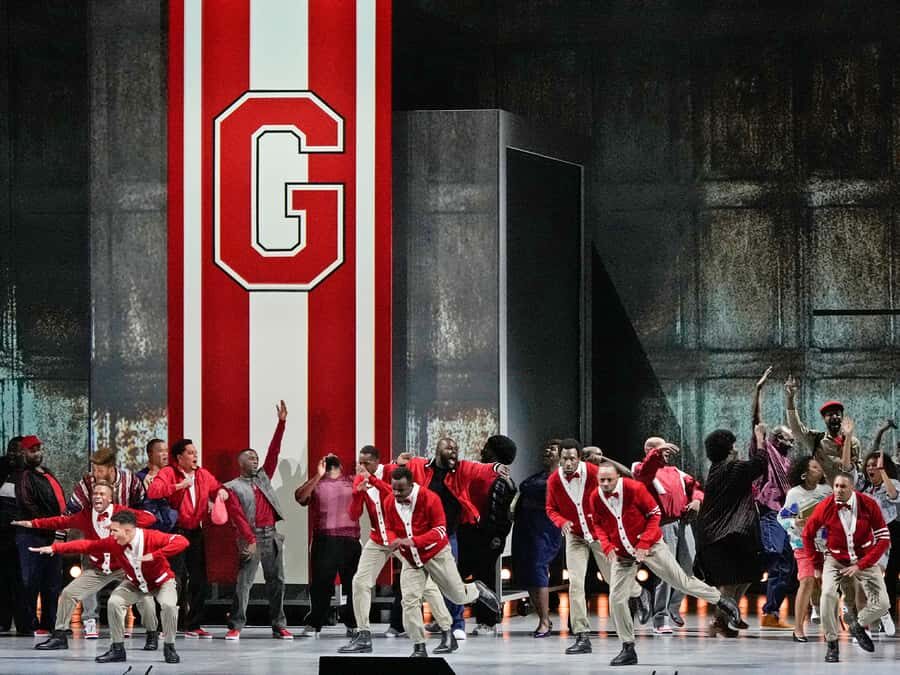
Yes, if you pick the opera with intention. The Met is a special place, and $45 plus audio support makes it a very practical way to experience world-class singing and big theatrical storytelling. If you’re new to opera, The Magic Flute is the easiest starting point thanks to its abridged, English-language format and family-friendly staging. If you want something modern and emotionally sharp, Grounded is a strong choice.
Book if you can check two things first: the specific show length and what translation options are available for your performance. Do that, and you’ll get a night that feels fully worth the trip.
FAQ
How much does the Met Opera ticket cost?
The price is $45 per person.
Where does this take place?
It’s in New York at Lincoln Center, with entry to the Metropolitan Opera House for your selected performance.
What operas can I choose from?
The options listed are Ainadamar, Die Frau ohne Schatten, Grounded, Il Trovatore, Les Contes d’Hoffmann, The Magic Flute, Rigoletto, and Tosca.
Is an audio guide included, and what languages are available?
Yes. The audio guide is included and available in English, German, Spanish, Italian, and French.
Are real-time translations available?
Real-time translations are available, but you need to check your specific show of choice for which languages are offered.
What are the rules for photos and recording?
Selfie sticks are not allowed. Flash photography, video recording, and other video capture are prohibited.
How long is the experience?
The run time varies by opera. The information lists a range, and you should check the exact length for your chosen show.
Are there vaccination requirements?
Yes. You must be fully vaccinated to attend, including booster shots for those eligible.