REVIEW · BROOKLYN
Brooklyn: 2-Hour Best of Brooklyn Walking Tour -Williamsburg
Book on GetYourGuide →Operated by Brooklyn Unplugged Tours · Bookable on GetYourGuide
Williamsburg moves fast, and this tour keeps up. For two hours, you trace the neighborhood’s shift from a working-class hub of manufacturing and beer brewing to today’s trend shops, while stopping for street art and even a waterfront look toward Manhattan.
I also like the walk’s honest take on gentrification and how it shapes local identity, not just the shiny new lofts. The one caution: this is an overview, and it does not include the Jewish district, so if you want super-detailed history, you’ll need other resources alongside this.
In This Review
- Key things you’ll notice on the Best of Brooklyn: Williamsburg walk
- Why this Williamsburg walk works as a first introduction
- Starting at Black Star Bakery and getting oriented fast
- Street art, underground graffiti, and the “look up” mentality
- Cobblestones, converted warehouses, and restored lofts
- How beer brewing and manufacturing shaped Williamsburg
- Gentrification talk with the uncomfortable parts included
- A waterfront-and-skyline moment that rewards your effort
- How the guide style affects your experience
- Price and value: $32 for a guided neighborhood orientation
- What’s not included (and why that’s not a deal-breaker)
- Weather reality: rain or shine, so dress like you’re walking
- Who should book this Best of Brooklyn: Williamsburg tour
- Final call: should you book this tour?
- FAQ
- Where is the meeting point for the tour?
- How long is the Brooklyn: Best of Brooklyn Walking Tour – Williamsburg?
- What is the price per person?
- Does the tour include food or beverages?
- Is this tour limited to Williamsburg only, or does it include the Jewish district?
- Does the tour run in bad weather?
- What language is the tour guide?
Key things you’ll notice on the Best of Brooklyn: Williamsburg walk
- Meet at Black Star Bakery & Cafe at the white storefront between North 7th Street and North 8th Street
- Underground graffiti plus street art you can spot on foot, not just read about later
- Factories and beer brewing stories that explain why old Williamsburg still matters
- Gentrification context covering the benefits and the controversial impacts
- Cobbled streets and converted warehouses that show the neighborhood’s constant reinvention
- A payoff view of the waterfront and the Manhattan skyline
Why this Williamsburg walk works as a first introduction
If you’re new to Brooklyn, Williamsburg can feel like two neighborhoods at once. This tour helps you connect the dots by pairing what you see now with what built the area in the first place.
You get a fast, practical orientation: the guide keeps the tone friendly and conversational while you move through a side of New York that looks creative, industrial, and new all in the same block. You’ll also get the point of the tour quickly, since it focuses on a 2-hour neighborhood stroll rather than long stops that eat your whole day.
You can also read our reviews of more walking tours in Brooklyn



Starting at Black Star Bakery and getting oriented fast
The meeting spot is easy to find and very Williamsburg in vibe. Meet your guide in front of Black Star Bakery & Cafe, at the white storefront between North 7th Street and North 8th Street.
That matters more than it sounds. Starting in the neighborhood helps you calibrate your pace and route right away, so the later history and street-level details land better when you’re already walking the real streets.
Street art, underground graffiti, and the “look up” mentality
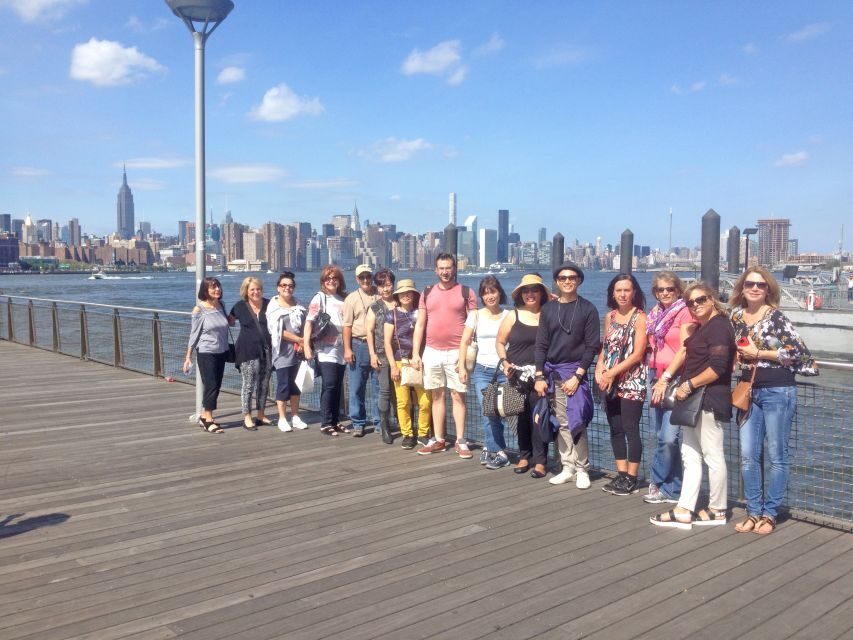
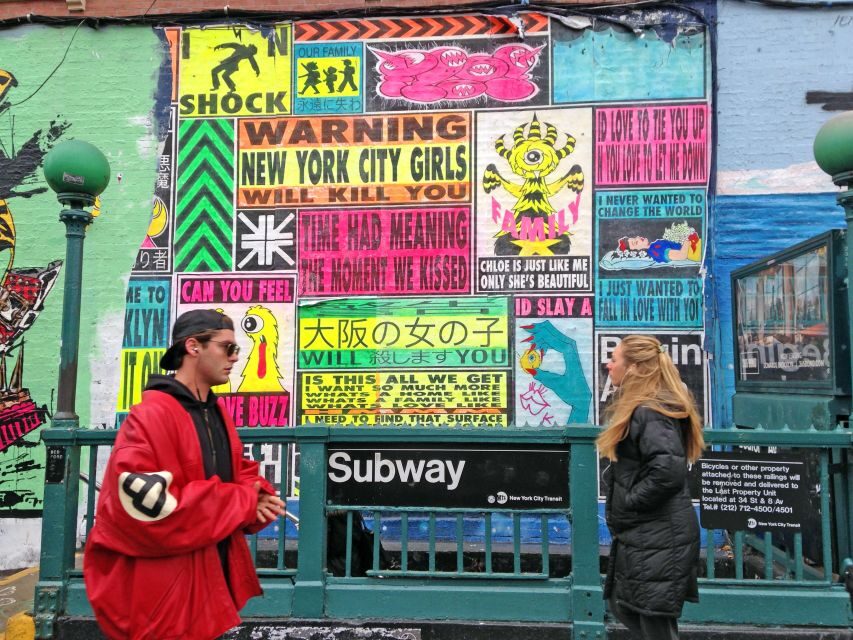
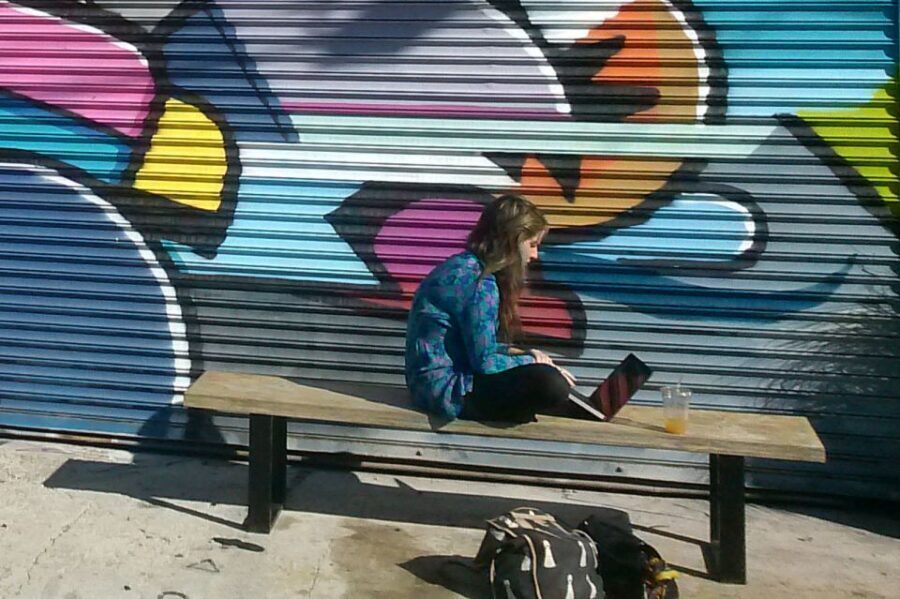
Williamsburg is one of those places where the walls do the talking. During the walk, you’ll see underground graffiti and more mainstream street art, plus enough stops for the art to feel like part of the story instead of a quick photo break.
What I like about this approach is that it turns your eyes outward. Instead of treating street art as wallpaper, the guide connects it to how the neighborhood’s identity shifts over time, including how new businesses and old communities share the same streets.
If you’re someone who enjoys design details, you’ll probably find yourself watching for textures: layered paint, changes in building use, and the contrast between older structures and newer storefront energy.
Cobblestones, converted warehouses, and restored lofts
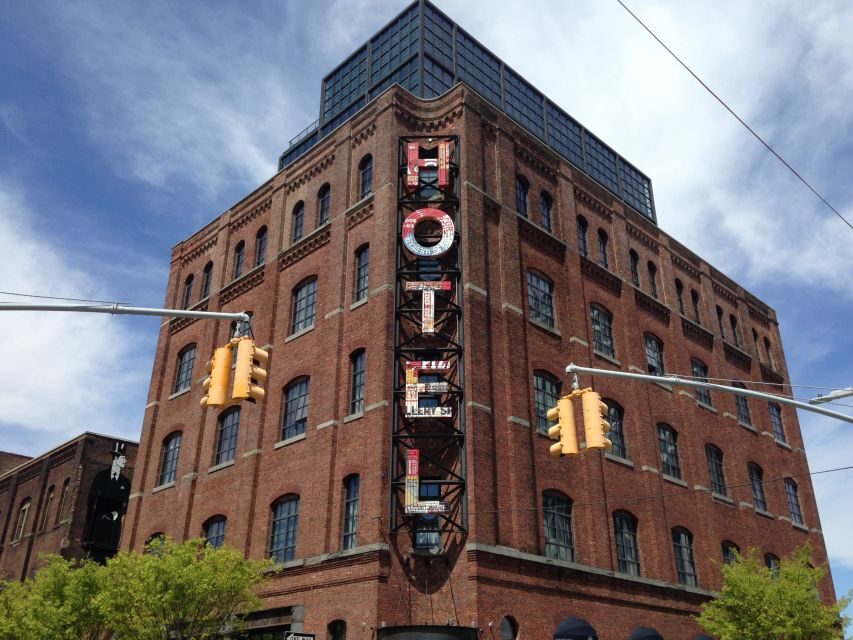
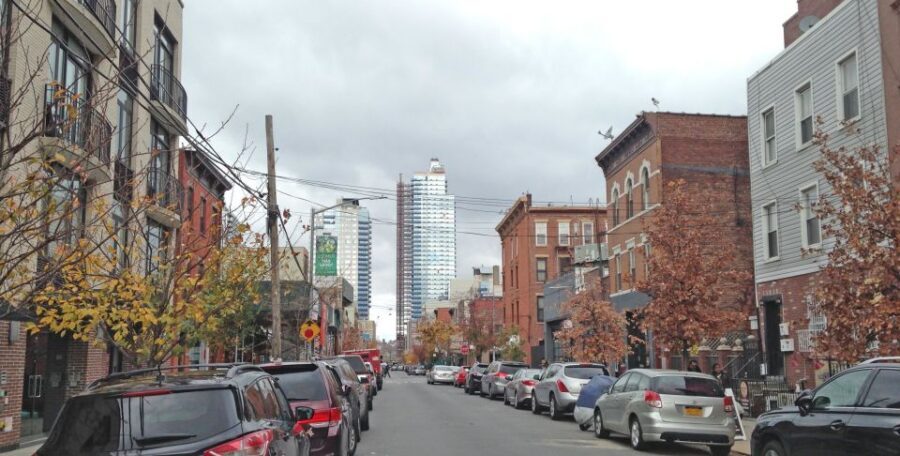
The tour route favors the parts of Williamsburg that show physical change. You’ll pass cobbled streets and areas with converted warehouses, where old industrial space has been repurposed into something new.
This is where the neighborhood becomes easy to understand. The buildings give you visual cues for the “before and after,” so the historical talk doesn’t float in the abstract. You can literally see how manufacturing-era footprints made room for later waves of residents, and then for today’s trend-forward streets.
You’ll also get time around restored lofts and streets lined with boutique shops and restaurants. Even when you’re not shopping, it’s helpful because it shows what kind of commerce now defines the area.
How beer brewing and manufacturing shaped Williamsburg
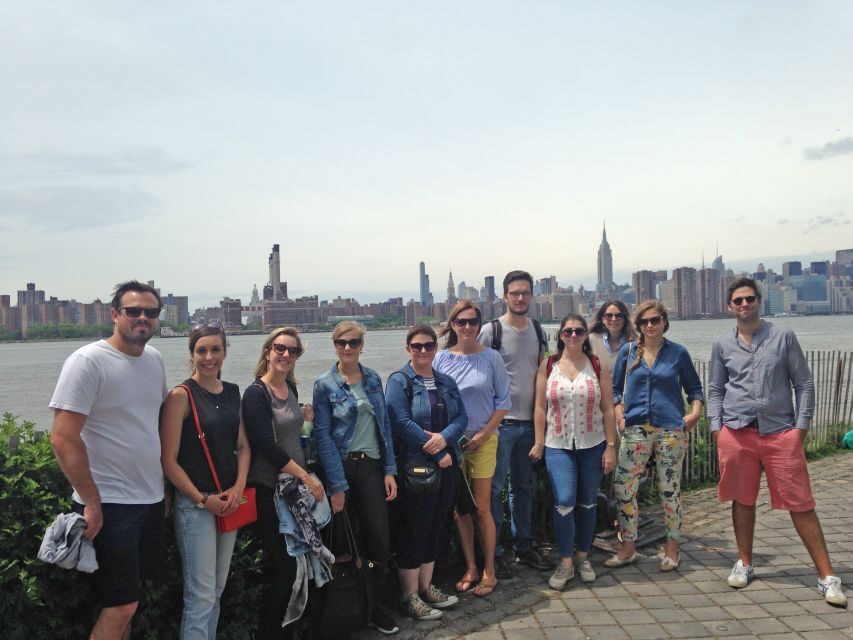
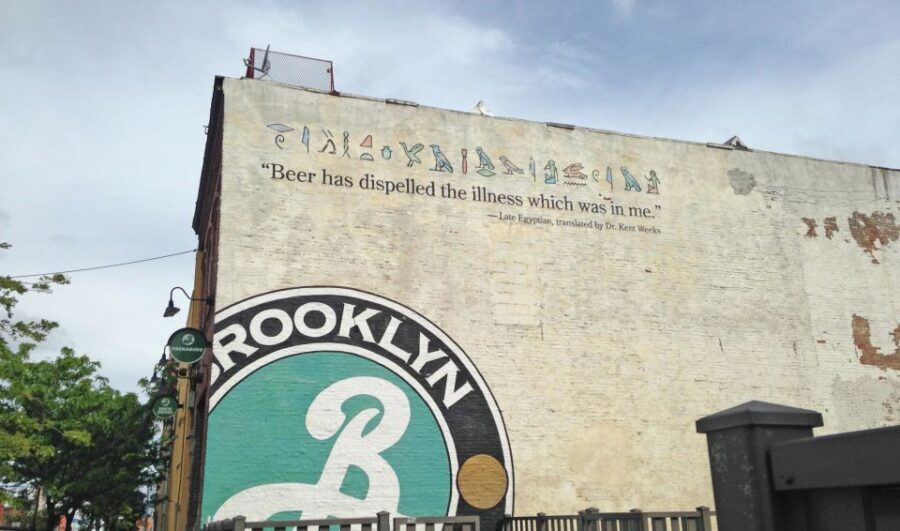
Williamsburg didn’t become Williamsburg overnight, and this tour doesn’t skip the groundwork. You’ll learn about Brooklyn’s heritage as a capital of immigration, manufacturing, and beer brewing, with the guide giving an overview of how that working history helped build the neighborhood’s character.
This part is valuable even if you only have a day or two in New York. Understanding the industrial and immigrant roots explains why so many buildings survived and why the area developed that creative edge. You stop seeing today’s Williamsburg as randomly trendy and start seeing it as historically layered.
One practical note: because the tour is designed as an overview, don’t expect a textbook. If you’re the type who wants very detailed dates and figures, this will feel like a strong starting point rather than your final stop for history.
You can also read our reviews of more tours and experiences in Brooklyn



Gentrification talk with the uncomfortable parts included
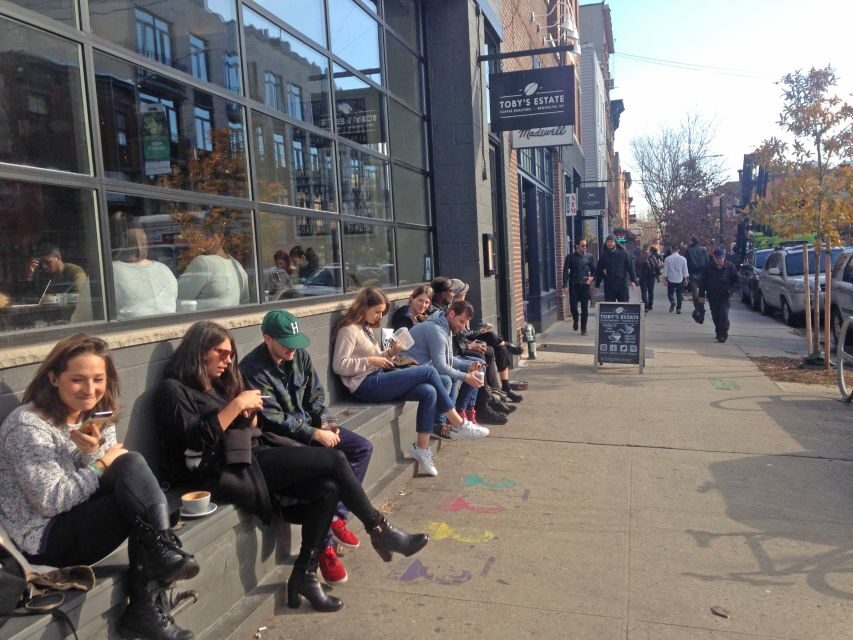
The tour doesn’t pretend change is one simple story. You’ll hear about the gentrification of Williamsburg and the controversial impact, including how culture and identity can get reshaped as new money, new branding, and new residents arrive.
This is the section where a good guide really matters. The guides behind this walk, including John and Jeff, are praised for being able to answer questions as they come up and for having a local feel for the neighborhood’s evolution. That keeps the discussion grounded, not abstract.
If you’re visiting with friends who like architecture, art, or food, this gentrification context still works. It gives you a lens for understanding why a street can look stylish and yet still feel contested.
A waterfront-and-skyline moment that rewards your effort
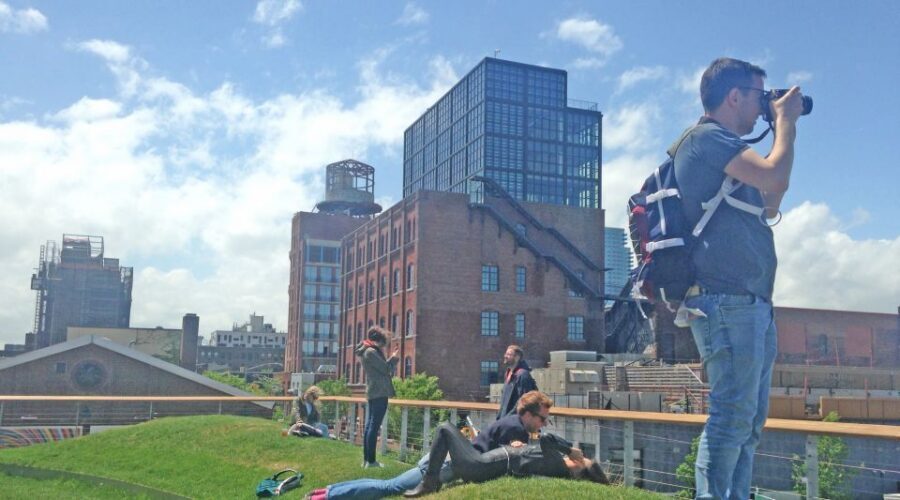
Walking for two hours in New York can get you hungry, but you’re not just hoofing it for nothing. The tour includes a one-of-a-kind view of the waterfront and the Manhattan skyline.
I like this kind of stop because it resets your eyes. After art, buildings, and history, you get a quick geographic reality check: this is New York, and the city’s scale is part of the neighborhood’s story too. It’s also a good chance to take a breath and check photos without feeling rushed.
How the guide style affects your experience
Two things tend to shape how a walking tour feels: clarity and flexibility. On this one, the guide is a key ingredient, and the experience is designed for a live, English-speaking walk.
The most positive feedback highlights that guides can go beyond the basic script. People note that John and Jeff, in particular, bring deep familiarity with the area and can answer questions on the spot. Another recurring theme is accommodation in bad weather, which matters because this tour runs rain or shine.
If you like tours that adapt to what you care about, you’re in the right place. Some guides are described as customizing to interests, which often makes the difference between feeling like a passenger versus feeling like you’re being led through a real neighborhood.
Price and value: $32 for a guided neighborhood orientation
At $32 per person for about 2 hours, this tour is priced like what it is: a neighborhood introduction. You’re paying mainly for the licensed guide and the structure of walking through a handful of meaningful streets and viewpoints, not for transport or museum-style admissions.
Here’s the trade-off. The cost gets you local context and a focused route, but it doesn’t include food, drinks, or transportation. So plan to budget for your own snack and water, and think about how this fits your day’s schedule.
For value, the best use is early in your trip. I’d treat it as your “map in human form.” After this, you’ll know what to look for when you wander on your own.
What’s not included (and why that’s not a deal-breaker)
It helps to know the boundaries so you don’t feel like the tour promised you something it can’t deliver. Food or beverages are not included, and transportation is not provided.
Also, this walk does not include the Jewish district. And while you’ll learn plenty about Williamsburg’s history and the big themes shaping it, the tour provides an overview rather than detailed historical coverage.
That can actually be a good thing. If you’re short on time, you’ll get the big picture fast. If you’re a history lover who wants deep dives, you’ll still appreciate the orientation, then decide where to go next for more specifics.
Weather reality: rain or shine, so dress like you’re walking
This tour operates rain or shine, which is good news and also the reason to plan your feet. Wear comfortable shoes suited to the day’s weather, since the experience is built around walking through real streets.
Cold or snowy days can change the feel of Williamsburg. The neighborhood can still look good, but some streets may feel quieter, and that can make the vibe less lively than what you’d expect on a clear day. If you’re visiting in colder months, bring layers and expect a steady pace.
Who should book this Best of Brooklyn: Williamsburg tour
This works especially well if you want:
- A quick, structured introduction to Williamsburg
- Street art and neighborhood storytelling in the same walk
- A guided explanation of industrial roots, beer-brewing-era influence, and immigration context
- A fair look at gentrification, including why it’s complicated
It may be less ideal if you:
- Want a very detailed, deep-dates history lesson
- Specifically want to cover the Jewish district on this trip
- Need frequent seating breaks, since the format is a continuous walking neighborhood tour
Final call: should you book this tour?
I think you should book it if you want a smart starting point for Williamsburg. The 2-hour format is long enough to feel like you understand the neighborhood, but short enough that you can still spend the rest of your day exploring on your own.
Skip it or add something else if your main goal is deep, highly specific history or if your must-see list includes the Jewish district. For everyone else, this is a strong way to get your bearings, spot the art and architecture that define Williamsburg, and come away with a clearer sense of how the past and present share the same blocks.
FAQ
Where is the meeting point for the tour?
Meet your guide in front of Black Star Bakery & Cafe, at the white storefront between North 7th Street and North 8th Street.
How long is the Brooklyn: Best of Brooklyn Walking Tour – Williamsburg?
The tour lasts about 2 hours.
What is the price per person?
The price is $32 per person.
Does the tour include food or beverages?
No. Food or beverages are not included.
Is this tour limited to Williamsburg only, or does it include the Jewish district?
This tour does not include the Jewish district.
Does the tour run in bad weather?
Yes. The tour operates rain or shine.
What language is the tour guide?
The tour guide speaks English.