REVIEW · NEW YORK CITY
NYC: Contrasts with Gospel Mass
Book on GetYourGuide →Operated by Tours VIP New York · Bookable on GetYourGuide
NYC in one day can feel impossible. This tour turns that idea into a plan, with a Spanish-speaking guide and a front-row look at gospel mass culture. I like the way it strings neighborhoods together with purpose, not just snapshots, but one thing to consider is that some stops are more photo-and-photo-context than big-ticket sights.
The best part is how the guide keeps things moving and readable—at least in some departures, the guide is Juan, and he’s praised for explaining with empathy and even helping the group nail photos at each stop. Still, gospel services can feel intense or unfamiliar if you’re not used to church rhythms, so go in ready to observe respectfully.
You’ll spend about 5 hours in a van and on foot, covering four of New York City’s five counties. If your goal is to understand how Manhattan connects to the Bronx, Queens, and Brooklyn, this is a strong value play for a short visit.
In This Review
- Key Things You’ll Notice on This Contrasts Tour
- How the Contrasts Tour Fits Together (and Why It’s Worth $89)
- Starting in Times Square, Then Landing in Harlem
- Cotton Club and Apollo Theater: Show-time buildings, not just postcard stops
- Whitestone and extra guided segments: what they usually do for you
- The Gospel Mass Stop: A Spiritual Experience You’ll Want to Handle Well
- Into the Bronx: From Movie Stairs to Stadiums and Street Art
- The Joker–style stairs and South Bronx context
- Yankee Stadium: big venue, practical time for pictures
- Deli grocery and murals: the “everyday Bronx” stops
- Queens Day: Malba, Stadium Passing, Flushing Meadows, and Roosevelt Street
- City Field and major sports landmarks from the road
- Flushing Meadows–Corona Park: Men in Black filming area
- Roosevelt Street: shops, restaurants, and the sense of “many cities”
- Little India and Brooklyn’s Ultra-Orthodox Contrast: Food Stops Without the Food Price
- Photo Opportunities and How to Work With a Spanish Guide Like Juan
- Logistics That Affect Your Day (Pace, Stops, and What Might Feel Off)
- Value Check: What You Get for $89
- Who This Tour Is Best For
- Should You Book Contrasts With VIP Tours New York?
- FAQ
- What is the duration of the Contrasts tour?
- What language is the tour guide?
- Where do you start the tour?
- How is transportation handled?
- What areas of NYC does the tour cover?
- Where can the tour end?
Key Things You’ll Notice on This Contrasts Tour
- Spanish-first guiding: everything is run in Spanish, so it’s easier to follow details without translation lag.
- Gospel mass access: you get an up-close cultural experience built around music, faith, and community.
- More than Manhattan: Harlem, the Bronx, Queens, and Brooklyn are all in the same circuit.
- Photo-stop strategy: you’ll stop repeatedly for pictures—your guide helps you get the angles.
- Two ending choices: finish in Dumbo or in Manhattan around Chinatown/Little Italy.
How the Contrasts Tour Fits Together (and Why It’s Worth $89)
This is not a slow museum parade. It’s a 5-hour, van-and-walk tour designed to show you how different New York communities share space, history, and influence—even when the street-level vibe changes fast.
At $89 per person, the value comes from three things working together: transportation, a Spanish-speaking guide, and a “do it once” experience (the gospel mass). If you’re trying to sample the city beyond the usual Manhattan highlights, the itinerary is built for efficiency without feeling like a rushed blur.
You should go in with the right mindset. Expect a mix of architecture and culture, plus photo stops at recognizable landmarks (like the Apollo Theater area and Yankee Stadium). If you only want monuments and zero culture context, you might find a few segments less compelling.
You can also read our reviews of more tours and experiences in New York City.

Starting in Times Square, Then Landing in Harlem
You meet at The Manhattan at Times Square Hotel, right at the main entrance between 51st and 52nd Streets. From there, the tour heads by van—about 20 minutes—before the day becomes more personal.
Harlem is where the tour sets the tone. You’ll get a guided introduction to the culture, ideologies, and history of the African American community, and you’ll have time for photos. This matters because Harlem isn’t just a neighborhood you pass through; it’s a lens for understanding the rest of what you’ll see later in the Bronx, Queens, and Brooklyn.
Cotton Club and Apollo Theater: Show-time buildings, not just postcard stops
The tour moves into iconic music history with the Cotton Club and the Apollo Theater area. You’ll get photo stops and guided viewing around both, which is helpful because these spots have changed over time. Without someone to connect the dots, it’s easy to miss what makes the architecture and street presence meaningful.
You also get Brownstone Houses stops for architecture and street-level charm. Brownstones in this stretch aren’t just pretty—they’re part of the visual language of Harlem’s older residential identity. If you’re the type who likes to read a neighborhood through its building style, these pauses are exactly your speed.
Whitestone and extra guided segments: what they usually do for you
After Harlem, there’s a stop at Whitestone with photo time and a guided segment. The details aren’t spelled out here, but in practice, these mid-route breaks usually do one job: they give you a view or a perspective while keeping the group moving.
You’ll also hit one or more additional guided visits along the way (the day includes extra stops beyond the marquee names). These are likely shorter “context stops,” useful for filling in the why behind the where.
The Gospel Mass Stop: A Spiritual Experience You’ll Want to Handle Well
This is the centerpiece. You’ll attend a gospel mass, described as a spiritual ritual that gives you an up-close look at African American culture.
Here’s how I’d approach it as a visitor: treat it like a real service, not a show. The singing, the call-and-response energy, and the communal intensity can feel unfamiliar at first, especially if you’ve never been inside a church-style worship setting. But if you’re open to observation—watching how people engage, listen, and respond—you’ll leave with a deeper understanding than a typical photo stop can provide.
One word of caution: the gospel mass experience can vary depending on the specific service and timing. A few people felt the mass wasn’t what they expected, so don’t book this if your main goal is only seeing famous outdoor landmarks. This is about participation through respect and attention.




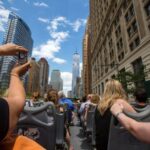
Into the Bronx: From Movie Stairs to Stadiums and Street Art
Next the tour heads to the Bronx, with a short bus segment (around 20 minutes) to get you into position. Bronx stops on this tour mix sports icons, pop culture references, and neighborhood texture.
The Joker–style stairs and South Bronx context
You’ll stop at the stairs tied to The Joker New York, then get into the South Bronx area with guided time. Even if you’re not a film superfan, movie locations can be a fast way to help you visualize how the city looks on screen—and how real-life streets carry that same grit and scale.
The value here is contrast: you’re seeing a “known” location alongside guided context that aims to explain the neighborhood beyond the camera.
Yankee Stadium: big venue, practical time for pictures
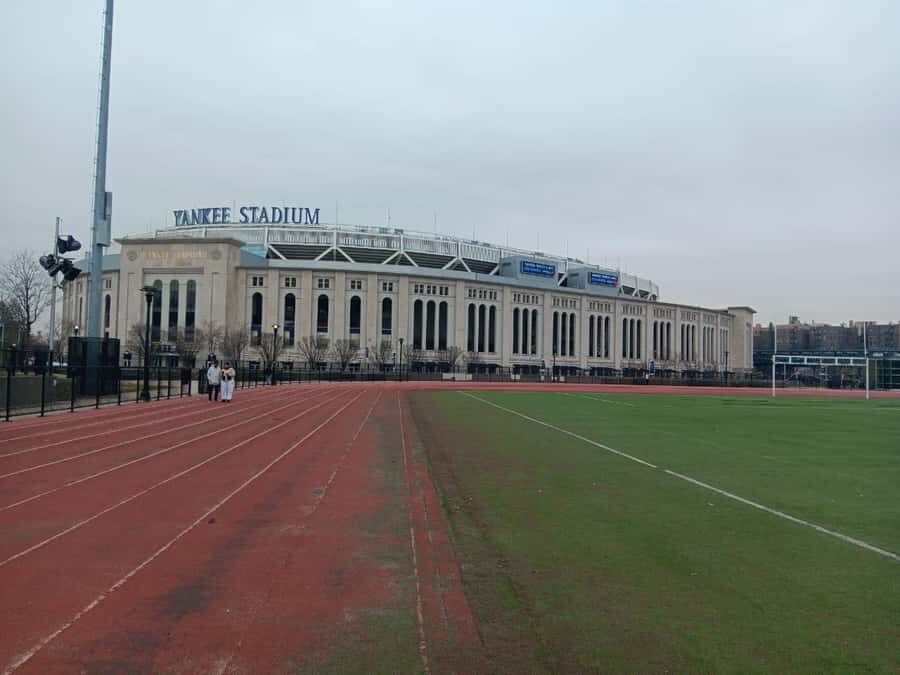
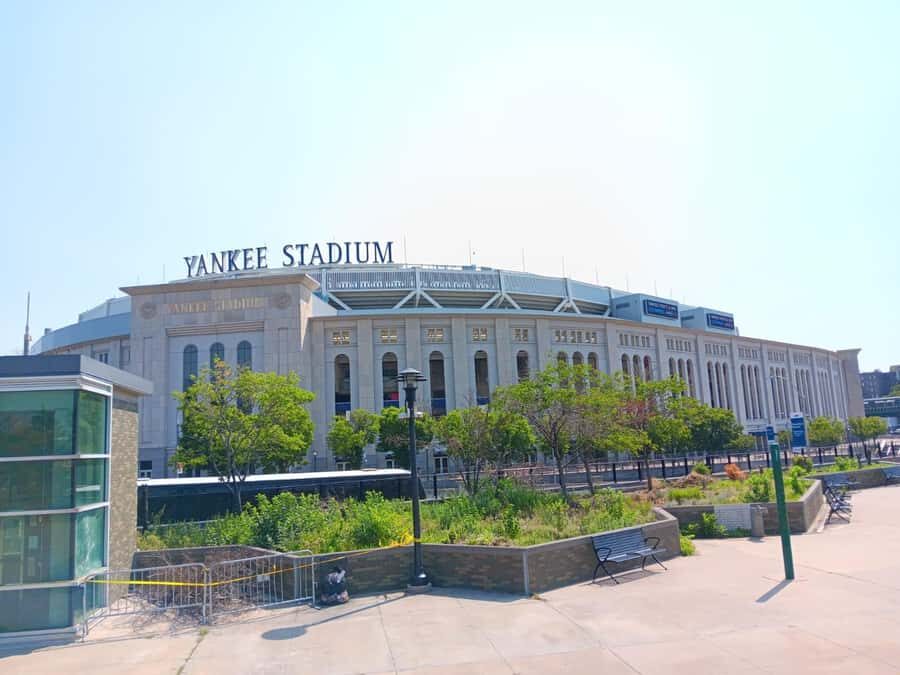
Then you’ll reach Yankee Stadium. The plan is photo stop plus guided viewing for about 20 minutes. This is a reasonable window: long enough for a few strong photos and a quick orientation, not so long that you lose the day to one single spot.
If you want more time inside or behind the scenes, this tour won’t promise that kind of access. But as a quick, guided Bronx highlight, it hits the marker.
Deli grocery and murals: the “everyday Bronx” stops
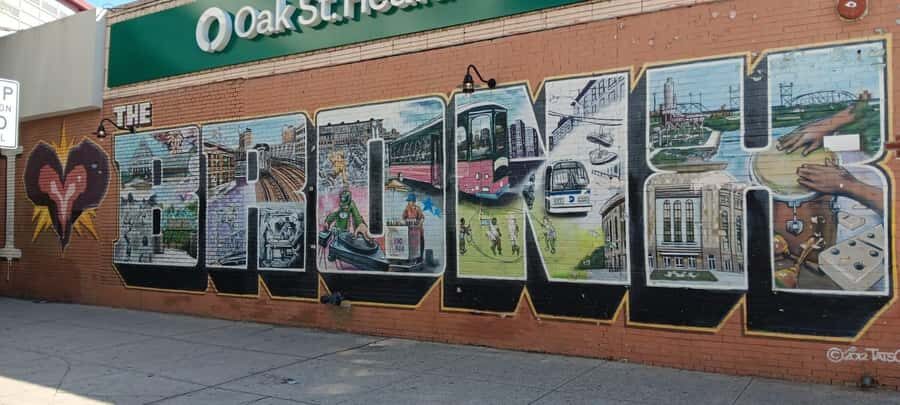
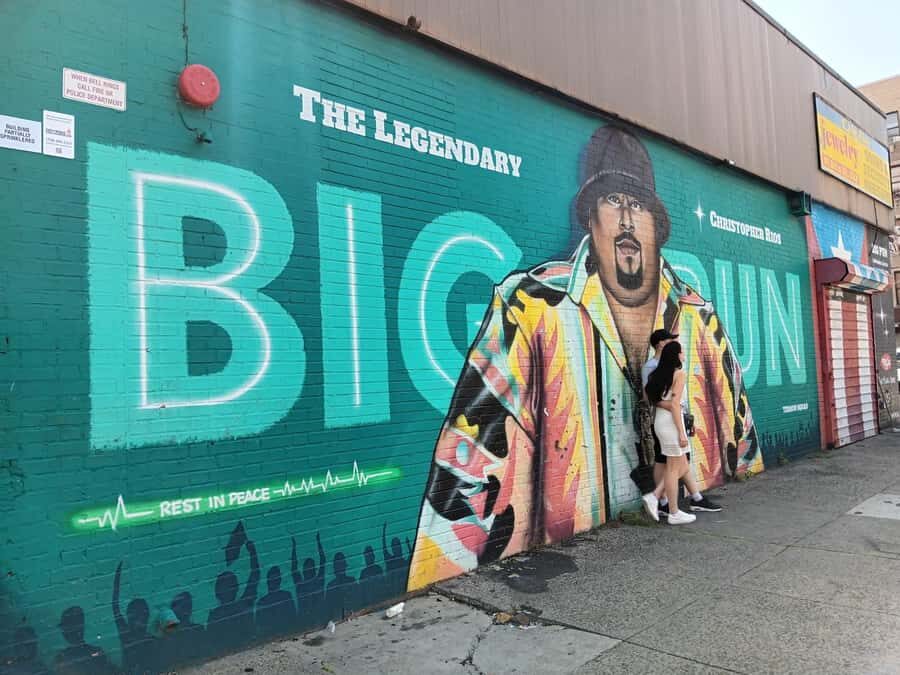
You also visit a deli grocery stop, plus the Big Pun mural and an I Love The Bronx mural. This is where the tour gets more street-level and less “celebrity landmark.”
Mural stops are especially good for first-timers because they turn the street into a language you can read. You don’t just see art—you see identity, names, local pride, and how pop culture becomes local history.
Queens Day: Malba, Stadium Passing, Flushing Meadows, and Roosevelt Street
Queens is where the tour starts changing gears again. You’ll head to Queens County, beginning in Malba, a neighborhood known for impressive mansions and a more elegant, polished feel.
This guided segment is your introduction to a different kind of New York living. It’s useful because many first-time visitors only associate NYC with the densest parts of Manhattan. Malba shows you that “New York” isn’t one uniform style.
City Field and major sports landmarks from the road
From there, the tour passes by City Field, Arthur Ashe Stadium, and Louis Angstrom Stadium, with photo and guided viewing stops. You’ll get the chance to admire the scale and the sporting presence that shapes Queens.
These are best as “passing observatory” stops. You won’t be living inside the stadiums, but you’ll understand how big-league sports sit right inside the city’s neighborhoods.
Flushing Meadows–Corona Park: Men in Black filming area
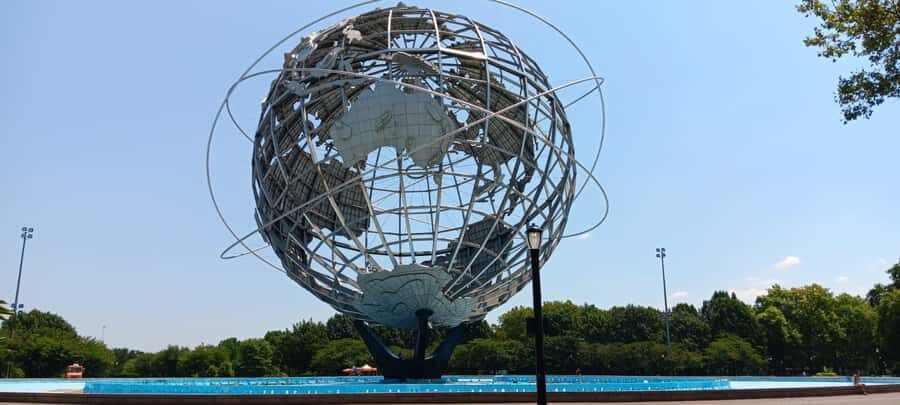
You enter Flushing Meadows–Corona Park, connected here to scenes from Men in Black. Again, the pop-culture link is a bridge. It helps you locate the park in your mind, then your guide’s context should help you see it as a real place, not just a movie backdrop.
Roosevelt Street: shops, restaurants, and the sense of “many cities”
Then comes Roosevelt Street, described as full of stores and restaurants with unmatched energy that reflects the city’s diversity. You’ll walk and move through the area with sightseeing time.
This is one of those stops where you can feel Queens in your feet: the pace, the variety of signage, and the different local rhythms. Even if you don’t buy anything, walking through the street flow is a strong way to understand the neighborhood’s personality.
Little India and Brooklyn’s Ultra-Orthodox Contrast: Food Stops Without the Food Price
The tour passes through Little India, which is built for sensory impact. You’ll take in spices, vibrant colors, and that noticeable shift in sound and smell as you move through the area.
After that, you head to Brooklyn Borough, where the ultra-Orthodox Jewish community offers a fascinating cultural contrast. The plan includes time to explore kosher stores and bakeries, with chances to sample items if you choose to purchase.
Important practical note: food and beverages aren’t included in the tour price. That means if you want to try something at the bakeries or grab a snack from a shop, budget for it separately. I like that trade-off, because you’re not forced into a fixed meal, and you can pick what fits your tastes and appetite.
Also, this is the kind of neighborhood where you’ll do best by moving calmly and following any guidance from your tour leader. When the setting is religious and community-focused, your best travel move is simple: watch first, ask only if invited, and respect what’s going on around you.
Photo Opportunities and How to Work With a Spanish Guide Like Juan
This tour has lots of photo stops, and that’s not accidental. It’s how the guide helps you remember what you saw and how to connect it later when you look back at your pictures.
In at least some departures, the Spanish guide is Juan, and people highlight his ability to help with photos—showing ideas for angles and timing. That matters because New York photo spots can be chaotic: you’re juggling background crowds, light direction, and the fact that the van won’t wait forever while you set up a perfect shot.
If you want great results:
- Treat your guide’s instructions like a shortcut.
- Tell the group leader if you have a specific photo goal (sign, skyline shot, mural close-up).
- Keep your phone ready at stops where you only get a few minutes.
Since you’ll be in Spanish, the language support is a real advantage. You won’t lose half the story because you’re reading on the fly or translating on your own.
Logistics That Affect Your Day (Pace, Stops, and What Might Feel Off)
The tour is 5 hours, starting from Times Square and ending either in Dumbo or in Chinatown and Little Italy in Manhattan. That gives you flexibility based on what you want to do next—walk across the Brooklyn Bridge area from Dumbo, or continue the day in Manhattan neighborhoods known for their food and street life.
Pace-wise, expect a mix of:
- short guided segments,
- photo stops,
- and van travel between boroughs.
One downside to keep in mind is that not every stop is a heavy hitter. If you’re hoping every single stop is a major landmark, the schedule includes some shorter “context” moments that might feel skippable—especially if you prefer purely famous sights.
And again, gospel mass is the one part with the most emotional variability. If you come in wanting a loud, theatrical performance, you might feel mismatched. If you come in curious and ready to respect the setting, it’s likely to be a highlight.
Value Check: What You Get for $89
Here’s the simplest way to judge the price: this tour bundles transportation, a Spanish-speaking guide, and a guaranteed cultural experience (gospel mass) into one package.
Many individual activities in NYC add up fast once you factor in separate bookings and transit time. The included pickup from the Times Square area (and the option to start from other points like Dumbo/Chinatown/Little Italy) makes it easier to fit the day without building your own route.
On the flip side, food isn’t included, and the tour doesn’t promise return pickup to your hotel. So if you’re traveling with heavy luggage or planning late-night activities far from your chosen ending point, you’ll want to plan how you’ll get around after the tour.
Who This Tour Is Best For
I think this tour fits best if you:
- want a first-timer day that reaches beyond Manhattan,
- prefer Spanish guidance instead of switching between languages,
- want culture context, not just famous-name photos,
- and are open-minded about experiencing a real worship service respectfully.
It’s also a good choice for travelers who love contrast: Harlem music history, Bronx street identity, Queens neighborhood variety, and Brooklyn community traditions—all in one run.
Should You Book Contrasts With VIP Tours New York?
Book it if you want a guided, Spanish-led snapshot of NYC’s borough-to-borough identity, and especially if you’re curious about gospel mass as a cultural experience. The itinerary is built to help you connect landmarks to meaning, not just check boxes.
Skip it if your idea of a great tour is only major outdoor attractions with zero variation, or if you’re not interested in church-style worship settings at all. Also, go in expecting a few shorter context stops; not every moment will feel like a museum-grade highlight.
If you match the vibe, this is a practical way to spend 5 hours and leave with a much more layered sense of New York than you’d get from a single-neighborhood walk.
FAQ
What is the duration of the Contrasts tour?
The tour lasts 5 hours.
What language is the tour guide?
The live tour guide speaks Spanish.
Where do you start the tour?
You start at The Manhattan at Times Square Hotel, at the main entrance between 51st and 52nd Streets.
How is transportation handled?
The price includes transportation as part of the tour.
What areas of NYC does the tour cover?
The tour is designed to show you four of the five counties of New York City, starting in Harlem, then going to the Bronx and Queens, and finishing in Brooklyn and/or back in Manhattan depending on your ending choice.
Where can the tour end?
You can end in Dumbo (to cross the Brooklyn Bridge area) or in Chinatown and Little Italy in Manhattan.