REVIEW · NEW YORK CITY
NYC: Contrasts Tour of Harlem, The Bronx, Queens & Brooklyn
Book on GetYourGuide →Operated by Interviajes NY · Bookable on GetYourGuide
Four boroughs, one story. This tour is built around New York contrasts: big-name landmarks, neighborhood history, and street art you’d never pick out on your own. I especially like the Harlem-to-Bronx arc, then the shift to Queens multicultural life.
I like two things a lot: the guided stops at film-famous places like the Joker stairs and the Fort Apache 42nd Precinct, and the way the day ends with options that match your mood. You can go out in DUMBO (bridge views and old-school slices) or swing into Chinatown and Little Italy for food after the tour.
One drawback to plan for: it’s not a slow sit-down tour. Expect walking, photo stops, and uneven sidewalks, and it’s not suitable for wheelchair users or people with mobility impairments.
In This Review
- Key highlights to pay attention to
- Why this Contrasts Tour is a smart first-day move
- From Times Square up the Hudson: Harlem’s music landmarks
- What to watch for in Harlem
- The Bronx in one camera roll: Joker stairs, Yankee Stadium, and Fort Apache
- Fort Apache: where TV mythology meets the street
- Possible downside in the Bronx portion
- South Bronx street art: Big Pun mural and the I Love the Bronx sign
- How to make this part feel worth it
- Queens: MALBA and Flushing Meadows Corona Park’s big-city markers
- Flushing Meadows Corona Park: movie-meets-sports reality
- The Queens experience beyond the big signs
- Williamsburg, Brooklyn: the Jewish Quarter as a real contrast
- Who this Williamsburg stop is best for
- Ending choices: DUMBO bridge photos or Chinatown and Little Italy
- Option A: DUMBO (plus Brooklyn Bridge walking)
- Option B: Chinatown and Little Italy
- My practical advice on picking an ending
- What the $39 price buys you (and what it doesn’t)
- Is it good value versus doing it on your own?
- Pacing, comfort, and practical tips for a smooth day
- Should you book this Harlem, The Bronx, Queens & Brooklyn tour?
- FAQ
- How long is the NYC Contrasts Tour of Harlem, The Bronx, Queens & Brooklyn?
- Where does the tour start and where is the meeting point?
- Does the price include food and drinks?
- What languages are offered for the live guide?
- Can I choose where the tour ends?
- Is the tour suitable if I use a wheelchair or have mobility issues?
Key highlights to pay attention to
- Film-location photo stops that make the day feel like a movie map
- Bronx street-art storytelling tied to real people and real neighborhoods
- Flushing Meadows Corona Park landmarks seen in Man in Black I and more
- Queens multicultural neighborhoods built on immigration and daily life
- Williamsburg’s Jewish Quarter visit as a sharp contrast to nearby “trendy” zones
- Two smart ending points: DUMBO or Chinatown/Little Italy
Why this Contrasts Tour is a smart first-day move
If New York feels like a blur of skyscrapers, this is a clean way to rebalance your picture. You’ll get out of Manhattan proper and ride through four boroughs with a guide calling out what you’re seeing and why it matters.
I like that the day has a clear structure. You start by heading north from Times Square, then you layer the neighborhoods in the order that helps your brain connect the dots: Harlem’s performance history, the Bronx’s street-art identity, Queens as a global mixing bowl, and Brooklyn’s Williamsburg as a culture shift.
This also gives you something practical: a pre-built plan for where to stop for photos and quick breaks. When you’re short on time, that’s worth real money, even if you could technically ride the subway lines on your own.
You can also read our reviews of more tours and experiences in New York City.



From Times Square up the Hudson: Harlem’s music landmarks

The tour kicks off around the Manhattan Hotel area in Times Square, then you move north along the Hudson River. Right away, the route matters because you’re not just going “north on a map.” You’re getting a feel for how the city changes as you climb out of the tourist core.
In Harlem, the stops are built around iconic music names—big, recognizable anchors like the Cotton Club and Apollo Theater. You’ll pass by both, then continue into the Bronx. This is the part where the guide’s job is hardest, and it’s also where the tour often lands for first-timers: turning famous names into neighborhood context you can actually picture.
What to watch for in Harlem
- You’re mostly on the bus for the landmark moments, so bring your camera ready for quick windows and street-level views.
- The value here is the explanations linking culture to specific blocks and eras, not just sight-seeing.
The Bronx in one camera roll: Joker stairs, Yankee Stadium, and Fort Apache
Then the tour shifts from vibe to visual storytelling. The Bronx segment is packed with stops that feel like they belong on a film-location checklist, but the guide’s angle keeps it from turning into trivia.
First, you’ll visit the steps from the movie Joker. There’s a dedicated photo-and-walk moment here, so plan on spending real minutes on your feet, not just snapping one picture and sprinting back to the curb.
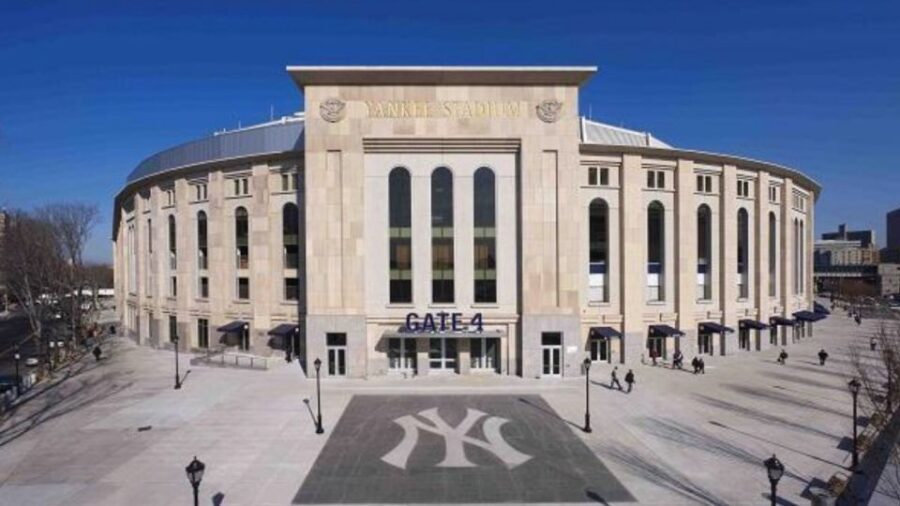
Next comes Yankee Stadium for photos and free time. It’s short, but that’s the point in a multi-borough format—you get the landmark moment without eating up half your day. After that, the tour builds in a bathroom and photo break, which is honestly the kind of detail that keeps a long day from getting annoying.
Fort Apache: where TV mythology meets the street
One of the most interesting stops is the 42nd Precinct building, known from Fort Apache. You’ll walk in for a guided stop, which adds something you won’t get from just driving by: you’re seeing a specific place tied to popular media and then hearing how it connects to the reality of the area.
From there, the tour continues deeper into the South Bronx for the street art.




Possible downside in the Bronx portion
Because the day is moving, you might feel like you’re seeing a highlight reel. If you’re hoping for long, slow exploration of one single neighborhood, this isn’t that format. It’s built for breadth and meaning, not depth.
South Bronx street art: Big Pun mural and the I Love the Bronx sign
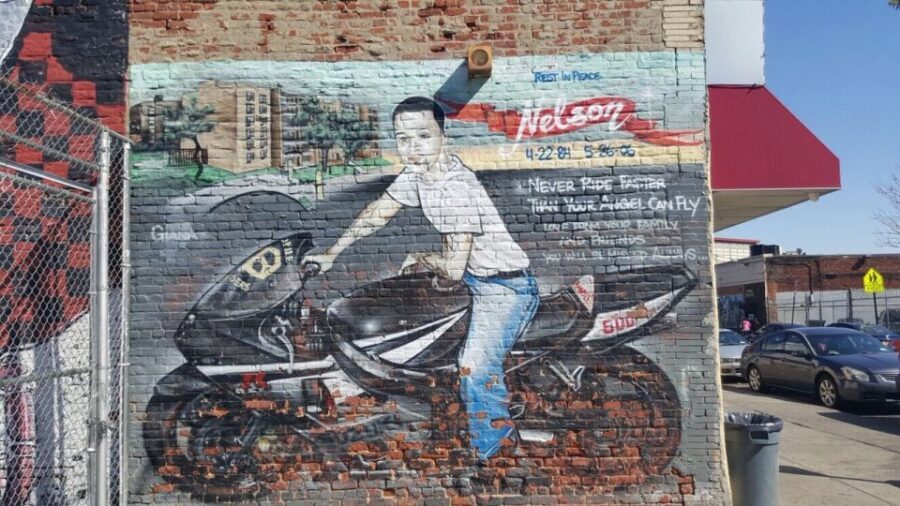
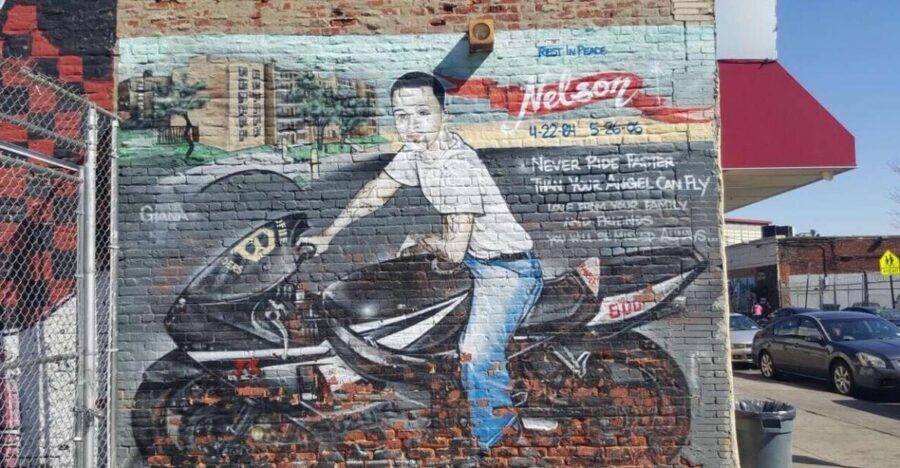
This is where the tour earns its name in a very literal way: the murals aren’t just decorations. They’re community signals—who someone is, what someone remembers, and what the block wants to say to the rest of the city.
You’ll spend time stopping for photos around the graffiti art in the South Bronx, with guided stories tied to famous pieces. One highlight is the mural dedicated to rapper Christopher Rios, known as Big Pun. You’ll get a break time that includes coffee and free time, plus a photo stop that’s long enough to get the shot you want.
Then you’ll also stop for the I Love the Bronx mural, created in 1970. The tour’s approach here is what I value most: the guide connects the artwork to the time period and to how Bronx identity gets expressed on walls.
How to make this part feel worth it
- Wear comfortable shoes and expect to stand for photos.
- Don’t rush your pictures. The best murals are the ones you look at for a few extra seconds after the camera clicks.
Queens: MALBA and Flushing Meadows Corona Park’s big-city markers
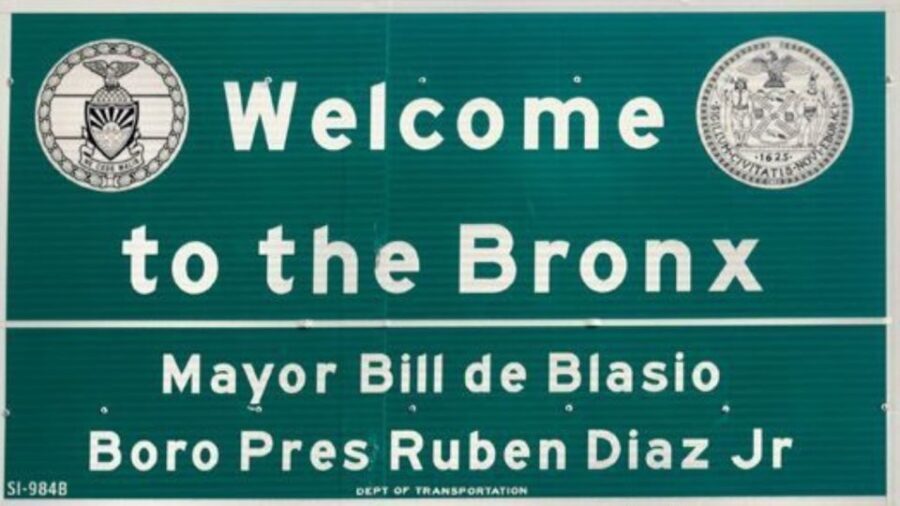
Queens is where the day changes gear. Harlem and the Bronx can feel like concentrated stories. Queens is different: it’s daily life at multiple scales, and the tour reflects that.
After leaving the Bronx, you cross the Whitestone Bridge and head to MALBA. This is described as a neighborhood that developed for wealthy boaters and fishermen, and you’ll see that reflected in the mansion-like homes. It’s a quick pass-by, but it helps you understand that Queens doesn’t fit one stereotype. It’s built from many chapters.
Flushing Meadows Corona Park: movie-meets-sports reality
At Flushing Meadows Corona Park, you’ll get photo stops and free time around major landmarks. The park is also tied to Man in Black I, and that gives you a fun thread to follow while you look around.
You’ll pass or see major sports and event venues, including the Mets’ stadium and the USTA Billie Jean King National Tennis Center. There’s also time at the Unisphere, with a dedicated photo moment.
The Queens experience beyond the big signs
You’ll also get a guided tour moment through Queens where immigration and culture are central. The tour describes the borough as the most multicultural city in the world, and the feel you’re meant to take away is simple: you’re surrounded by shops and restaurants that mirror people’s backgrounds, not just tourist storefronts.
Williamsburg, Brooklyn: the Jewish Quarter as a real contrast
Next up is Brooklyn, specifically Williamsburg. The stop is shorter than Queens, but it’s placed like a breather between big landmarks and food-focused neighborhoods.
You’ll visit the Jewish Quarter in Williamsburg, and the tour frames it as a contrast to the trendier areas made famous by film and television. That contrast is the whole point. You’re not just collecting neighborhoods—you’re seeing how communities keep their own identity even as the city changes around them.
There’s a photo stop plus a guided visit and free time, which gives you a chance to look at streetscapes without feeling rushed.
Who this Williamsburg stop is best for
If you like culture you can sense in daily rhythms—shops, signage, and neighborhood life—this stop will feel like a payoff.
Ending choices: DUMBO bridge photos or Chinatown and Little Italy
At the end, you get two drop-off options, and both are practical.
Option A: DUMBO (plus Brooklyn Bridge walking)
In DUMBO, you can grab that classic Manhattan Bridge photo between buildings. The area is also your springboard for eating and for walking. The tour highlights spots like Time Out for a good price and Grimaldi’s, described as the oldest pizzeria in Brooklyn.
If you want views, you can walk across the Brooklyn Bridge into Manhattan and enjoy panoramic sights, with the Statue of Liberty in the background.
Option B: Chinatown and Little Italy
The alternative is continuing across the Manhattan Bridge to Chinatown and Little Italy, where the tour points you toward some of the best Italian food in New York. This ending works well if your goal is to turn the last hour into dinner plans instead of more photos.
My practical advice on picking an ending
- Pick DUMBO if you want skyline photos and an easy path to the Statue of Liberty view.
- Pick Chinatown/Little Italy if your schedule is tight and you want food right away.
What the $39 price buys you (and what it doesn’t)
For $39 per person over about 4.5 hours, you’re paying for logistics and interpretation more than for museum admissions. The tour includes a professional guide, an air-conditioned vehicle, multiple neighborhood stops for photos, and taxes.
That’s the value angle I’d focus on: this isn’t just transportation. The guide is what connects each place to the bigger story—Harlem’s performance history, the Bronx’s film locations, and the mural meaning in South Bronx.
What’s not included is simple: food and drinks. So if you think you’ll buy lunch during the tour, plan on bringing money for meals or grabbing something after you finish.
Is it good value versus doing it on your own?
If you’re trying to cover Harlem, the Bronx, Queens, and Brooklyn in one day, doing it yourself can become a time-sink. You’d need multiple transfers, and you’d still be missing the story thread that makes the stops click. For many people, that’s where the $39 feels fair.
Pacing, comfort, and practical tips for a smooth day
This is a long ride day with several photo-and-walk moments. Even with air-conditioned vehicle comfort, you’ll be outside at stops. The tour can also be modified if parades, traffic, or the New York City Marathon changes the route, so keep your expectations flexible.
Here’s how to set yourself up for a calmer experience:
- Wear comfortable shoes. You’re walking at the Joker stairs area and around some stops.
- Bring an ID card (a copy is accepted).
- Travel light. No pets and no luggage or large bags are allowed.
- If you’re planning a hotel pickup, know that it’s optional and limited to Midtown Manhattan hotels. After reserving, you need to contact the operator to set your pickup location.
One more practical note: this tour is not designed for wheelchair users or people with mobility impairments. If that’s you or someone in your group, you’ll want a different format.
Should you book this Harlem, The Bronx, Queens & Brooklyn tour?
Book it if you want a fast, story-driven way to see four boroughs without building a route yourself. I’d especially recommend it if:
- you’re visiting for the first time and want context, not just photos
- you love film-location details but also want the neighborhood meaning behind them
- you want an ending choice that helps you turn the day into plans for dinner and exploring
Skip it if you need long stays in one place, or if walking and quick stops will be hard for your group.
If you want my simplest take: this tour is best for people who like structure, strong storytelling, and getting out of Manhattan long enough to understand what makes New York feel like a city of contrasts.
FAQ
How long is the NYC Contrasts Tour of Harlem, The Bronx, Queens & Brooklyn?
It lasts about 270 minutes, or roughly 4.5 hours. Starting times depend on availability.
Where does the tour start and where is the meeting point?
The meeting point can vary depending on the option booked. The tour also boards at the Manhattan Hotel at Times Square.
Does the price include food and drinks?
No. The tour includes the guide, air-conditioned vehicle, neighborhood stops for pictures, and taxes, but food and drinks are not included.
What languages are offered for the live guide?
The live tour guide operates in English and Spanish.
Can I choose where the tour ends?
Yes. You can end in DUMBO or in Chinatown and Little Italy. The drop-off location matches your choice.
Is the tour suitable if I use a wheelchair or have mobility issues?
No. The tour is not suitable for people with mobility impairments or wheelchair users.