REVIEW · NEW YORK CITY
NYC: Express Highlights Tour of the MET Museum
Book on GetYourGuide →Operated by Walks - US · Bookable on GetYourGuide
The Met can feel like a museum marathon.
This 2-hour highlights tour turns the chaos into a focused route, with priority access so you spend less time in queues and more time looking closely. I like the small group cap (15 max) because it keeps the energy personal, and I love the way the guide uses stories to connect art to real human moments. One drawback to plan for: it’s fast, so if you want to linger in one gallery, you’ll have to come back later on your own.
This tour is built for people who love art but don’t love getting lost. You’ll jump across major areas that cover thousands of years, from ancient Egypt to European painting and sculpture. Expect a lively, practical guide who helps you see what matters instead of just pointing at labels.
In the big sweep, you’ll get stops like the Temple of Dendur and Egyptian tomb-related highlights, plus iconic European names like Van Gogh and Monet (and other masters). The route can shift if a gallery is closed or unavailable, so you’re not stuck staring at empty walls while waiting for your planned moment.
In This Review
- Key highlights worth your time
- Getting into the Met fast: priority access and a 15-person cap
- Your first look inside: how the guide helps you find the right Met
- Temple of Dendur and Egyptian tomb stories in a short sprint
- Greek sculpture and the art of seeing form
- European masters you’ll recognize: Van Gogh, Monet, and more
- Pace, closures, and walking comfort: what to plan for
- What $69 buys you (and what you still handle yourself)
- Small “extras” that make the tour feel personal
- Who this Met Express highlights tour fits best
- Should you book this Met Express highlights tour?
Key highlights worth your time
- Priority access to skip the ticket line so you start fast
- 15 guests max for questions, pace control, and a calmer experience
- Temple of Dendur and Egyptian tomb stories (including why pieces are in New York)
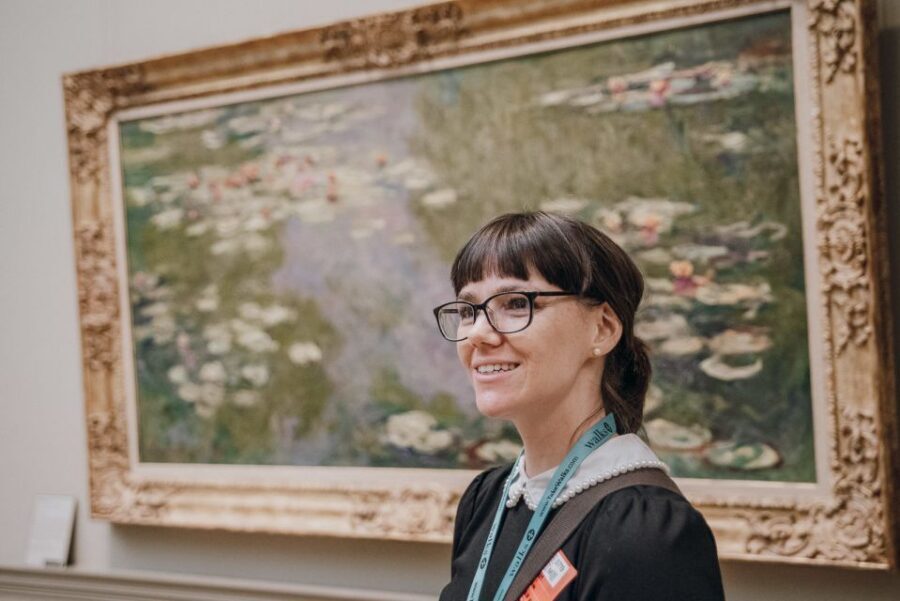
- European masterpieces by Van Gogh, Monet, and more in a quick, high-impact run
- Guide-led storytelling and “museum gossip” that explains why art looks the way it does
Getting into the Met fast: priority access and a 15-person cap
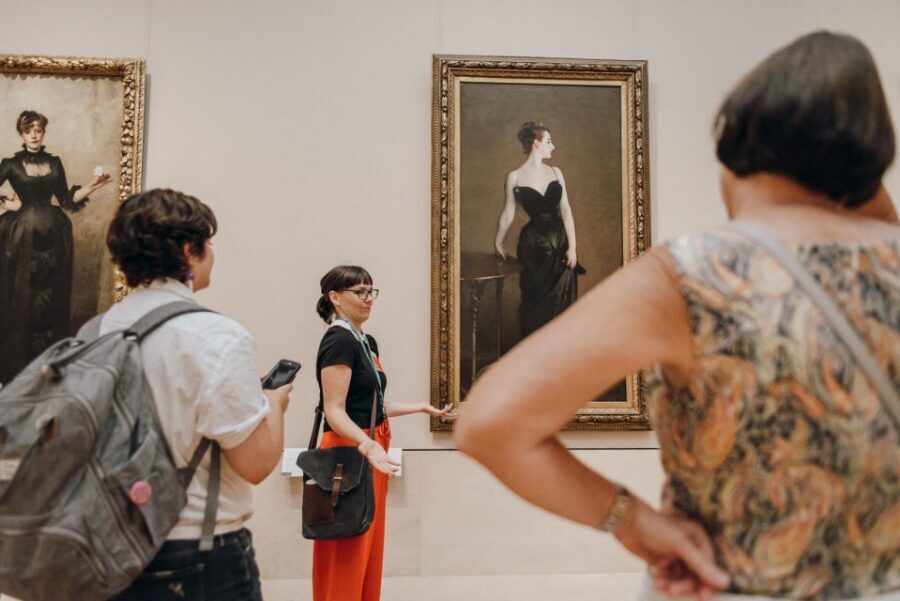
If you’ve ever gone to the Met without a plan, you already know the problem: the museum is so huge that “exploring” can turn into wandering. This tour is the opposite. You get skip-the-line priority, which matters because waiting outside while everyone else is already inside is the fastest way to lose your momentum.
The group size is the other big win. With 15 people max, you’re not shuffled around like a numbered seat on a bus. The guide can slow down for questions, keep the group together, and adjust the order based on what people want to see most. In the best cases, the tour feels like a smart conversation with stops, not a lecture with footnotes.
It’s also short: two hours. That’s the magic number for a first look, but it’s also why this works as an introduction, not a replacement for a full day in the galleries.
You can also read our reviews of more museum experiences in New York City



Your first look inside: how the guide helps you find the right Met

The best part of a highlights tour isn’t seeing the biggest famous works. It’s learning how to see the museum. In this experience, the guide doesn’t treat the Met like a checklist. They help you understand what you’re looking at, what details to notice, and how to move through the museum without burning time.
You’ll feel that especially if it’s your first visit. The guide typically points out the high-value areas so you know where to return later. And if you’ve been before, this still helps because you get new context: why an object was made, what it signals, and what you should compare it with in the museum.
There’s also a practical benefit: when you’re spending only two hours, you need a route that avoids dead ends. This tour’s design does that by focusing on strong “hit” locations while keeping the walking manageable at a moderate pace.
Temple of Dendur and Egyptian tomb stories in a short sprint
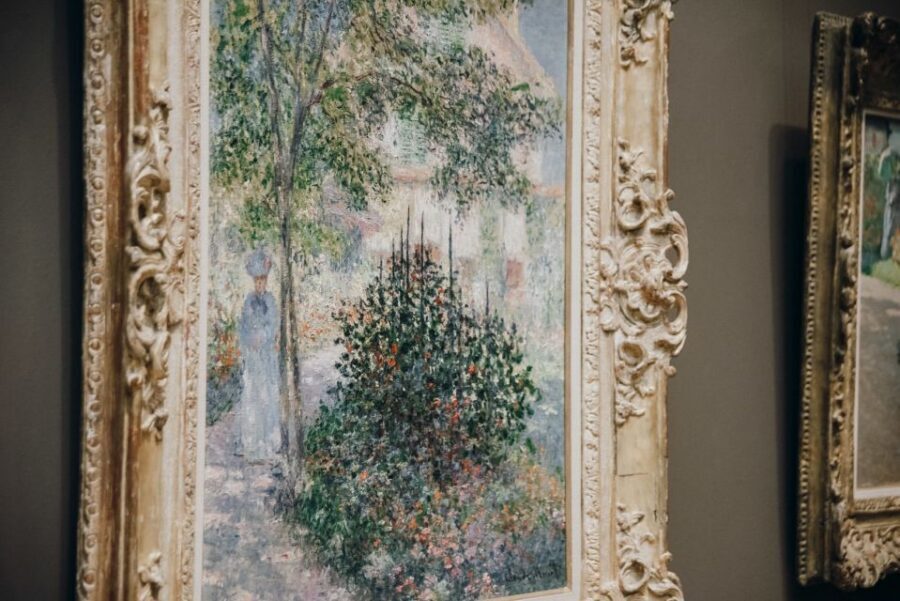
Ancient Egypt at the Met is one of those experiences that can either wow you or overwhelm you. A two-hour window means you need a guide who can translate big ideas quickly and keep the details meaningful.
You’ll spend time around Egyptian highlights, including the Temple of Dendur. The temple itself is dramatic in scale and atmosphere, and it’s the kind of installation that changes how you experience the room around it. The guide adds the key context you’d miss if you just read a label. Stories like why an Egyptian temple or artifacts ended up in New York show up in the commentary here, which makes the space feel less like a display and more like a chapter in history that’s still being negotiated.
You’ll also hear about tomb-linked material and the wider world behind it. That matters because Egypt in museums can be easy to treat as costumes and symbols. With the right framing, you start noticing how objects relate to beliefs, power, and everyday human concerns like memory, status, and the afterlife.
One more thing I appreciate: guides often slow down at the most important views. Even in a fast tour, this stops being just “look and move.” It turns into “look and understand why this matters.”
Greek sculpture and the art of seeing form
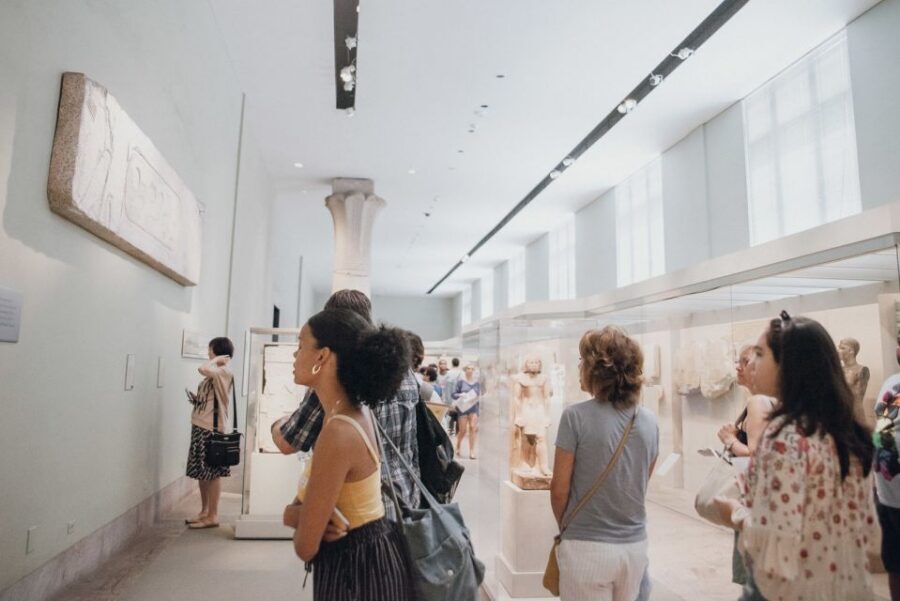
Egypt gets the headline, but the tour doesn’t ignore the rest of the museum’s major strengths. You’ll also catch key moments that point you toward how the Met thinks about classical art—especially Greek sculpture.
When time is tight, it’s easy to miss what makes sculpture special: not just the subject, but the sense of balance, posture, and design. A good guide helps you look for those cues in a way that makes the form feel alive. Even if you’re not a sculpture person, the guided comparisons help you notice things quickly, like how expression is carried through posture and facial structure.
This is one reason the two-hour structure works. You don’t have to master everything. You just need to learn what to look for in the next room on your own.
European masters you’ll recognize: Van Gogh, Monet, and more
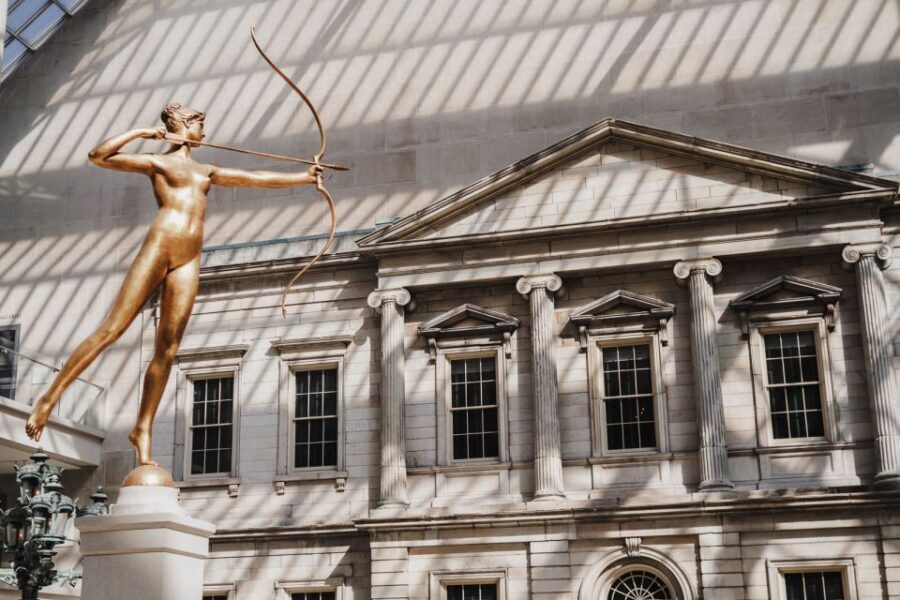
Here’s the payoff for most people: seeing big European names without spending half your day hunting them down. This tour is designed to land you at major stops like Van Gogh and Monet, plus other well-known figures depending on what’s available.
The tour’s storytelling approach is what elevates these famous works above a quick glance. The guide isn’t just reciting dates. They help you connect brushwork, composition, and mood to what’s going on with the artist and the world they lived in. That kind of explanation can change how a painting hits you. Suddenly you’re not just thinking, That’s pretty. You’re thinking, Why does it look like that, and what is the artist doing?
You’ll also hear technical or observational tips that make the works feel less distant. Even if your art knowledge is limited to museum posters, you’ll leave understanding how to look again on your own.
And yes, there’s a bonus in the way the tour teaches attention: you’ll likely find yourself spotting similarities and differences between works more than you did before. That’s the real value of a highlights route. It gives you tools.






Pace, closures, and walking comfort: what to plan for
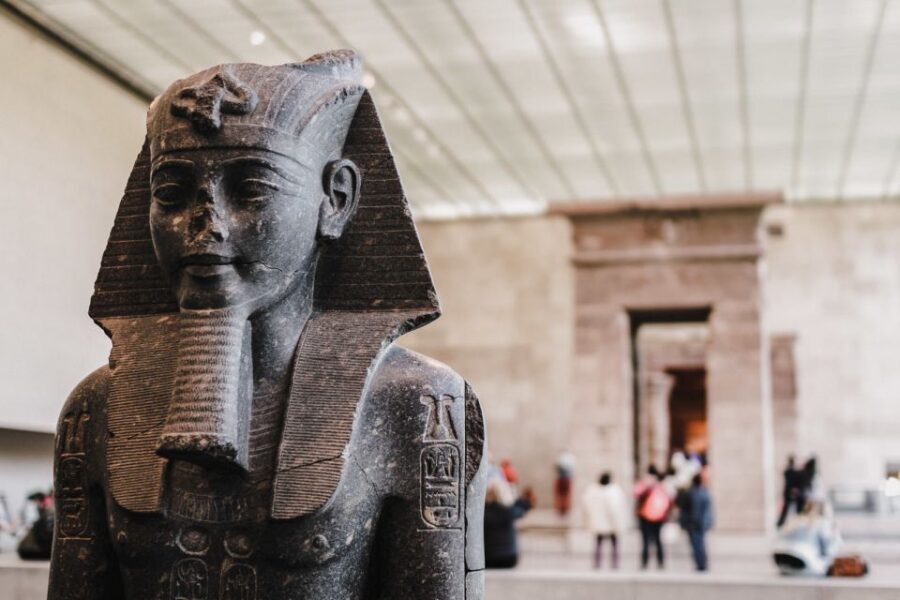
This is a walking tour at a moderate pace, and that pacing is part of the deal. Two hours inside a museum like the Met means you’ll cover ground quickly. It’s not for people who need frequent long rests, and it’s not the right choice if you want slow, quiet time in one favorite gallery.
There’s also a reality check: galleries and artwork can be subject to closure and absence. The guide may need to modify the route on the day. That’s usually fine if you expect it. You still get the highlights experience, just through the best available path.
As for comfort, the tour can be very doable if you wear sensible shoes and accept that you’ll be moving. One practical note from the experience style: the guide’s voice clarity matters. Several guides in the program earned praise for being easy to hear, including during tours with older participants. That’s a genuine quality signal for this kind of fast, story-based tour.
If you’re the type who wants a longer museum visit, you can treat this as the opener and plan extra time after. The tour often points you toward what to tackle next.
What $69 buys you (and what you still handle yourself)
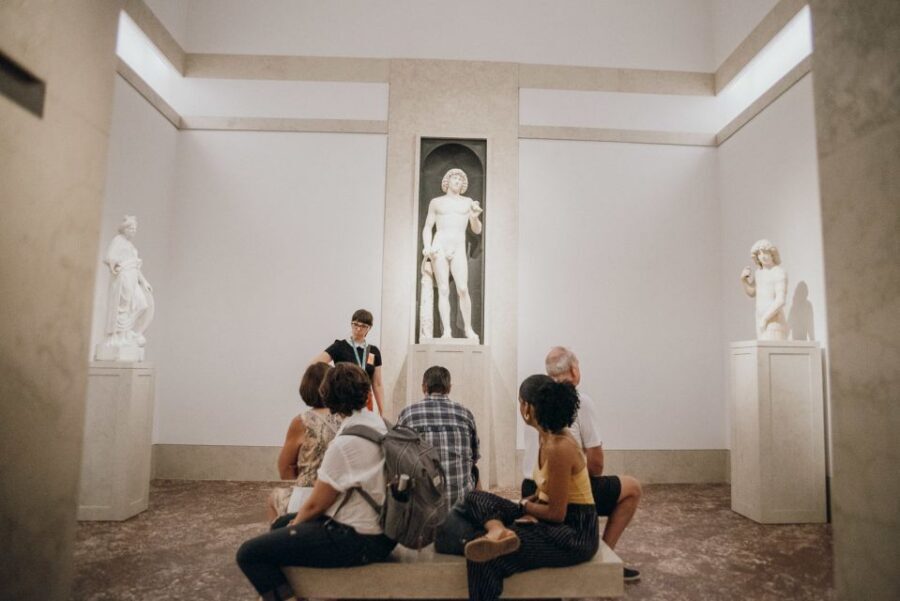
At $69 per person for a 2-hour experience, the value comes from three things bundled together:
- Museum admission is included, with the ticket set up in advance (donation included).
- Priority access reduces the biggest time sink: waiting.
- You get a live guide who helps you choose where to look and how to understand what you’re seeing.
What’s not included is food and drinks, and there’s no hotel pickup. So you’ll want to budget time to eat on your own either before or after the tour.
To make it feel worth every dollar, I suggest this mindset: don’t try to absorb every artwork. Use the tour to learn the museum’s map and the themes behind the major collections. Then let your follow-up time be based on what hooked you during the two hours.
Small “extras” that make the tour feel personal
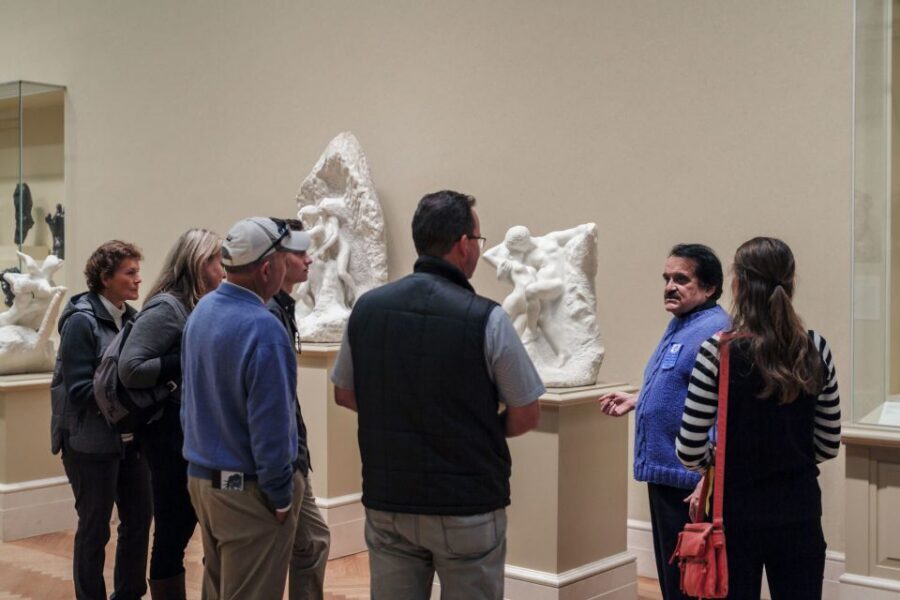
The Met is big, so personalization is rare unless someone designs for it. This tour does, and you’ll notice it in how guides adapt.
You might see the guide tailoring stops based on the group’s interests. For example, one guide-style approach included a detour to a special music-related object after learning about a visitor’s musician connection. That’s the kind of extra care that turns a highlights run into a more memorable visit.
You may also get help with what to do next. Several guides are praised for pointing people toward where to go after the tour, including helping with lunch plans or navigation toward other museum sections.
And if you like the idea of capturing the day, there’s at least one example of a guide taking photos of each couple or person during the tour. Not every guide may do that, but it shows the range of how they treat the experience.
Who this Met Express highlights tour fits best
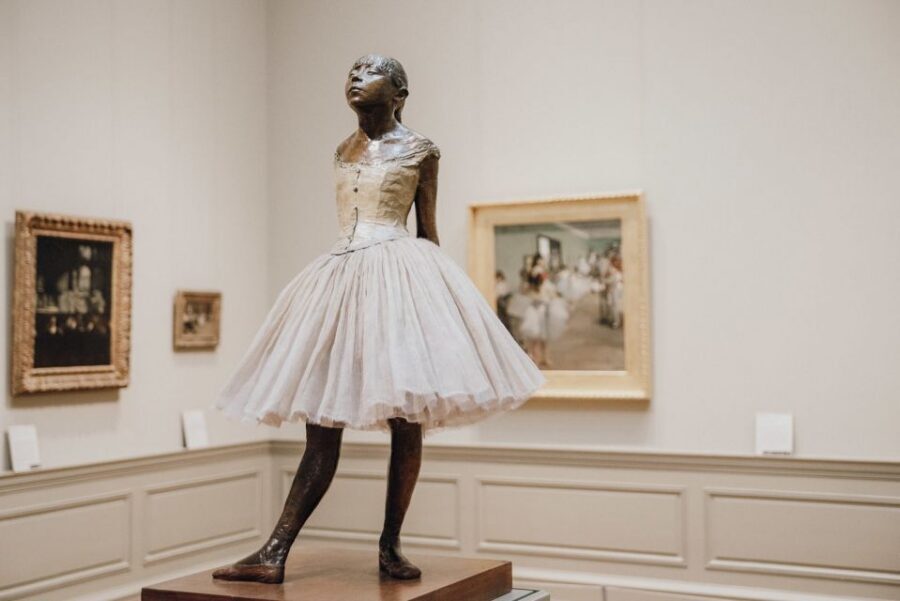
This is a great choice if:
- You’re visiting the Met for the first time and want a fast introduction to the biggest strengths.
- You don’t want to waste time guessing where to start.
- You prefer story-driven looking rather than reading labels alone.
- You’re traveling with kids or teens and want the route to stay engaging while still covering major art.
It’s also a strong option if you’ve been to the Met before and want a fresh lens. The guide’s analysis and artist context can make familiar works feel newly relevant.
You might skip it if:
- You want to sit with art for long stretches.
- You expect a relaxed, no-rush museum day.
- You have limited mobility and can’t manage a walking, moderate-paced route (even though the tour is wheelchair accessible with specific entry instructions).
Should you book this Met Express highlights tour?
I’d book it if your goal is to leave the Met with a clear sense of what it contains and where to go next. The priority access helps, the group size keeps it humane, and the two-hour format respects your time.
If you only have one museum day in New York and you’re worried about missing the best parts, this tour is a smart first step. If you’re the kind of person who will naturally return to the Met anyway, treat this as the kickoff: it shows you the strongest anchor works, teaches you what to look for, and helps you build a better plan for your next visit.