REVIEW · NEW YORK CITY
NYC: Museum of Arts and Design
Book on GetYourGuide →Operated by Museum of Arts and Design · Bookable on GetYourGuide
Art and design, up close.
The Museum of Arts and Design (MAD) is a smart pick for a one-day NYC break because it treats design like something you can read, touch with your eyes, and connect to real life. I love the way the museum focuses on handmade process and the creative thinking behind what you see. You’re also in a great location near Columbus Circle, so you can fold MAD into a bigger day that includes Central Park or Times Square.
Two things I really like: the rotating spotlight on artists and designers who challenge norms, and the museum’s strong focus on objects you can understand visually, from materials to craft choices. If you catch The Mad MAD World of Jonathan Adler, you’ll see more than 60 works from the museum’s permanent collection alongside Adler’s own iconic designs. And if Douriean Fletcher: Jewelry of the Afrofuture is on, plan on spending real time with 75 handmade pieces that trace Fletcher’s path from self-taught metalsmith to influential designer tied to major film work.
One possible drawback: the museum’s experience can feel a bit like mini-circuits rather than a perfectly linear walk. If you prefer a clear step-by-step flow, you’ll want to plan a route (and use the MAD Mobile Guide) so you don’t feel like you’re bouncing room to room.
In This Review
- Key things to know before you go
- MAD at Columbus Circle: where design meets real city energy
- Tickets, small groups, and a simple one-day game plan
- A practical route (so you don’t waste time)
- Use the MAD Mobile Guide to connect the dots fast
- Exhibitions that rethink society and craft: Adler, Afrofuture jewelry, and Designing Motherhood
- The Mad MAD World of Jonathan Adler
- Douriean Fletcher: Jewelry of the Afrofuture
- Designing Motherhood: Things that Make and Break Our Births
- If a Barbie-focused exhibition is on
- About pacing and flow
- MAD Artist Studios: watch work in progress (and ask questions if the timing works)
- Robert Restaurant on the ninth floor and the MAD Store for gifts
- Who this MAD visit is best for (and who might want another plan)
- Should you book this MAD visit?
- FAQ
- How long is the Museum of Arts and Design experience?
- What is the price for the Museum of Arts and Design?
- Is the experience wheelchair accessible?
- What’s the maximum group size?
- Are food and drinks allowed?
- When are the Artist Studios open?
Key things to know before you go

- Columbus Circle location: you’re steps from Central Park and not far from Times Square, so MAD slots easily into an all-day NYC plan
- Mobile learning with the MAD Mobile Guide: you can learn what you’re looking at, without guessing
- Exhibitions that mix art, design, and culture: expect work that challenges thinking about society, not just pretty objects
- Artist Studios with Q&A potential: you can watch work in progress during set hours
- Big design themes in one day: from Jonathan Adler to Afrofuture jewelry and reproductive-health design history
- A classic NYC dinner view nearby: Robert Restaurant sits on the museum’s ninth floor with Central Park views
MAD at Columbus Circle: where design meets real city energy
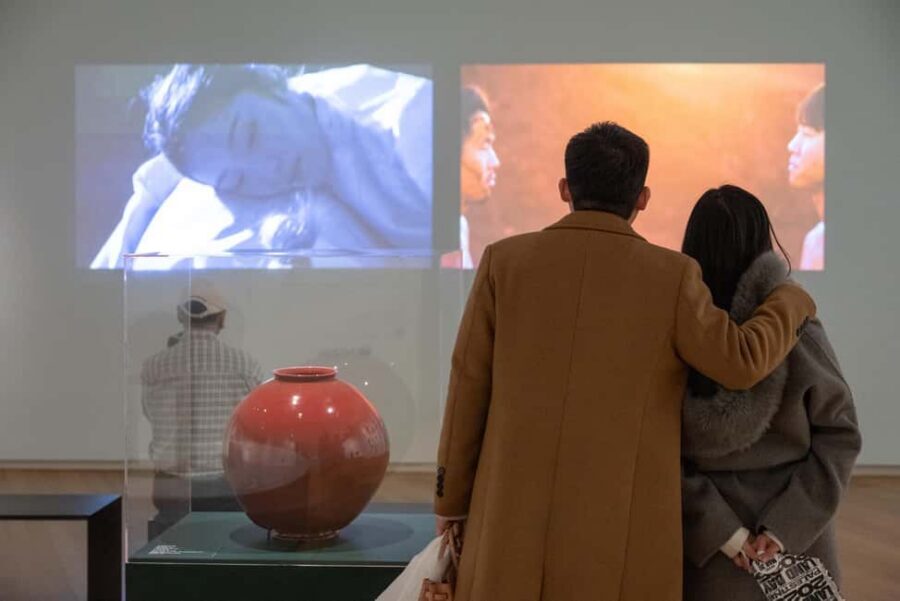
MAD sits in the heart of New York, right by Columbus Circle. That matters more than you’d think. In NYC, the best museum days are the ones where you avoid wasting time on long transits and stress. With MAD, you can start here in the morning and still have energy for Central Park walks, quick storefront browsing, or evening drinks.
The museum’s overall vibe fits its mission: you’re meant to see the world through an artist’s eyes. That translates into exhibitions and displays that are usually material-forward—how something is made, why it was made, and what message it carries. Even the permanent-collection focus tends to feel current, because MAD is constantly putting design and contemporary culture into the same sentence.
You can also read our reviews of more museum experiences in New York City



Tickets, small groups, and a simple one-day game plan
Plan for 1 day and a ticket price of $20 per person. For NYC, that’s a value price when you’re getting full entry to a museum that’s built around both exhibitions and learning. You’re not paying extra for every little add-on in the data you have—this is basically a straight museum day.
This is also set up as a small group experience limited to 9 participants. That’s the sweet spot where you’re not swallowed by crowds, but you still get the structure of a group outing. In plain terms: you’ll have an easier time keeping up with your own pace.
Before you go, know the basic limits:
- No food and drinks inside as part of the experience
- No luggage or large bags
- No pets (assistance dogs allowed)
So bring light day-bag energy. If you need snacks for later, plan to get them outside the museum.
A practical route (so you don’t waste time)
If you only have one day, don’t try to “see everything.” Instead:
- Start with whichever special exhibition is most timed to your interests.
- Then do the permanent collection and installations at a slower pace.
- Save artist studios for a slot when they’re actually open on your day.
- Finish with the store and a view from the ninth floor if you want downtime.
This avoids the common feeling of rushing and then missing the point of why design museums can be so rewarding: time to look closely.
Use the MAD Mobile Guide to connect the dots fast
MAD’s MAD Mobile Guide is built for people who want more than captions but don’t want to work like a scholar. It helps you learn more about the artworks you’re seeing, so you can understand what you’re looking at while you’re looking at it.
Here’s the trick: use it when you hit something that feels confusing or loaded with meaning. That’s usually when the guide pays off most. If you only use it for the “obvious” pieces, you’ll get the least value.
Also, a mobile guide can help with one of MAD’s quirks: the museum can feel like it moves through themes rather than one continuous story. With the guide, you’ll have a way to keep your bearings and connect what you saw earlier to what you’re seeing next.
Exhibitions that rethink society and craft: Adler, Afrofuture jewelry, and Designing Motherhood

MAD’s exhibitions tend to do something important: they treat design as a force that shapes culture, identity, and everyday life. That’s why the museum feels more interesting than a standard art stop.






The Mad MAD World of Jonathan Adler
If The Mad MAD World of Jonathan Adler is on, this is your chance to see more than 60 works from the museum’s permanent collection plus Adler’s own iconic designs. The value here is the contrast: you can compare how Adler’s signature style shows up across a broader design context.
What to watch for: Adler’s work is playful, but it’s also a reminder that design can be witty and serious at the same time. Spend time on form and material details. You’ll start noticing how style becomes language.
Douriean Fletcher: Jewelry of the Afrofuture
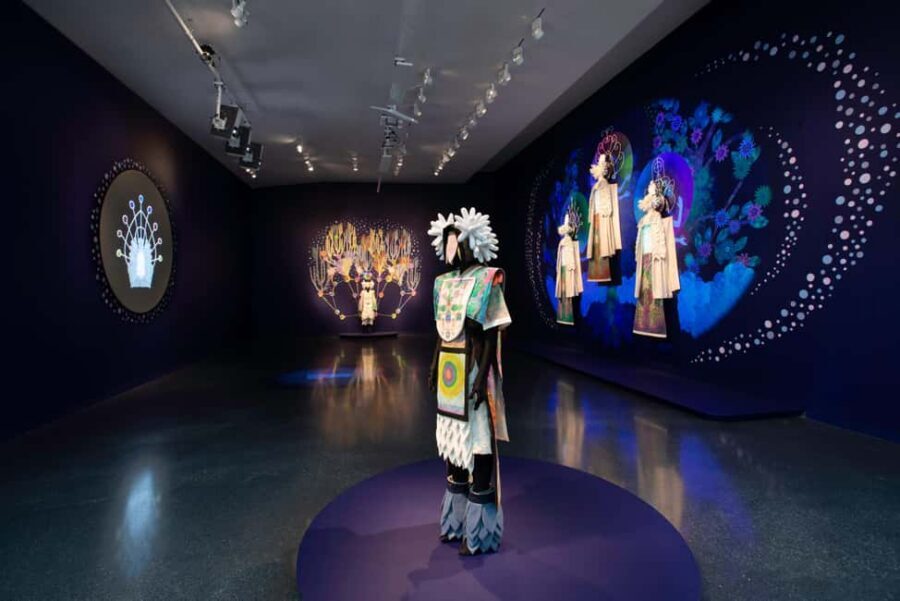
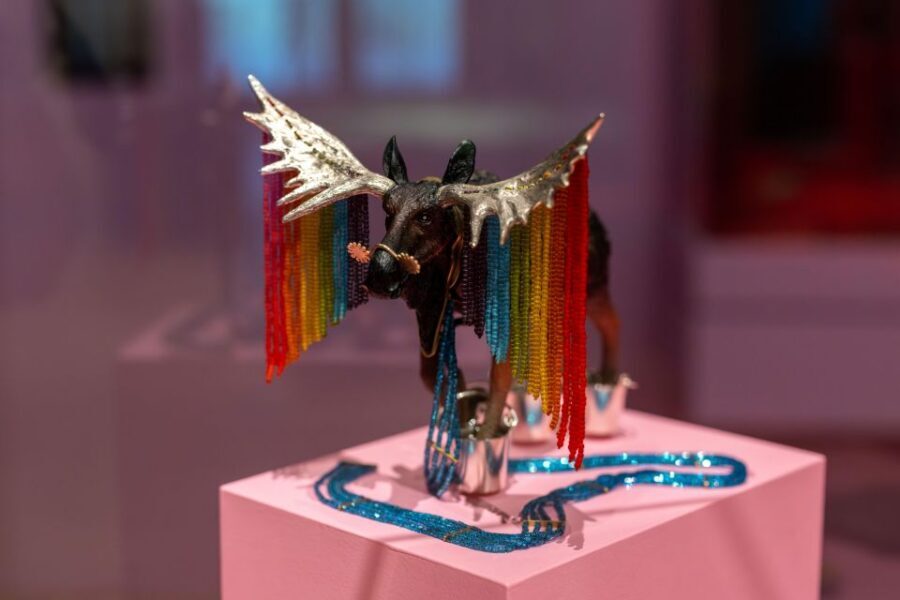
This exhibition includes 75 works that tell Fletcher’s story—from self-taught metalsmith to influential designer with handmade adornments that appeared in Marvel Studios’ Black Panther movies.
I love this exhibition type because it makes craft feel powerful, not decorative. Look for the evolution angle: you’re not just seeing finished jewelry; you’re seeing a creative career built through skill and risk-taking. If you care about how art connects to media, identity, and representation, this one is a strong anchor for your MAD day.
Designing Motherhood: Things that Make and Break Our Births
This is the kind of exhibition that gives a design museum a larger purpose. Designing Motherhood spans 150 years of design for reproductive health and well-being, with more than 250 design objects connected to fertility, pregnancy, postpartum, and parenthood.
Even if the topic is challenging, the payoff is clear: you see how everyday objects, tools, and systems shape outcomes. Design isn’t neutral. It can support care—or fail it. If you want exhibitions that connect to real life rather than just aesthetics, this is the one to center.
If a Barbie-focused exhibition is on
One booking you can draw from highlighted a Barbie exhibit that traced Barbie through the ages and outfits from childhood, plus how the theme shifts into diversity and professions—breaking barriers by placing Barbie in many different roles. If you’re visiting during a period when this kind of show is running, it’s an easy entry point because you instantly recognize the pop-culture reference. Then you can follow how the exhibit uses that recognition to talk about culture and change.
About pacing and flow
One thing to watch: MAD can be organized in ways that don’t feel perfectly linear. That’s not a deal-breaker, but it does mean you should avoid the all-or-nothing mindset. If you’re the type who gets frustrated by jumping between rooms, pick a main exhibition first and then let the permanent collection act like your “second pass.”
MAD Artist Studios: watch work in progress (and ask questions if the timing works)
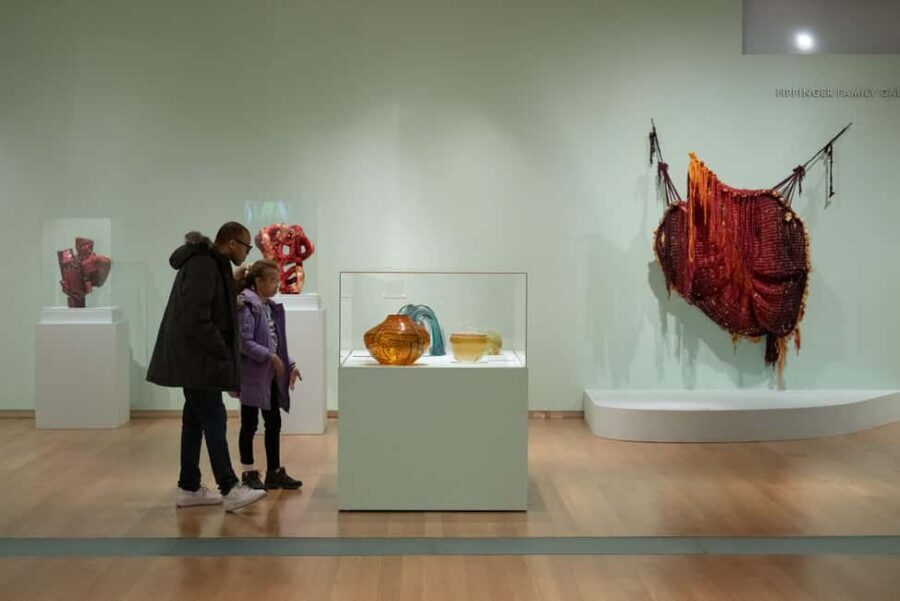
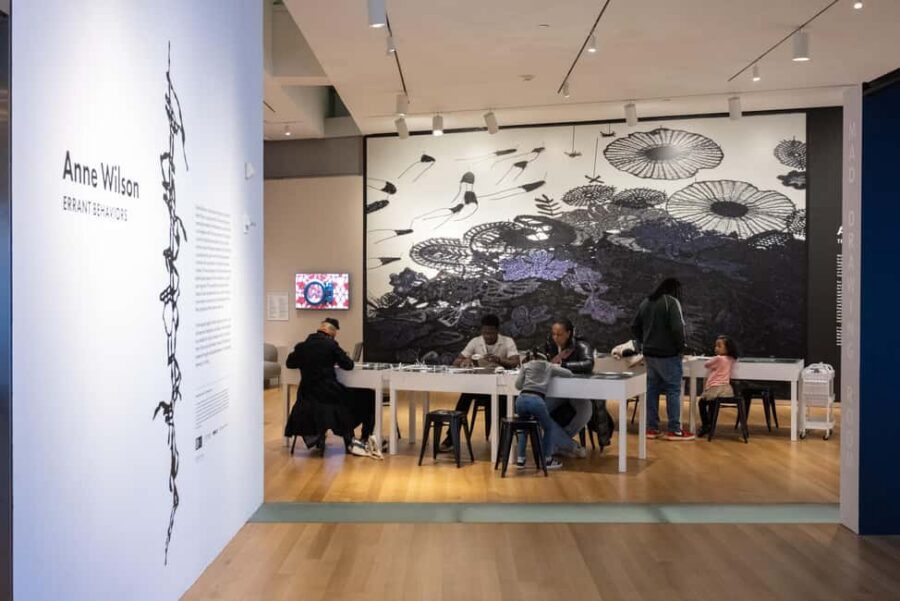
MAD’s Artist Studios are on-site creative workspaces, and visitors are welcome to ask questions and view works in progress. That’s a rare museum format: you’re not just looking at finished work; you’re seeing the decision-making that happens before the object is done.
Timing matters because the studios have set hours:
- Wednesday, Friday, Saturday: 10:30 AM–5:30 PM
- Thursday: 12:00 PM–7:00 PM
So when you plan your one-day visit, check the day of week first. If you show up on the wrong day without time for studios, you’ll lose one of MAD’s best “process” experiences.
Even if nobody is actively discussing their current work with you at that moment, the studios still add context. You’ll start recognizing what a design museum means by craft: not only the final piece, but the hands-on steps and the adjustments that get it there.
Robert Restaurant on the ninth floor and the MAD Store for gifts
If you want a break, MAD has Robert Restaurant on the ninth floor with breathtaking views of Central Park. It’s a New York classic destination for contemporary American fare and signature cocktails—so it’s ideal for a planned sit-down after your museum time.
Just keep expectations realistic: your museum visit experience doesn’t include food and drinks, and food and drink aren’t allowed as part of the activity rules. So think of Robert as your “after the galleries” reward, not something to bring into the exhibits.
When you’re ready to take something home, don’t skip The Store at MAD. It’s known for stylish, beautifully crafted gifts for all ages, plus artisanal home products. For me, that store is part of the design experience. You get one more chance to look at objects, but in a calmer way—less about interpretation, more about choosing what speaks to you.
Who this MAD visit is best for (and who might want another plan)
You’ll probably love MAD if you:
- Enjoy art and design that connects to culture, identity, and social thinking
- Like hands-on process themes—craft, materials, and how work evolves
- Want a museum day that fits between major NYC landmarks without a huge logistics headache
- Are the type who uses mobile tools to get more meaning while walking
MAD may be less satisfying if you:
- Need a strictly organized, one-room-to-the-next narrative
- Want lots of large-scale spectacle and don’t care about objects, materials, and craft detail
- Are traveling with heavy luggage or expect to bring food inside (the restrictions are clear)
Still, even with these caveats, MAD is worth considering because the exhibitions listed cover big ideas, not just small aesthetics.
Should you book this MAD visit?
Book it if you want a high-value design museum day near Columbus Circle, with exhibitions that take art and craft seriously and a learning tool in the MAD Mobile Guide. The small group size also makes the experience feel more manageable, and the Artist Studios can add a “how it’s made” layer that most NYC museums don’t offer.
Don’t book it if you strongly prefer a predictable, linear tour flow or if bringing food and large bags is non-negotiable for your day. Otherwise, MAD is a practical choice: one ticket, one day, and enough variety to keep you interested even if one exhibit doesn’t land for you.
FAQ
How long is the Museum of Arts and Design experience?
It’s valid for 1 day.
What is the price for the Museum of Arts and Design?
The price is $20 per person.
Is the experience wheelchair accessible?
Yes, it is wheelchair accessible.
What’s the maximum group size?
It’s limited to a small group of 9 participants.
Are food and drinks allowed?
No, food and drinks are not allowed.
When are the Artist Studios open?
Artist Studios are open 10:30 AM–5:30 PM on Wednesday, Friday, and Saturday, and 12:00 PM–7:00 PM on Thursday.