REVIEW · NEW YORK
Wood Bat Mill Tour
Book on Viator →Operated by Leatherstocking Hand Split Billets · Bookable on Viator
Baseball bats have a real factory story.
This wood bat mill tour in Oneonta, New York gives you a front-row look at how professional-grade bats move from log to finished product, with robotics and hands-on craft steps in the mix.
I love the combination of hand-splitting technique and the way the operation is run with clear goals around wood yield and sustainability.
A single hour is the right length to see a lot without feeling like you’re stuck in a long, industrial crawl.
One caution: the site runs heavy machinery, and kids below a certain age may not be admitted, so check before you buy.
In This Review
- Key highlights you’ll actually care about
- Wood bat mill tours: what you’re signing up for
- One hour at Leatherstocking Timber Products in Oneonta
- Robotics and hand-splitting: the bat-making contrast
- The robotics part (what it’s for)
- The hand-splitting part (why your eyes matter)
- Sustainability you can actually picture
- Guides and the small-group feel (Dave and Lupe)
- Safety and comfort: plan for a working facility
- Getting there: the Oneonta meeting point and timing
- Is $50 worth it for a 1-hour bat mill tour?
- Practical tips so your tour goes smoothly
- Should you book the Wood Bat Mill Tour?
- FAQ
- What is the duration of the Wood Bat Mill Tour?
- How much does the Wood Bat Mill Tour cost?
- Where does the tour start?
- How many people are in a group?
- What language is the tour offered in?
- What is the cancellation policy?
Key highlights you’ll actually care about
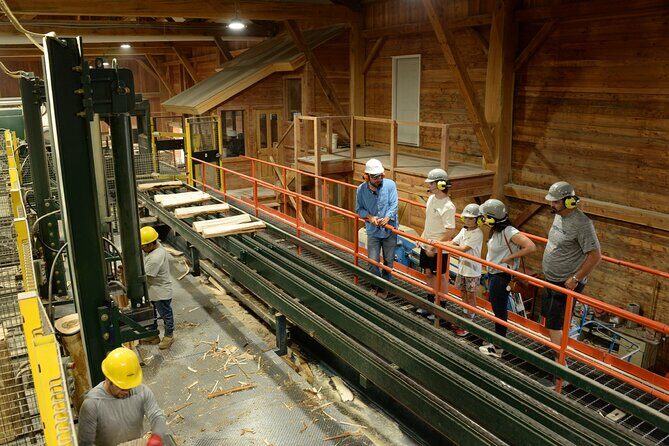
- Robotics in action helps explain how the process stays consistent for pro-level bats
- Hand-splitting lets you see the human skill behind high-performance bat blanks
- Sustainable manufacturing focuses on respecting the wood and reusing water
- Working-lumber shop vibe means it’s not staged—this is an active production environment
- Small groups (max 12) make it easier to hear explanations and ask questions
- Safety gear is provided so you can take the tour comfortably and correctly
Wood bat mill tours: what you’re signing up for
If you like baseball, you already know the bat is the tool that matters most. What this tour adds is context: you see the bat as a manufactured product, not just a store shelf item. The whole point is the process—how bat quality comes from how the wood is handled, cut, split, and finished.
This is built around one stop at a working facility: Leatherstocking Timber Products, Inc. Expect a guided look at the full workflow that ends with professional-grade baseball bats. You’ll also hear how the operation uses robotics for parts of the process and pairs that with traditional technique where it counts.
The sustainability angle is not just marketing talk here. The tour frames it as part of the workflow: using water efficiently and reusing water through the manufacturing steps, plus a process that respects the wood rather than treating it like raw material to waste.
You can also read our reviews of more tours and experiences in New York.


One hour at Leatherstocking Timber Products in Oneonta
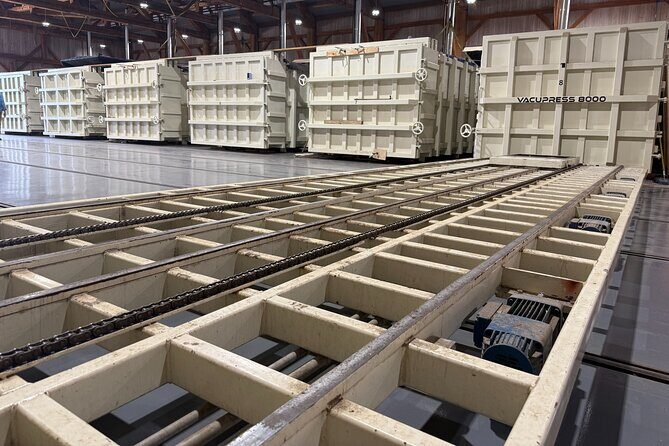
The visit is designed to be focused. It’s approximately 1 hour, which is ideal if you want something meaningful without losing half a day. You’ll start at the facility and then stay on-site for the main show: how bats are made end to end.
Here’s what you can expect during that hour:
You’ll begin by seeing the larger production flow—how the raw material becomes bat-ready. From there, the guide’s storytelling usually turns into visuals: what happens first, what comes next, and why the company treats specific steps as quality checkpoints. You’re not just watching machines; you’re connecting steps to results.
A big centerpiece is the look at hand-splitting. That step matters because the way wood is split influences how the bat feels and performs. Seeing it close-up helps you understand why bat-making is part craft, part process control.
Then you’ll see how cutting-edge robotics supports the operation. Robotics here isn’t just “wow factor.” It’s a practical way to keep repetitive tasks consistent, which matters if you’re producing bats to a professional standard.
Finally, the tour wraps by tying manufacturing to sustainability. The operation emphasizes reusing water and minimizing waste, plus a mindset of making the most of the wood.
Practical takeaway: if you’re the type who likes to know how things are made—especially sports equipment—this format hits the sweet spot.
Robotics and hand-splitting: the bat-making contrast
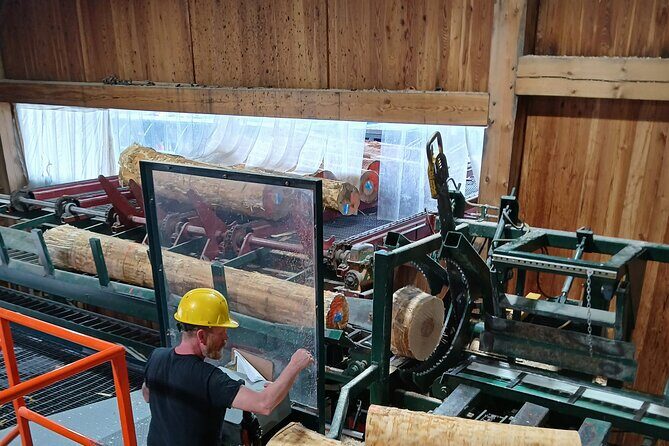
One reason I think people love this tour is that it shows the tension between modern production and traditional skill. You get both, and the guide explains why the two approaches work together.
The robotics part (what it’s for)
When robotics enters the picture, the story is basically about repeatability. You’ll see machinery that helps standardize actions in the production chain. That’s important because bat quality relies on a lot of small, consistent details.
Even if you’re not a tech person, you’ll still get it. The guide tends to connect what the machine does to why that step supports quality—less variation, more predictable outputs.
The hand-splitting part (why your eyes matter)
Then you get the human step: the hand-splitting technique. This is where the tour feels more personal. You can watch skill and timing at work, and it’s easier to imagine how wood behavior changes when you treat it with care.
In short: robotics helps with consistency, while hand-splitting is where you see the craft decisions.
Sustainability you can actually picture
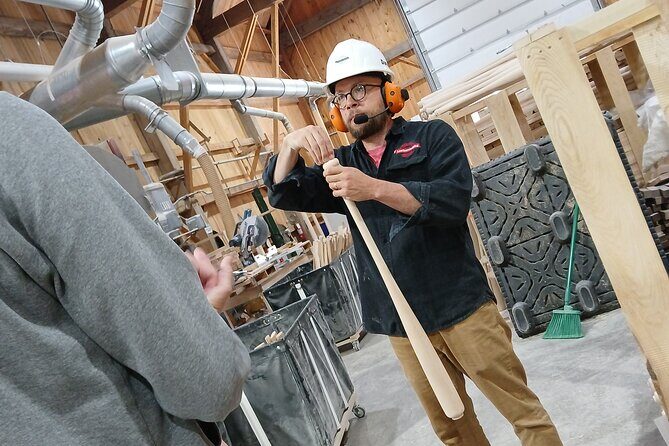
It’s one thing to hear the word sustainable. It’s another to hear it explained in terms of how a production line functions.
This tour highlights a couple of sustainability points that you can see in the flow:
- The operation respects wood usage (less throwaway, more value from the raw material)
- Water is reused, not treated like something that simply gets consumed and discarded
What I like about including sustainability in a factory tour is that it stays grounded. You don’t just get “green messaging.” You get an explanation of what changes in the workflow to reduce waste.
Even if you don’t care about sustainability on a moral level, it’s still useful. Efficient use usually means better planning and better process control—which often connects back to quality.
Guides and the small-group feel (Dave and Lupe)
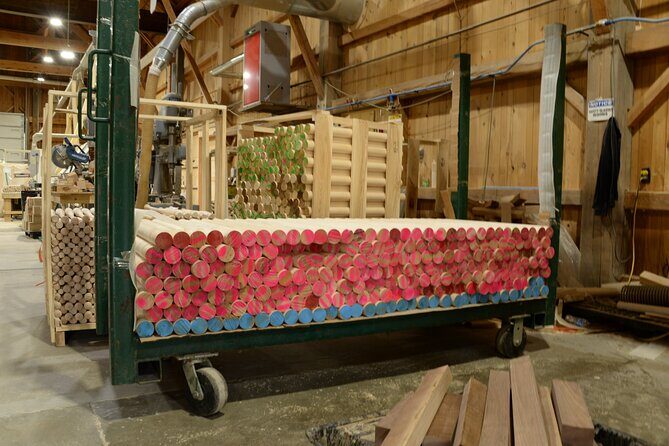
A factory tour can become either great or dull, depending on how the guide talks and how much time you get. This one keeps groups to a maximum of 12 travelers, which makes a difference.
In the guide lineup, names come up clearly. I’ve seen Dave mentioned for an informative, friendly approach. Lupe is also noted as extremely knowledgeable and warm, especially for people who love baseball. That kind of guide presence matters: you feel like questions aren’t a hassle, and you get the “why” behind the “what.”
If you’re visiting with a mix of ages, this small group size helps everyone stay in the same conversation. It also makes it easier to hear explanations over industrial noise.
Safety and comfort: plan for a working facility
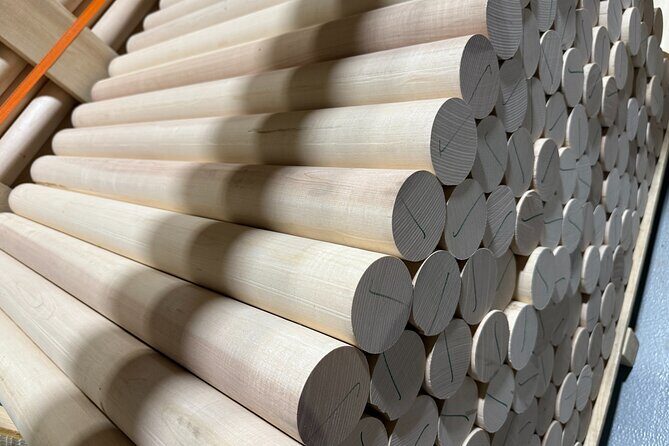
This isn’t a museum floor. It’s a working lumber/bat production environment, complete with machinery. That’s part of the point—authentic, not staged.
Safety equipment is provided to each participant, which helps you do the tour correctly and comfortably. You’ll also want to treat the space as active and not like a casual walk-through.
You should have a moderate physical fitness level. The data doesn’t spell out exact walking distance, but in practice you should expect standing, moving around production areas, and following the guide’s pace.
Also, if you’re bringing kids: heavy machinery is part of the tour, and children below a certain age may not be admitted. Because that age threshold isn’t stated here, check with the company before you sign up.
Getting there: the Oneonta meeting point and timing
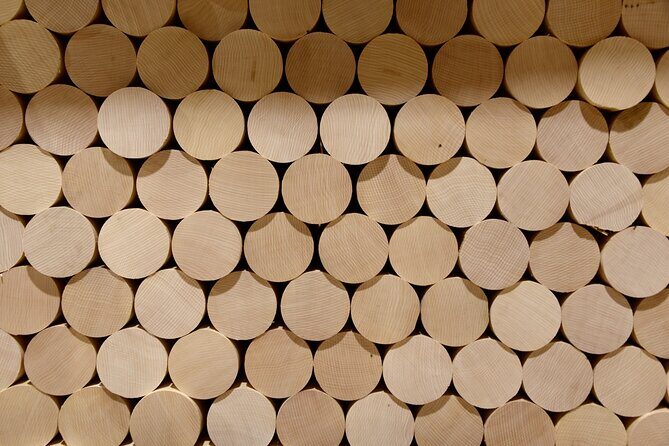
The tour starts and ends back at the meeting point:
Leatherstocking Timber Products, Inc
359 Delaware County Highway #11
Oneonta, NY 13820, USA
Duration is about 1 hour, so plan your schedule like it’s a real appointment. This is also something people tend to book ahead; the average booking window is about 32 days. If you’re traveling in a popular season or on a weekend, booking early can save you stress.
You’ll receive confirmation at booking time, and you’ll use a mobile ticket. That’s a convenience win—no printout scrambling needed.
Since the tour is offered in English, you’ll get explanations without language friction.
Is $50 worth it for a 1-hour bat mill tour?
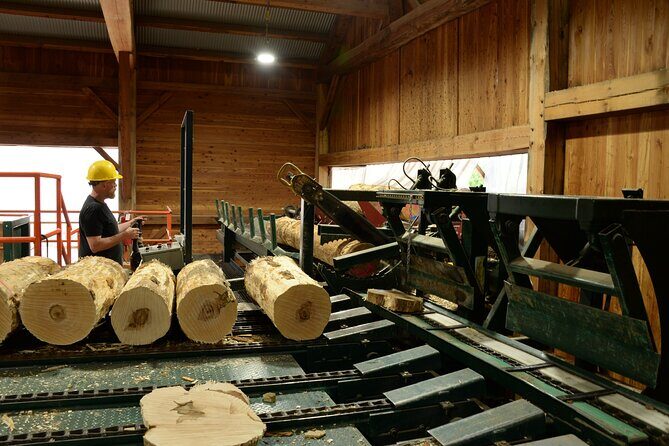
At $50 per person, you’re paying for three things: access to a working production environment, guided interpretation of the process, and the opportunity to see details you can’t get from a video online.
For value, ask yourself what you want from a tour like this:
- If you want a generic history lesson about baseball, this isn’t that.
- If you want to understand how professional bats come to life—wood decisions, splitting technique, and the role of robotics—this price starts to make sense fast.
The one-hour timing is also a value factor. It’s long enough to see meaningful steps in the process, but short enough that it doesn’t crush your travel day.
Another value point: the maximum group size of 12 helps make the experience more interactive than a large, rushed crowd situation.
So for many people—especially baseball fans, makers, and curious travelers—$50 feels like a fair trade for the hands-on, behind-the-scenes access.
Practical tips so your tour goes smoothly
Here’s how to set yourself up for an easy, enjoyable visit:
- Dress for a factory environment: you’ll be in a production space, and you’ll want to feel comfortable moving around.
- Plan for some standing and walking: the requirement is moderate fitness, so don’t treat it like a leisurely stroll.
- Bring your questions: with a small group, you’ll get more out of the guide’s explanations if you ask.
- If you’re traveling with kids, check admission rules first: heavy machinery is part of what makes the tour real.
And because it’s a mobile-ticket tour, make sure your phone is charged and you can access the ticket easily when you arrive.
Should you book the Wood Bat Mill Tour?
Book it if you fit any of these:
- You’re a baseball fan who cares about equipment beyond the game
- You like seeing how skilled making works—machines plus craft
- You want a short, focused tour in Oneonta, NY, that gives real behind-the-scenes context
Skip or double-check if:
- You’re traveling with young children, since admission may depend on age due to heavy machinery
- You’d rather avoid industrial environments or prefer long sightseeing days
If you want a one-hour experience that’s practical, specific, and tied directly to how pro bats are made, this tour is a solid choice. The small group size and the mix of hand-splitting plus robotics are exactly the kind of combo that turns a sport obsession into real understanding.
FAQ
What is the duration of the Wood Bat Mill Tour?
The tour lasts about 1 hour.
How much does the Wood Bat Mill Tour cost?
It costs $50.00 per person.
Where does the tour start?
You’ll meet at Leatherstocking Timber Products, Inc, 359 Delaware County Highway #11, Oneonta, NY 13820, USA. The tour ends back at the same meeting point.
How many people are in a group?
This tour has a maximum of 12 travelers.
What language is the tour offered in?
The tour is offered in English.
What is the cancellation policy?
You can cancel for free up to 24 hours in advance for a full refund. If you cancel less than 24 hours before the start time, the amount paid is not refunded.