REVIEW · NEW YORK CITY
Central Park 5 Star Walking Tour led by Manhattan residents!
Book on GetYourGuide →Operated by Central Park Touring · Bookable on GetYourGuide
Central Park gets clearer when you walk it. This 150-minute walking tour is designed like a guided route through the park’s big scenes, with lots of time at key spots like the Mall and Literary Walk and a finish at Strawberry Fields. I like that you’re working with Manhattan residents who bring a real, day-to-day connection to how the park feels in different seasons and light.
What I especially like is the communication style: small groups and clear, detailed, story-driven explanations that help you connect architecture, nature, and pop culture threads without getting lost. If you’re lucky enough to get Sam or Patrick, the tone matches the reviews: patient, caring, and very easy to ask questions. One drawback to consider: the tour is not built for everyone, with limits around mobility, back/heart conditions, and age, plus you’ll be on your feet for the full 150 minutes.
In This Review
- Key highlights before you book
- Central Park Touring with Manhattan residents: what changes
- Meeting at Jose Martí Statue: the start matters more than you think
- The heart of the experience: a practical route through Central Park
- Gapstow Bridge (pass by, about 3 minutes)
- Pond in Central Park (pass by, about 10 minutes)
- Hallett Nature Sanctuary (pass by, about 10 minutes)
- Wollman Rink (pass by, about 3 minutes) + Heckscher Playground (pass by, about 3 minutes) + Central Park Carousel (pass by, about 2 minutes)
- Chess & Checkers House (pass by, about 5 minutes)
- Sheep Meadow (pass by, about 2 minutes)
- The longer stops that shape your understanding
- The Mall and Literary Walk (visit, about 20 minutes)
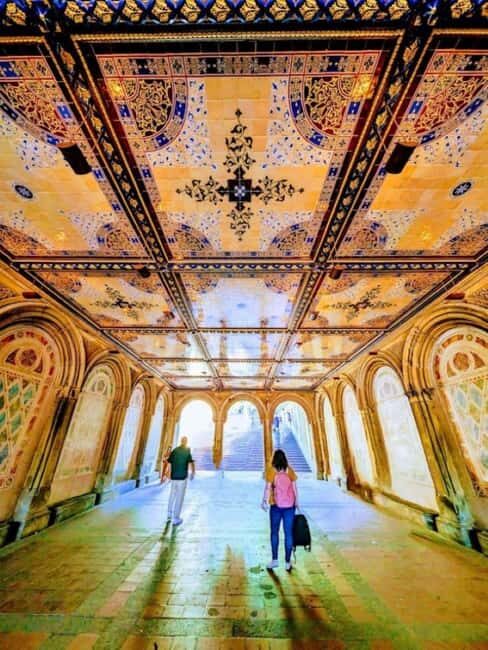
- Bethesda Fountain (visit, about 10 minutes)
- Bow Bridge (visit, about 10 minutes)
- The Ramble in Central Park (visit, about 15 minutes)
- Belvedere Castle (visit, about 10 minutes)
- Shakespeare Garden (visit, about 5 minutes) + Swedish Cottage (pass by, about 5 minutes)
- American Museum of Natural History (pass by, about 5 minutes) + The San Remo (pass by, about 5 minutes) + The Dakota (pass by, about 10 minutes)
- Strawberry Fields (finish)
- Price and value: is $75 per person worth it?
- Who should book this tour (and who should skip it)
- Quick practical tips to make your day smoother
- Should you book this Central Park walking tour?
- FAQ
- FAQ
- Where is the meeting point for the tour?
- What is the tour price?
- How long is the Central Park walking tour?
- Where does the tour start and where does it finish?
- What language options are available?
- What’s included in the ticket price?
- What should I bring with me?
- Is transportation included?
- Can I cancel and get a full refund?
- Is this tour suitable for kids or for people with mobility needs?
Key highlights before you book
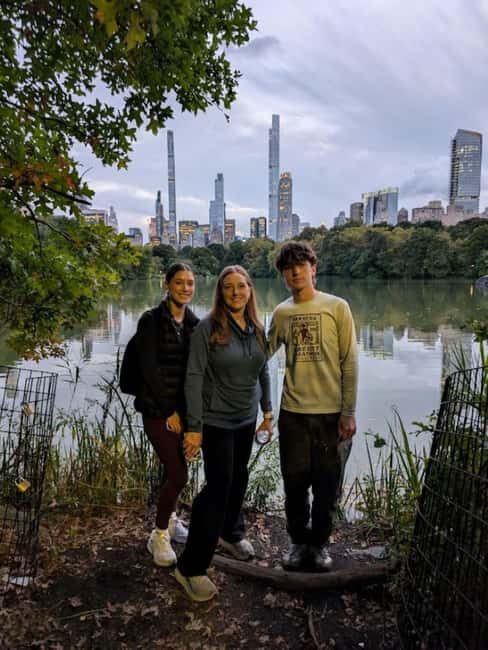
- Manhattan-resident guides: local Upper West Side perspective and real passion for Central Park
- Small-group feel: you get time to talk, not just listen while crowds move around you
- A route with built-in variety: nature areas, major landmarks, and popular cultural stops
- Good pacing for comfort: several short “pass by” moments paired with longer focus stops
- Finish in a walk-and-subway sweet spot: you end near a convenient subway entrance
- Practical perks: bottled water (1) and sunblock included, plus a clear packing list
Central Park Touring with Manhattan residents: what changes
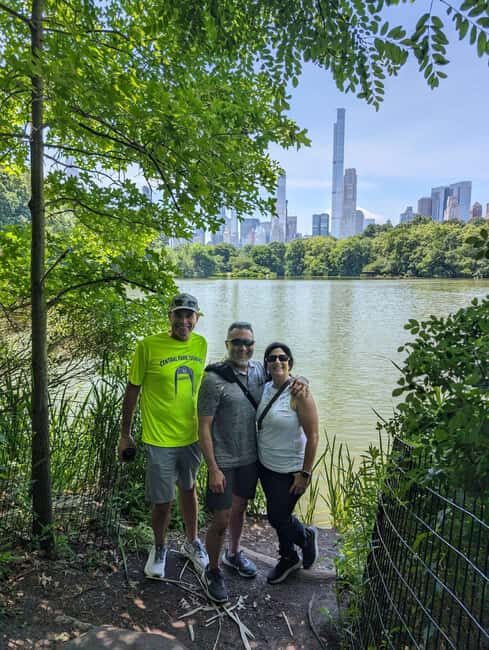
There’s a big difference between someone who knows Central Park from a book and someone who knows it from living nearby. This tour is led by local experts from Manhattan’s upper west side, and it shows in the way the stories land. You’re not only getting facts about places like Bethesda Fountain or Belvedere Castle—you’re getting a sense of how people actually experience the park in real life.
I also like the tour’s communication style. It’s designed to be clear and detailed, with explanations that connect what you’re seeing to why it matters. That matters because Central Park can feel like a maze if you’re wandering on your own. A good guide helps you interpret the space: where you’re standing, what the park is trying to do in that section, and how the whole route fits together.
The reviews for guides like Sam and Patrick point to the same theme: calm, patient teaching. That’s not just a nice-to-have in a big city park. When you can ask questions without feeling rushed, you get more out of every stop—and you’re more likely to notice small details you’d otherwise walk right past.
You can also read our reviews of more walking tours in New York City



Meeting at Jose Martí Statue: the start matters more than you think
Your meeting point is straightforward and specific: in front of the Jose Julián Martí Statue, with guides wearing bright yellow jerseys. That’s the kind of detail that saves time and stress, especially if you’re arriving from another part of Manhattan.
This tour is 150 minutes, so it’s long enough to feel like you truly covered meaningful parts of Central Park, but short enough that you can still keep exploring afterward. The route is set up to minimize fatigue, with a mix of shorter pass-by stops and longer visit times at key highlights. Translation: you get variety without the “all-day hike” feeling.
What to bring is also spelled out for you, which I appreciate. Start with comfortable shoes and add sunglasses and sun hat if the weather’s bright. Hiking shoes are an option too, especially if you like better grip underfoot. And yes—bring sunscreen. Even though sunblock is included, it’s smart to have your own comfort level. The tour provides bottled water (1), so you don’t have to worry about that baseline need.
The heart of the experience: a practical route through Central Park
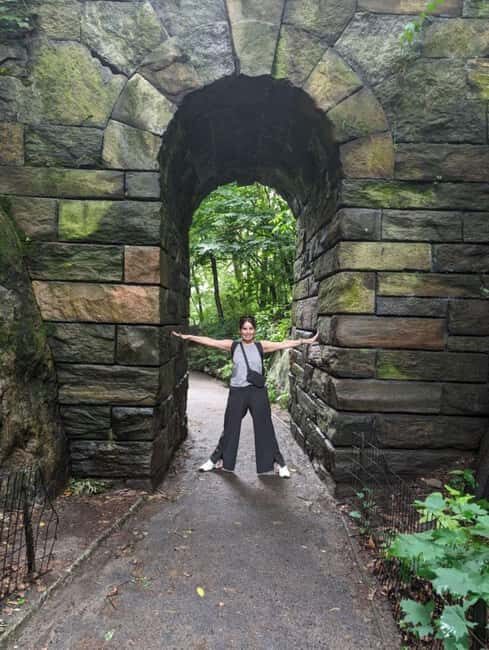
This is a walking tour that stitches together some of the park’s best-known areas, plus the sections that people tend to skip when they’re moving fast. The route starts near the Jose Martí Statue area, then moves steadily through the park toward Strawberry Fields.
You’ll notice a pattern: some stops are meant for quick orientation—short enough that you keep momentum—while other stops are scheduled for a slower look. That’s a smart balance in a park where you can easily burn time on the wrong side of a viewpoint or end up stuck in the flow of foot traffic.
Below is what the day’s pacing looks like, and why each segment is worth the stop.
Gapstow Bridge (pass by, about 3 minutes)
You’ll pass by Gapstow Bridge early on. Even as a quick moment, a bridge like this is useful because it helps you understand how Central Park “frames” views. It’s a place where your eyes naturally start mapping the park’s different layers: water nearby, paths moving away, and the feeling of structure in a space that still looks organic.
Drawback: since the timing is short, don’t expect a deep hangout here. If you want more time, save the bridge for your free return after the tour.
Pond in Central Park (pass by, about 10 minutes)
Next is the Pond in Central Park, with a longer pass-by time. This is a good section for resetting your mindset. You go from city edges into a calmer pocket, and that shift makes the stories feel more grounded.
Why it helps: the longer pause time works as a breathing moment before the route turns more landmark-heavy.






Hallett Nature Sanctuary (pass by, about 10 minutes)
The Hallett Nature Sanctuary portion is another “feel it” segment. Even if you’re not a nature-tracker, sanctuaries like this are the kinds of places where you can sense how the park handles quiet zones, shade, and slower movement.
Consideration: because it’s still part of a walking schedule, you’ll want to keep your pace steady and avoid lingering longer than the guide’s plan.
Wollman Rink (pass by, about 3 minutes) + Heckscher Playground (pass by, about 3 minutes) + Central Park Carousel (pass by, about 2 minutes)
This cluster is short but useful. You’ll pass Wollman Rink, Heckscher Playground, and the Central Park Carousel. Why group these together? Because they reflect different sides of park life—sports, play, and family-friendly culture—without forcing you to choose one vibe for the whole day.
Practical tip: if you’re traveling with someone who loves activities, this is a quick sweep that still gives you context.
Downside: the timing is brief, so keep expectations realistic. This is about seeing the idea of these places, not soaking in one single spot for an hour.
Chess & Checkers House (pass by, about 5 minutes)
Then comes Chess & Checkers House. A stop like this is valuable because it adds a layer beyond the garden-and-water look. It’s one of those spots that can help you understand Central Park as a social space, not just scenery.
If you’re into atmosphere, this brief moment is a good pivot point into the longer, story-forward segments ahead.
Sheep Meadow (pass by, about 2 minutes)
You’ll pass Sheep Meadow. The short timing works because it’s often a photo magnet, and the guide likely uses that time to point out what to look for—big-open space, movement of people, and the way the park creates a kind of breathing room in the middle of the city.
Drawback: if you’re hoping for a sit-and-stay lunch moment, 2 minutes won’t do it. Plan a snack stop on your own outside the scheduled stops.
The longer stops that shape your understanding
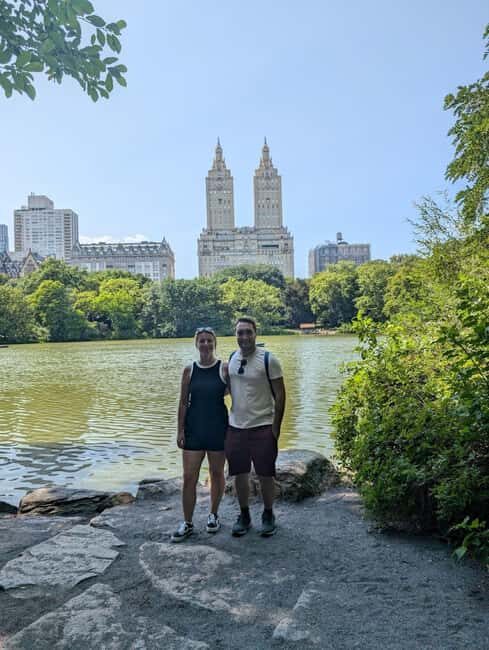
This is where the tour starts to do its best work: longer scheduled visits that help you slow down and actually process the park as a designed experience.
The Mall and Literary Walk (visit, about 20 minutes)
The Mall and Literary Walk is your first major “linger” stop, with about 20 minutes. This is the kind of location where a guide’s interpretation really pays off. In a designed path area, it’s easy to feel like you’re simply walking in a pretty corridor. A great guide helps you notice how the view-lines work, why the layout feels the way it does, and how this part of the park supports strolling, gathering, and sightseeing.
Why I think this stop is key for value: it’s long enough for photos, questions, and a genuine reset in pace.
Tip for you: wear shoes you don’t mind spending a while in. This is the segment where your legs will feel the most “planned walking.”
Bethesda Fountain (visit, about 10 minutes)
Next is Bethesda Fountain. You’ll have about 10 minutes, which is a solid amount of time to look around and understand why it’s a major reference point in Central Park routes. It’s also a useful waypoint for taking in nearby park energy—people gathering, paths converging, and the way the park’s design keeps pulling you forward.
Consideration: don’t expect a long sit. The timing is built for movement and observation, not extended downtime.
Bow Bridge (visit, about 10 minutes)
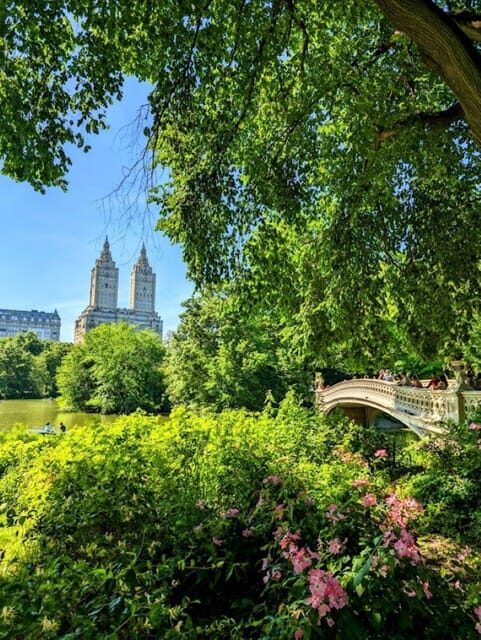
You’ll spend about 10 minutes at Bow Bridge. Bridges are classic “pause points,” and this one works the same way: it gives you a clear perspective moment where you can compare what’s ahead versus what you just walked through.
If you like gentle photo planning, this stop is more cooperative than a crowded playground area because it’s naturally framed as a viewpoint.
The Ramble in Central Park (visit, about 15 minutes)
Then comes The Ramble with about 15 minutes. This is likely one of the more atmospheric sections of the route, and it’s scheduled long enough for you to slow down and actually notice change as you move through it. In a park like Central Park, wooded-feeling zones create a different rhythm—less open space, more visual layering, more “step-by-step” discovery.
One caution: this is still a walking tour. Keep an eye on footing and stay aware of where the group is moving next.
Belvedere Castle (visit, about 10 minutes)
At Belvedere Castle, you get about 10 minutes. This stop is valuable because it gives you a sense of vertical presence within the park’s mostly horizontal walking experience. Even if you don’t go deep into castle details, the timing suggests the guide wants you to take in the sightlines and the way this structure anchors the surrounding area.
If you’re the kind of traveler who likes architecture and landmarks, this is one of your “must-attend” moments.
Shakespeare Garden (visit, about 5 minutes) + Swedish Cottage (pass by, about 5 minutes)
The tour includes Shakespeare Garden for about 5 minutes, then Swedish Cottage as a pass-by moment for about 5 minutes. Together, these stops help balance the day: one is explicitly garden-focused, the other brings in a sense of cultural styling through the cottage area.
Practical reality: 5 minutes is just enough to orient yourself, get the guided story, and move on. If you want more time in any garden section, plan to return later using your own pace.
American Museum of Natural History (pass by, about 5 minutes) + The San Remo (pass by, about 5 minutes) + The Dakota (pass by, about 10 minutes)
You’ll then pass by the edge areas where the park meets famous city landmarks. You get American Museum of Natural History (pass by, about 5 minutes), then The San Remo (pass by, about 5 minutes), then The Dakota (pass by, about 10 minutes).
Why it matters on a walking tour: these stops remind you Central Park isn’t isolated. It’s woven into Manhattan’s story, and the tour route uses that proximity to help you understand why the park feels both protected and part of the city at the same time.
Consideration: since these are pass-by moments, you’ll want to listen closely to the guide’s framing. That’s where the time value lives.
Strawberry Fields (finish)
The tour ends at Strawberry Fields. This finish is a smart move because it’s a well-known location that makes it easy to keep exploring afterward. The tour route also aims to conclude near a convenient subway entrance, so you don’t feel stranded when the walking portion ends.
Price and value: is $75 per person worth it?
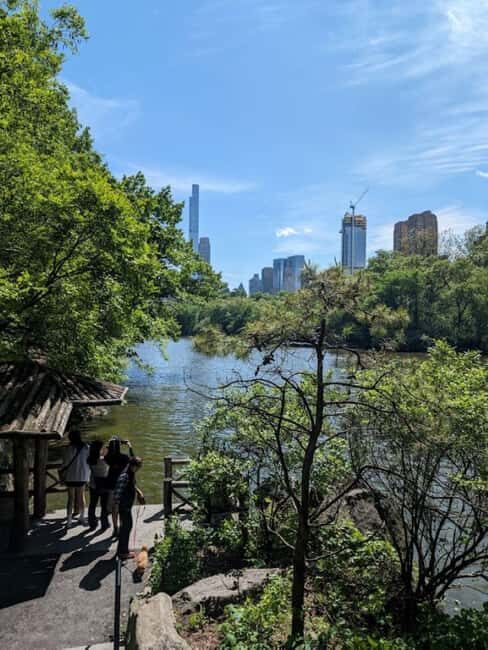
$75 for a 150-minute guided walk sounds straightforward, but the real question is what you get for it. Here’s the value logic I’d use:
- You’re buying time + direction. Central Park is huge. A route like this compresses the “where should I go next?” problem into a planned sequence.
- You’re paying for local interpretation. The guide isn’t only pointing at landmarks; they’re connecting what you see to how the park works as a designed, story-driven space.
- You’re getting small-group attention, which matters in a place where major viewpoints can get crowded quickly.
What you’re not paying for is transportation—so budget for getting yourself to the meeting point and then continuing afterward. Still, the route ends in a way that’s meant to make transit easier, and the “finish at Strawberry Fields” setup is the kind of practical closure that makes the tour feel complete.
Who should book this tour (and who should skip it)
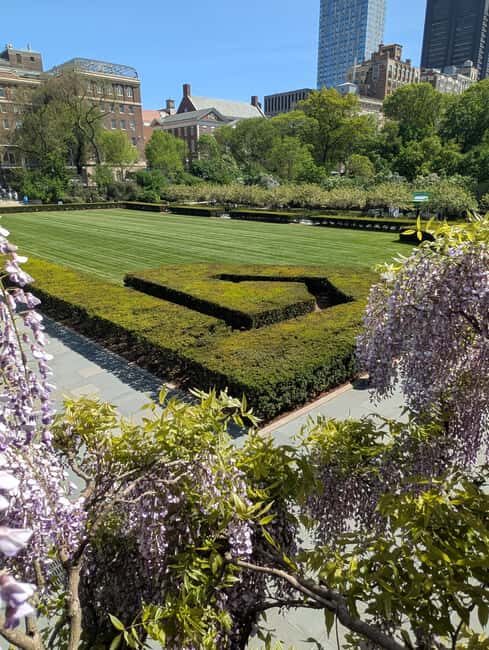
This tour is built for adults and for people who can handle sustained walking. It’s not suitable for children under 12, people with mobility impairments, people who use wheelchairs, people with back problems, people with heart problems, people over 275 lbs (125 kg), and people over 80 years (also listing limits over 75 years).
So ask yourself honestly: can you comfortably walk around a large, uneven park for 150 minutes? If the answer is yes, this tour is a great way to see a lot without rushing. If the answer is maybe, you may be better off with a shorter, more flexible plan.
Age and comfort matter here, and it’s better to choose a day plan that matches your body than to power through.
Quick practical tips to make your day smoother
- Wear comfortable shoes you already trust. You’ll be on foot for the full plan.
- Bring sun protection. Sun hat, sunglasses, and sunscreen are on the list for a reason.
- Use the guide time well. Ask questions during the longer stops like the Mall and Literary Walk and The Ramble.
- Don’t overpack expectations for the quick pass-by areas. Some stops are there for orientation, not lingering.
- Plan your post-tour wandering around Strawberry Fields. That’s your natural handoff point into the rest of your day.
Should you book this Central Park walking tour?
Book it if you want a guided route that helps you understand Central Park as more than photo stops. I think it’s a strong pick for first-timers who want structure, and for repeat visitors who like seeing familiar landmarks through a local lens.
Skip it if you need a fully accessible route, if your health limits make prolonged walking risky, or if you prefer long independent time at just one or two spots. This tour is intentionally paced to cover multiple areas; it’s not a single-place deep session.
If you’re debating between guides, keep an eye on the guide you get. The names Sam and Patrick show up in the best feedback for a reason: patient, caring, and genuinely engaged explanations.
FAQ
FAQ
Where is the meeting point for the tour?
Meet in front of the Jose Julián Martí Statue. Guides will be wearing bright yellow jerseys.
What is the tour price?
The price is $75 per person.
How long is the Central Park walking tour?
It runs for 150 minutes.
Where does the tour start and where does it finish?
It starts at Jose Julián Martí Statue and finishes at Strawberry Fields.
What language options are available?
The live tour guide is available in English and Chinese.
What’s included in the ticket price?
You get bottled water (1) and sunblock.
What should I bring with me?
Bring comfortable shoes, sunglasses, a sun hat, hiking shoes, and sunscreen.
Is transportation included?
No, transportation is not included.
Can I cancel and get a full refund?
Yes. Free cancellation is available up to 24 hours in advance for a full refund.
Is this tour suitable for kids or for people with mobility needs?
It’s not suitable for children under 12, wheelchair users, and people with mobility impairments. It’s also listed as not suitable for people with back problems or heart problems, among other limits.