REVIEW · NEW YORK CITY
NYC: Brooklyn Graffiti & Street Art Walking Tour in Bushwick
Book on GetYourGuide →Operated by Brooklyn Unplugged Tours · Bookable on GetYourGuide
Bushwick feels like the city’s off-the-wall classroom. On this 2-hour walking tour, you’ll follow an expert guide through streets packed with street art, from huge murals to small tags and wheatpaste posters. I love the mix of styles you actually get to see up close, and I love how the guide connects the art to the people behind it, including international artists. One thing to plan for: you’re walking in Brooklyn, so build in subway time from Midtown or Lower Manhattan.
Meet at Wyckoff-Starr Coffee Shop, then get ready for a guided hunt through one of NYC’s street-art hotspots. You’ll learn how the culture changed over decades, and how artists use techniques like stencils and wheatpaste to get their work up. This tour also leans into the personality side—quirky backgrounds, different creative motivations, and how the art circulates.
If you want a quick photo stop where you just wander on your own, this isn’t that. You’ll get more out of it if you’re curious enough to listen while you walk, even when you’re standing still taking pictures.
In This Review
- 6 things you’ll love about Bushwick Graffiti & Street Art on foot
- Why Bushwick Street Art Feels Like a Living Museum
- Starting at Wyckoff-Starr Coffee Shop (and why the meeting point matters)
- The Bushwick Collective portion: seeing art as a community system
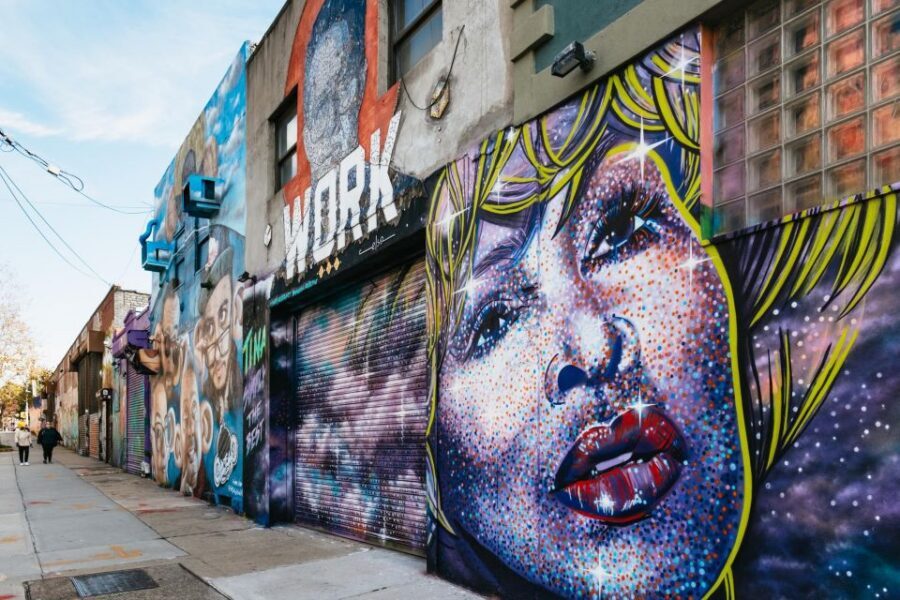
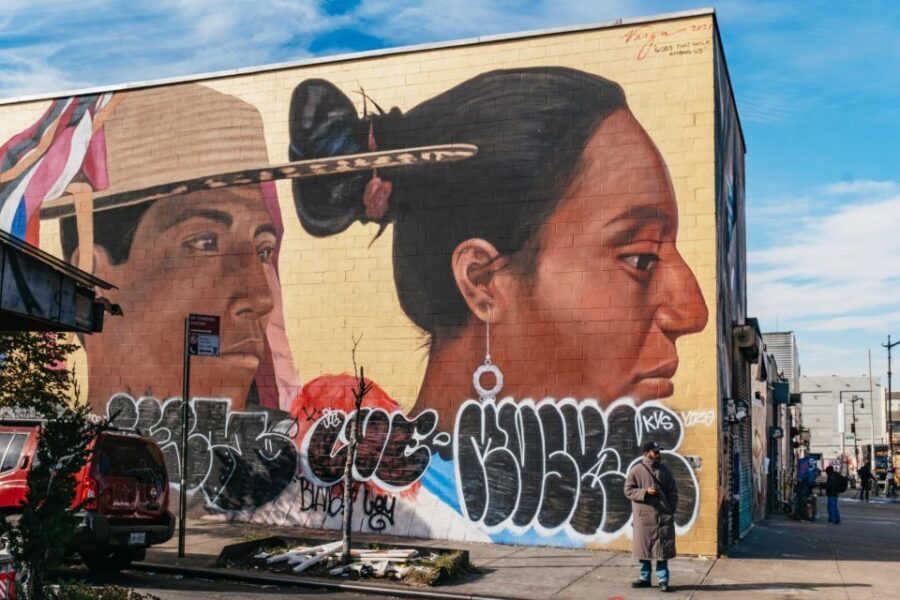
- Murals, wheatpaste, stencils, and tags: what you’ll spot as you walk
- How the guide shapes the whole experience (from Nick to Caty to Derrick)
- It’s a walking tour: what to wear, what to bring, and how to pace yourself
- Price and value: what $32 buys you on these Brooklyn streets
- Who this tour suits best (and who might want a different plan)
- Should you book this Bushwick graffiti and street art walking tour?
- FAQ
- Where is the meeting point?
- Which subway line should I take?
- How long is the tour?
- What does the tour cost?
- What’s included in the ticket price?
- What should I bring?
- Is transportation included?
- What language is the tour guide speaking?
- What styles of street art will I see?
- Can I cancel or pay later?
6 things you’ll love about Bushwick Graffiti & Street Art on foot
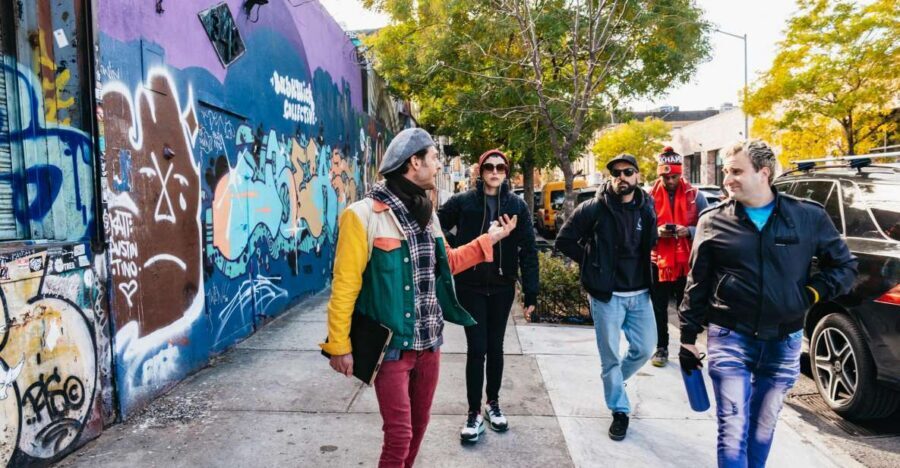
- Murals and street-level techniques: you’ll see big walls and also smaller works like tags, wheatpaste posters, and stencils
- International artist stories: you’ll hear about creators from Europe, South America, and East Asia
- A guide who points you to the best walls: local expertise matters on streets this packed
- Street art as neighborhood memory: the tour explains how the culture evolved in Bushwick over time
- Varied styles, not just one look: the area shows different approaches in the same walking loop
- Sometimes extra art moments: some groups report artist meetings or an artist retrospective during the walk
Why Bushwick Street Art Feels Like a Living Museum
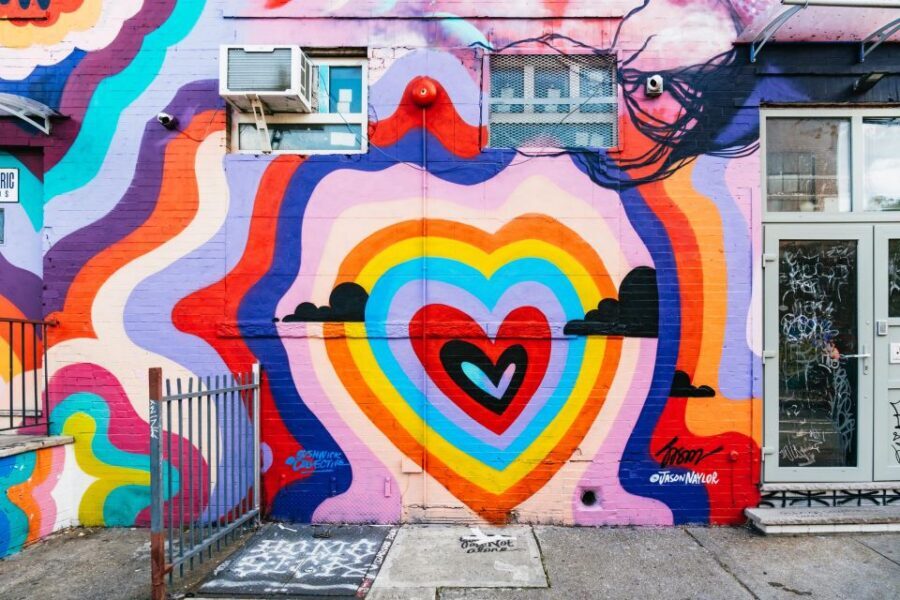
Bushwick doesn’t treat street art like a distant “thing.” It treats it like part of the neighborhood’s daily language. One wall is a statement. Another is a reply. A wheatpaste poster can feel like a note slipped under a door. A stencil can look quick, sharp, and controlled—like a thought written fast.
That’s why this kind of tour works better than scrolling photos on your phone. A walking route forces you to slow down. You start noticing scale, placement, and layering. You also start understanding why the same street can hold different eras at once.
The tour focuses on the “how” and the “why,” not just the “what.” You learn about imaginative artists who turn walls, buildings, and entire neighborhood blocks into a visual conversation. And you get that context while you’re actually standing in the middle of it.
Two-hour street art tours can sometimes feel like nonstop speed-watching. Here, the goal is to make you look with purpose—so your photos and your impressions come out smarter.
You can also read our reviews of more walking tours in New York City

Starting at Wyckoff-Starr Coffee Shop (and why the meeting point matters)
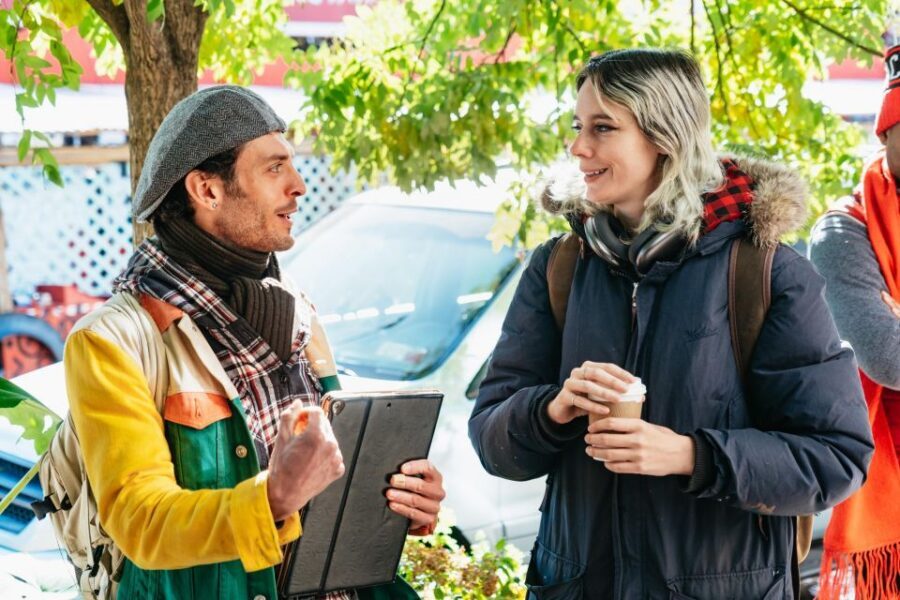
You start in front of Wyckoff-Starr Coffee Shop at 30 Wyckoff Avenue, right between Troutman Street and Starr Street. That detail sounds minor, but it helps a lot. When street art tours spread across a big area, a clear meeting point keeps the whole group from turning into a scavenger hunt.
From transit, the guidance is straightforward:
- Take the L subway line to Jefferson Street
- Expect about a 20-minute ride from there
If you’re coming from Union Square (around 14 Street), plan on roughly 9 stops to Jefferson Street and allow extra time. Midtown transfers add even more, so you’re smart to treat this as a half-day-style commitment even though it’s only two hours on foot.
Also, one small but important note: make sure you’re on Wyckoff Avenue, not Wyckoff Street. They’re different places in different neighborhoods. On a day when you’re also rushing to catch a tour start time, that kind of mix-up is a pain.
The Bushwick Collective portion: seeing art as a community system
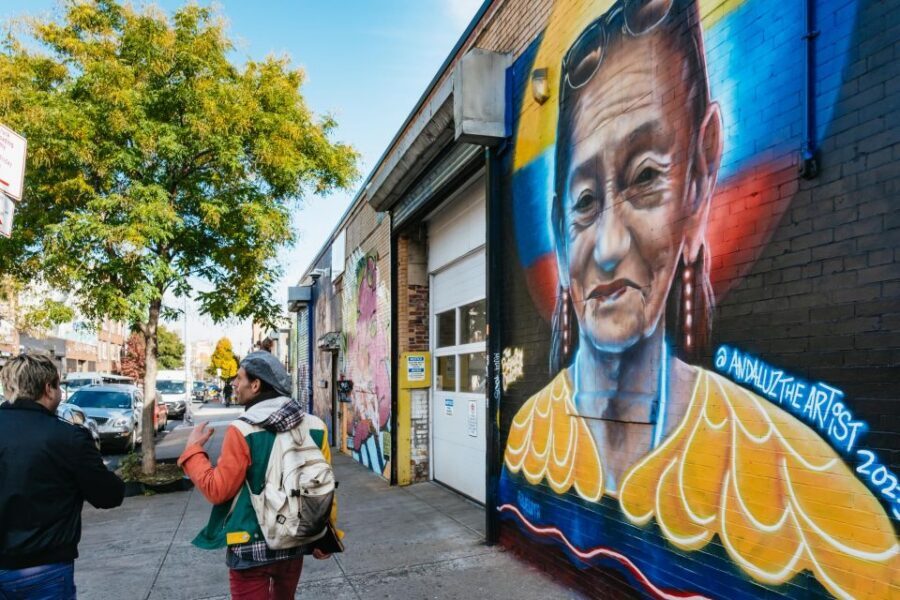
About an hour into the walk, you’ll hit what’s often described as a key starting zone for how Bushwick’s street art scene works. This part isn’t just about collecting photos. It’s about learning how the neighborhood functions like a creative ecosystem.
Here’s what the tour emphasizes during this phase:
- You learn about the personalities and backgrounds of international artists
- You connect the work to the people and the place that made it possible
- You start noticing how artists leave styles, influences, and even attitudes behind on walls
This is also where the tour’s “culture over decades” angle starts to make sense. Early on, street art can look random. Then the guide helps you see patterns: recurring visual languages, shifts in technique, and how the scene adapted as time went on.
And because the tour is guided, you’re not stuck figuring things out alone. A big part of value is getting your eyes trained—learning what to look for and where to look for it.
Murals, wheatpaste, stencils, and tags: what you’ll spot as you walk
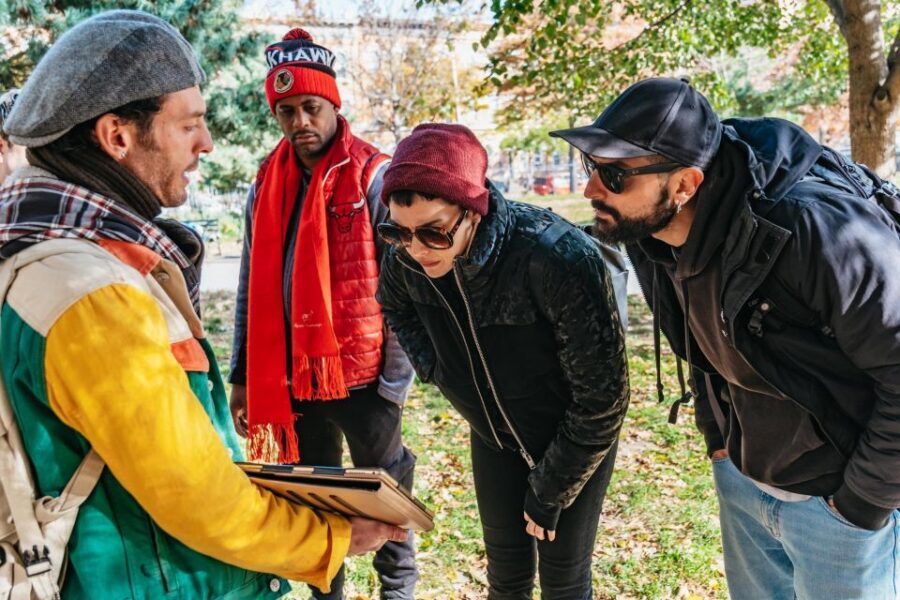
Bushwick street art is not one style. It’s layers of styles. During the second part of the walk, you’ll keep moving through different blocks and different “modes” of street art—so the tour feels like a real cross-section.
Expect to see a range of:
- Murals (large works that can dominate a block)
- Wheatpaste posters (paper-based works that look like they belong to a timeline)
- Stencils (often crisp, repeatable, and quick to deploy)
- Tags (the signature style you’ll spot everywhere once you learn to read it)
You’ll also hear how these tools affect the message. A stencil can spread quickly. A wheatpaste can be temporary but still impactful. A mural can take longer and create permanence. Tags can feel like identity markers—small, fast, and constant.
That practical understanding changes how you see the neighborhood after the tour. Even if you never become a street art expert, you’ll stop seeing walls as blank backgrounds. You’ll start seeing them as surfaces with intent.
How the guide shapes the whole experience (from Nick to Caty to Derrick)
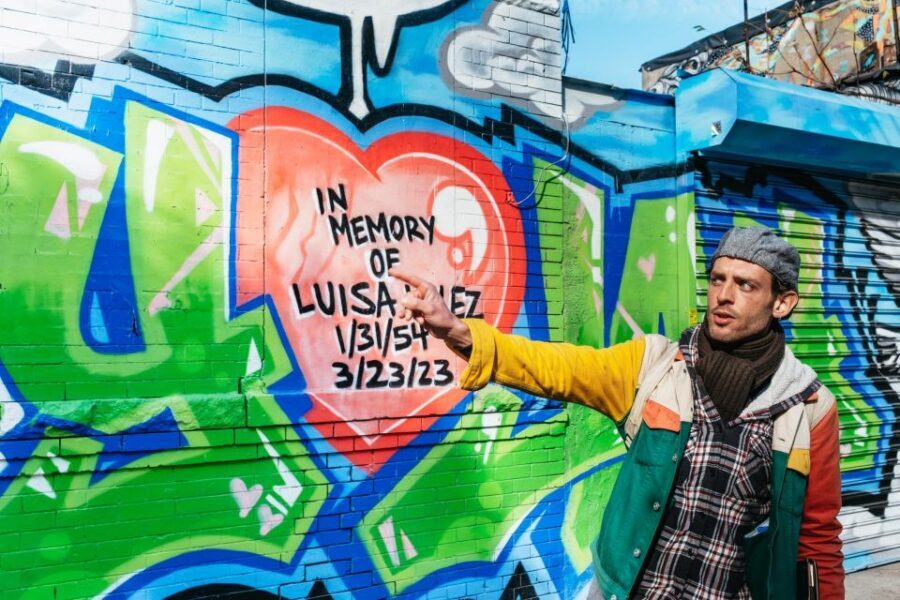
This tour’s biggest strength is the guide. Not just “friendly and speaks English,” but actually present and interpretive—turning what you see into a story you remember.
Across different groups, guides mentioned in the experience include Nick / Nico / Nic, Caty / Katy, Derrick / Derek, Zlada, and Jeff. More important than the name is the role: the guide acts like a local translator between art and neighborhood.
From what you’re told on the walk, the guide tends to do a few key things well:
- explain the history behind what’s on the wall
- connect artists to their backgrounds and creative motivations
- help your group stay together so you’re not constantly chasing the next mural
Several people also note that the guides bring energy—people skills, humor, and interaction—so the walk doesn’t feel like a lecture while you’re standing in the wind with your camera out.
One more bonus: some groups report extra moments like meeting an artist on the street or visiting an artist retrospective. That kind of thing isn’t guaranteed in the information you’re given, but it’s a recurring theme. When it happens, it turns the tour from “watching street art” into “meeting the culture.”




It’s a walking tour: what to wear, what to bring, and how to pace yourself
You only get two hours. That means pacing matters.
Bring:
- Comfortable shoes
- Camera (street art rewards close-up photos)
- Water
- Weather-appropriate clothing
Even in good weather, you’ll be on your feet. Street art isn’t always around a neat loop where every stop is a short block away. You’ll sometimes have to angle your body for the best shot, stand back for a mural overview, and then step in for textures like paint drips, paper edges, or stencil layers.
If you’re the type who takes photos but also wants to understand them later, slow down at the guide’s stops. That’s where you’ll get the context that makes your images mean something.
Price and value: what $32 buys you on these Brooklyn streets
At $32 per person for a 2-hour guided walking tour, you’re paying for three things that are hard to recreate alone:
- Curation: you’ll be shown top local murals rather than wandering randomly
- Context: technique and culture changes are explained while you’re seeing them
- Access to interpretation: a good guide turns walls into readable stories
Could you walk Bushwick on your own with a map and a camera? Sure. But without guidance, you’ll miss a lot of “why this wall, why this artist, why this style here.” That’s the difference between seeing street art and understanding it.
Also, think about the cost of your time. Your subway ride isn’t included, but the tour time is the core value. If you’re short on days and you want the best street art hits, this gives you a structured way to get there.
For many people, that’s why the rating is so high: the tour feels like it delivers both art and meaning in a short window.
Who this tour suits best (and who might want a different plan)
This tour fits best if you:
- love street art but want more than photos
- enjoy history and social context alongside the visual stuff
- like the idea of learning techniques like wheatpaste and stencils in the real place they belong
It may feel less satisfying if you:
- just want a self-guided walk with minimal talking
- expect a museum-style interior experience
- can’t handle being outdoors and walking in Brooklyn for a full chunk of time
Also, it’s a good option if you like “neighborhood as art.” Bushwick isn’t staged for tourists. The art is part of daily life, and that authenticity is exactly what makes the tour worth doing.
Should you book this Bushwick graffiti and street art walking tour?
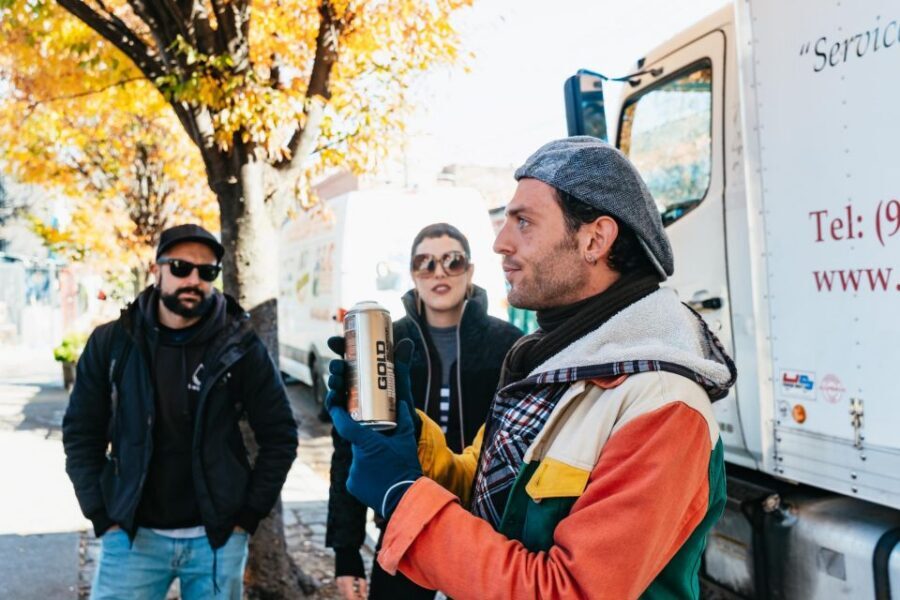
Yes—if you want your Bushwick visit to feel organized and meaningful, book it. The guide-driven approach is the key advantage, and the range of styles you’ll see (murals, wheatpaste, stencils, tags) gives you real variety without needing hours of planning.
Do it especially if you’re the kind of traveler who likes to understand what you’re photographing. If you’re going to Brooklyn anyway and you want street art that comes with stories—artist backgrounds, technique explanations, and how the scene evolved—this is a strong use of a couple hours.
FAQ
Where is the meeting point?
Meet in front of Wyckoff-Starr coffee shop at 30 Wyckoff Avenue, between Troutman and Starr Streets, in Brooklyn.
Which subway line should I take?
Take the L subway line to Jefferson Street.
How long is the tour?
The tour lasts about 2 hours.
What does the tour cost?
It’s priced at $32 per person.
What’s included in the ticket price?
You get a tour guide and the walking tour.
What should I bring?
Wear comfortable shoes, bring a camera, pack water, and dress for the weather.
Is transportation included?
No. Transportation to and from Brooklyn is not included.
What language is the tour guide speaking?
The tour is conducted in English.
What styles of street art will I see?
You’ll see murals, wheatpaste posters, tags, and stencils.
Can I cancel or pay later?
Free cancellation is available up to 24 hours in advance for a full refund, and you can reserve now and pay later.