REVIEW · NEW YORK CITY
New York: Louis Armstrong Private Walking Tour with Concert
Book on GetYourGuide →Operated by Rosotravel US · Bookable on GetYourGuide
New York’s jazz story sounds better when you’re walking it. This private Louis Armstrong tour takes you through key Manhattan stops while a licensed music guide ties the dots between venues, musicians, and the city’s jazz reputation. I like that you’re not stuck in one room with facts; you move between famous sites like Carnegie Hall and end at Birdland with stories you can picture.
Two things I especially like: the guide’s Armstrong-focused anecdotes (including real event history like the 1912 Concert of Negro Music) and the way you get a guided route through recognizable landmarks rather than guessing where to start. One possible drawback: depending on the guide and the moment, some of the jazz material may be read from notes, so go in expecting a guided talk style, not a lecture memorized word-for-word.
In This Review
- Key points at a glance
- Meet at Jazz at Lincoln Center (and stay outside)
- Seventh Avenue to Carnegie Hall: from jazz pioneers to big rooms
- Times Square and Broadway theatres: jazz’s show-business connection
- Hudson Theatre exterior and the Hot Chocolates clue
- Birdland finish: ending at a real jazz address
- The 3-hour option: concert tickets, but your guide does not go
- Price and value: what $192 buys you in practice
- What the guide’s approach feels like (and why it can vary)
- Who should book this Armstrong walking tour
- Should you book?
- FAQ
- Where is the meeting point?
- What’s included in the 2-hour option versus the 3-hour option?
- What languages are available for the guide?
- Will the guide accompany you to the concert in the 3-hour option?
- How many guides will be in my group?
- Can I cancel and get a full refund?
Key points at a glance
- Licensed private guide with music expert commentary in your choice of language
- Armstrong storylines connected to specific Manhattan venues you can actually see
- Streets-to-stages route passing landmarks like Times Square and the Winter Garden Theatre area
- Two tour styles: 2-hour walk only, or a 3-hour day that includes a concert ticket
- Concert is separate in the 3-hour option, so plan around a venue and start time sent by email
Meet at Jazz at Lincoln Center (and stay outside)
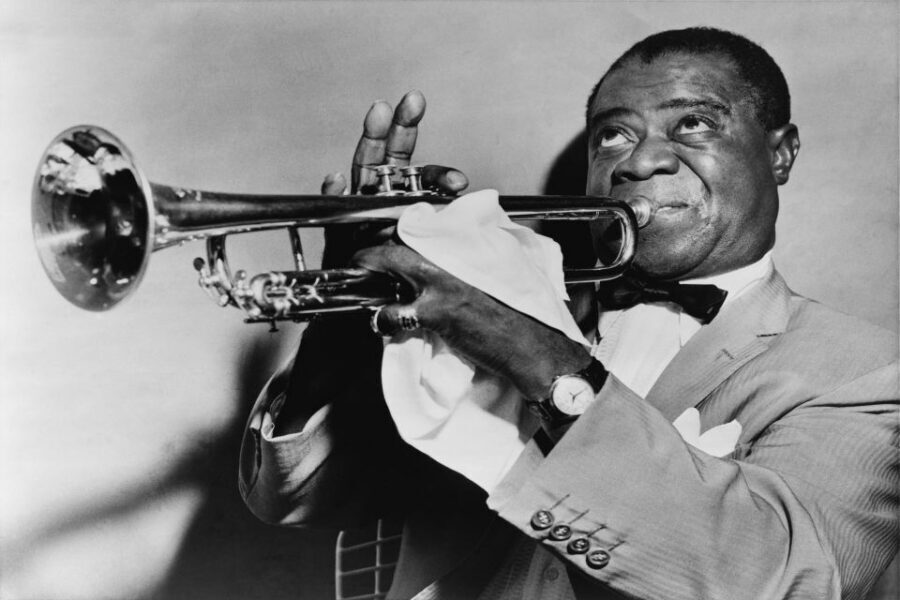
Your tour begins at Jazz at Lincoln Center, 10 Columbus Cir, right by Columbus Circle. Your guide meets you in front of the venue and asks you not to enter—it’s only a meeting point. That matters because you can keep things simple: no tickets to fumble for this stop, and you’re ready to walk right away.
I like the logic of starting here. Even if you know the Armstrong basics, this is a strong “now we’re in the jazz world” signal. From this point, the guide sets the tone: this city didn’t just produce jazz; it built the stage, the audience, and the institutions where jazz could keep evolving.
You can also read our reviews of more walking tours in New York City


Seventh Avenue to Carnegie Hall: from jazz pioneers to big rooms

After you start, you head down Seventh Avenue and look toward Carnegie Hall, another big-name address tied to jazz’s rise. This is where the tour becomes more than sightseeing, because the guide adds context: who was playing, what kind of audience showed up, and why these rooms mattered to the art form.
One of the key story lines includes James Reese Europe and the Clef Club Orchestra. You’ll hear about the 1912 Concert of Negro Music, a major moment in early 20th-century music history that helped bring a wider public attention to Black musical talent. It’s the kind of detail that helps you understand Armstrong’s era as part of a bigger momentum, not just a solo genius story.
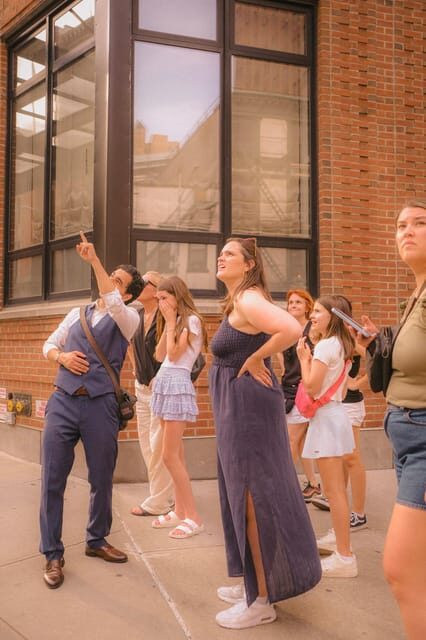
A practical note: since it’s a walking route with street views, you’ll want your photos ready at sidewalks edges. The stops are built for you to look outward at landmarks and let the guide narrate what you’re seeing.
Times Square and Broadway theatres: jazz’s show-business connection

As you walk through the central parts of Manhattan, you’ll pass the bright lights of Times Square and get views related to Broadway theatres, including the Winter Garden Theatre area. This is a fun shift in scenery. The tour uses these places to explain how jazz lived alongside mainstream performance culture.
Here’s what I think this adds for you: it shows jazz as a working, public-facing music. Jazz wasn’t just something happening in clubs out of sight. It shaped nightlife, theatre crowds, and the broader idea of what New York entertainment could be.
If you’re the kind of person who likes “why does this place matter” answers, you’ll probably enjoy this section most. The guide ties the street-level energy to the careers and social life around Armstrong and his peers.
Hudson Theatre exterior and the Hot Chocolates clue
Later, you’ll reach the exterior view of the Hudson Theatre. This stop links to a specific Armstrong performance detail: he performed there in Hot Chocolates in 1929. That year-and-title connection is exactly the sort of information that makes a city feel less random.
Why this works well: a lot of New York landmarks are famous because of architecture or status. Here, the landmark is a doorway into the jazz timeline—what Armstrong was doing, and how his music culture was showing up on major stages.
Also, because you view the theatre from outside, you won’t get slowed down waiting for entry rules. You’re still moving, still hearing stories, still building a map in your head.
Birdland finish: ending at a real jazz address
Your walk ends at Birdland Jazz Club. That’s a smart finish point for two reasons. First, it gives the tour a “you’re here” landing place in Manhattan’s jazz scene. Second, it’s an easy starting point if you want to stay in the area afterward for dinner or pre-show time.
Even if you chose the 2-hour option and are not going to a concert ticket, finishing here can make the whole day feel more connected. You’re not wrapping up at a generic tourist corner. You’re stepping out near a venue that belongs in the same conversation as Armstrong’s era.
You can also read our reviews of more private tours in New York City





The 3-hour option: concert tickets, but your guide does not go
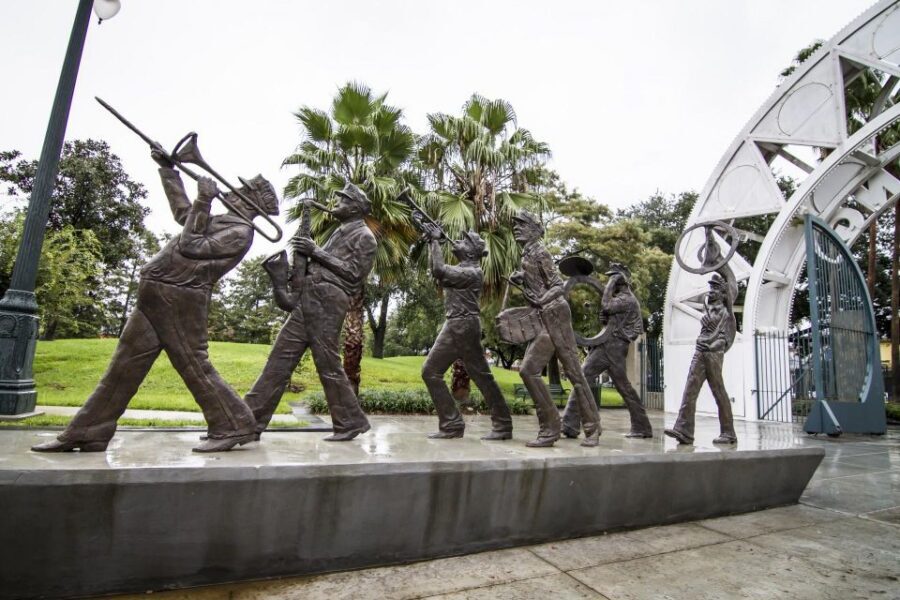
If you choose the 3-hour option, you add tickets to an evening jazz concert at a premier New York venue. The big catch is simple: the concert is a separate attraction, and your guide will not accompany you.
Concert start times typically fall between 5:30 and 8 PM. The venue and program depend on availability, and you’ll receive the exact time and location by email, attached to your message. Because of that, you should plan your evening flow around the emailed details rather than locking yourself into another commitment right after the walking tour.
This structure can actually be good value. The daytime portion gets the landmarks and the stories. Then the evening gives you live sound to connect to everything the guide just mapped out.
Price and value: what $192 buys you in practice
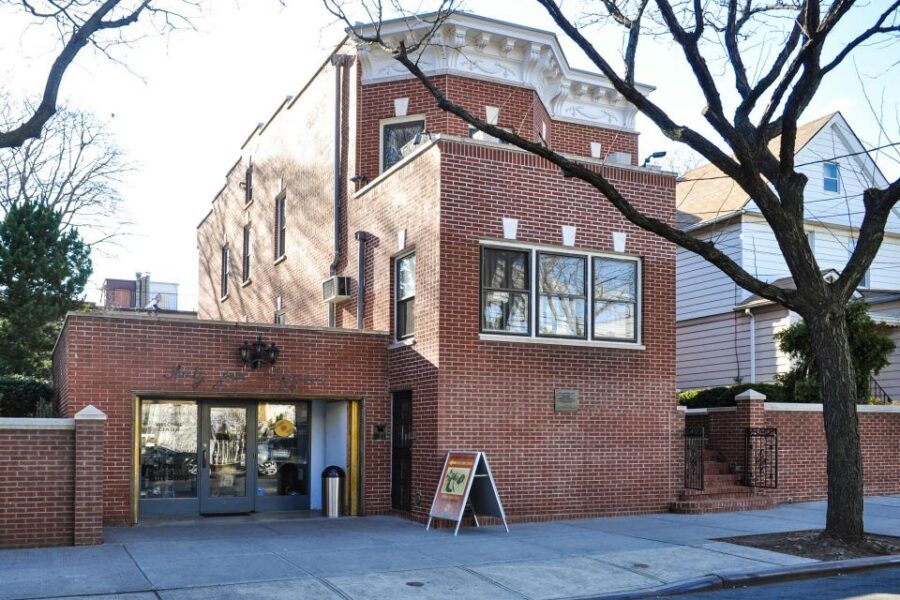
The price is $192 per person, for a duration listed as 2 to 3 hours. The value depends heavily on which option you pick.
- 2-hour option: you get the private jazz walking tour and the guide’s Armstrong and jazz-history commentary, but no concert ticket.
- 3-hour option: you still get the walking tour, and you also get an evening concert ticket.
So the value question becomes: do you want just the story-and-stops walk, or do you also want a live show after? If you’re trying to “do jazz” in a short Manhattan trip, the 3-hour option can be the stronger package because you’re stacking guided context with actual performance time.
Group size also affects how personal it feels. You’ll have 1 licensed guide per 25 guests. For groups of 26–50, there are 2 guides so people can hear, ask questions, and keep the experience comfortable. That’s a useful detail because private tours can either feel intimate or turn into a moving lecture. This guide ratio aims to keep it workable.
One more practical value note: this is a private group, so you’re not competing with strangers for questions or slowing down for unrelated wandering.
What the guide’s approach feels like (and why it can vary)

A private guide can make or break a walking tour, and this one is clearly built around storytelling. The goal is that you walk away with names, dates, and a sense of how jazz became New York’s calling card.
Still, I’d set your expectations realistically. On some tours, the guide may rely on notes for specific jazz details. That doesn’t automatically mean it’s low quality. But it does mean the “feel” can vary by guide and day, especially for dense music history points like the 1912 event.
If you like structured commentary and you’re happy to learn in motion, you’ll likely be fine. If you’re hoping for pure improvisation with zero reading, you might find it more practical to choose based on the overall tour structure rather than expecting a perfect one-person performance.
Who should book this Armstrong walking tour
This tour is a great fit if you:
- want a first-time-friendly path through Manhattan jazz landmarks
- like connecting music history to real places you can point to on a map
- care about Armstrong but also want context around the broader jazz world
It’s less ideal if you:
- want long indoor time inside major venues (this experience starts outside and uses exterior views and streets)
- only want a general overview and not specific historical references (because this tour is built around details)
- cannot tolerate schedule wobble on the day (in at least one real-world case, the experience was canceled by the operator side, and the refund didn’t come back in full)
If you’re visiting New York with a flexible evening and you want both storytelling and a concert option, this is exactly the kind of plan that turns “jazz capital” into something tangible.
Should you book?
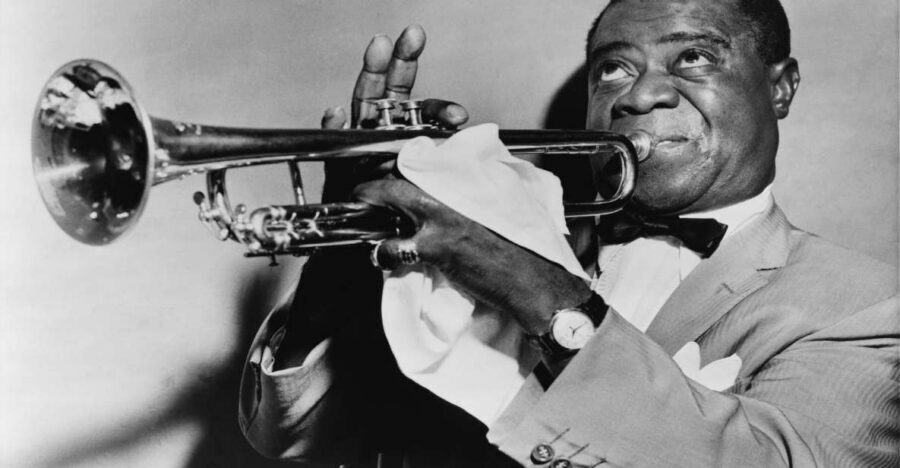
Yes, if you want a guided Manhattan route that links Louis Armstrong to actual landmark stops, and you’re either happy with a 2-hour walk or ready to add the 3-hour concert for live music afterward. The finish at Birdland alone makes this feel like more than a photo loop.
Choose the 2-hour option if you already have evening plans and just want the best story-driven walking segment. Choose the 3-hour option if you want the full arc: places in the afternoon, then a concert ticket in the evening with exact details sent to your inbox.
Bottom line: it’s a smart value when you match the option to your day. And if you like learning jazz history while looking at the city, you’ll probably come away with a much clearer map of where Armstrong fits into New York’s soundtrack.
FAQ
Where is the meeting point?
Meet your guide in front of Jazz at Lincoln Center, 10 Columbus Cir, New York, NY 10023. The venue is only the meeting point, so you should not enter.
What’s included in the 2-hour option versus the 3-hour option?
The 2-hour option includes the private walking tour and jazz history commentary, but it does not include the evening jazz concert ticket. The 3-hour option includes tickets for an evening jazz concert.
What languages are available for the guide?
The guide is available in English, French, Italian, German, and Spanish.
Will the guide accompany you to the concert in the 3-hour option?
No. In the 3-hour option, the concert is a separate attraction and your guide will not accompany you.
How many guides will be in my group?
There is 1 licensed guide per 25 guests. If your group is between 26–50, Rosotravel provides 2 guides.
Can I cancel and get a full refund?
Yes. Free cancellation is available up to 24 hours in advance for a full refund.