REVIEW · BOSTON
Boston: Underground Railroad History Tour of Beacon Hill
Book on GetYourGuide →Operated by Hub Town Tours · Bookable on GetYourGuide
You’ll see Boston’s slavery story up close. This small-group walking tour traces the road to the Civil War through Beacon Hill’s streets, schools, and meeting houses. It’s built to keep things human-sized, so you can actually hear the details without getting swallowed by crowds.
I really like two things right away: the small-group pace and the way the tour anchors everything at real places like the African Meeting House. One caution: it’s an all-outdoor walk with hills and non-ADA-compliant sidewalks, so it’s not a great fit if mobility is an issue.
In This Review
- 6 Key Things That Make This Beacon Hill Tour Worth Your Time
- Beacon Hill’s Underground Railroad Story, Told on Foot
- Starting at Boston Common: Soldiers and Sailors as a Point of Departure
- The Narrow Streets and Landmarks: Mount Vernon Street to Louisburg Square
- Phillips School and School-Based Equality: Where the Fight for Access Played Out
- Charles Street Meeting House and Charles Street: Debates You Can Feel in the Blocks
- Underground Railroad Homes and the People Behind Them
- African Meeting House: The Break and the Heartbeat
- Abolition Talk to Civil War Memory: Charles Sumner House and the Final Push
- Ending at the Shaw and 54th Regiment Memorial on Boston Common
- Price and Logistics: Why the $35 Ticket Feels Fair
- Pace, Terrain, and Who This Tour Fits Best
- Should You Book This Boston Underground Railroad History Tour?
- FAQ
- Where does the tour start?
- Where does the tour end?
- How long is the tour?
- How far do you walk?
- Is the tour indoors or outdoors?
- What’s included in the price?
- What is not included?
- Do I need to bring anything?
- Is it accessible for wheelchair users or people with mobility impairments?
- Are there any rules about recording or bags?
6 Key Things That Make This Beacon Hill Tour Worth Your Time
- Small-group setup helps you avoid the crowd crush on tight sidewalks.
- Real stops on the Black Heritage Trail cover schools, homes, and meeting places tied to anti-slavery work.
- African Meeting House includes a scheduled break and a focused guided visit.
- Underground Railroad homes are discussed right where they stood in the neighborhood.
- Civil War lead-up storytelling connects local actions in Boston to national change.
- Guides like Will, Dana, and Joe are praised for clear answers, strong delivery, and staying open to questions.
Beacon Hill’s Underground Railroad Story, Told on Foot
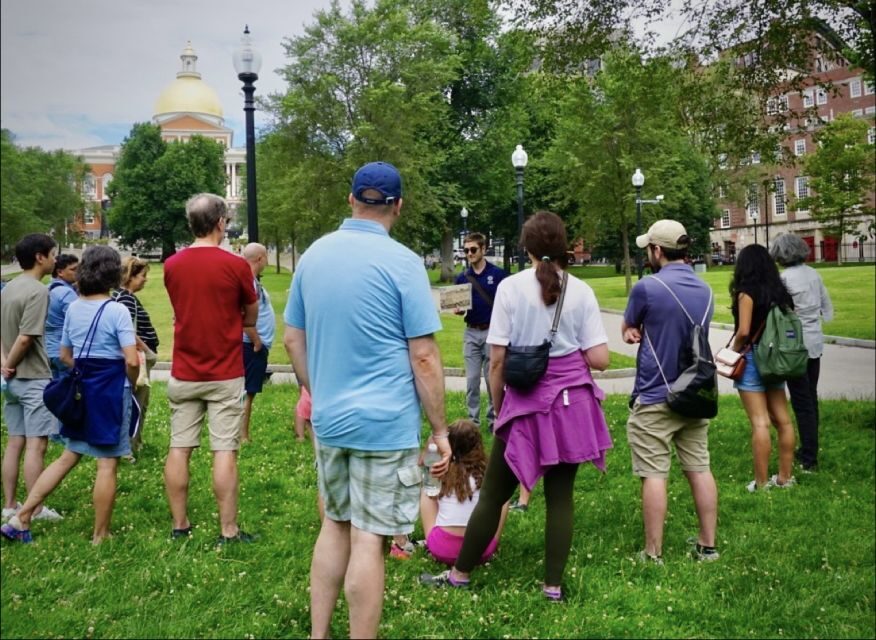
Boston doesn’t hide the past so much as it spreads it out. What this tour does well is stitch the story together as you walk—linking neighborhoods to decisions, and decisions to consequences. You start near Boston Common and move through Beacon Hill’s narrow streets, where wealthy and free Black communities lived blocks apart.
The emotional hook here is the lead-up to the Civil War, but the tour keeps it grounded in daily life. You’ll hear about the fights over slavery, education, and racial integration at a time when the future of the country felt anything but settled. And you’ll do it while looking at the actual addresses and buildings involved—so the history stays concrete instead of staying theoretical.
The other smart choice: the walk is only about 2 miles (3.2 km) and designed to fit into about 150 minutes. That’s long enough to learn a lot, short enough that you’re not turning the day into a slog.
You can also read our reviews of more historical tours in Boston



Starting at Boston Common: Soldiers and Sailors as a Point of Departure
Your tour meets at the Soldiers and Sailors Monument in the middle of Boston Common, right by the Boston Common Visitors Center at 139 Tremont Street (02108). Look for the white granite column topped by a female figure holding a flag, with bronze statues around the base.
This start matters more than you might think. Boston Common is where the city’s public identity shows up—civic pride, remembrance, and national memory. From there, the guide quickly frames the bigger picture: the decades of tension over slavery didn’t stay in distant places. They played out in Boston’s politics, institutions, and communities.
You’ll get a short guided orientation (about 10 minutes) that sets expectations for how the tour connects the Black Heritage Trail landmarks to the wider story of abolition and the road toward war.
The Narrow Streets and Landmarks: Mount Vernon Street to Louisburg Square
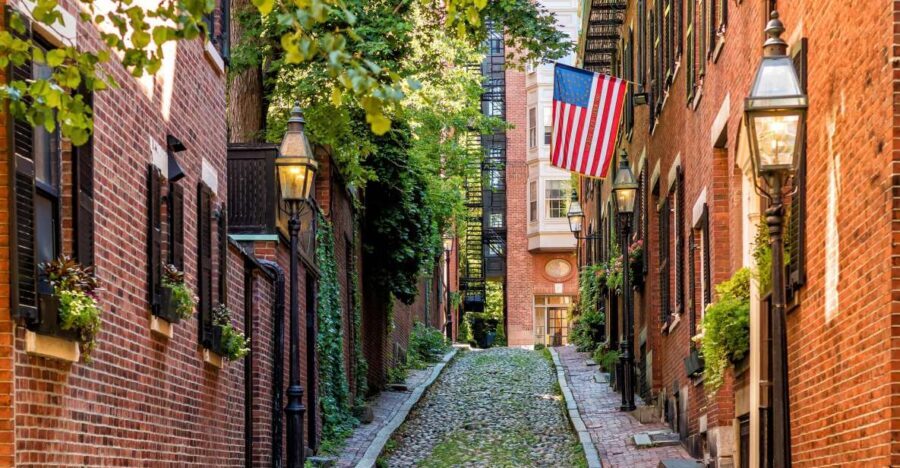
Once you head off Boston Common into Beacon Hill, you’ll start picking up the “shape” of the neighborhood. It’s a classic walking area: tight lanes, historic brickwork, and blocks that feel made for stories that happened in real time.
You pass and stop at several key streets and squares, including:
- Mount Vernon Street (about 5 minutes): a quick orientation to the neighborhood feel before the tour gets more specific.
- Acorn Street (about 5 minutes): short stop, but it helps you picture how close everything was in daily life.
- Louisburg Square (about 10 minutes): a place where you can see how location and access mattered—especially when the city’s wealth and inequality were so close together.
These early stops are useful because they act like context chapters. Instead of jumping straight into heavy topics, you build the mental map first. That makes the later home and school stops easier to follow, especially if you’re learning this subject for the first time.
Phillips School and School-Based Equality: Where the Fight for Access Played Out
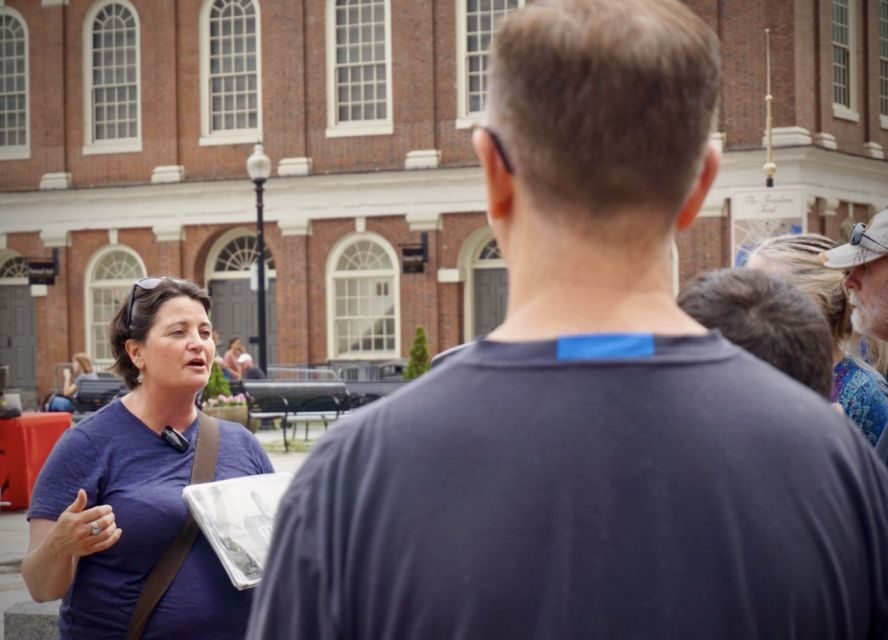
Next comes Phillips School (about 15 minutes), which is a turning point in the tour’s focus. Education is one of the clearest lenses for understanding integration arguments and equality efforts in 19th-century Boston. If you want to grasp why the slavery debate wasn’t only about plantations, this is where it clicks.
You’re looking at the physical footprint of community investment. The tour ties the struggle over schooling to the bigger anti-slavery movement—because when people fight for education and equal access, they’re also fighting for citizenship and safety.
From there, you move through a series of significant sites that keep shifting the story from public action to everyday reality, including stops such as:
- John J Smith House
- Charles Street Meeting House (about 15 minutes)
These buildings matter because the tour is asking you to imagine who could attend meetings, worship freely, organize, learn, and share information. That’s part of how neighborhoods functioned as networks.
Charles Street Meeting House and Charles Street: Debates You Can Feel in the Blocks
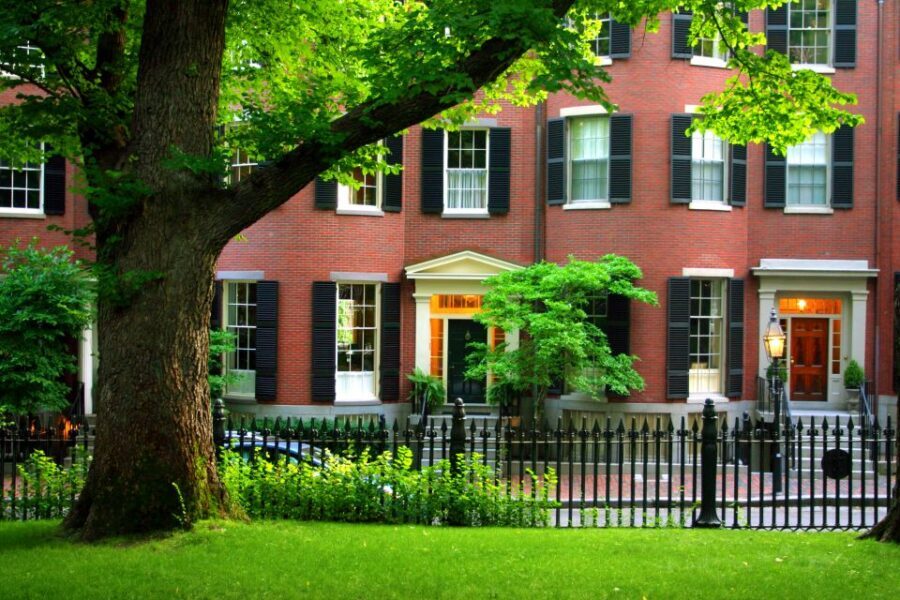
When you get to Charles Street Meeting House and then continue along Charles Street (about another 15 minutes), the guide focuses on the social engine of abolition. Meeting houses weren’t just buildings—they were conversation spaces, organizing spaces, and moral pressure points.
You’ll also hear about how Black and white Bostonians grappled with an intractable conflict. The tour doesn’t treat abolition as a smooth moral march. It frames it as messy, argued, and politically contested—because it was.
From a practical standpoint, these stops also break up the walk. You get short guided segments that keep the pace steady and the attention sharp, instead of long lectures on the move.





Underground Railroad Homes and the People Behind Them
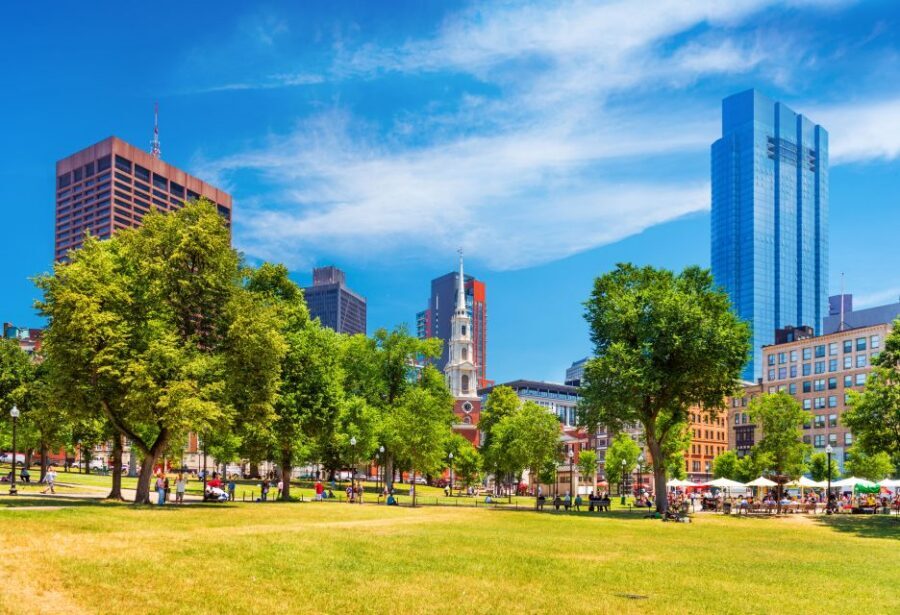
A big reason to choose this tour is that it tackles the Underground Railroad story in a way that stays local and specific. You’ll see homes linked to the Underground Railroad and learn how support systems worked on the ground.
Along this section, you’ll encounter multiple stops, including:
- John Coburn House
- Lewis & Harriet Hayden House (about 15 minutes)
- George Middleton House (about 15 minutes)
You also get some “nearby context” pass-bys like the Otis House Museum and the Old West Church. These aren’t the main focus stops, but they help you understand how the neighborhood connected with broader Boston culture and institutions.
One of my favorite things about the way the tour explains these homes is that it resists the urge to make it a simple rescue story. Instead, the guide emphasizes the real risks, the planning, and the persistence it took to keep people safe while the country headed toward open war.
African Meeting House: The Break and the Heartbeat
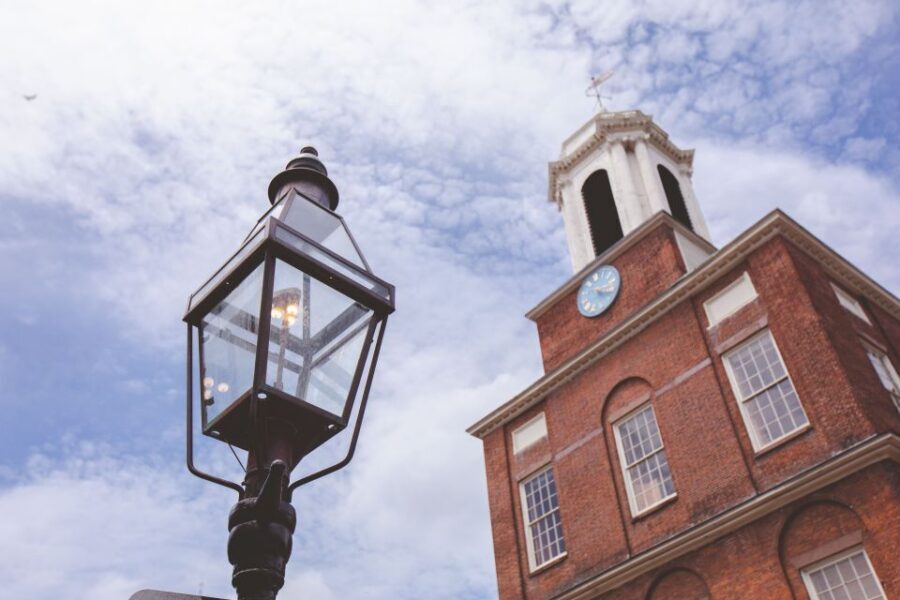
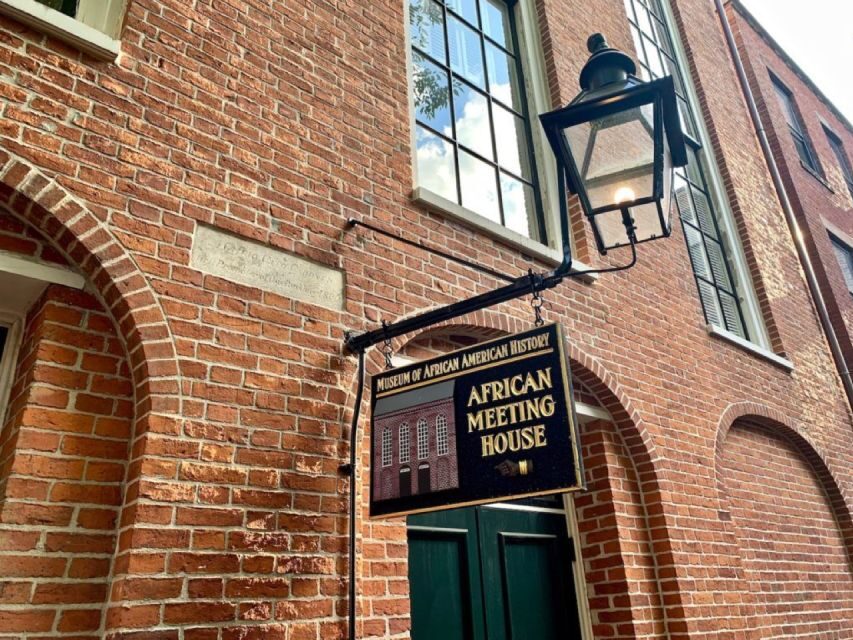
Then you arrive at the African Meeting House (around 20 minutes including a break)—and this is the moment the tour slow-builds toward. The guide uses this stop to bring the community side into focus: free Black life, organized worship, and the social structure behind survival and resistance.
If you’ve ever felt that many tours gloss over Black history with quick mentions, this stop corrects that habit. You spend enough time here to absorb it, and the scheduled break makes it easier to stay mentally present for the heavier discussion that follows.
You’ll learn how African Meeting House life connected with broader anti-slavery efforts. It’s not a separate storyline; it’s part of the same network that supported education, mutual aid, and political change.
Abolition Talk to Civil War Memory: Charles Sumner House and the Final Push
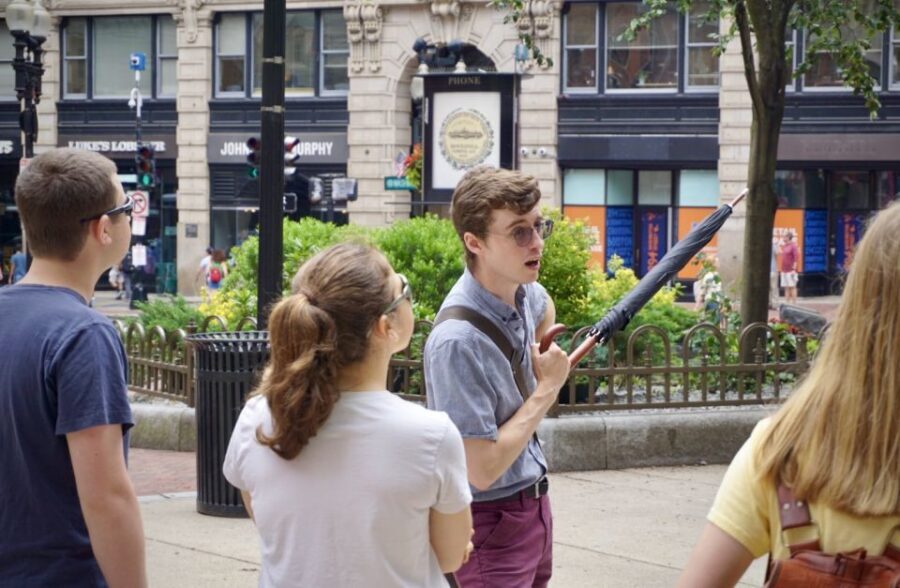
After African Meeting House, the walk continues with more landmark stops that tie the story into the late 1850s, where political change starts feeling unavoidable.
You’ll pass or stop by places such as:
- Charles Sumner House (about 15 minutes)
- Smith Court Residences
- Abiel Smith School
The tour’s pacing here matters. These are information-dense stops, so the guide keeps the segments tight and readable as you move along. Abiel Smith School, in particular, reinforces the education theme again—because the fight for equal schooling kept showing up as Boston’s version of political pressure.
Then you head toward the home stretch:
- Park Street Church (scenic views on the way) gives you a nice sense of orientation as the route moves back toward Boston Common.
- You pass by the Massachusetts State House (about 15 minutes), which helps connect local activism to the state-level political environment.
Ending at the Shaw and 54th Regiment Memorial on Boston Common
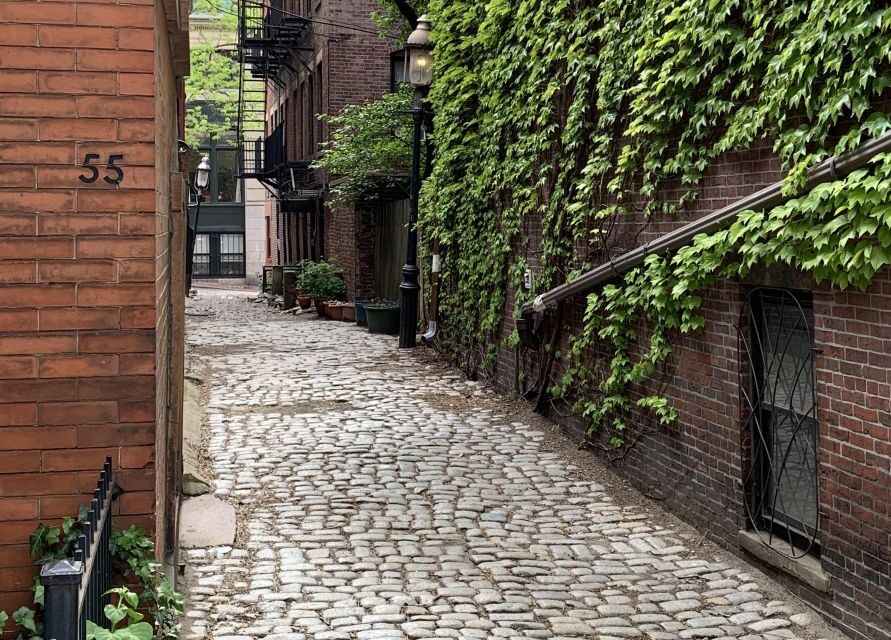
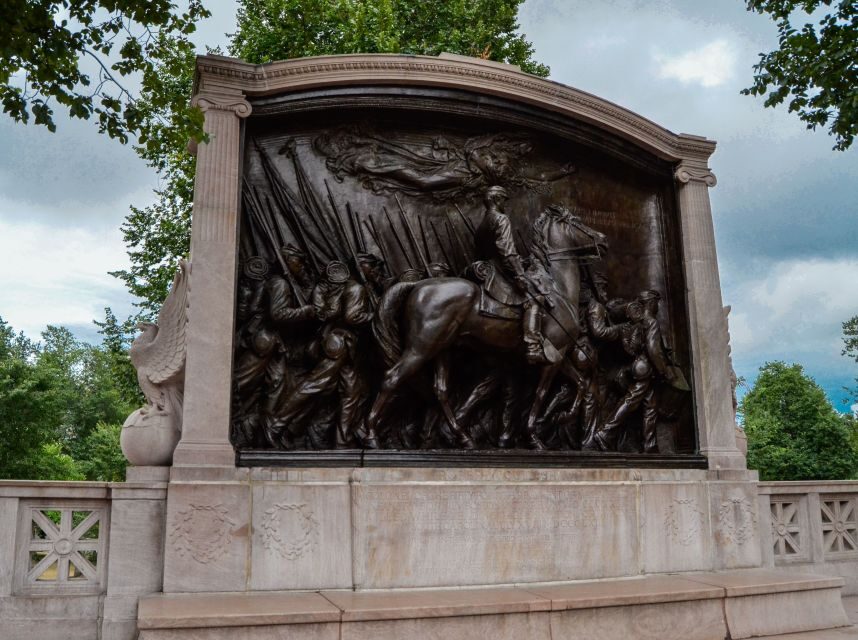
The tour finishes at the Robert Gould Shaw and the 54th Massachusetts Regiment Memorial on Boston Common, just up Beacon Street from the starting point.
This ending is deliberate. The tour starts with community networks and everyday risk, then lands at a memorial tied to one of the most visible symbols of Black military service and the broader transformation happening as the war approached and unfolded.
When you leave, you’ve got a clear mental line: abolition effort in Boston wasn’t abstract. It lived in meetings, schools, homes, and public debates. Then the country’s conflict erupted.
Price and Logistics: Why the $35 Ticket Feels Fair
At $35 per person for about 150 minutes, this tour is priced like a city-based walking experience that’s meant to be accessible. The value comes from a few specific things you’re getting:
- You’re paying for an expert local historian/guide instead of just a self-guided route.
- You’re covering the Black Heritage Trail landmarks as part of a structured story.
- You’re walking through a compact area where the sights are connected, not random.
Also, because it’s designed as a small-group tour, you’re not spending your money on a silent survival mission on crowded sidewalks. That matters in Boston.
You do not get museum admission inside buildings, so if you want to go beyond the exterior/stop content, you’ll need to budget separately for any optional entry you choose later.
Pace, Terrain, and Who This Tour Fits Best
This is a walking tour of about 2 miles, and it’s entirely outdoors, rain or shine. The pace is set to be workable, and it’s short enough that you can handle it if you’re in decent walking shape.
But it’s not gentle-urban-easy. The tour notes steep hills and non-ADA-compliant sidewalks, and it’s not suitable for wheelchair users or people with mobility impairments. It also isn’t recommended for children under 6 or anyone with low fitness.
Practical tips:
- Wear comfortable shoes. Beacon Hill can be deceptive underfoot.
- Dress for the weather since you’ll be outside the whole time.
- Bring only what you need—luggage or large bags aren’t allowed, and video recording isn’t permitted.
Should You Book This Boston Underground Railroad History Tour?
Book it if you want a story-first Boston walk that stays grounded in real places—schools, meeting houses, and homes linked to the Underground Railroad. I especially recommend it if you care about how the road to the Civil War was argued and lived right here in Boston, not just taught as a distant timeline.
Skip it (or look for a different format) if you can’t do hills or uneven sidewalks, or if outdoor walking in variable weather is a struggle.
If you do book, go in with one mindset: you’re not just sightseeing. You’re learning how a city worked—who had access, who faced danger, and how people built networks under pressure.
FAQ
Where does the tour start?
Meet your guide at the Soldiers and Sailors Monument in the center of Boston Common, steps from the Boston Common Visitors Center at 139 Tremont Street (02108).
Where does the tour end?
The tour ends at the Robert Gould Shaw and the 54th Regiment Memorial on Boston Common.
How long is the tour?
The tour runs about 150 minutes (roughly 2.5 hours).
How far do you walk?
Plan for about 2.0 miles (3.2 km) total.
Is the tour indoors or outdoors?
It’s entirely outdoors and operates rain or shine.
What’s included in the price?
The price includes the Black Heritage Trail (10 landmarks), a local historian/expert guide, and the Beacon Hill neighborhood experience.
What is not included?
The tour does not include museum admissions. Gratuity for the guide is also not included.
Do I need to bring anything?
Bring comfortable shoes and clothing that matches the weather.
Is it accessible for wheelchair users or people with mobility impairments?
No. The tour lists steep hills and non-ADA-compliant sidewalks, and it’s not suitable for wheelchair users or people with mobility impairments.
Are there any rules about recording or bags?
Video recording is not allowed, and luggage or large bags aren’t allowed.