REVIEW · NEW YORK CITY
9/11 Memorial Tour + Museum and One World Observatory Option
Book on GetYourGuide →Operated by ExperienceNYC · Bookable on GetYourGuide
Lower Manhattan hits different when someone explains it.
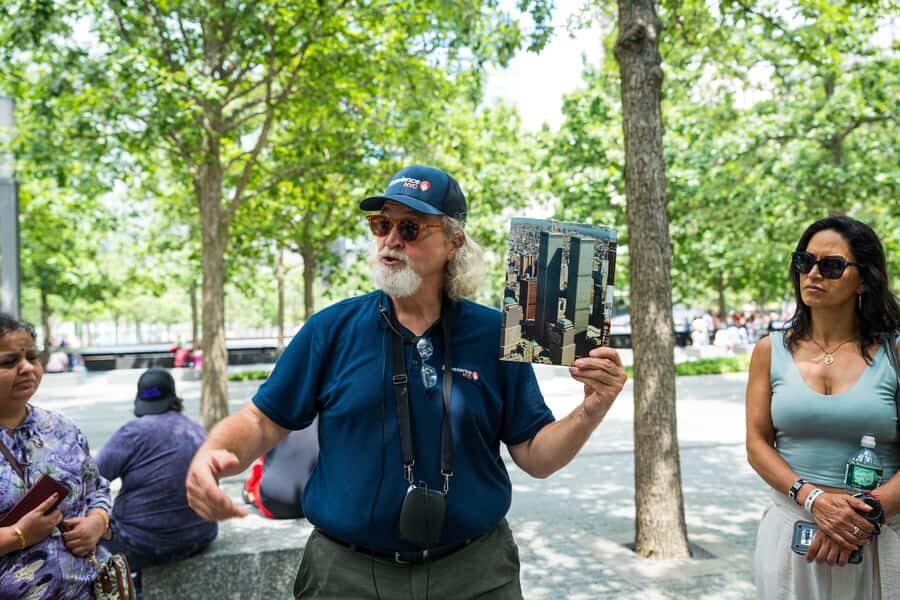
This 9/11 Memorial tour is built around a local guide and the human stories behind Ground Zero, starting right near City Hall and moving you stop-by-stop through the area. I especially like the way it gives you context at the 9/11 Memorial instead of just letting you read plaques and move along.
What makes it feel worth your time is the personal connection your guide brings—people like Ray, Gary, Jim Quinn, and Jared are mentioned for their calm delivery and firsthand perspective. My second big plus is the pacing: you walk the key sites, then you get timed-entry access to the 9/11 Museum and the One World Observatory option so you can choose how long to linger. One possible drawback: the tour includes plenty of pauses and standing still, so plan for that if you need frequent motion breaks.
In This Review
- Key highlights I’d plan around
- Meeting at City Hall and getting your bearings near Ground Zero
- St. Paul’s Chapel: the “little church that stood” moment
- FDNY Ten House: bravery, sacrifice, and why the location matters
- Passing the Oculus and the story of rebuilding
- The 9/11 Memorial: the twin pools and names etched in place
- After the walk: 9/11 Museum time at your own pace
- One World Observatory option: skyline views with grounded context
- Price and value: what $32 buys you (and why it’s not just “cheap”)
- Who this tour fits best
- Final call: should you book this 9/11 Memorial + Museum + Observatoy option?
- FAQ
- Where does the tour start?
- How long does the experience take?
- What will I see during the walking portion?
- Is the 9/11 Museum included?
- Can I upgrade to the One World Observatory?
- Is there a skip-the-line feature?
- Is the tour wheelchair accessible and in English?
Key highlights I’d plan around
- City Hall meeting point gets you positioned fast for Ground Zero without a long commute beforehand
- St. Paul’s Chapel is treated as a turning-point stop, not just a photo stop
- FDNY Ten House adds a frontline angle through nearby-fire-station context
- Oculus walkthrough connects the rebuilt Lower Manhattan story to modern transit
- Twin reflecting pools and Survivor Tree are explained through the memorial’s design symbolism
- Museum + One World Observatory option lets you follow the story from memory to artifacts to skyline views
Meeting at City Hall and getting your bearings near Ground Zero
Your day starts at the City Hall Subway Station (lines R and W), at the intersection of Warren Street and Broadway. I like this because it feels close enough to Ground Zero that you don’t spend your energy hunting for the right subway exit or fighting traffic before you even begin.
From there, the tone sets quickly. This isn’t a speed-run through famous sights. It’s a guided walk designed to help you understand what you’re looking at—physically and emotionally. That matters here, because Lower Manhattan is layered: old landmarks are still there, new buildings rise above, and the memorial is part of a living city, not an isolated monument.
You can also read our reviews of more museum experiences in New York City


St. Paul’s Chapel: the “little church that stood” moment
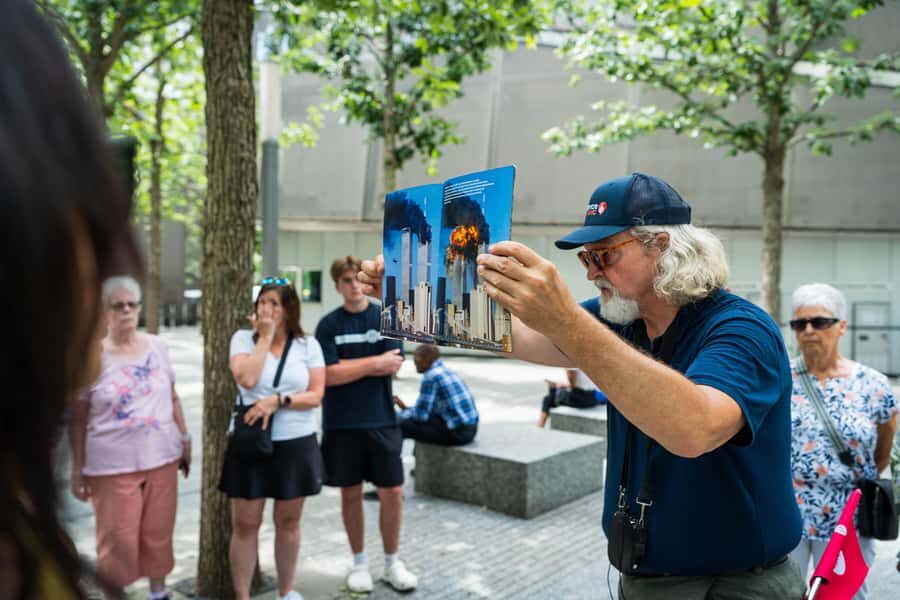
One of the first stops that anchors the whole experience is St. Paul’s Chapel, often described as the little church that stood. It survived the collapse of the Twin Towers and became a refuge for first responders. On a regular self-guided visit, you might notice the building and move on. With a guide, you’re pushed to understand why this particular structure is remembered: it’s tied to survival and immediate care, not just the day’s tragedy.
This is also where the tour’s “local perspective” really comes through. Guides connected to 9/11 frequently describe how people nearby coped, what they saw, and what the neighborhood felt like before and after. In the guide stories shared on this tour, Gary and Ray stand out for bringing that personal detail into the room without turning it into theater.
Practical tip: if you’re someone who gets emotional quickly, give yourself a moment at this stop. The chapel is small, and the shift in mood can happen fast.
FDNY Ten House: bravery, sacrifice, and why the location matters
Next comes FDNY Ten House, the fire station closest to the World Trade Center. The value of this stop isn’t only that it’s meaningful—it’s that it’s specific. When you hear about the events from the perspective of the nearest station, the timeline becomes more concrete.
That specificity shows up in the way guides answer questions. Ray, for example, is mentioned for making time for questions before moving on, and for being honest when answering. I’d treat that as a signal: this tour is designed for dialogue, not just lectures.
What to watch for: you’ll likely notice how the streets connect to the rest of the walk. The area’s layout can make you feel the “distance” between points. A good guide helps you translate the map into what it meant in real time.
Passing the Oculus and the story of rebuilding
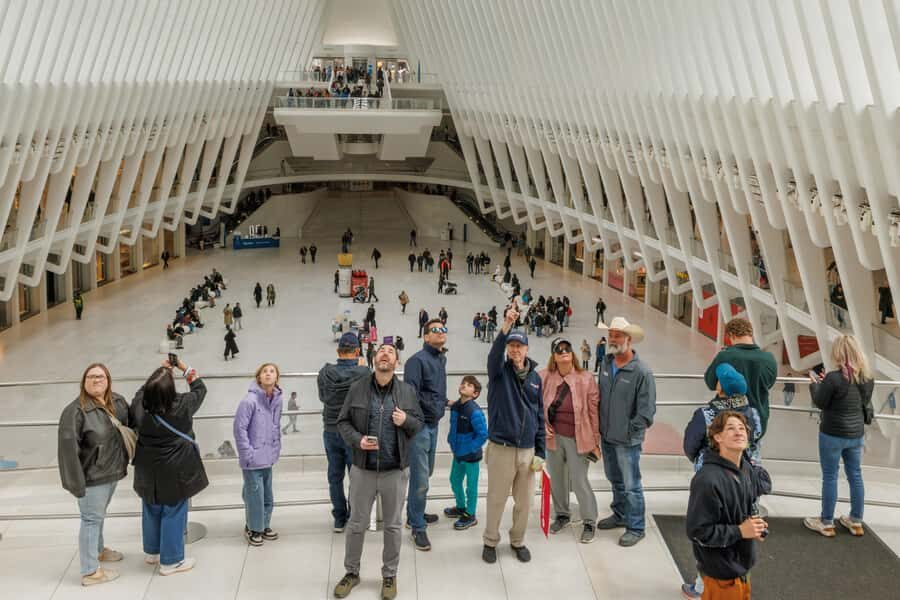
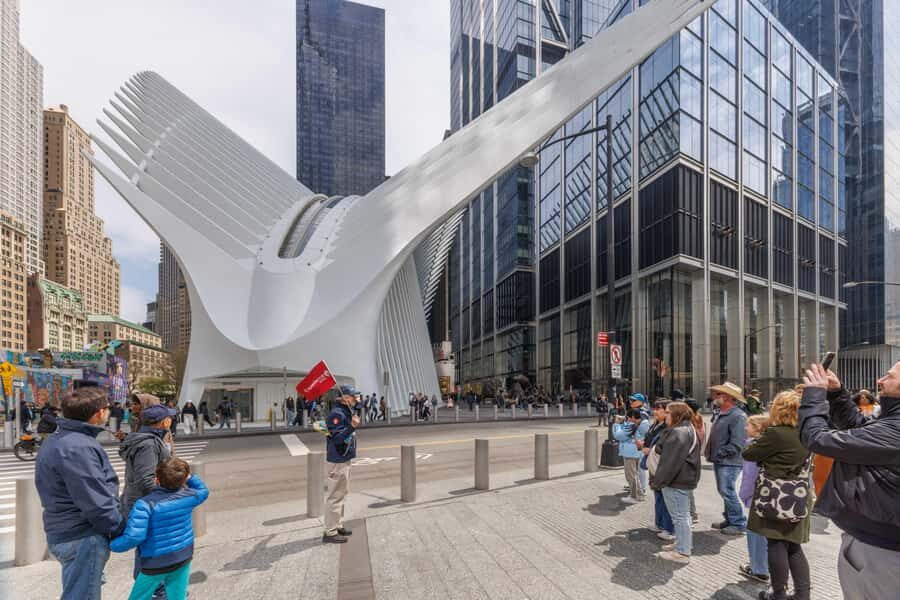
Downtown doesn’t just look rebuilt—it was rebuilt with a lot of intention, and the tour’s stop through the Oculus is where that becomes visible. The Oculus is the soaring transportation hub, and your guide explains how it fits into the broader story of renewal and remembrance.
I like this part because it stops the day’s story from feeling frozen in time. Instead of only looking backward, you get a sense of how Lower Manhattan is used now—commuters, commuters’ routines, and the city’s day-to-day rhythm. That rhythm can be jarring when you’re carrying the emotional weight from earlier stops, so it helps to have a guide frame what you’re seeing.
If you’re the type who likes “why did they build it like this?” questions, this segment will likely satisfy you. It turns the modern architecture into a discussion about meaning.
The 9/11 Memorial: the twin pools and names etched in place
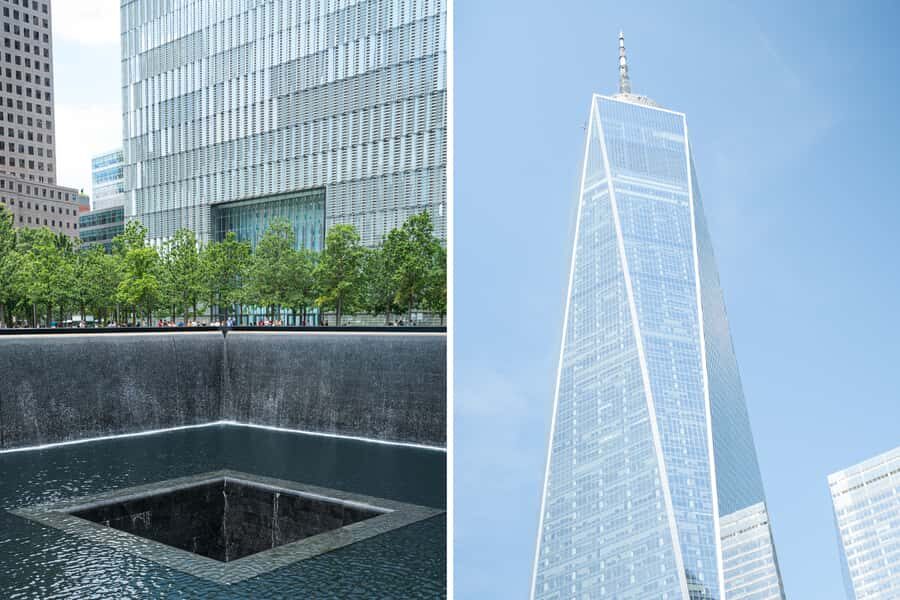
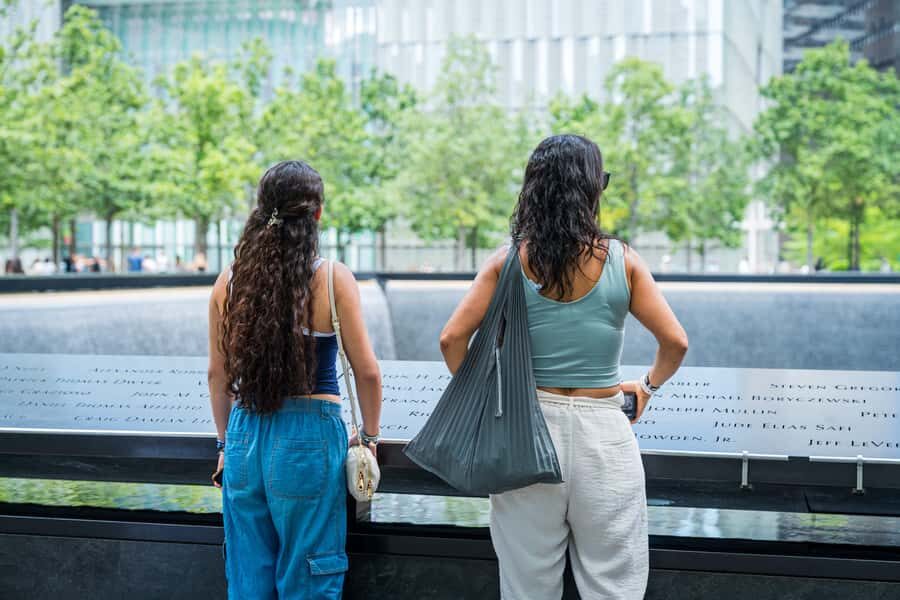
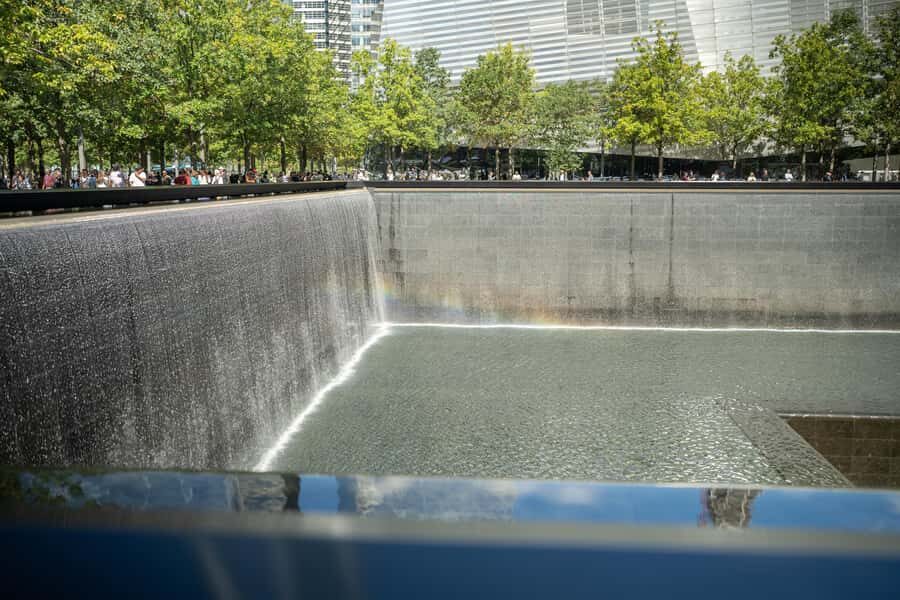
Eventually you reach the heart: the 9/11 Memorial and the twin reflecting pools set in the original footprints of the towers. The memorial includes the names of nearly 3,000 victims, engraved and organized in a way that gives you a sense of scale without reducing anyone to a number.
This is one of those places where a guide changes everything. Standing there alone, you’ll read what’s on the surface. With a guide, you get symbolism explained—why the pools look the way they do, what the design intends you to notice, and how the space is meant to support reflection.
The Survivor Tree is a major focus here. It’s presented as a living testament to resilience. I find that detail matters because it gives you a physical “through-line” from the wreckage to what endured. It also helps you shift from shock to steadier thought.
Practical note: this part can feel quiet and still. If you need breaks, don’t wait until you’re uncomfortable—ask your guide at appropriate moments.





After the walk: 9/11 Museum time at your own pace
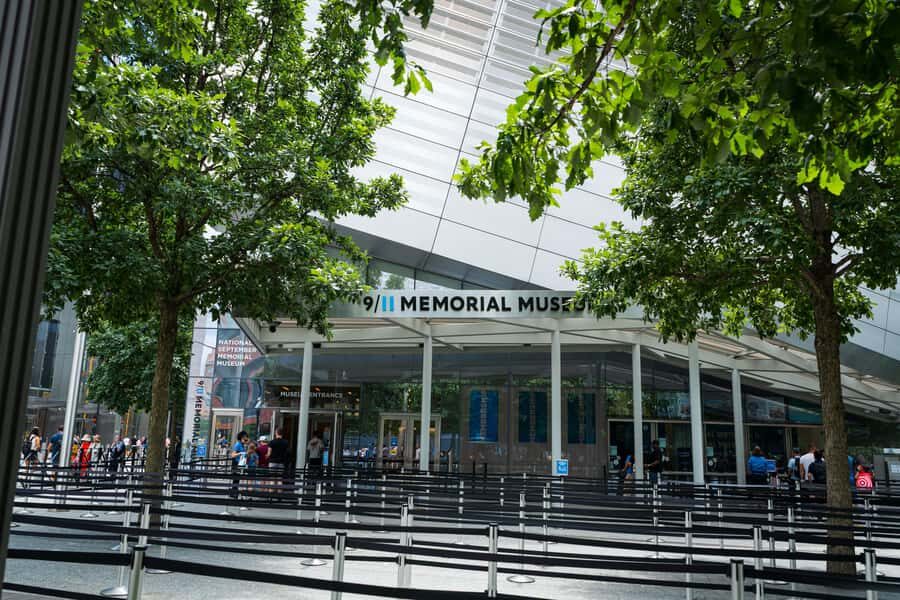
Once the walking tour ends, you transition to the 9/11 Museum with timed-entry access, which is a big practical win. The museum has a lot to process, and timed entry helps you avoid losing your momentum to long lines and crowd chaos.
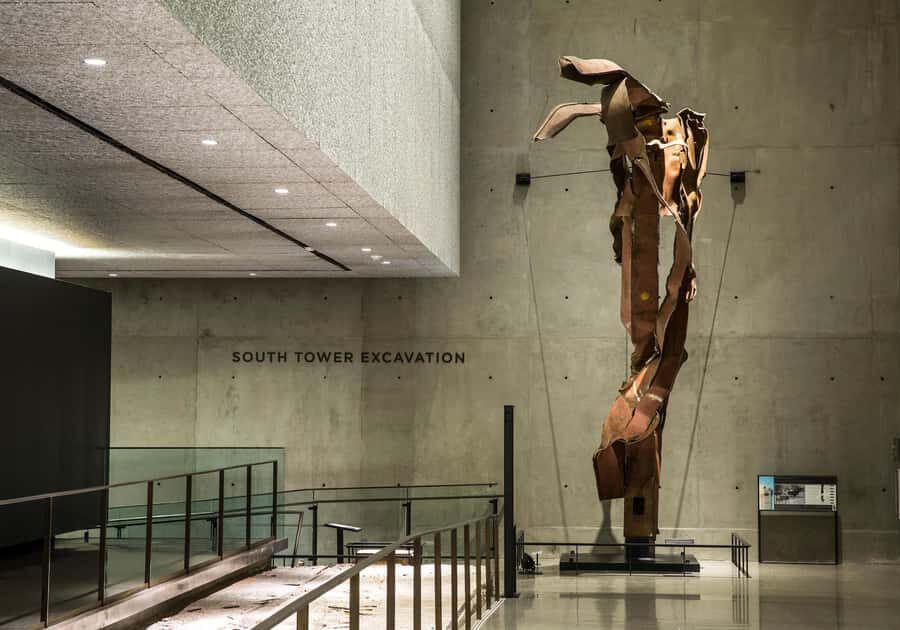
In the museum, you can explore exhibits and personal accounts at your own pace. This self-guided portion is valuable because it lets you slow down when something hits you. It’s also where you can choose what to focus on—some people spend more time on artifacts, others on the stories.
This is also where the guide’s work pays off. When earlier stops make you ask questions, the museum often provides the evidence and deeper context those questions need.
Tip: give yourself a realistic chunk of time. Don’t plan on rushing it just because the first phase felt short. The museum tends to expand the emotional journey.
One World Observatory option: skyline views with grounded context
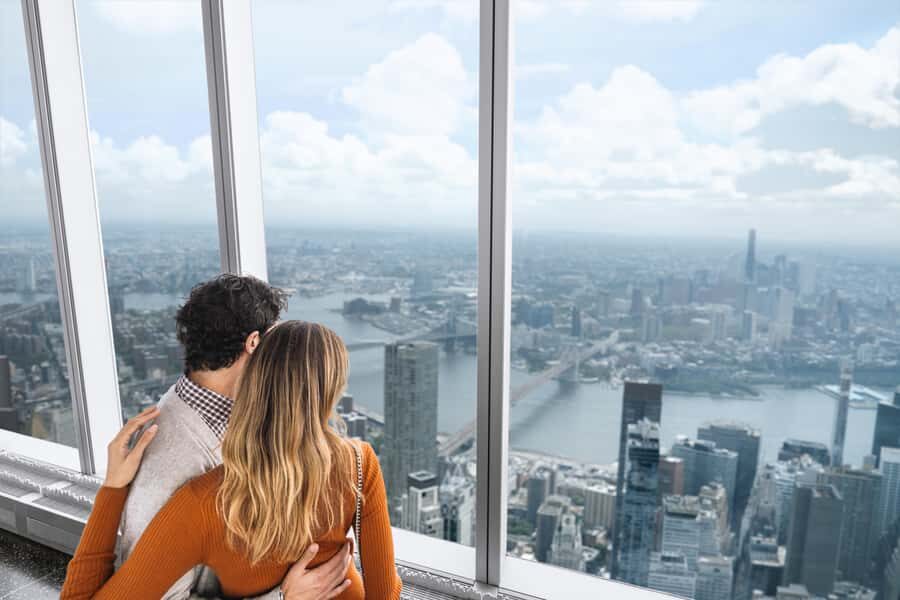
If you choose the One World Observatory option, you’ll head to the top of the tallest building in the Western Hemisphere. The payoff is panoramic skyline views—an immediate reminder that New York keeps moving.
What’s smart about adding this after the memorial is sequencing. You don’t go up first, looking for views to distract you. You go up after absorbing the story, so the cityscape feels more meaningful than just postcard scenery.
One review detail that’s genuinely helpful: the observation decks are on floors 100–102, and there’s also a restaurant on deck 101. Another practical note from that same perspective: the decks are behind glass, so on brighter days you’ll want to time your photos and angles.
Is this the right thing emotionally for everyone? It can be. I think it works best when you treat the view as the last chapter, not a reset button. If you’re the type who needs quiet time after the museum, schedule the observatory portion with that in mind.
Price and value: what $32 buys you (and why it’s not just “cheap”)
At about $32 per person, this is a strong-value combo because it stacks three parts in one flow: a guided Ground Zero and memorial walk, access to the museum experience afterward, and an upgrade path to the One World Observatory.
The “value” isn’t only cost—it’s time and order.
- A guided walk saves you from piecing together context on your own at a site that doesn’t reward skimming.
- Timed-entry museum access helps you spend more energy inside the story and less in lines.
- The observatory option extends the day into a broader view of the city.
Also, the guide-driven component matters here more than in many tours. You’re not buying entertainment. You’re buying guided meaning and clarity—especially when the guide shares personal stories.
Who this tour fits best
This is a great pick if you want:
- A respectful guided experience the first time you visit the memorial area
- Local storytelling that explains why specific places matter
- A structured walk that still leaves room for independent time in the museum
It may be a tougher fit if you need lots of movement breaks, because the itinerary includes moments where you pause and stand.
On the positive side, there’s also evidence this works across ages. One guide is praised for patience with a 12-year-old and support for an 80-year-old family member who doesn’t speak English. That doesn’t mean it’s guaranteed for every group, but it does suggest the guides tend to adapt.
Final call: should you book this 9/11 Memorial + Museum + Observatoy option?
I’d book it if you’re visiting for the first time and want your visit to feel guided, organized, and emotionally clear. The strongest reason is the combination of expert local storytelling plus structured stops at St. Paul’s Chapel, FDNY Ten House, the Oculus, and the twin pools—then the option to continue at the museum and look out over the city from the observatory.
I’d hesitate only if you know you struggle with stillness and you don’t want to deal with an experience where pauses are part of the respect. If that’s you, consider planning extra breaks and wearing comfortable shoes.
FAQ
Where does the tour start?
Meet your guide in front of the City Hall Subway Station for lines R and W, at the intersection of Warren Street and Broadway.
How long does the experience take?
The duration is listed as 1.5 to 5 hours, usually offered in the morning and afternoon.
What will I see during the walking portion?
You’ll visit Ground Zero and the 9/11 Memorial, including stops such as St. Paul’s Chapel, FDNY Ten House, the Oculus area, and the reflecting pools and Survivor Tree.
Is the 9/11 Museum included?
The option includes access to the 9/11 Museum after the tour, with timed-entry access mentioned in the description.
Can I upgrade to the One World Observatory?
Yes—this is the One World Observatory option, and you’ll visit One World Observatory after the tour for panoramic views.
Is there a skip-the-line feature?
Yes. The description says skip the line through a separate entrance.
Is the tour wheelchair accessible and in English?
Yes, it’s listed as wheelchair accessible, and the live tour guide is English.