REVIEW · NEW YORK CITY
Contrasts of New York Tour
Book on GetYourGuide →Operated by New York Luxury Travel Inc · Bookable on GetYourGuide
New York at speed can still feel real. This Contrasts of New York Tour strings together Harlem, the Bronx, Queens, and Brooklyn with a live bilingual guide and transport included, so you’re not stuck figuring out how to connect neighborhoods on your own. What I love is how it targets big cultural anchors you actually want to see, like the Apollo Theater area and Yankee Stadium murals. I also like the variety of city scenes, from classic brownstones to park-and-bridge views.
The tradeoff is time. A lot of the route is by bus, so Queens (and some other stretches) can feel more like a fast pass than a deep hang-out. Still, for a first-time sweep, it’s a strong way to get oriented.
In This Review
- Key highlights to know before you go
- Why this 4-hour Harlem-to-Brooklyn route makes sense
- Meeting point at 7th Avenue and West 53rd Street
- Manhattan’s contrast zone: Harlem stops like Apollo and the Brownstones
- The Bronx focus: Joker Steps, Yankee Stadium, and mural landmarks
- Queens by bridges and landmarks: Saint Joseph School to the Unisphere
- Brooklyn then: Williamsburg and your final choice of Dumbo or Chinatown
- Guide quality and the reality of bus time
- Price and value for a $55 neighborhood sprint
- Who should book this tour
- Should you book the Contrasts of New York Tour?
- FAQ
- How long is the Contrasts of New York Tour?
- Where does the tour start?
- Which neighborhoods will the tour visit?
- Does it include a guide and transportation?
- What languages is the guide available in?
- What happens at the end of the tour?
- Is free cancellation available?
- How much does it cost?
Key highlights to know before you go

- Four borough neighborhoods in one run: Harlem, the Bronx, Queens, and Brooklyn without the logistics headache
- Icon stops you can’t fake: Apollo Theater zone, Yankee Stadium area, Unisphere at Flushing Meadows
- Murals and photo moments built in: including Big Pun and I Love the Bronx mural themes
- End choice: Dumbo or Chinatown for a final walk and different flavor of Brooklyn vs Manhattan
- A guide matters here: people specifically praise guides like Luis for keeping the energy up
- Bus time is part of the deal: expect some stretches to be quick even if the view is great
Why this 4-hour Harlem-to-Brooklyn route makes sense
For $55, you’re buying a shortcut: a structured way to cover multiple boroughs in just a few hours with transport and a live guide. That’s the real value. When you DIY it, the “time tax” adds up fast—subway transfers, figuring out directions, and getting back out to the next neighborhood. Here, you’re moving as a group and spending more time seeing than planning.
What makes this tour especially useful is the way it’s built around contrasts. You’ll go from Harlem’s classic music-and-theater landmarks to the Bronx’s stadium-and-mural scenes, then to Queens bridges and a world-famous park landmark (the Unisphere) before landing in Brooklyn’s more style-forward zones like Williamsburg and possibly Dumbo. It’s not trying to be a single-theme tour. It’s trying to show you how New York changes block by block.
Just go in with the right expectations. This is a neighborhood sampler, not a slow, museum-style day. If you’re the type who wants to linger in cafés and browse side streets for hours, you’ll likely want to book this first, then come back on a second trip.
You can also read our reviews of more tours and experiences in New York City.



Meeting point at 7th Avenue and West 53rd Street
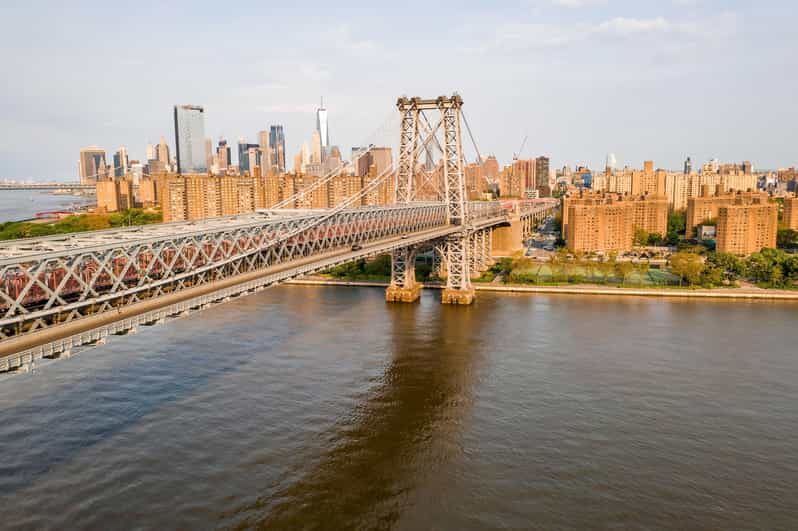
The tour starts at 7th Avenue & West 53rd Street. That’s a fairly central, easy-to-reach spot if you’re already planning to be around Midtown. Still, one practical note: one booking experience highlighted pickup confusion and a long wait after an email told people to show up early, with the group eventually regrouping elsewhere.
So here’s what you should do to avoid stress:
- Give yourself buffer time to find the exact pickup point at the corner.
- Keep an eye on any messages in the tour app the day-of.
- If you’re early, stay close to the pickup area rather than wandering off.
Once everyone connects, the pace shifts into “go mode,” and that’s when the tour starts to make sense.
Manhattan’s contrast zone: Harlem stops like Apollo and the Brownstones
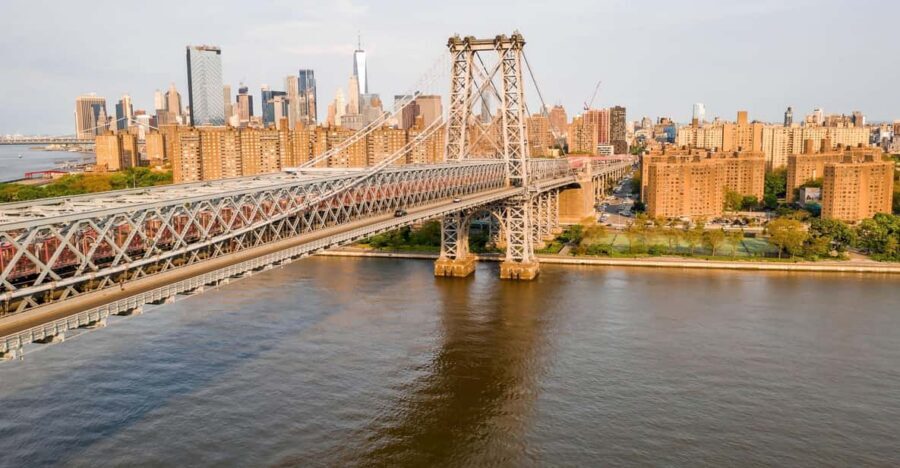
Your first big cultural shift is Manhattan, focused on Harlem. Even when parts of Harlem are covered from the bus or via passing viewpoints, the guide-style framing matters. Harlem is the kind of neighborhood where place names carry weight, and you get context fast.
Look out for the tour’s Harlem anchor stops:
- The Cotton Club area (you’ll connect the name to the bigger story of American music and performance)
- Apollo Theater area, one of the city’s most famous stages
- Brownstones in the Harlem-to-streetscape vibe sense, where architecture helps you read the neighborhood quickly
Why this part is valuable: Harlem isn’t just a “pretty neighborhood” stop. It’s a place you’ll want to understand in layers—music history, community identity, and the way the streets look today compared to what you might’ve learned from books or media.
If you want a simple approach for photos, plan to capture street-level scenes when you can, not just skyline shots. The details—stoops, façade rhythms, the theater-adjacent energy—are what make these stops feel like New York, not a postcard.
The Bronx focus: Joker Steps, Yankee Stadium, and mural landmarks
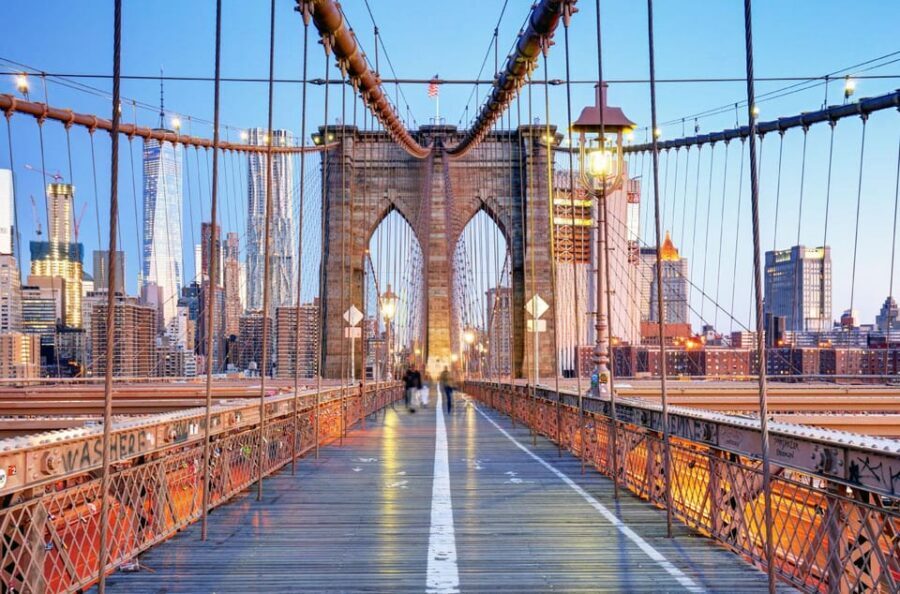
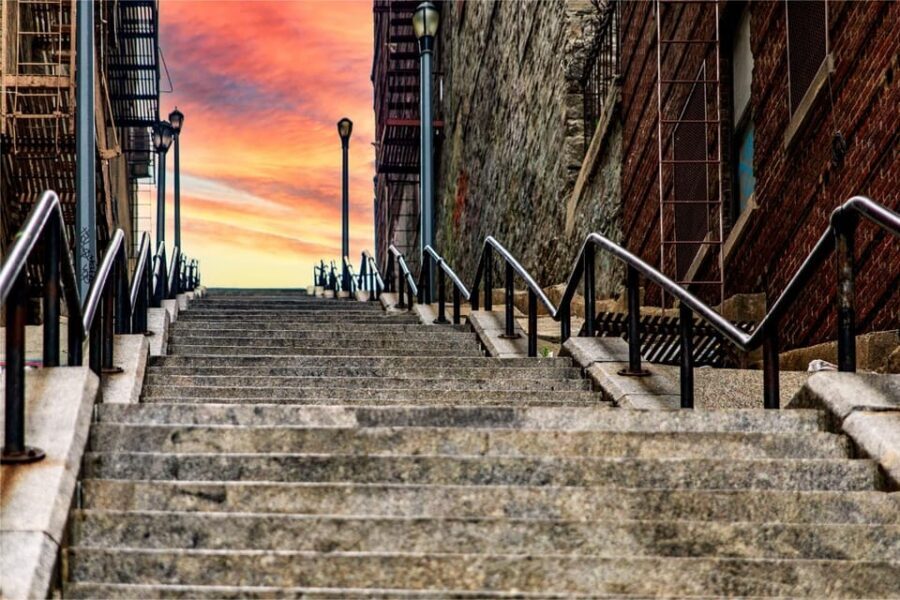
Then the tour swings into the Bronx, and this is where the “see it, then talk about it” factor really kicks in. The Bronx stops are built around movement and visual cues—stairs, stadium context, and murals you can recognize.
Key Bronx moments include:
- Joker Steps: stairs that have become an iconic photo stop
- Yankee Stadium area: the stadium presence is immediate, even if you’re only viewing from the route
- Famous murals, specifically noted themes like Big Pun and I Love the Bronx
This is a smart choice for a short tour. Murals work well in a time-limited format because they communicate so much in one glance. You don’t need a long museum visit to grasp the idea of place pride, local storytelling, and the cultural meaning embedded in public walls.
One practical thought: mural murals can draw your attention so much that you forget to check where your group is moving next. When the guide signals a move, it’s worth staying close. You’ll get a chance for photos, but you don’t want to be sprinting back to the bus.
Queens by bridges and landmarks: Saint Joseph School to the Unisphere
Queens can be the most misunderstood part of a short tour, mostly because people arrive expecting a “walk everywhere” style. Here, you should expect a mix: passing viewpoints, a bridge-and-park feel, and at least one landmark walk moment at the end.
Queens highlights include:
- Saint Joseph School
- Whitestone Bridge
- Unisphere Globe at Flushing Meadows Corona Park
- Kosciuszko Bridge
The Unisphere stop is the payoff. Flushing Meadows Corona Park is the kind of place where your photos suddenly look bigger than the time you spent. You get the landmark moment and then a more relaxed walk compared with the fast bus passes.
Why Queens fits the tour theme: Queens is one of the clearest places to see New York’s immigration-and-change story at street level. Even if you’re mostly viewing from transport, the bridges help you understand how the borough sits, connects, and flows.
Just remember the possible drawback: one experience described Queens being mostly done by bus, which can feel skimpy if you hoped for more time on foot. If Queens is your priority neighborhood, treat this tour as a jump start, then plan a separate, slower visit later.






Brooklyn then: Williamsburg and your final choice of Dumbo or Chinatown
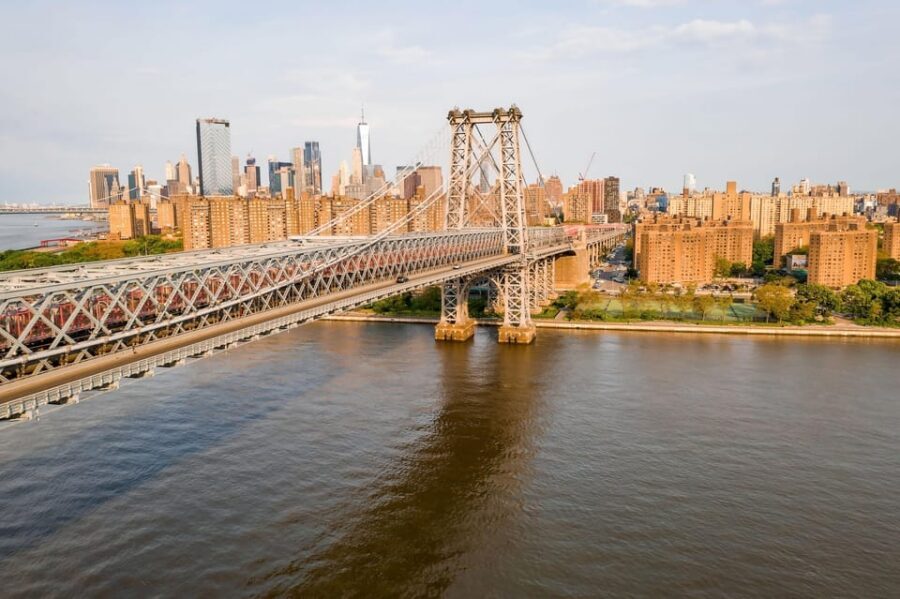
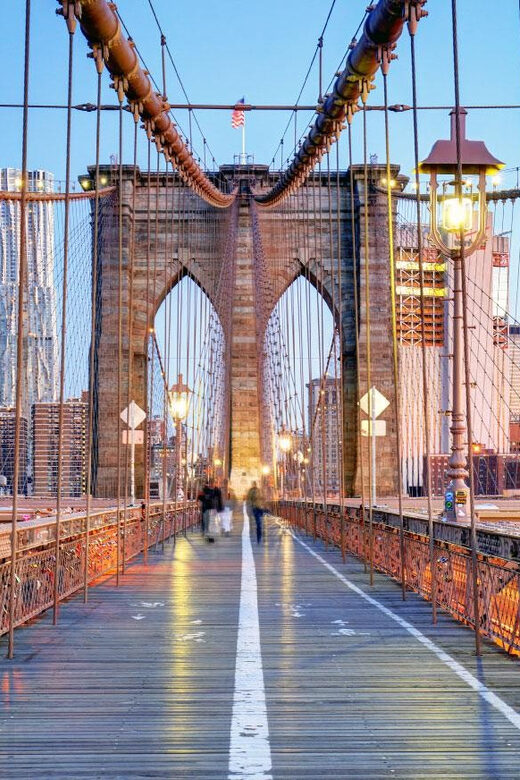
By the time the tour reaches Brooklyn, the vibe usually shifts from “historical anchor points” to “neighborhood swagger.” The tour specifically calls out Williamsburg as a Brooklyn stop, which is a good match for a short visit because it’s easy to read from the street—what’s happening here today is visible.
Then you get to the finale: you’ll have two options to finish the experience:
- Visit Dumbo in Brooklyn, with a photo stop and sightseeing
- Or end with Chinatown in Manhattan, with walking and regional food
How to choose: think about your mood at the end of a four-hour run.
- If you want skyline-and-waterfront-style photos and a more “Brooklyn scenic” feeling, go Dumbo.
- If you want a more sensory ending—streets, energy, and the chance to grab regional food—pick Chinatown.
Either way, this final section gives you something that a bus-only tour can’t: the chance to slow down for a last walk. That matters, because it’s what turns a ride into an experience you can remember.
Guide quality and the reality of bus time
A tour like this is only as good as its guide, and the feedback for this one is notably positive. One reviewer specifically praised a guide named Luis, which tells me the guide’s job here is not just translation—it’s pacing, spotting what’s worth your attention, and keeping the story coherent across boroughs.
You’ll also notice the guide is part of the reason the stops feel purposeful. When you have someone pointing out what a mural theme means or why a landmark matters, the time compresses without feeling random.
Still, you should treat bus time as part of the design. At times, the tour will cover ground quickly, and that can make some areas feel like quick passes instead of deep visits. That’s not a dealbreaker, but it is the trade: speed for breadth.
If you’re worried about that, the best strategy is to pick one or two neighborhoods you care about most (Bronx murals, Queens Unisphere, or Brooklyn’s Dumbo/Chinatown ending) and enjoy the rest as context. You’ll walk away with enough to guide your next day’s choices.
Price and value for a $55 neighborhood sprint
Let’s talk value honestly. $55 per person for a 4-hour group tour that includes transport and a tour guide is priced for people who want structure without paying for a private car or spending half the day figuring things out. For many first-time visitors, that’s a fair exchange.
Where the value shows up:
- You get broad coverage across four boroughs in one session
- The guide helps you interpret major anchors instead of just seeing them
- Transport reduces the friction of jumping between boroughs
Where you should be careful:
- If you’re expecting lots of walking in every neighborhood, you might feel rushed—especially in areas that are more route-based than foot-based.
- If Queens is your main goal, you might wish you had more time on the ground there.
This tour is best for the “I want to get my bearings” crowd. If you already know New York well and want only the most in-depth, slow experiences, you may want a different style of tour. But if you’re new or short on time, this is the kind of ticket that turns limited hours into useful knowledge.
Who should book this tour
This is a good fit if you:
- Have limited time and want Harlem, the Bronx, Queens, and Brooklyn in one go
- Enjoy major landmarks and street-level storytelling
- Like a guided pace that helps you prioritize what to look for
It might not be the best fit if you:
- Want maximum walking time in every neighborhood
- Dislike bus-heavy formats
- Are very sensitive to schedule hiccups at pickup (one experience mentioned a confusing pickup moment)
The ideal mindset is simple: treat it like a fast, curated introduction. Then build your deeper day around the one or two places that grabbed you most.
Should you book the Contrasts of New York Tour?
If you want a high-impact first look at New York’s major neighborhoods without the planning headache, I’d book this. The combination of transport, a live guide in Spanish and English, and landmark stops like the Apollo Theater zone, Bronx mural themes, and the Unisphere makes it a practical use of a half-day.
Just go in ready for the bus rhythm. You’ll get the highlights, photo moments, and a memorable sense of how the city changes fast. Then, after the tour, you’ll be able to choose where to return with more time—because you’ll know what actually mattered to you.
FAQ
How long is the Contrasts of New York Tour?
It lasts about 4 hours.
Where does the tour start?
The starting location is 7th Avenue & West 53rd Street.
Which neighborhoods will the tour visit?
You’ll visit Harlem, the Bronx, Queens, and Brooklyn.
Does it include a guide and transportation?
Yes. It includes a live tour guide and transport.
What languages is the guide available in?
The live tour guide is offered in Spanish and English.
What happens at the end of the tour?
You’ll finish with one of two options: Dumbo in Brooklyn or Chinatown in Manhattan (including walking and regional food).
Is free cancellation available?
Yes, you can cancel up to 24 hours in advance for a full refund.
How much does it cost?
The price is $55 per person.