REVIEW · BOSTON
From Boston: Quincy, Plymouth, and Mayflower II Day Trip
Book on GetYourGuide →Operated by New England Trips · Bookable on GetYourGuide
A day trip that feels like a history lesson with sea air. This route strings together Quincy, Scituate, and Plymouth’s Pilgrim sites in one comfortable loop, with a live guide narrating the drive the whole way. I especially like the fully narrated experience with a guide who keeps the stories clear and human, and I love that Mayflower II plus Plimoth Patuxet are included, so you spend less time hunting tickets and more time learning.
One thing to plan around: you’re on a mini bus, and a few people have noted it can be a bit tight if you have back issues. Also, this tour is not set up for kids under 5 or for mobility impairments, so it’s best to match your day to your needs before you book.
In This Review
- Key takeaways before you go
- Quincy: Adams birthplaces and why it’s more than a quick stop
- The coastal drive to Scituate Lighthouse (and the American Army of Two story)
- Plymouth Rock and Mayflower II: what you get, and how to plan your time
- Plimoth Patuxet: where the 1620 context clicks
- Comfort, weather, and pacing: how the 11 hours actually feel
- Price and value: is $165 really fair for this day?
- Who should book this (and who should skip it)
- Should you book the Quincy, Plymouth, and Mayflower II day trip?
- FAQ
- How long is the From Boston: Quincy, Plymouth, and Mayflower II Day Trip?
- How much does the tour cost?
- What is included in the ticket price?
- Do I need to buy tickets in advance?
- Is the tour scheduled to run in bad weather?
- What language is the tour guide?
- Is there any age or accessibility limitation?
- What is the cancellation policy?
- Where do pickups happen?
Key takeaways before you go

- Adams family stops in Quincy: John Adams and John Quincy Adams birthplaces, not just a quick photo stop
- Scituate Lighthouse + local storytelling: you’ll hear the story behind the American Army of Two while you’re there
- Plymouth’s must-dos, in the right order: Plymouth Rock, then Mayflower II with admission included
- Plimoth Patuxet is the learning anchor: admission is part of the day, so you’ll get context for 1620
- Comfort and weather matter: it runs rain or shine, and there are extra touches like snacks, water, and umbrellas mentioned by past riders
Quincy: Adams birthplaces and why it’s more than a quick stop

Quincy is where this trip quietly earns its keep. You’ll head about 30 minutes south from Boston to a set of stops tied to two U.S. Presidents from one family line: John Adams and John Quincy Adams. The payoff here is that these are birthplace locations, not just a monument in a field. You get the sense of place, and the guide’s narration helps connect the early American story to the people you already know from textbooks.
I like that Quincy gives you a break from the coastal scenery without making it feel like a detour. It’s still grounded in real streets and real neighborhoods, and the guide can layer in why those political lives mattered, without turning the day into a lecture hall.
Practical note: Quincy is an early stop, so it sets the tone. If you prefer mornings that start with something you can actually see and walk around, this works well. If you tend to get restless in stops where you can’t stretch much, you’ll still have enough momentum because the rest of the day moves along the coast.
You can also read our reviews of more tours and experiences in Boston



The coastal drive to Scituate Lighthouse (and the American Army of Two story)

Then the day opens up into what Massachusetts does best: coastline views and little seaside towns. As you head along the route through areas like Cohasset and onward to Scituate, expect that classic New England rhythm—big water, shoreline homes, and frequent chances for the guide to explain what you’re looking at from the bus.
In Scituate, the focus shifts to the Scituate Lighthouse. This is one of those stops that works even if you’re not a “lighthouse person,” because it connects scenery to story. And yes, you’ll also hear the history behind the American Army of Two—exactly the kind of local detail that makes a stop feel earned, not generic.
Here’s how to make this part of the day work for you:
- Bring your eyes for the water first, then let the guide fill in the historical thread.
- Take a slower stroll around the lighthouse area if you can. Even without a long hike, the surrounding views help you remember the day.
The most common complaint on a day like this is usually timing, not quality. In the comments I’ve seen, most people felt the route stayed relaxed and eventful, but a few noted they wanted a bit more time in Plymouth. Still, Scituate is one of the places where the stop feels practical: you see something tangible, then you move on.
Plymouth Rock and Mayflower II: what you get, and how to plan your time
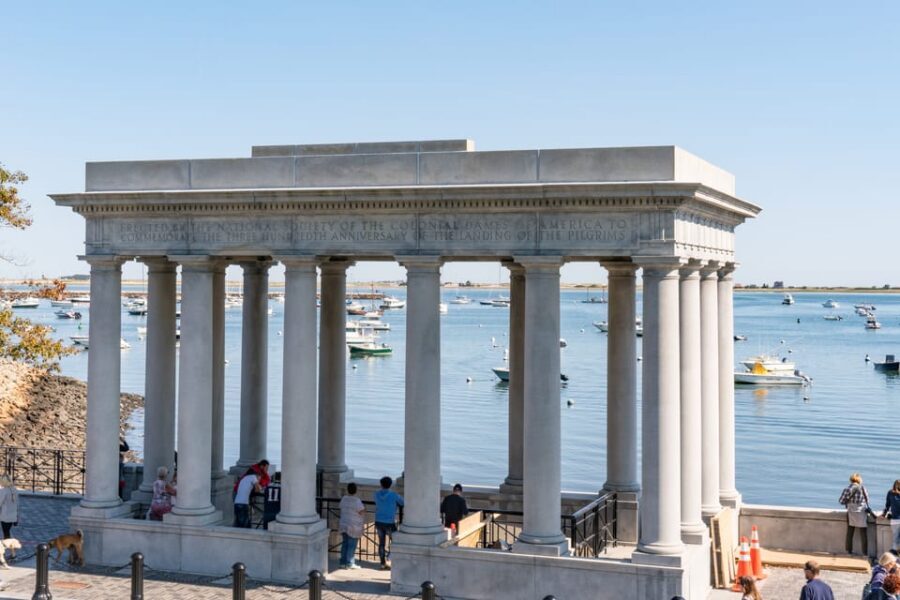
Eventually you arrive in Plymouth, often described as America’s hometown—and that’s exactly why this schedule is smart. You hit Plymouth’s anchor sites in a clean sequence: Plymouth Rock, then Mayflower II, with admission included for the ship experience.
Plymouth Rock is short on real estate and long on symbolism. The guide’s job here is to help you understand why it matters and how people interpret the site, instead of just pointing and moving on. Even if you’ve seen photos before, it feels different in person because you’re standing inside the modern Plymouth that grew around the legend.
Right after that comes Mayflower II. This matters because you don’t just learn the story—you’re given a chance to see a physical reference point: the ship. The benefit of having admission included is you can keep your focus on the experience, not on pricing and ticket logistics.
A tip if you like to photograph: do it in the small windows you’re given, not all at once. Plymouth sites can get busy, and the best photos are often the ones you take while still moving at a comfortable pace.
And yes, there’s time for lunch. People mention grabbing lobster rolls with an ocean view—so if seafood is your thing, you’re likely to have options. I’d still keep expectations flexible and let the guide’s recommendations guide you to something realistic for your schedule.
Plimoth Patuxet: where the 1620 context clicks
If Quincy is where you learn about later American leadership, Plimoth Patuxet is where the day becomes anchored in 1620. Admission is included, so this isn’t an optional add-on—it’s the structured place where the guide’s narration can connect to something you can stand in front of and absorb.
What I like about this museum stop is that it gives you context. Without that grounding, Mayflower stories can float in abstract time. With Plimoth Patuxet, you get a clearer sense of what establishment in 1620 really means in practical terms—how people built, organized, and lived in the early New England setting.
A key value point for your wallet: one of the comments I saw highlighted that the museum tickets alone would cost close to $50, which helps explain why the overall price isn’t just paying for transport. You’re buying into two major admission experiences, plus narration, in one day.
If you want to get more out of Plimoth Patuxet:
- Go in expecting to learn, not just to look.
- Plan to slow down at the exhibits that match what you’re most curious about. The guide can help you prioritize what’s most useful.
Also, this museum stop is one reason the itinerary feels like more than a drive-by tour. The story sticks better when you have a dedicated place to focus.
Comfort, weather, and pacing: how the 11 hours actually feel

This tour runs about 11 hours from pickup to drop-off, and it’s built around the idea that you don’t want to manage multiple logistics on your own. You board a comfortable, air-conditioned minibus, and the day is fully narrated by a professional guide. Snacks and bottled water are included, which is a small thing that turns out to matter when you’re away from your own fridge for most of the day.
Weather-wise, it’s rain or shine. One of the practical comforts mentioned by past riders: umbrellas were available to borrow if the forecast turns. That’s a big deal on a coast day, because you’ll be outside around lighthouse areas and likely at Plymouth sites.
Pacing is generally described as relaxed. People talk about time for long lunches and strolls along the water, not just sprinting from stop to stop. Still, there’s one balancing act: your itinerary includes three main geographic zones. If Plymouth feels like the site you care about most, keep in mind that a few people felt the Plymouth stop ran a little long one way, and others felt like they had enough time to explore on their own. Your best move is to use your free time intentionally—walk the waterfront, then return to anything you want to see more carefully.
One more reality check: this is not a private car. It’s a small group format with a minibus. A comment noted that the bus was uncomfortable for a husband with a bad back and that there’s no storage. If you have mobility limits or back pain, bring that into the decision now, not later.






Price and value: is $165 really fair for this day?
At $165 per person, this isn’t a cheap “hop on and off” bus ride. But the value case is pretty straightforward once you add up what you’re getting.
You’re paying for:
- Round-trip ground transport with narration
- Snacks and bottled water
- Pickup and drop-off from five downtown Boston locations
- Admission to Mayflower II
- Admission to Plimoth Patuxet
- Help skipping the ticket line
The biggest money-saving component is the admissions. Since Plimoth Patuxet and Mayflower II tickets are not minor add-ons, the included entry changes the math. One of the highlights people mentioned was that the museum tickets alone could total nearly $50, making it easier to see how you’re not paying the full tour price just for transportation.
Also, the guided narration is part of the product. Without it, Quincy, Scituate, and Plymouth can blur into a set of stops you’ve seen in photos. With it, you get names, context, and story threads that connect across the whole day.
So is it worth $165? For most history-minded people who want an organized one-day plan, I’d say yes—especially if you care about both Plymouth sites and want someone to point you to what matters.
Who should book this (and who should skip it)
This is a strong fit if you:
- Want a structured one-day path through Quincy, Scituate, and Plymouth
- Like history that’s tied to places you can walk around
- Prefer not to juggle tickets, directions, and schedules
- Care about the early New England story as well as the Adams family connection
It’s probably not the best fit if you:
- Have significant mobility limitations (the tour isn’t suitable for mobility impairments)
- Have very young kids (children under 5 aren’t suitable)
- Need a lot of comfort flexibility, especially for back pain (a few riders mentioned discomfort in the minibus)
If you’re the type who plans your day down to the minute, you might want to keep expectations realistic. This is a group experience with a set flow. But if you want to sit back, see a lot, and come home feeling like you learned something real, it fits.
Should you book the Quincy, Plymouth, and Mayflower II day trip?
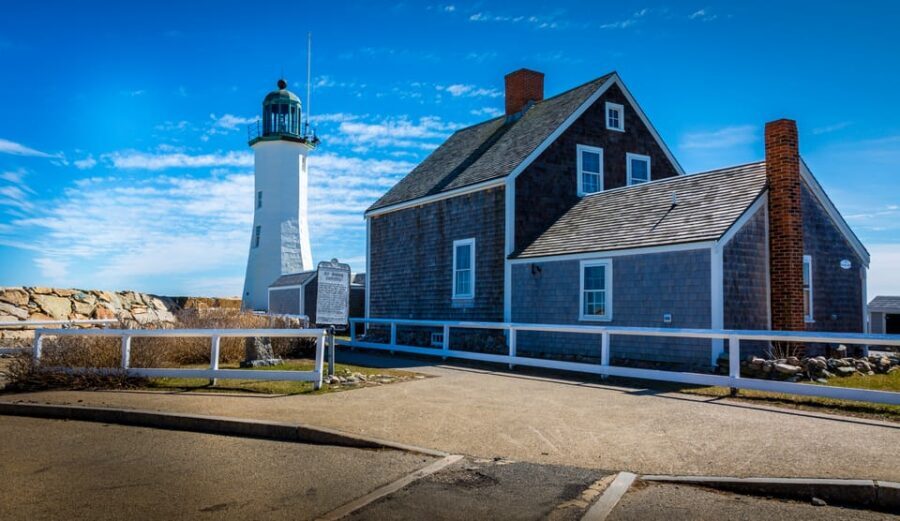
I’d book this if you want one day that hits the big-name Massachusetts history without making it feel stressful. The combination of Quincy’s Presidential birthplaces, Scituate Lighthouse, and Plymouth’s Mayflower II + Plimoth Patuxet admissions is a high value mix, and the live guide narration is the glue.
One last thought: if you’re deciding between doing this kind of day trip versus going fully on your own, ask yourself what you’d do with your time. If your goal is maximum learning with minimal planning, this is the cleaner route.
If your goal is maximum personal control and you’re very budget-focused, then you might choose a DIY day. But if you want a comfortable, organized, history-forward loop with key admissions taken care of, this one makes a lot of sense.
FAQ

How long is the From Boston: Quincy, Plymouth, and Mayflower II Day Trip?
The tour lasts 11 hours.
How much does the tour cost?
It costs $165 per person.
What is included in the ticket price?
The tour includes admission to Mayflower II and Plimoth Patuxet, plus snacks and bottled water and a live English guide. Pickup and drop-off from five downtown Boston locations are included as well.
Do I need to buy tickets in advance?
No. The tour includes skipping the ticket line.
Is the tour scheduled to run in bad weather?
Yes. It runs rain or shine.
What language is the tour guide?
The live tour guide speaks English.
Is there any age or accessibility limitation?
Children under 5 years are not suitable, and the tour is not suitable for people with mobility impairments.
What is the cancellation policy?
You can cancel up to 24 hours in advance for a full refund.
Where do pickups happen?
Pickup is included from five locations in downtown Boston, and you’ll wait in the hotel lobby 10 minutes before your scheduled pickup time.