REVIEW · NEW YORK CITY
Hard Hat Tour of the Abandoned Ellis Island Hospital Complex
Book on Viator →Operated by Save Ellis Island · Bookable on Viator
Abandoned hospital corridors usually stay off-limits. This Hard Hat Tour is interesting because it lets you step into the restricted hospital spaces that treated arriving immigrants and the staff who worked there, while also pairing the ruins with JR’s life-sized installation. I especially love the chance to see 29 unrestored buildings on the south side, and I love how the guide context turns scary rooms into understandable history. One thing to plan for: these buildings are abandoned and not fully restored, so you’ll want comfortable shoes and warm layers.
What makes this tour feel serious in a good way is the purpose behind it. The experience is run by Save Ellis Island, and your ticket supports preservation. You’ll tour with a small group (max 15), in English, for about 1 hour 30 minutes. That short window is great, but it means you’ll want to arrive on time and be ready to move at a steady pace.
In This Review
- Key things you’ll notice on this Hard Hat Tour
- Stepping Into the Ellis Island Hospital Behind the Scenes
- The Route Through the Abandoned Hospital: What’s In the Walk
- Operating Rooms, Autopsy Spaces, and the Weight of Medical Care
- Contagious Disease Wards: Where Fear Met Treatment
- Unframed by JR: Historic Photos Inside Decay
- How Much Time You’ll Actually Have (And Why It Matters)
- Price and Value: $66.50 Plus the Ferry Reality
- Your Best Booking Approach: Don’t Get Tripped Up by the Ferry
- What to Wear and Bring for a Cold, Unrestored Site
- Who This Tour Fits Best
- Should You Book the Hard Hat Hospital Tour?
- FAQ
- FAQ
- Do I need to buy the ferry ticket separately?
- What’s included in the $66.50 tour price?
- How long is the Hard Hat Tour?
- Where do I meet for the tour?
- What areas of the hospital complex will I see?
- What’s the group size limit?
- What language is the tour offered in?
Key things you’ll notice on this Hard Hat Tour
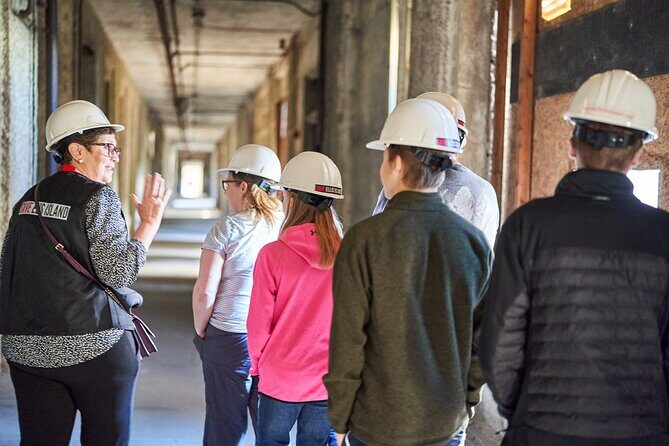
- Restricted access to hospital areas that aren’t open to general visitors
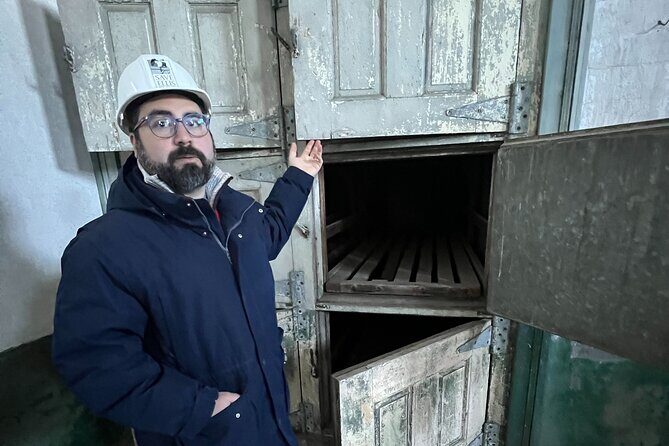
- 29 unrestored buildings on Ellis Island’s south side, including high-stakes medical spaces
- Contagious disease wards, autopsy rooms, laundry facilities, and staff quarters in one route
- JR’s Unframed: life-sized historic photos placed into the decaying spaces
- Small group size (up to 15) with a guide who brings context to what you’re seeing
Stepping Into the Ellis Island Hospital Behind the Scenes
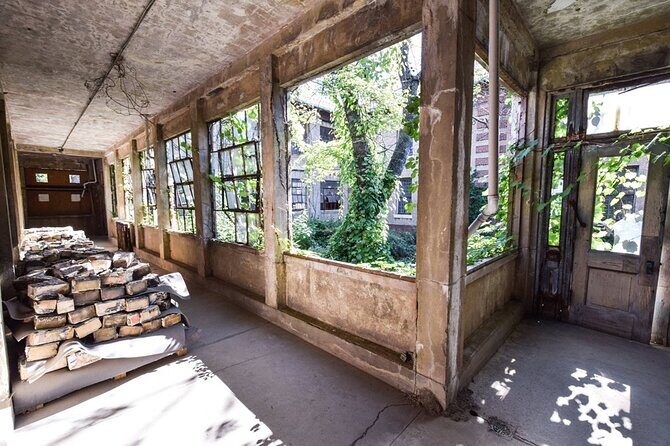
Most Ellis Island visits focus on records, processing, and the main museum story. This tour shifts your focus to the medical side of the arrival experience—where illness could mean the difference between recovery and worse outcomes, and where staff work was intense, technical, and urgent.
The Hard Hat Tour runs about 1 hour 30 minutes. In that time, you’ll follow a guided route through 29 unrestored buildings on the island’s south side. The pace is built for walking and listening, not for lingering. You’ll also get a mobile ticket for the activity, and the tour ends back at the meeting point.
Two things help this work as an experience, not just a sightseeing stop. First, the guide framing matters—you’re not just looking at empty rooms. Second, the access is the point: these are restricted areas that general visitors typically can’t enter.
You can also read our reviews of more tours and experiences in New York City.



The Route Through the Abandoned Hospital: What’s In the Walk
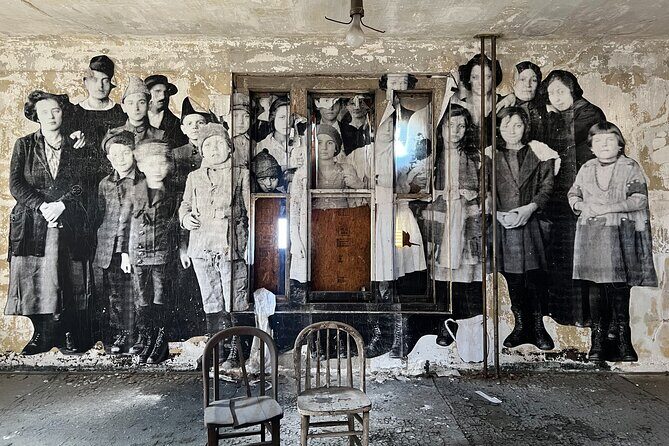
You’re not touring a single building. You’re moving through a complex that once functioned like a working medical world. As you go, you’ll see spaces tied to both patient care and the behind-the-scenes operations needed to keep a hospital running.
Here’s what the tour route includes, based on what you’ll be taken through:
- contagious disease wards
- autopsy rooms
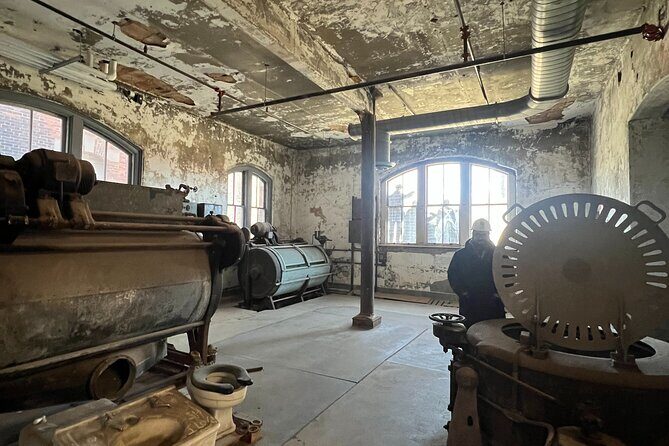
- laundry facilities
- staff quarters
The practical value for you is that these categories help you “read” the site. It’s easier to understand the story when you can connect a room to a job: where illnesses were handled, where examinations happened, where linens were processed, and where workers lived on-site.
One caution: since these buildings have been abandoned for decades, you’re going to encounter the reality of decay—uneven surfaces, cold air in winter, and spaces that don’t feel like a museum exhibit. That’s exactly why guides and well-managed routes matter. You’re seeing something honest, but you still need to be prepared to walk carefully.
Operating Rooms, Autopsy Spaces, and the Weight of Medical Care
Some stops on this tour are naturally harder to take in than others. The autopsy rooms, for example, are part of how the hospital functioned when arriving people needed medical assessment quickly. You’re not just learning that medical care existed—you’re seeing where it happened.
What I like about this part of the tour is that it doesn’t treat the hospital as spooky set dressing. The guide context connects the rooms to why immigrants ended up here in the first place: the mix of conditions people could arrive with, and the risk contagious disease posed in a tightly shared arrival environment.
If you’re a history lover, this is where the tour becomes more than a building tour. If you care about public health history, it gives you a direct, physical sense of how a 19th–early 20th century medical facility had to operate under pressure. And if you’re just a curious visitor, it still works because the building layout helps the story make sense fast.
Contagious Disease Wards: Where Fear Met Treatment
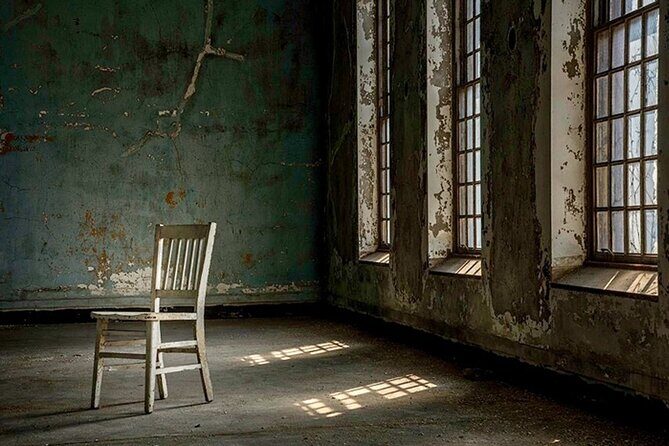
The contagious disease wards are one of the main reasons to book this tour. These were built for immigrants with highly contagious or incurable diseases such as tuberculosis, and the space is designed for the kind of medical separation that mattered a lot in that era.
When you’re standing in a ward built for contagion, it changes how you interpret everything you’ve seen at Ellis Island. You stop thinking of immigration as only paperwork and family reunions. You start seeing it as a complicated human reality, with medical screening and isolation playing their role.
One balanced note: this area can feel intense. If you don’t like illness-related sites, you’ll want to mentally prepare for that. If you do like learning how institutions worked—especially in moments when science and medicine were evolving—this is a powerful section of the route.
Unframed by JR: Historic Photos Inside Decay
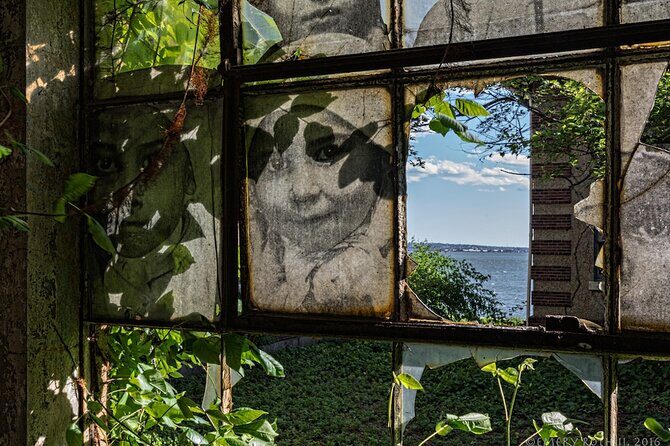
Half the tour’s emotional punch comes from the art overlay, Unframed by French artist JR. You’ll see life-sized historic photos placed within the abandoned hospital spaces. The idea is simple but effective: the past isn’t confined to a caption. It’s physically present in the rooms you’re walking through.
Here’s what you’ll likely appreciate: the art doesn’t erase the abandonment. It makes it harder to ignore the scale of what happened there. Even if you’re not a big art person, the placement helps you connect names and faces to rooms, not just to museum text.
If you’re the kind of traveler who likes photography, this is also where you’ll want to slow down, plan your angles, and be respectful of the group. You’ll be walking through working-feeling spaces, and you’ll get the most from Unframed when you see it as part of the site’s story—not as a standalone photo stop.






How Much Time You’ll Actually Have (And Why It Matters)
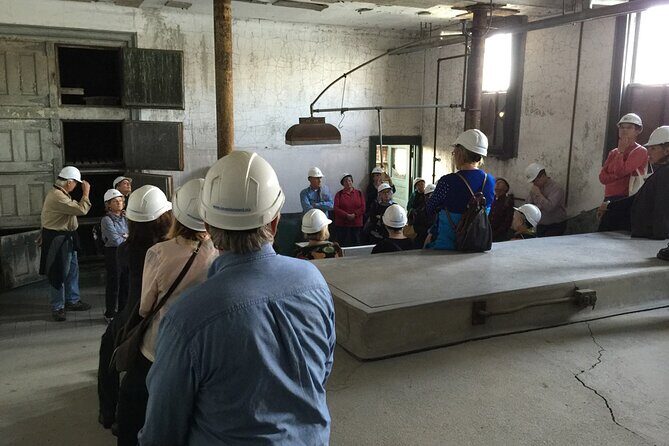
A 90-minute format sounds generous until you’re inside a building complex with tight sightlines and stairs. This tour is designed for a guided route through multiple types of rooms in one run.
So do two things:
- Start with a little extra time in your day so you’re not stressed if you move slowly at first.
- Treat it like a route, not a museum linger-fest. You’ll get more out of it when you keep your eyes up and your questions ready for the guide.
Group size is capped at 15, which helps. It means you’re not stuck in a giant pack where you can’t hear. You’ll still move as a group, though, so comfortable shoes matter.
Price and Value: $66.50 Plus the Ferry Reality
The tour price is $66.50 per person. That covers your admission and the guide. What it does not include is the ferry ticket.
You must buy the ferry ticket separately through Statue City Cruises for $25.50 per person. That’s a key value point: the total cost is really the combo of the tour plus ferry.
Is it worth it? For many travelers, yes—because you’re paying for access. A normal Ellis Island visit shows you restored museum spaces. This one takes you into 29 unrestored buildings and medical areas that general visitors typically can’t enter. You also get a guide with in-depth historical context, and that can turn confusing rooms into an understandable story fast.
If you’re on a tight budget, the ferry add-on changes the math. Still, if you want the most distinctive Ellis Island experience beyond the museum galleries, this is one of the few options that justifies the extra spend with access you can’t replicate on your own.
Your Best Booking Approach: Don’t Get Tripped Up by the Ferry
Here’s the practical warning I’d give you: the tour ticket is for the tour only. The ferry is separate, and you buy it through the official ferry provider, Statue City Cruises.
That matters because it’s easy to assume the ferry is part of your purchase and then run into a timing problem. Even if the guide is excellent, you can’t join the tour on time if your ferry plans aren’t locked.
Plan like this:
- Get your ferry sorted first using Statue City Cruises.
- Arrive at the Ellis Island National Museum of Immigration meeting point in time for your time slot.
- Dress for a place that’s cold and unfinished in winter. In one January experience, snow and chilly weather made warm layers a must.
Also, guides like Ben and Denise are specifically praised for being informative, and Dave is mentioned as excellent for knowledge and delivery. That’s a strong signal that you’ll get real guide value once you’re inside.
What to Wear and Bring for a Cold, Unrestored Site
The building complex is abandoned and unrestored, and winter conditions can add another layer of discomfort. Wear comfortable shoes with good grip. Bring warm clothing, especially in colder months. You’ll likely want layers so you can adjust as you move between outdoor and indoor sections.
This is one of those tours where being prepared helps you focus on the story instead of thinking about your feet or the cold.
If you like photos, bring a phone or camera you’re comfortable carrying while walking. Just keep in mind you’ll be with a group and moving along a guided route.
Who This Tour Fits Best
This Hard Hat Tour is ideal if you:
- love historical sites with real architectural purpose
- want immigrant-related history that goes beyond documents and big hall exhibits
- care about how health systems and contagion management shaped arrivals
- enjoy photography, especially where art intersects with place
It may be less ideal if you:
- strongly dislike illness-related environments
- want a fully restored, comfortable museum-style visit
- don’t like walking and moving steadily for 90 minutes
Should You Book the Hard Hat Hospital Tour?
If you want the Ellis Island experience that most feels different from the standard museum visit, I’d book this. You’re paying for restricted access to unrestored hospital buildings, guided historical context, and JR’s Unframed art placed directly into the decay.
Before you go, do the two smart prep steps: lock in your ferry through Statue City Cruises, and dress for cold, gritty spaces with comfortable footwear. If you can handle a more intense side of history, this tour delivers a moving, real connection to the immigrant story in a way that’s hard to get anywhere else.
FAQ
FAQ
Do I need to buy the ferry ticket separately?
Yes. The ferry ticket is not included in the tour price. You must purchase it through Statue City Cruises for $25.50 per person.
What’s included in the $66.50 tour price?
The tour price includes the admission fee and the guide.
How long is the Hard Hat Tour?
It runs about 1 hour 30 minutes.
Where do I meet for the tour?
You meet at Ellis Island National Museum of Immigration, Ellis Is, Jersey City, NJ 07305, USA.
What areas of the hospital complex will I see?
You’ll tour the island’s south side and explore 29 unrestored buildings, including contagious disease wards, autopsy rooms, laundry facilities, and staff quarters.
What’s the group size limit?
The tour has a maximum of 15 travelers.
What language is the tour offered in?
The tour is offered in English. Confirmation is received at the time of booking.