REVIEW · NEW YORK CITY
New York City: Tour of the ‘Most Dangerous’ Neighborhoods
Book on GetYourGuide →Operated by America State of Mind Inc. · Bookable on GetYourGuide
Street stories in New York hit different. This 4-hour tour takes you past the postcard version and into neighborhoods with famous reputations, where the guide connects names you already know with real-world street life. I love the way it blends music and sports icons with crime-and-pop-culture references like Kingpin and the Joker. I also like the photo-friendly route through murals and landmark stops like the Apollo Theater. One drawback to plan for: the $69 price doesn’t cover subway costs or food, so you’ll need a public transport ticket and some patience for moving around.
The route is built to move fast without feeling chaotic: you start in Hell’s Kitchen, work your way through Harlem, hop to the Bronx, then head downtown to Brooklyn. Along the way you’ll hit a local coffee stop that’s known in the neighborhood, see Yankee Stadium, and end in front of director Spike Lee’s film production studio. The overall feel is more storytelling than sightseeing, and that’s exactly why it works.
If you’re hoping for a cushy, sit-and-stare tour, this isn’t that. It’s designed for people who want to walk, look, and listen—ideally with comfortable shoes and a water bottle. And if mobility is an issue, note the tour isn’t suitable for wheelchair users or people with mobility impairments.
In This Review
- Key highlights to look for
- Price and logistics for a $69, 4-hour neighborhood tour
- Where it starts: Times Square at Hotel Riu Plaza (46th & 8th)
- Hell’s Kitchen and Harlem: Kingpin stories, murals, and that local coffee stop
- Subway to the Bronx: Yankee Stadium and the Joker stairs
- Brooklyn’s criminal past and the music story: Al Capone, Notorious B.I.G., and Spike Lee
- The guide is the whole point: why the storytelling lands
- What to expect during the 4 hours: pace, comfort, and the “street-life” focus
- Who should book this tour (and who should skip it)
- Should you book? My decision rule
- FAQ
- How long is the tour?
- What is the starting meeting point?
- Where exactly is the meeting address?
- What neighborhoods and landmarks does the tour include?
- Is the subway included in the price?
- What’s included besides the guided tour?
- What languages is the live guide available in?
- Is the tour suitable for wheelchair users or mobility impairments?
- Is free cancellation available?
Key highlights to look for
- Hell’s Kitchen to Harlem with crime-scene storytelling tied to the neighborhood’s character
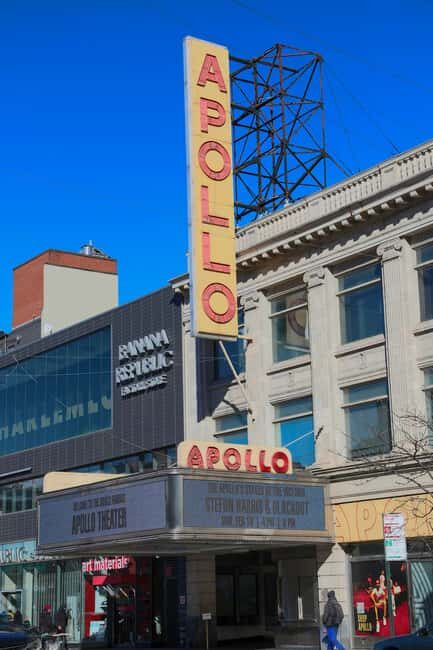
- Apollo Theater stop plus mural photo moments that help you see the streets like a local
- Yankee Stadium + Joker stairs in the Bronx for a sports-and-pop-culture one-two punch
- Brooklyn landmarks linked to Al Capone and Notorious B.I.G. for music-first context to crime tales
- Ending at Spike Lee’s production studio to close with film-industry New York energy
Price and logistics for a $69, 4-hour neighborhood tour
$69 for four hours sounds like a “cheap thrills” number—until you map what’s actually included. You’re paying mainly for a live guide, a structured route through multiple neighborhoods, and several major stops that normally take planning on your own. You also get a practical little extra: a 10% discount at PizzArte pizza restaurant, which can soften the day’s snack budget if you time it right.
The flip side is what’s not included. Public transportation costs and food and drinks are on you. That matters because the tour uses the subway between areas, which is part of the experience—but it does mean you must budget for fares and stay flexible with timing.
So the real value question becomes: do you want a guided story-led route that strings together Hell’s Kitchen, Harlem, the Bronx, and Brooklyn in one afternoon? If yes, this price can feel reasonable. If you’d rather roam at your own pace and pick stops one by one, you might prefer building your own day—though you’ll miss the specific crime-music-film connections the guide is built around.
You can also read our reviews of more city tours in New York City



Where it starts: Times Square at Hotel Riu Plaza (46th & 8th)
You’ll meet in front of the Hotel Riu Plaza in Times Square, at 305 W 46th St (at 46th Street and 8th Avenue). For me, that matters because it anchors the tour in the most obvious tourist area—easy to find, simple to reach, and good if you’re also bouncing around Midtown before or after.
From there, the group moves into a very different side of NYC. That contrast is part of the point: you start near the bright, busy surface of Manhattan, then the guide helps you see how these neighborhoods earned their reputations through people, places, and lived experience.
Two quick planning notes. First, expect the day to be mostly outdoors and on your feet. Second, bring your public transport ticket and comfortable shoes. This is the kind of tour where you’ll want your legs to feel good, not only your camera.
Hell’s Kitchen and Harlem: Kingpin stories, murals, and that local coffee stop
The tour begins in Hell’s Kitchen, and the guide’s framing is built around the idea of Daredevil and Kingpin-style toughness. The point isn’t to scare you—it’s to give you a lens. When a neighborhood carries a reputation, people usually remember it through stories. You’ll hear those stories connected to how the streets feel and how the community shaped its identity.
Then you head toward Harlem, where the tour leans into Bumpy Johnson-era context. Harlem is more than a name on a map, and the guide’s approach helps you connect the dots between famous figures and the neighborhoods that shaped their lives. You’ll also get a photo-friendly format: take pictures of murals throughout the area. Even if you’re not a serious photographer, this is a smart way to slow down without falling behind the group.
One of the most practical moments is the local coffee shop stop in Harlem. It’s not there just for a caffeine break. It’s a small taste of neighborhood life—exactly the kind of stop that helps you understand the city beyond monuments. If you’re the type who likes your tours to include at least one real local habit, you’ll appreciate this.
And then comes the big landmark pause: the Apollo Theater. It’s a stop that feels important in any itinerary, but here it lands differently because of the surrounding street storytelling. You’re not just seeing a famous venue—you’re seeing it as part of the neighborhood’s bigger narrative.
Subway to the Bronx: Yankee Stadium and the Joker stairs
After the Harlem portion, you take the subway and reach the Bronx. This is one of those tour design choices that actually helps: the subway ride acts like a reset. You go from murals and theater energy to sports-and-stories energy, and the change of scenery keeps the afternoon from feeling one-note.
The Bronx stop includes Yankee Stadium. Even if you’re not a die-hard fan, it’s a major anchor point for understanding how identity works in NYC. Sports venues are more than games; they’re landmarks people build routines around. Seeing it during a neighborhood-focused tour makes it feel less like a single attraction and more like part of the surrounding city rhythm.
Then you check out the Joker stairs. This is where the tour leans into the pop-culture connection. The guide uses the Joker link as a way to get you looking at the block itself—how a place becomes famous because of what gets tied to it in movies and memories.
A subtle benefit: this stop gives you a perfect “I didn’t expect that” moment. NYC itineraries can easily get stuck in obvious highlights. The Joker stairs offer a different angle while still being easy to recognize and photograph.
Brooklyn’s criminal past and the music story: Al Capone, Notorious B.I.G., and Spike Lee
Next comes downtown to Brooklyn, where the tour focuses on two big names tied to the area: Al Capone and Notorious B.I.G. You’ll visit the neighborhood where Al Capone was born and where Notorious B.I.G. led a criminal career before becoming a famous rapper.
That structure is interesting because it turns a typical crime-history route into a music-and-streets route. Instead of treating those figures like museum headlines, you’re prompted to think about how environments shape people—and how people later shape culture. It’s an approach that fits the way NYC works: entertainment, crime, politics, and neighborhood identity all braid together here.
The route also emphasizes murals again, so by the time you reach Brooklyn you’re already in “look and listen” mode. That keeps the day consistent. You’re not hopping between unrelated stops; you’re following a theme of how stories stick to places.
The tour ends in front of director Spike Lee’s film production studio. Ending there matters more than it might sound. Spike Lee is tied to how New York stories get filmed and remembered. Finishing at his studio gives your afternoon a final frame: you started with neighborhood reputations, you learned how street stories become cultural material, and you close on a film-making landmark.





The guide is the whole point: why the storytelling lands
The highest praise in the reviews centers on the guide’s storytelling and preparation. The name that comes up repeatedly is Joseph, praised for sharing what he learned as true accounts passed down through Italo-American family stories. That’s a key ingredient. It means the tour isn’t only dates and facts—it’s anecdotes, tone, and the kind of detail that makes places feel lived-in.
It’s also clear the guide knows how to control the pace. People mention being entertained even on a cold day, and that the stories kept older kids engaged too. That’s a sign the guide doesn’t just recite; he shapes the route so it stays moving and readable.
One more practical thing I’d take from this: the tour runs with live guides in Italian, English, and Spanish. If you’re traveling with a friend who prefers a specific language, you’ve got options. It also usually means the guide is used to explaining the same neighborhood ideas to different audiences, which helps you get clarity without awkward confusion.
What to expect during the 4 hours: pace, comfort, and the “street-life” focus
This is not a four-hour bus-and-photos tour. It’s a guided walking-and-transit route between multiple neighborhoods with stops built for photos, landmarks, and a couple of key “pause and listen” moments.
That matters for two reasons.
First, wear shoes that can handle city sidewalks. You’ll be out long enough that comfort becomes a real factor. The tour isn’t suitable for wheelchair users or people with mobility impairments, which strongly suggests there’s enough walking and uneven movement that you’ll want to plan conservatively.
Second, bring water. Street-life tours in NYC can feel colder or hotter than you expect, and you’ll be moving through areas at a human pace. A water bottle is the easiest “don’t think about it” fix.
Finally, plan your expectations. The best way to get value out of this kind of tour is to lean in. You’ll get a mix of street-level detail and pop-culture anchors—Kingpin references, Apollo Theater context, Yankee Stadium presence, Joker stairs, and Brooklyn figures tied to crime and music. If you treat it like a story route, it’ll feel worth the price.
Who should book this tour (and who should skip it)
This tour is a strong fit for you if you like:
- Neighborhoods with strong identities and strong reputations
- Pop-culture touchpoints tied to real locations (Marvel-style and movie-style references)
- Music and crime history framed through street-level context
- Photo stops like murals and recognizable landmarks
- A guided route that strings together several borough areas in one afternoon
It may not be ideal if:
- You need wheelchair accessibility or have mobility limitations
- You hate walking or standing for long periods
- You only want “inside” sights with minimal street time
Also, if you’re a hardcore NYC planner who loves crafting your own route, you could replicate some of this day yourself. But the whole point here is that the guide connects those dots into a single, coherent story.
Should you book? My decision rule
Book it if you want a structured way to see NYC’s rougher reputation neighborhoods without turning it into fear, and if you’ll actually enjoy a guide who turns street corners into stories. The price-to-time ratio can work well because you get several anchor stops in four hours plus the local coffee-shop moment and the mural/photo approach.
Skip it if you want a light, flexible, sit-down sightseeing day. You’re trading comfort and independence for a guided, story-heavy experience that includes subway travel and enough movement to demand decent shoes and a water bottle.
If that sounds like your kind of NYC afternoon, this one’s likely to land well.
FAQ
How long is the tour?
It lasts 4 hours.
What is the starting meeting point?
Meet in front of the Hotel Riu Plaza in Times Square, at 46th Street and 8th Avenue.
Where exactly is the meeting address?
The listed meeting address is 305 W 46th St, New York, NY 10036.
What neighborhoods and landmarks does the tour include?
The tour covers Hell’s Kitchen and Harlem, and it also includes Bronx and Brooklyn stops. Key landmarks include the Apollo Theater, Yankee Stadium, and the Joker stairs, plus sites linked to Al Capone and Notorious B.I.G.
Is the subway included in the price?
Public transportation costs are not included, so you’ll need your own public transport ticket.
What’s included besides the guided tour?
The included items include visits to Hell’s Kitchen and Harlem, a stop at the Apollo Theater, visits to Yankee Stadium and the Joker stairs, plus a 10% discount at PizzArte pizza restaurant.
What languages is the live guide available in?
The live tour guide speaks Italian, English, and Spanish.
Is the tour suitable for wheelchair users or mobility impairments?
No. It’s not suitable for people with mobility impairments or wheelchair users.
Is free cancellation available?
Yes, you can cancel up to 24 hours in advance for a full refund.