REVIEW · NEW YORK CITY
Self-Guided Tour of the Museum at Eldridge Street
Book on GetYourGuide →Operated by Museum at Eldridge Street · Bookable on GetYourGuide
Look up before you read anything. A self-guided walk through the Eldridge Street Synagogue turns the Lower East Side’s turn-of-the-20th-century story into something you can see, not just memorize.
This museum is housed in a purpose-built synagogue from 1887. It was designed by Eastern European Jewish immigrants, later nearly lost through neglect, then brought back through a long restoration effort that made the building useful to the public again.
I love the visual punch of the 60 historic stained-glass windows and how the space also includes a modern window by Kiki Smith and Deborah Gans. One possible drawback: because it’s self-guided, you’re in charge of connecting the dots, so plan to slow down and read.
In This Review
- Key things that make this visit work
- Where to start: the bottom of the left-hand staircase
- Why the synagogue matters: immigration, community, and 1887 ambition
- The building’s rise and why it nearly fell apart
- Moorish Revival details and the 60 stained-glass windows
- The modern window: Kiki Smith and Deborah Gans
- Museum storytelling: Jewish immigrant life you can connect to the building
- How to pace a 1-hour self-guided visit (without feeling rushed)
- Photography rules: what you can do, and what to skip
- Practical value: price, what’s included, and who it suits
- Should you book this self-guided museum visit?
Key things that make this visit work
- Moorish Revival architecture you can study up close in a historic, purpose-built synagogue
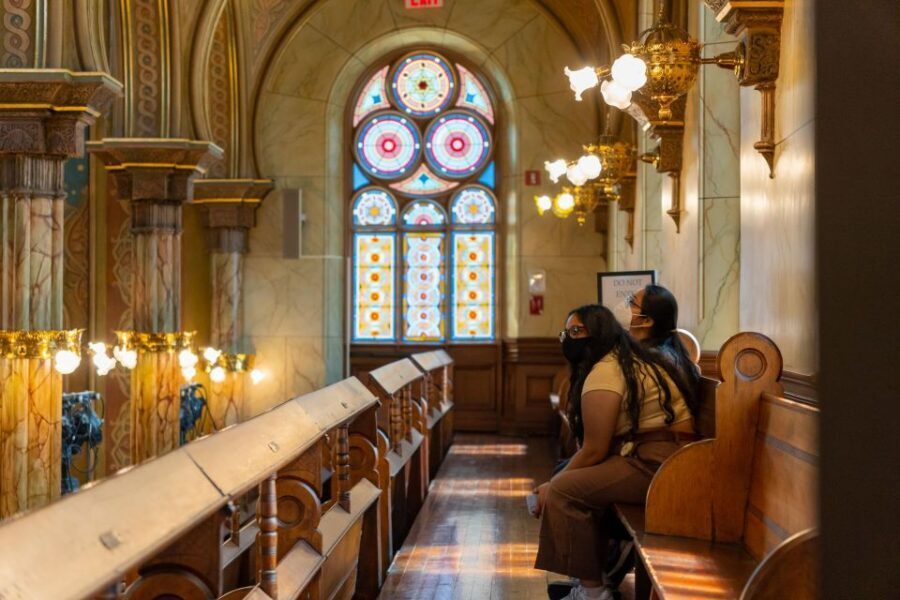
- 60 stained-glass windows that change how you see the room as you move around
- Modern art windows by Kiki Smith and Deborah Gans inside the same story
- Immigration-focused museum content tied directly to the synagogue’s role in the Lower East Side
- A real restoration narrative: near-loss after immigration quota changes, then a decades-long comeback
- One-hour pacing that’s doable without turning your day into a museum marathon
Where to start: the bottom of the left-hand staircase
Your visit begins at the Museum at Eldridge Street Synagogue. Find the Main Entrance at the bottom of the left-hand (downward) staircase, then get ready to treat this like a walk-through rather than a checklist.
Before you go into exhibits, expect basic entry checks. Food and drinks (water is fine), strollers, and backpacks will be searched and checked in on arrival. Also note what you can’t bring in: bikes and scooters, plus no flash photography or professional cameras.
Good news if you hate stairs. The building is wheelchair accessible, and an elevator reaches all 4 floors.
You can also read our reviews of more guided tours in New York City



Why the synagogue matters: immigration, community, and 1887 ambition
The museum space is not generic “historic stuff.” The Eldridge Street Synagogue is a National Historic Landmark, built in 1887, and it holds a specific meaning: it was the first grand synagogue purpose-built by Eastern European Jewish immigrants in the United States.
Think about the setting it originally served: overcrowded tenements, packed streets, and people trying to build lives while staying tied to tradition. This synagogue worked on more than one level. Yes, it was a place of worship. It was also a community anchor—a visible sign that families weren’t just passing through; they were trying to put down permanent roots.
What I like about how the museum frames this is that you understand the building’s purpose before you focus on the décor. The architecture isn’t decoration here. It’s a statement of aspiration, made in brick, stone, and stained glass.
The building’s rise and why it nearly fell apart
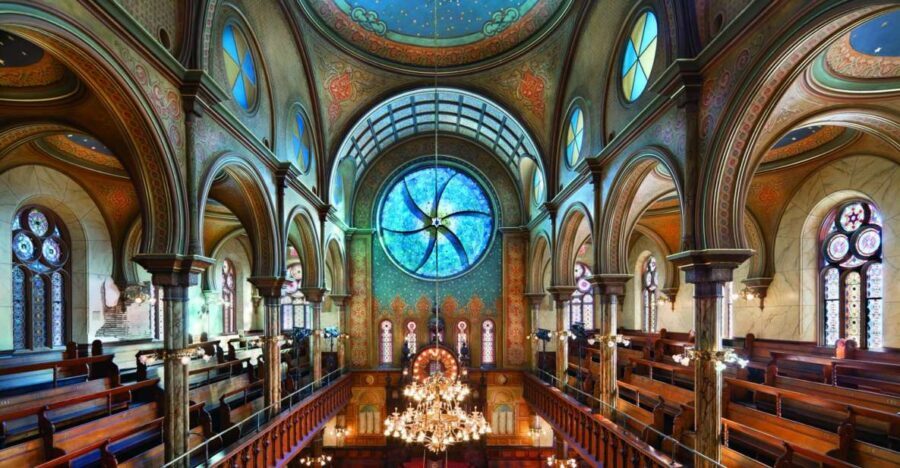
The museum’s story includes the shift from crowded hope to hardship and change. In the 1920s, strict immigration quotas affected the flow of people coming to the U.S., and that context matters for understanding why the synagogue was later hit by neglect.
The building was nearly lost before the Museum’s 20-year, $20 million restoration returned it to public use. That restoration thread is one of the most useful parts of a self-guided visit like this, because it explains why the building looks so cared-for today.
You’ll get a sense of how historic preservation isn’t only about saving a façade. It’s about rescuing a community space from disappearing—then making sure it can teach new visitors what it once meant.
Moorish Revival details and the 60 stained-glass windows
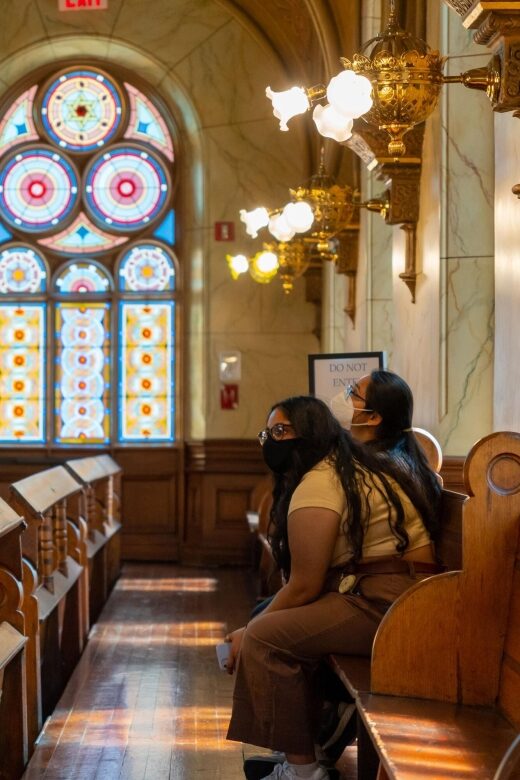
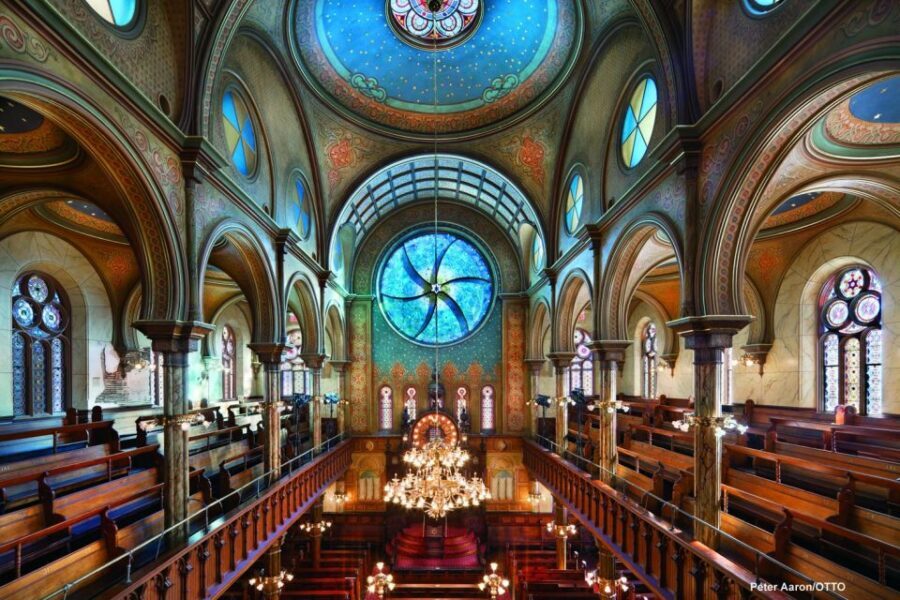
Here’s the payoff for architecture lovers: the synagogue’s Moorish Revival look is built into the experience. You’re not just looking at a single highlight photo spot. You’re moving through rooms where ornament and light do the heavy lifting.
The museum highlights 60 historic stained-glass windows, and that number is not an exaggeration you can ignore. Stained glass changes the mood as you pass it. It pulls your attention upward. It also helps you slow down, because the imagery isn’t meant to be glanced at for five seconds.
Practical tip: don’t rush straight from entrance to exit. I like to pause briefly in different spots so you can see how the light and colors feel as your angle changes. You’ll also notice that focusing on the windows makes the surrounding architecture easier to appreciate.
If you’re the type who reads every label, you’ll have plenty to do. If you’re not, you can still get value by treating this as a light-and-design walk.
The modern window: Kiki Smith and Deborah Gans
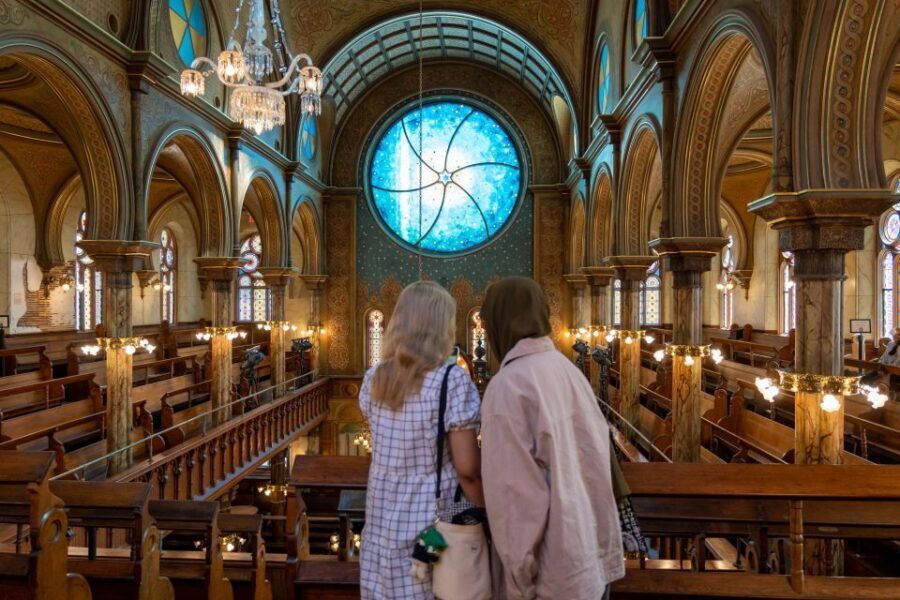
Inside the museum experience, there’s also a modern artwork connection. You’ll see a modern window by artists Kiki Smith and Deborah Gans.
This part is especially interesting because it creates a dialogue between eras. The building carries stories from immigration at the turn of the 20th century. Then you get a contemporary artistic response inside the same walls. The contrast can make you pay attention to details: how old techniques and new visions both shape meaning.
I like this mix because it keeps the visit from turning into a pure time capsule. Instead, it suggests the space still has something to say now, not only then.
If you tend to enjoy contemporary art more when it’s anchored in a place, you’ll likely appreciate this more than you expect.
You can also read our reviews of more museum experiences in New York City





Museum storytelling: Jewish immigrant life you can connect to the building
The museum content is built around themes tied to the synagogue itself: Jewish immigrant life, traditions and customs, and the Lower East Side community that shaped (and was shaped by) the building.
Because it’s self-guided, you get to choose what to emphasize. If you’re most curious about immigration at the turn of the 20th century, you can focus there. If what draws you in is how communities hold on to identity through worship and daily life, you can stay with that thread.
That flexibility is real value. It matters in a place like this, because not everyone comes for the same reason. Some people want architecture. Some want history. Some just want to feel what a community space means.
You’ll also learn about how and why the museum preserves these stories for future generations. That matters because it reframes the restoration as ongoing work, not a one-time rescue.
How to pace a 1-hour self-guided visit (without feeling rushed)
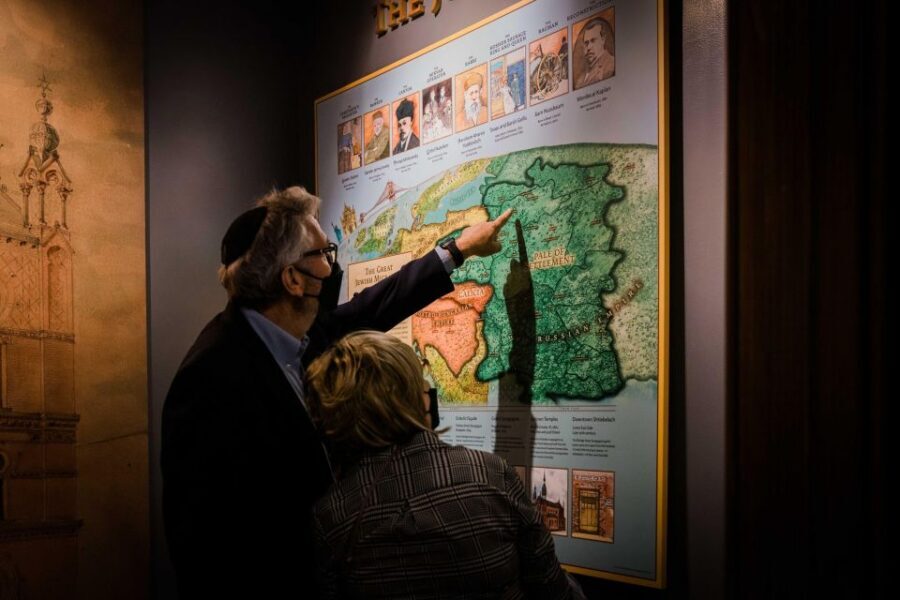
The time you’re budgeting is 1 hour, and that’s a smart constraint. It keeps the visit doable in a busy New York day, while still giving you time to see what matters.
Here’s how I’d structure it so you don’t end up sprinting:
- Start with the main interior impression first, so the building makes sense before the details
- Spend your middle stretch on the stained-glass windows, since they’re the big visual anchor
- Finish by returning to the museum narrative sections, then add the modern window when you’re in “compare-and-contrast” mode
Self-guided means you control the depth. If you’re a slow reader, you can run out of time. If you keep moving and use the windows as your main anchor, you’ll feel satisfied without sacrificing context.
Photography rules: what you can do, and what to skip
You can take personal, non-commercial photographs, but follow the rules. Flash photography is not allowed, and professional cameras are not allowed.
In practice, that means you’ll rely on ambient light and your eye for composition. Stained glass is usually beautiful in photos, but it can also reflect light back at you. Moving your angle slightly can help without needing flash.
If you’re someone who hates rules, this is still manageable. Just leave flash behind, keep your camera “personal,” and you’ll be fine.
Practical value: price, what’s included, and who it suits
The ticket price is $7 per person, and the value comes from what you get for that money: museum admission to the Museum at Eldridge Street / Eldridge Street Synagogue, plus entry to the temporary exhibit and the permanent collection.
You’re paying for more than the building exterior. You get the restoration story, the immigration/community context, and the window highlights—historic and modern—in one visit.
This is a strong choice if you:
- love architecture, especially stained glass and revival styles
- want a focused slice of immigration history tied to a real landmark
- prefer museums where the space itself does part of the teaching
It’s less ideal if you absolutely need a guided walkthrough. The self-guided format is part of the appeal, but it also means you’re responsible for reading and connecting ideas. If you’re hoping for someone to narrate every moment, you may feel shortchanged by the pace.
One more match check: families should plan for the entry handling of strollers and backpacks, since you’ll deal with searches and check-in on arrival.
Should you book this self-guided museum visit?
Book it if you want a high-impact, low-cost visit inside a National Historic Landmark where architecture, stained glass, and immigrant history all connect. The 60 stained-glass windows plus the modern window by Kiki Smith and Deborah Gans give you both historical atmosphere and a contemporary touch, and the one-hour length keeps it from eating your whole day.
Skip it (or at least adjust expectations) if you need a full guide to interpret everything. Since it’s self-guided, you’ll get the most satisfaction when you’re willing to read the signage and spend time looking.
If you’re on the fence, treat this like a “walk-through museum”: go in wanting to look up, slow down for the windows, and let the story build around the space.