REVIEW · BOSTON
Sushi Making Class at a Local Distillery in Boston
Book on Viator →Operated by Classpop! · Bookable on Viator
Your sushi skills start with a miso bowl. In Boston, you’ll take a hands-on class at a lively distillery and learn from Chef Harold’s upbeat teaching style. I love the way Chef Harold guides you step-by-step, even if you’ve never rolled before, and I love that you eat what you roll right after learning it.
This class is built for both beginners and more experienced cooks. You’ll start with miso soup, then move into sushi rice fundamentals and two practical styles: uramaki (inside-out rolls) and temaki (hand rolls). One consideration: drink costs are extra, since bar drinks aren’t included in the $75 price.
In This Review
- Key points I’d file away before you go
- Why a distillery setting makes this sushi class more fun than a kitchen rental
- Getting started: miso soup sets the tone and builds confidence
- What you’ll likely do early on
- Sushi rice fundamentals and Chef Harold’s hands-on pace
- Learning uramaki (inside-out rolls): the technique that feels like a puzzle
- Learning temaki (hand rolls): fast, forgiving, and perfect for beginners
- What’s on the menu: miso soup plus three roll options you’ll make
- Drinks and cost: how the $75 price plays out in real life
- Group size, timing, and how to plan your night
- Dietary needs: what you can expect if you’re not eating everything
- Who this sushi class is best for in Boston
- Practical tips to get the most out of the class
- Should you book this sushi class in Boston?
- FAQ
- How much does the sushi making class cost?
- How long is the class?
- Where is the class meeting point?
- What time does the class start?
- What will I learn in the class?
- What food do I cook and eat?
- Are drinks included in the $75 price?
- Can the class accommodate dietary needs?
- How big is the group?
- What happens if the weather is poor?
- Is there a cancellation policy?
Key points I’d file away before you go
- Chef Harold’s teaching keeps it friendly and fast without feeling rushed.
- Miso soup first gives you a comforting warm-up before the rolling starts.
- You learn two roll styles: inside-out uramaki and grab-and-go temaki.
- Your meal is included, so the class ends with something you made.
- Small group size (max 25) helps you get attention when you need it.
Why a distillery setting makes this sushi class more fun than a kitchen rental
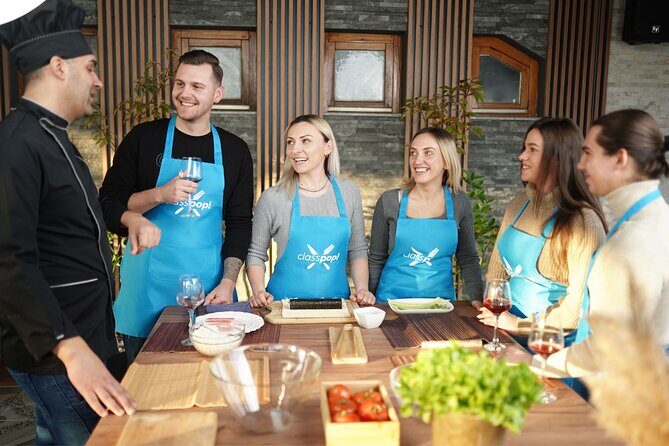
Most sushi classes happen in classrooms. This one happens at a real Boston-area distillery—Short Path Distillery, 71 Kelvin St, Everett. That matters because the vibe changes. You’re not staring at a blank demo station for two hours. You’re working, laughing a bit, and taking breaks with the sense that you’re at a food event, not just a lesson.
You also get that natural food-and-drink pairing energy. The class experience mentions you can sip craft spirits from the distillery as you roll. Even if you keep it alcohol-free, the venue still feels like a place where people socialize over drinks and small plates. In other words, it’s a class you can treat like a night out.
Chef Harold runs the show, and that’s a big part of the appeal. The teaching style comes through as light, upbeat, and very practical. If you get stuck, you’re not left to figure it out alone.
You can also read our reviews of more tours and experiences in Boston

Getting started: miso soup sets the tone and builds confidence
The class begins with a starter you can recognize instantly: miso soup. You’ll make it using miso paste, dashi, and wakame seaweed. Even if you’re a total beginner, this is a smart opening move. Soup teaches timing and flavor balance without asking you to master rice pressure and rolling tension in the first five minutes.
From there, you pivot to the core skill: sushi rice. Sushi rice can be the difference between rolls that taste right and rolls that taste just okay. The class focuses on the fundamentals of sushi rice, and that becomes your foundation for both uramaki and temaki.
What I like about starting with these basics is that it changes how you’ll remember the class. You’re not only thinking about how the roll looks. You’re learning what makes sushi taste like sushi.
What you’ll likely do early on
- Make the miso soup starter (dashi + miso + wakame)
- Learn sushi rice fundamentals
- Set yourself up to assemble rolls that hold together
Sushi rice fundamentals and Chef Harold’s hands-on pace
A good sushi class doesn’t treat rolling like a magic trick. It breaks it down into repeatable steps—rice texture, seasoning, and how to handle the nori without ripping it.
In this class, the instruction is hands-on and geared to different comfort levels. Reviews highlight that Chef Harold explains the process clearly and gives careful attention. You’re not just watching from across the room. You’re building and adjusting in real time.
You’ll also work at a pace that makes sense. People can learn quickly here, but it’s not the kind of frantic class where you feel like you missed the important part. One of the most praised aspects is that the instruction helps you get your rolls looking right without needing prior experience.
And yes, you’ll get tips and chef secrets you can use at home. That’s valuable because sushi isn’t only about what you did on class night. It’s about what you can repeat on a random Tuesday.
Learning uramaki (inside-out rolls): the technique that feels like a puzzle
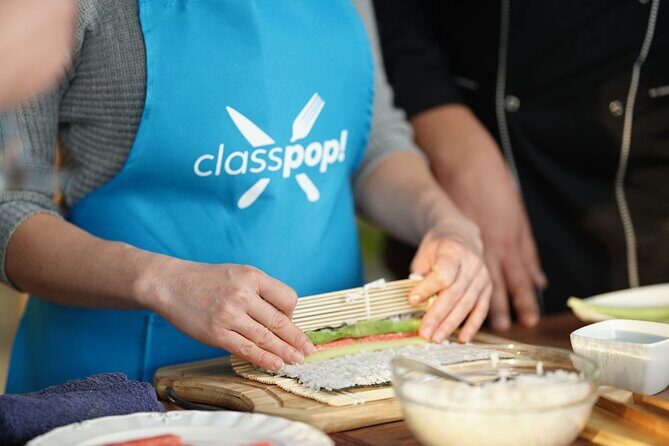
Uramaki sounds simple until you try it. Inside-out rolls require you to manage rice spread and then still get a clean, satisfying roll. If your rice is too sticky, it clings and smears. If it’s too dry, it won’t stick evenly.
This class teaches uramaki as a key skill. You’ll practice the fundamentals needed to make a proper inside-out roll, which is why it’s such a strong beginner target. You get the wow factor of sushi with a method you can actually learn, rather than guessing.
A helpful sign that this class works: people leave with recipes and report that the rolls turn out great. That usually means the steps were taught in a way you can recreate—at least enough to get results you’re proud to serve.






Learning temaki (hand rolls): fast, forgiving, and perfect for beginners
Temaki is the hand-roll style, and it’s a smart choice for a class format. It’s easier to learn than a perfect cut roll because you shape it as you go. You don’t have to press for uniform slices. You’re aiming for a roll that stays together long enough to eat.
The class specifically teaches temaki, and Chef Harold’s instruction is the type that helps you get there quickly. If you like the idea of being able to make sushi at home without buying fancy tools or mastering advanced rolling, temaki is your friend.
This is also a great style for social eating. You can make one, take a bite, and keep going without turning the table into a sushi assembly line. People can taste, compare, and adjust.
What’s on the menu: miso soup plus three roll options you’ll make
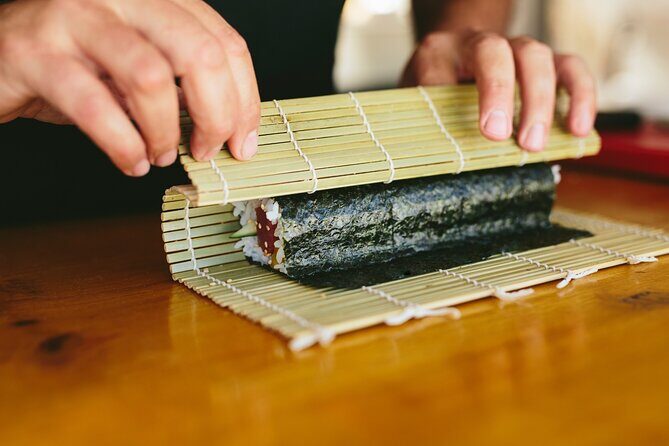
You start with miso soup, then the class moves into the sushi builds. The sample menu includes:
- Shrimp Tempura Hand Roll
Shrimp, nori, and sushi rice
- Sweet Potato Hand Roll
Sweet potato, nori, and sushi rice
- Spicy Tuna Roll
Tuna, sushi rice, and nori
These aren’t random examples. They cover different flavors and textures so you learn more than one “profile.” Tempura brings crunch. Sweet potato brings sweetness and comfort. Spicy tuna gives you the classic sushi taste many people want to nail at home.
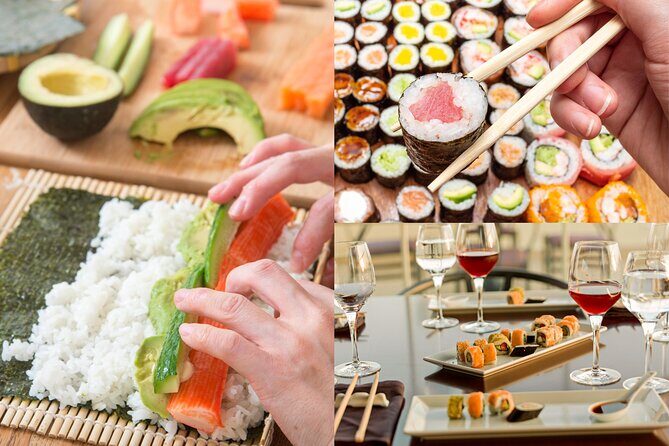
After you finish rolling, you dine on your creations with your classmates. That’s an underrated part of the value. You’re not only learning. You’re also tasting your work while the techniques are still fresh in your memory.
Drinks and cost: how the $75 price plays out in real life
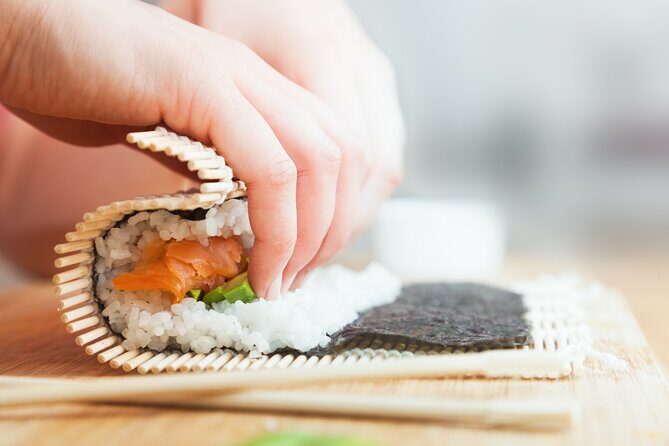
The class costs $75 per person and includes the class, ingredients, tools, and the meal you cook. Drinks are separate. The venue bar offers drinks for purchase, with prices listed from $3 to $20.
So how should you think about the total cost? If you’re ordering one casual drink, you can keep the evening close to the stated price. If you plan to drink craft cocktails or spirits, your budget should include that.
In other words: the class price is a strong deal because the meal is built into it. You just have to decide what you want to spend at the bar.
Group size, timing, and how to plan your night
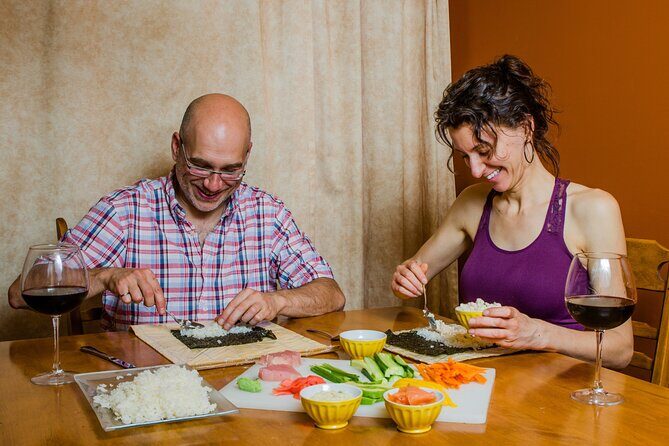
The class runs about 2 hours, starting at 7:00 pm. The experience caps at 25 travelers, so it’s not a huge crowd. That size helps with attention, especially when you’re learning something tactile like rolling.
It’s offered in English, and the booking info says confirmation comes within 48 hours of booking, as long as space is available.
You’ll get a mobile ticket, and the meeting point is Short Path Distillery at 71 Kelvin St, Everett. The location is near public transportation, which is a relief if you don’t want to fight for parking on a weekday night.
Also, the booking pace is fairly popular, with an average booking window of about 25 days in advance. If you want a specific day, don’t wait until the last minute.
Dietary needs: what you can expect if you’re not eating everything
The experience states that it’s designed to accommodate a variety of dietary needs. You should let the organizers know in advance, and they’ll do their best to tailor the experience to your preferences and restrictions.
That’s all you can ask for in a hands-on class. Sushi includes multiple ingredients with common allergens (like seafood), so planning ahead is key. If you’re unsure, send your needs early so the team has time to adjust.
Who this sushi class is best for in Boston
This is a great fit if you want a fun, social food activity that teaches real skills.
You’ll probably love it if:
- You’re a beginner who wants step-by-step guidance and a clear outcome.
- You want an interactive date night or group outing with a meal at the end.
- You like learning food techniques you can repeat at home.
- You enjoy craft beverage culture, even if you only drink one thing.
You might consider a different option if:
- You want a class with no bar element at all. Drinks exist and you can purchase them, so your total night cost can rise.
- You dislike learning by doing, since this is a hands-on format focused on making.
Practical tips to get the most out of the class
Here’s how to make your night smoother.
- Show up hungry. The class ends with the sushi meal you make, so you’ll want your appetite.
- Watch the rice instructions closely. Sushi rice is the backbone of everything you’ll roll.
- Ask questions when you’re stuck. Chef Harold’s approach is designed around getting you help quickly, not letting you flail.
- Don’t worry about perfect-looking rolls. Temaki especially is meant to be enjoyable and practical.
If you keep your expectations realistic, you’ll leave with confidence and a technique you can actually use later.
Should you book this sushi class in Boston?
Yes—if you want a hands-on evening that turns into a meal you cooked yourself, this is an easy recommendation. The combo of Chef Harold’s clear, friendly teaching and the included meal makes the $75 feel fair. Add the small group size, and you get the kind of attention that helps you walk out with something you can replicate.
Book it sooner rather than later if your schedule is tight, since it’s commonly reserved about a month out. And if you’re watching your budget, decide in advance how many bar drinks you want.
If you’re new to sushi, you’ll start with a comfort-food entry point (miso soup) and then learn two roll styles that map well to home cooking. If you’re already comfortable in the kitchen, you’ll still benefit from structured rice and rolling tips—and the simple fact that you’ll get to eat what you made.
FAQ
How much does the sushi making class cost?
The class is $75.00 per person.
How long is the class?
It runs for about 2 hours.
Where is the class meeting point?
You’ll start at Short Path Distillery, 71 Kelvin St, Everett, MA 02149, USA.
What time does the class start?
The start time is 7:00 pm.
What will I learn in the class?
You’ll prepare miso soup and learn sushi rice fundamentals. You’ll also practice two styles: uramaki (inside-out rolls) and temaki (hand rolls).
What food do I cook and eat?
The sample menu includes miso soup, a shrimp tempura hand roll, a sweet potato hand roll, and a spicy tuna roll. You’ll dine on your creations after cooking.
Are drinks included in the $75 price?
No. Drinks are available for purchase at the bar, with prices ranging from $3 to $20.
Can the class accommodate dietary needs?
Yes. It’s designed to accommodate a variety of dietary needs, and you should let them know in advance so they can tailor the experience when possible.
How big is the group?
The maximum group size is 25 travelers.
What happens if the weather is poor?
If the activity is canceled due to poor weather, you’ll be offered a different date or a full refund.
Is there a cancellation policy?
You can cancel up to 24 hours in advance for a full refund. If you cancel less than 24 hours before the start time, the amount paid is not refunded.