REVIEW · NEW YORK CITY
NYC: Discover NYC Subway Secrets Below Manhattan – Private
Book on GetYourGuide →Operated by Region NYC · Bookable on GetYourGuide
Your next stop has a secret.
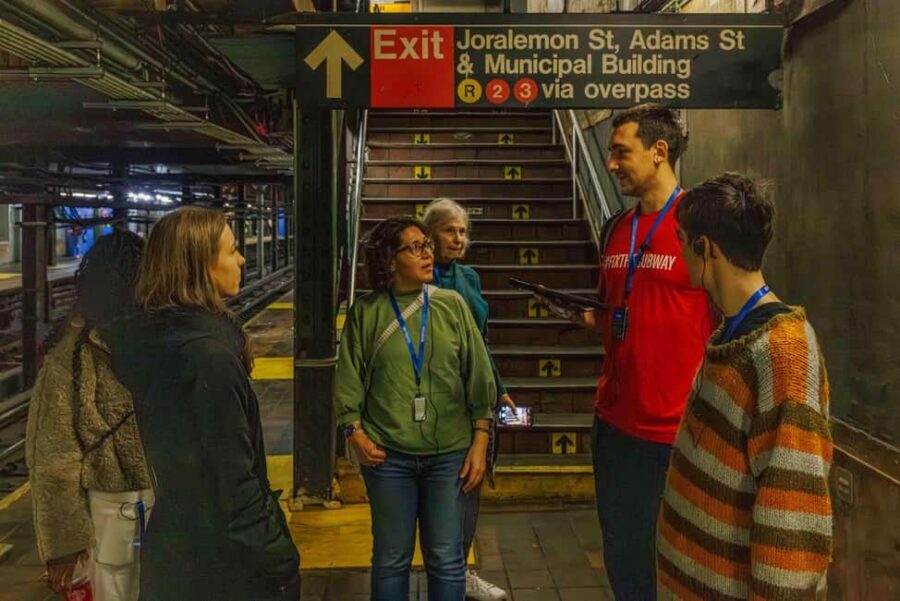
This private NYC subway secrets tour takes you under Lower Manhattan with licensed guide and urban planner Rayn Riel, pointing out details most riders never notice. You’ll see station art and architecture that dates back to the subway’s early era, plus more modern downtown projects that show how the system is still being rebuilt and rethought. Expect public areas only, but plenty of surprises—like City Hall Station and that unusual wine connection under the Brooklyn Bridge.
I love two things about this experience right away: the guide’s mix of history and how the subway actually works, and the fact you get individual ear pieces so you can hear clearly even at crowded stations or in noisy corridors. I also like that the tour’s timing is flexible on the ground; Rayn adapts the route as the train schedule and group questions come up.
One consideration: this is underground walking with real stairs, including up and down, so wear comfortable shoes and plan for a bit of physical effort. If tight spaces or long stair climbs wear you out, this may not be your best use of time in NYC.
In This Review
- Key things you’ll notice on this NYC subway secrets tour
- Where this tour starts: One Battery Park Plaza to Lower Manhattan’s underground maze
- City Hall Station and the art of the oldest subway era
- Abandoned platforms and the hidden logic behind old downtown stops
- Flooding, resilience, and the harsh lessons of downtown disasters
- The Brooklyn Bridge wine cellar you can spot from the subway
- Fulton Center and the Oculus: the newest downtown stations, explained
- How the 2-hour format works: pace, sound, and stair-heavy reality
- Price and value: $200 per group (up to 15 people) for subway access and a planner
- Who this tour fits best in NYC
- Should you book this private Subway Secrets tour?
- FAQ
- How long is the NYC: Discover NYC Subway Secrets Below Manhattan – Private tour?
- Where do I meet the guide?
- Where does the tour end?
- Is the subway fare included?
- Will I be able to hear the guide clearly?
- Is this tour private?
- What areas does the tour visit?
- Does the tour involve stairs?
- What language is the tour in?
- How much is the tour?
- What cancellation options are available?
Key things you’ll notice on this NYC subway secrets tour
- City Hall Station’s early design (the 1904 stop is a major moment)
- Flooded and damaged-down lessons, including a station affected by catastrophic subway flooding
- World Trade Center aftermath—you’ll stand on subway platforms that collapsed under the attacks
- The Brooklyn Bridge wine cellar connection, pointed out from inside the subway system
- Downtown’s newest hubs, including Fulton Center and the World Trade Center Oculus, and what’s different about 21st-century stations
Where this tour starts: One Battery Park Plaza to Lower Manhattan’s underground maze
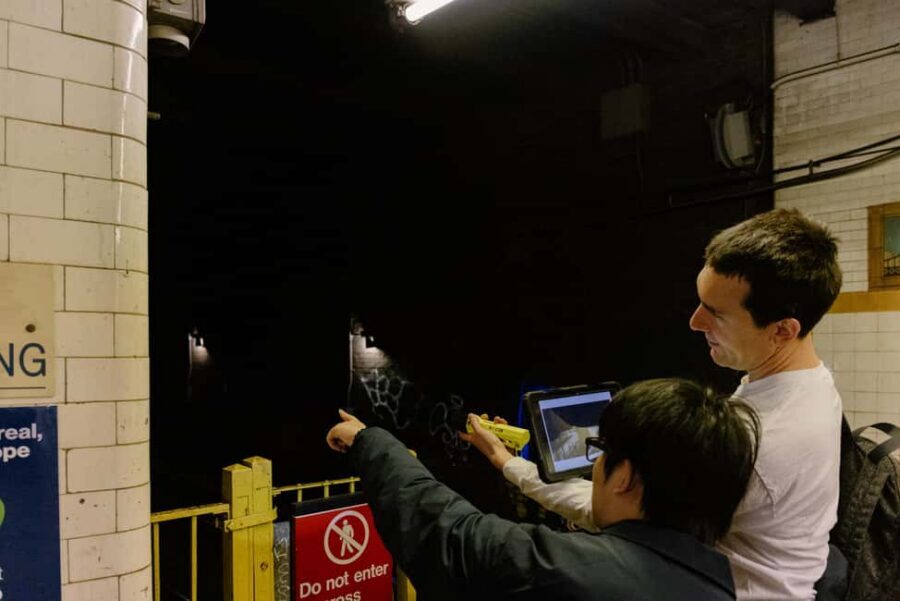
Meeting is at the Starbucks at One Battery Park Plaza on State Street, right by the waterfront side of Lower Manhattan. From the start, the tone is clear: this is not a “walk past landmarks and move on” tour. You’re being led into the subway world the way New Yorkers experience it—corridors, platforms, staircases, and the practical reality of how a system like the MTA actually runs day to day.
The big win here is your guide. Rayn Riel isn’t just reciting dates; he’s connecting design choices to real-world outcomes: cost, politics, engineering, and long-term maintenance. That’s why the tour feels less like sightseeing and more like learning how to read the city through its infrastructure.
Because it’s a private group, you also get a steadier experience than typical large-group tours. If you have questions about signals, station design, or why certain projects took the shape they did, you’re not shouting over a crowd to get an answer.
You can also read our reviews of more private tours in New York City



City Hall Station and the art of the oldest subway era
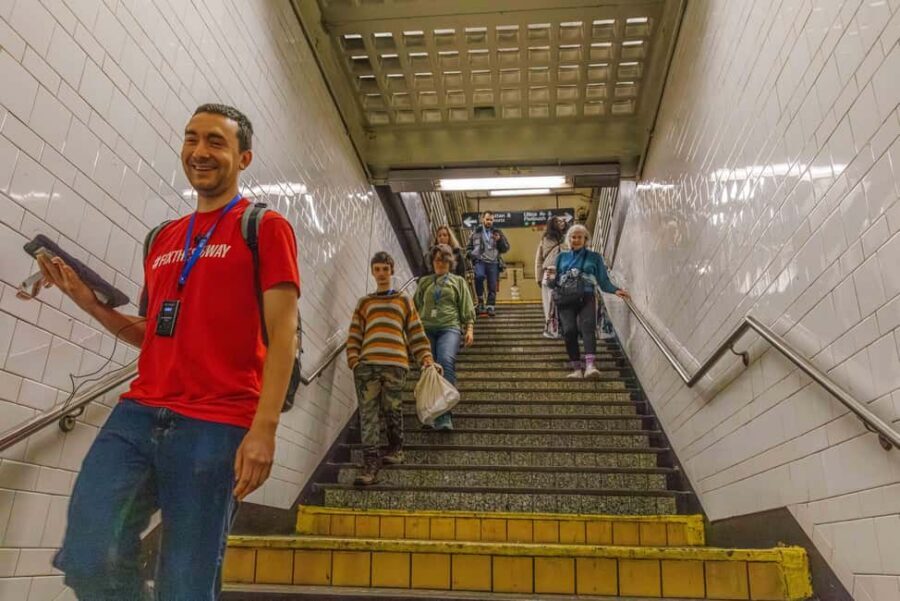
The star early stop is City Hall Station, tied to the subway’s older downtown story and famous for having original details still visible. The tour focuses on what you can actually see: station art and architecture, and the choices that shaped the first wave of downtown stations when the subway was still proving itself.
What I like about this part is that it trains your eye. Instead of just saying an older station is “historic,” the guide helps you notice the kinds of decisions that show up in early underground spaces—layout, finishes, and the overall feel of a station built for a different city rhythm. You’ll also hear the human side: how the subway’s early buildout wasn’t just engineering; it was a mix of planning, priorities, and power.
This matters for your experience because Lower Manhattan can be visually confusing. Many stations look like generic “underground boxes” until someone points out what’s truly distinctive. After City Hall, you start to see patterns across other stops—why some places feel more like civic rooms and others feel like efficient transfer points.
Abandoned platforms and the hidden logic behind old downtown stops
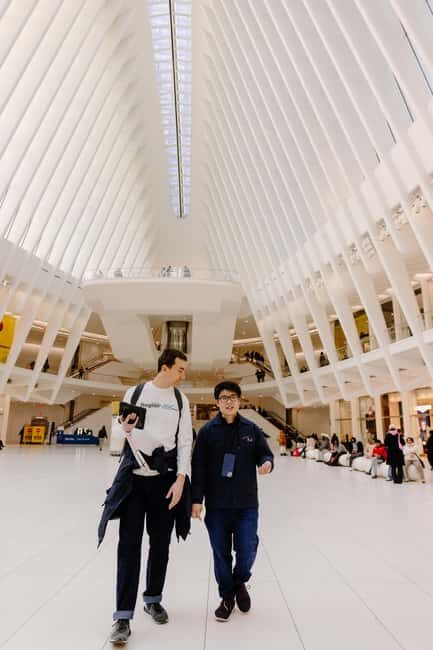
Another theme you’ll keep hearing is why you find abandoned platforms and unused pieces of infrastructure in the downtown network. The tour connects those “why is that there?” moments to planning decisions made decades ago—and the political and financial realities that shaped what got built, what got delayed, and what got abandoned.
You’ll walk through areas that reveal how layered the downtown system is. Even if you’re a regular rider, it’s easy to miss that many subway spaces are leftovers: older routes, altered connections, and structures kept in place even when service changed. Seeing this in person gives you a new kind of respect for the system. It’s not just a line on a map. It’s a physical record of decisions made in real time, under real constraints.
A practical note: this portion can feel more “transit-focused” than “touristic.” If you love how cities work—signaling, routing, station planning—you’ll enjoy it a lot. If you’re looking only for postcard photo stops, you may need to shift your expectations toward the engineering story.
Flooding, resilience, and the harsh lessons of downtown disasters
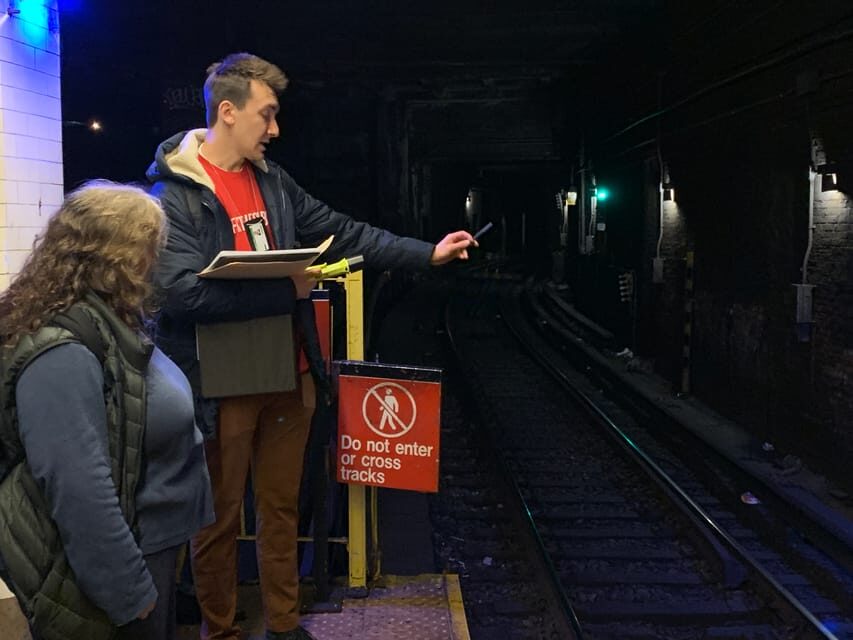
Downtown isn’t just older—it’s also battle-tested. The tour includes a station connected to catastrophic subway flooding that drowned it about 10 years ago, and it also addresses the impact of Hurricane Sandy and the 9/11 attacks on downtown transit.
One powerful moment is standing on subway platforms impacted by the World Trade Center disaster—platforms that collapsed under the attacks. That kind of stop changes your sense of scale. Suddenly you’re not just learning history; you’re seeing how infrastructure failures ripple through daily life.
The guide balances that gravity with what came next: how the network became more resilient. That’s valuable for you because it turns tragedy into engineering lessons. You understand why certain upgrades and design choices exist now, and why the system you use today carries visible scars and safer-thinking baked into its future.
Emotionally, this part lands. Practically, it also helps you understand why service patterns change during major events, why certain corridors behave differently, and why “downtown” has its own rules.
The Brooklyn Bridge wine cellar you can spot from the subway
Here’s the kind of detail that makes this tour feel fun, not just educational: the guide points out a wine cellar under the Brooklyn Bridge that connects to subway tunnels. It’s one of those stories that sounds like a tall tale until you see the way it’s integrated into the underground world.
What you’re really learning is how Lower Manhattan’s subway network shares space with older infrastructure and off-the-beaten-path uses. The city isn’t a clean grid of separate projects; it’s overlapping layers. That’s why you can go from a “normal” station moment to an unexpected underground side story.
For me, this is where the tour’s personality shows most. Rayn doesn’t treat the subway like a sterile museum. He frames the system as a working habitat with past lives—some industrial, some civic, and some oddly specific.






Fulton Center and the Oculus: the newest downtown stations, explained
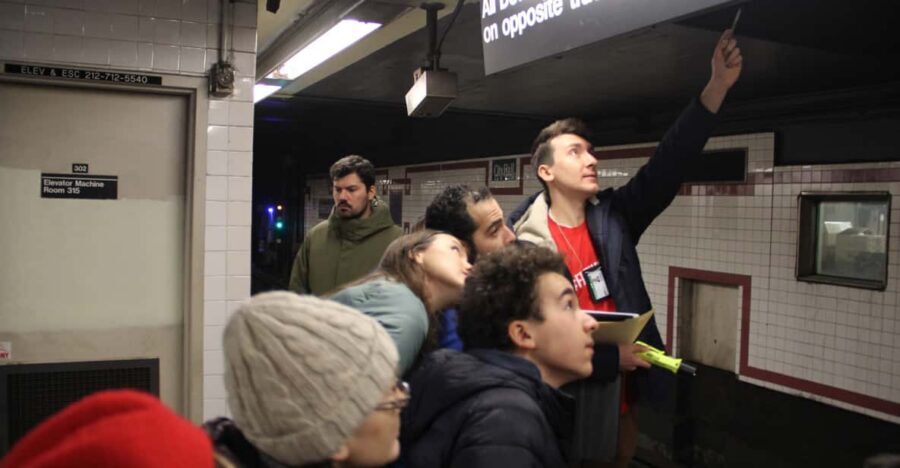
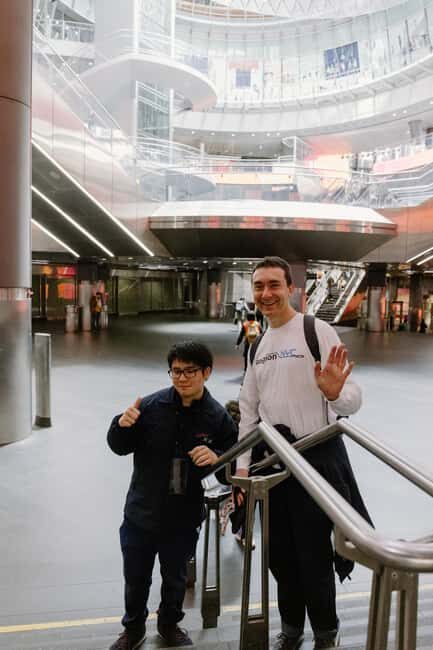
The tour ends by walking through some of the newest downtown downtown stations and transfer spaces, including the $1.4 billion Fulton Center and the $4 billion World Trade Center Oculus. This is a smart pairing: you see the earliest subway era, then you see what a modern, megaproject station looks like in cost, design, and passenger flow.
What I appreciate here is the comparison. The guide points out the stark differences between older stations and those built in the 21st century—especially in how architecture, wayfinding, and crowd movement are handled. You can feel the difference as a rider. Older stations can look ornate or heavy with character. Newer ones often prioritize clarity, scale, and engineered light.
And because the tour concludes at the World Trade Center Transportation Hub with food and drinks available for purchase, you finish in a place that feels contemporary and practical. It’s a good way to exit the underground story without ending on a dead stop.
How the 2-hour format works: pace, sound, and stair-heavy reality
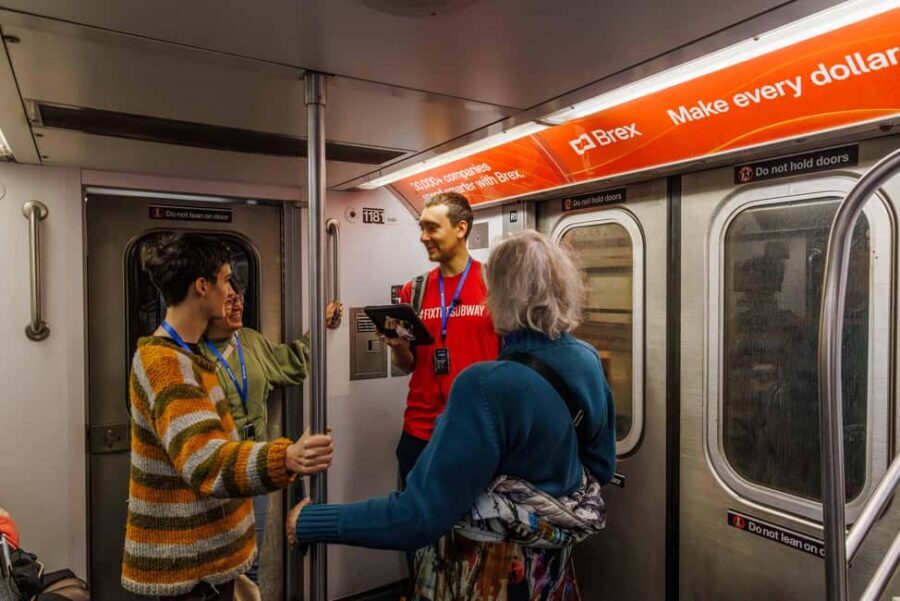
This is a 2-hour private tour that’s packed but not rushed. You’re moving through multiple underground areas and making time to stop and observe details. Since the route includes walking up and down steps, the pace assumes you can handle stair travel.
Two things help keep it comfortable:
- Ear pieces are provided so everyone hears perfectly, even from a distance.
- Your subway fare is included, which removes one small decision from your day.
You’ll also likely notice that Rayn keeps the tour responsive. In past outings, he’s adjusted the route based on train schedules and what the group wants to ask. That matters because it prevents the classic tour problem: standing around waiting while your guide talks at you.
If you get hungry, it’s worth knowing that at least one recent group noted Rayn brought a snack. Don’t count on it, but it signals that he tries to keep the group comfortable, not just on time.
Price and value: $200 per group (up to 15 people) for subway access and a planner
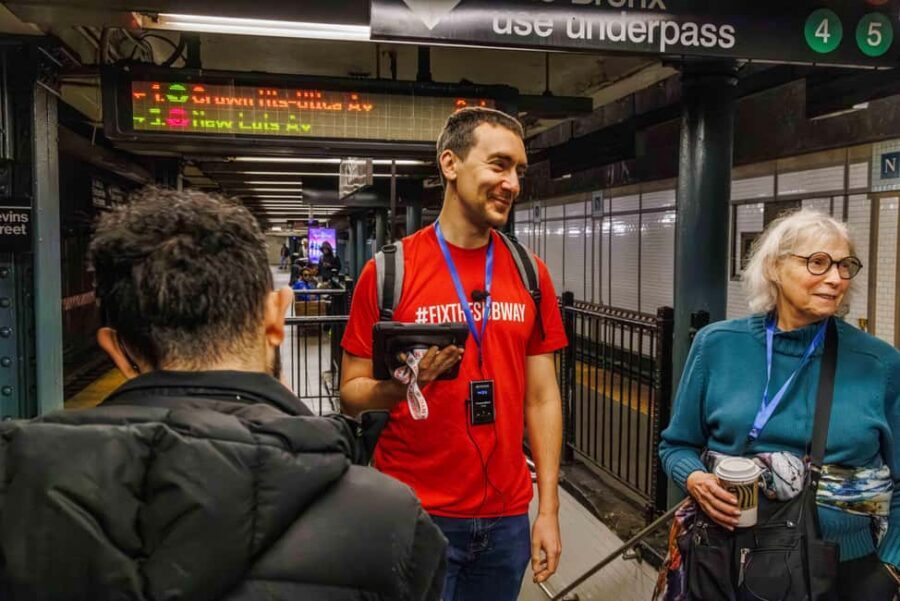
At $200 per group up to 15 people, the price can be surprisingly reasonable depending on group size. Here’s the value logic I use:
- If you book with a full group of 15, it works out to roughly $13 per person for a guided underground experience with subway fare included.
- If you book smaller, your per-person cost rises—but you’re still paying for a licensed guide plus a certified urban planner who can connect architecture and operations to real-world transit decisions.
The key value isn’t only that you’re “going underground.” It’s that you’re getting interpretation. Without that, a lot of downtown subway details look like random design choices. With Rayn’s framing, the same spaces become understandable: why something exists, what happened to it, and what it means for how the system functions now.
This is also a great price format for:
- Families who want something structured but not boring
- Friends who split costs
- Transit geeks who’d pay more for insider context
- Visitors who want one focused Lower Manhattan activity that doesn’t feel like a repeat of standard sights
Who this tour fits best in NYC
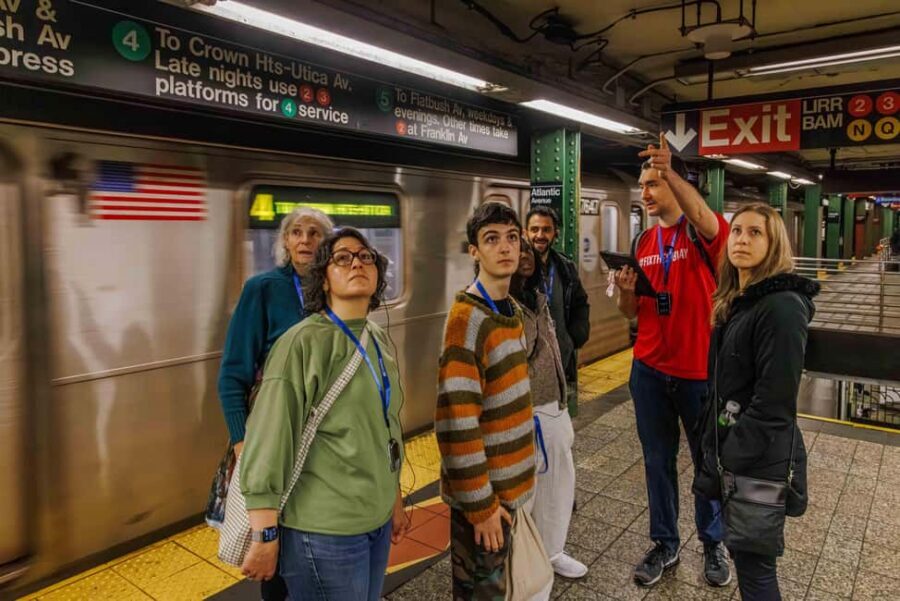
This NYC Subway Secrets tour is ideal if you like:
- Transit history with real infrastructure context
- Station architecture and design details you can actually see
- Stories tied to disaster response and system resilience
- A guide who can explain how the subway works, not just what’s old
It also works well for locals doing a staycation. Even if you think you know every line, the tour’s focus on hidden-in-plain-sight stations and lesser-known underground spaces can reset your sense of what downtown transit contains.
If you dislike walking, tight stair travel, or damp underground environments, you’ll want to think twice. You can still enjoy NYC by focusing on surface neighborhoods and viewpoints, but this specific experience is built around going below street level and staying there.
Should you book this private Subway Secrets tour?
If you want a Lower Manhattan activity that feels like a behind-the-scenes master class—history, operations, and design in one place—this is a strong book. The combination of Rayn Riel’s transit planning perspective, clear audio with ear pieces, and stops tied to major downtown moments (City Hall Station, the WTC platform story, the Brooklyn Bridge wine-cellar connection, and newer hubs like Fulton Center and the Oculus) makes the 2 hours feel earned.
I’d book it if:
- You have even a small interest in how cities build and rebuild
- You want a guided underground experience with context, not just photos
- You’re going with a group that can share the cost
I wouldn’t book it if:
- Stairs and underground walking sound like misery
- You only want bright, open-air attractions
FAQ
How long is the NYC: Discover NYC Subway Secrets Below Manhattan – Private tour?
The tour lasts 2 hours.
Where do I meet the guide?
Meet at the Starbucks at One Battery Park Plaza on State Street.
Where does the tour end?
The tour concludes at the World Trade Center Transportation Hub.
Is the subway fare included?
Yes. Full subway fare during the tour is provided.
Will I be able to hear the guide clearly?
Yes. Individual ear pieces are included so everyone can hear perfectly.
Is this tour private?
Yes, it’s a private group tour.
What areas does the tour visit?
The tour only visits public areas and does not access restricted areas.
Does the tour involve stairs?
Yes. The experience includes walking up and down steps and takes place in an underground environment, so comfortable shoes are recommended.
What language is the tour in?
The tour is in English.
How much is the tour?
It costs $200 per group up to 15 people.
What cancellation options are available?
Free cancellation is available up to 24 hours in advance for a full refund.