REVIEW · PHILADELPHIA
Philadelphia: Museum of Illusions Timed Entrance Ticket
Book on GetYourGuide →Operated by Museum of Illusions Philadelphia · Bookable on GetYourGuide
The Museum of Illusions in Philadelphia is a fast, friendly way to trick your eyes and keep moving. I love the photo-ops that look weird in the best way, and I love having the Smart Playroom option if you want your fun to feel a little more like a game. One possible drawback: some displays can make you feel dizzy, so you’ll want to follow the signs and take breaks.
For $31, you’re buying a timed entrance to see the full museum exhibits at your own pace. Since the visit typically takes about 45 to 60 minutes, it works best when you treat it as an activity stop, not a whole-day plan.
In This Review
- Key takeaways before you go
- Entering The Museum: Timed Tickets and a Smooth Check-In
- Your 45–60 Minute Game Plan: How to See the Most
- Gravity Tricks, Shrinking Chairs, and Ceiling-Walking Photos
- Holograms, Stereograms, and the Science Behind the Eye Fooling
- Crowds, Waiting, and How to Keep the Fun From Turning Into Chaos
- Smart Playroom: Memory Puzzles and Friendly Competition
- Practical Details That Affect Your Visit Day
- Who This Experience Fits Best (and Who Might Want to Skip)
- Price and Value: Is $31 Worth It?
- Should You Book a Timed Entrance Ticket?
- FAQ
- How long should I plan to spend at the Museum of Illusions?
- Do I need to arrive at a specific time?
- Are children required to have a ticket?
- Are food and drinks allowed inside?
- Is there a Smart Playroom and can I buy games there?
- Is the museum wheelchair accessible?
Key takeaways before you go

- Timed entry helps you avoid the slow shuffle and gives you a clear window to walk in
- 60+ illusions mix classic optical tricks with hands-on rooms meant to fool your senses
- Grow/shrink and gravity scenes are built for camera moments and quick laughs
- Smart Playroom adds memory and cognition challenges plus friendly “beat your score” energy
- Crowds happen around the most popular displays, so go slow and read the small explanations
- No food or drinks inside means plan to eat before or after your visit
Entering The Museum: Timed Tickets and a Smooth Check-In

This is a straightforward ticketed museum experience: you arrive, check in at the front desk, and mention your booking name. The host or greeter speaks English, so you can ask quick questions if your timing feels tight or if you need help getting oriented.
Your ticket is valid only for the date and time you booked, so don’t show up “sometime today” and hope for the best. That said, the staff attitude I saw described is reassuring—late arrivals have still been handled with understanding, and the process didn’t turn into a big stress test.
Once you’re in, you’re not stuck to a scripted route. You can decide what to chase first: the biggest picture spots, the more educational setups, or the games section. That flexibility matters because the museum moves at a “try it, reset your brain, try it again” pace.
You can also read our reviews of more tours and experiences in Philadelphia


Your 45–60 Minute Game Plan: How to See the Most
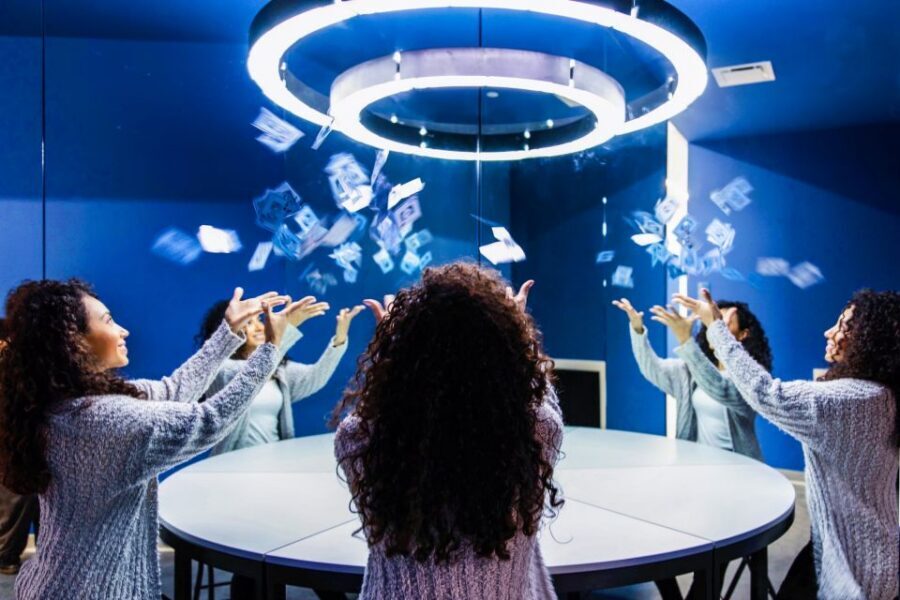
Most people should plan for about 45 to 60 minutes inside. That timing is long enough to hit the big attractions and take a few rounds at favorites, but short enough that you won’t feel stranded if you’re traveling with kids or you’re doing other Center City stops the same day.
Here’s a practical flow that usually works:
Start with the “I can’t believe my eyes” rooms first. These are the places you’ll likely photograph immediately, so you’ll avoid slowing down later when crowds thicken. Then, move through the educational exhibits that explain how vision and perception work—this is where you start noticing the patterns behind the tricks. Finish with the Smart Playroom, especially if you want a calmer, game-like ending.
If you’re prone to motion sickness or you’re sensitive to dizzying visuals, pace yourself. The museum uses signs to flag displays that may affect how you feel, and it’s smart to take a breather right away if you notice symptoms.
Gravity Tricks, Shrinking Chairs, and Ceiling-Walking Photos
The strongest reason to visit is simple: the exhibits are built to make you react. The kinds of activities you’ll look for include defy gravity setups, grow and shrink effects, and walking-on-walls-style challenges. People talk about the “shrinking chair” experience because it looks instant and dramatic—you sit, you look down (or up), and your brain scrambles to match what your eyes say is happening.
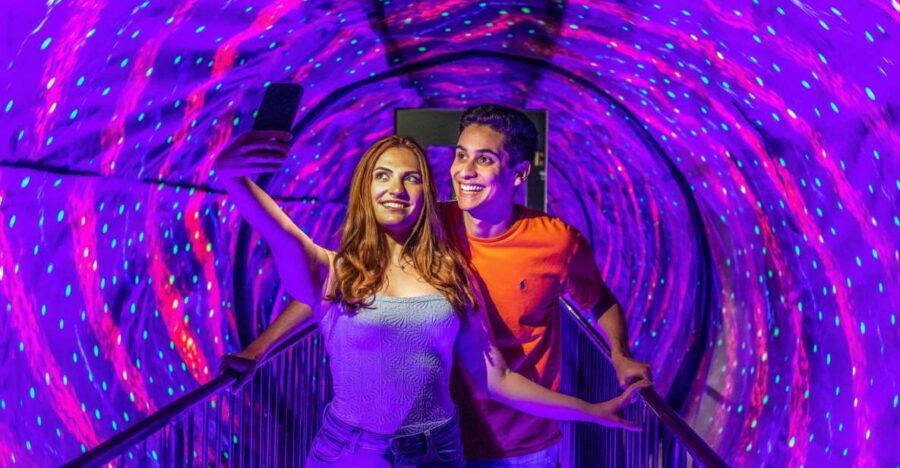
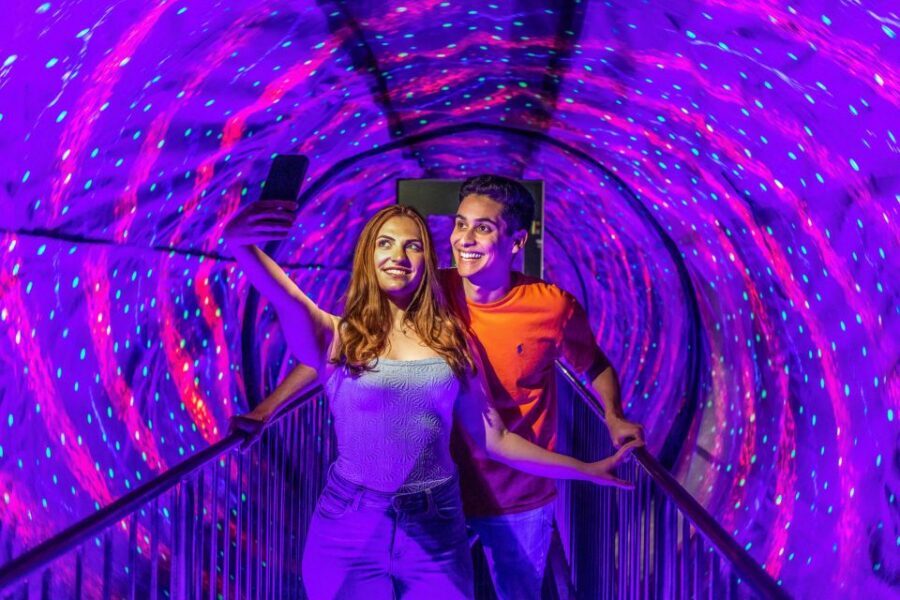
You’ll also find the kind of spectacle that turns a regular group visit into a mini photo shoot: a scene where perspective does all the work, a tunnel where motion becomes part of the illusion, and rooms meant to create that “hold still, this is going to be weird” moment.
One specific favorite that comes up is the vortex tunnel. It’s the kind of exhibit that feels like a highlight even if you’re not usually a museum person. If you want one “must-do” item, that’s it.
Practical tip: pick one person as the photographer and rotate roles. These displays often work best when someone is ready to shoot right as you’re positioned.
Holograms, Stereograms, and the Science Behind the Eye Fooling

Beyond the fun visuals, there’s real value in the way the museum explains what’s happening. The exhibits include holograms, stereograms, and optical illusions that connect to how your brain interprets light, depth, motion, and memory.
What makes that educational layer useful is that it turns a quick trick into a learning moment you’ll actually remember. Once you read the little descriptions and try the interaction slowly, the illusion stops being random. You start noticing that your brain makes assumptions—then the exhibit forces you to confront the assumptions directly.
If you want to get more out of it, don’t race. A slower visit makes the explanations feel personal instead of like background noise. It can also reduce the “I don’t get it” frustration when a display looks confusing at first glance.
Crowds, Waiting, and How to Keep the Fun From Turning Into Chaos

This museum can get busy, especially around the most popular setups. The practical answer isn’t “avoid it,” because you can’t always control timing in a travel schedule. The real move is to plan for a bit of crowd flow.
Go to your top 2 must-do exhibits first, before you spend too much time photographing the in-between rooms. If you’re traveling with kids or you’re with a mixed-age group, make it simple: one adult does the “instructions reading,” and the other handles the timing and photos.
Also, don’t feel like you need to do everything in one pass. If a crowd forms around a favorite display, step away, do one or two other exhibits, then return. That keeps energy up and gives your brain time to recover from any dizzying moments.
You can also read our reviews of more museum experiences in Philadelphia

Smart Playroom: Memory Puzzles and Friendly Competition
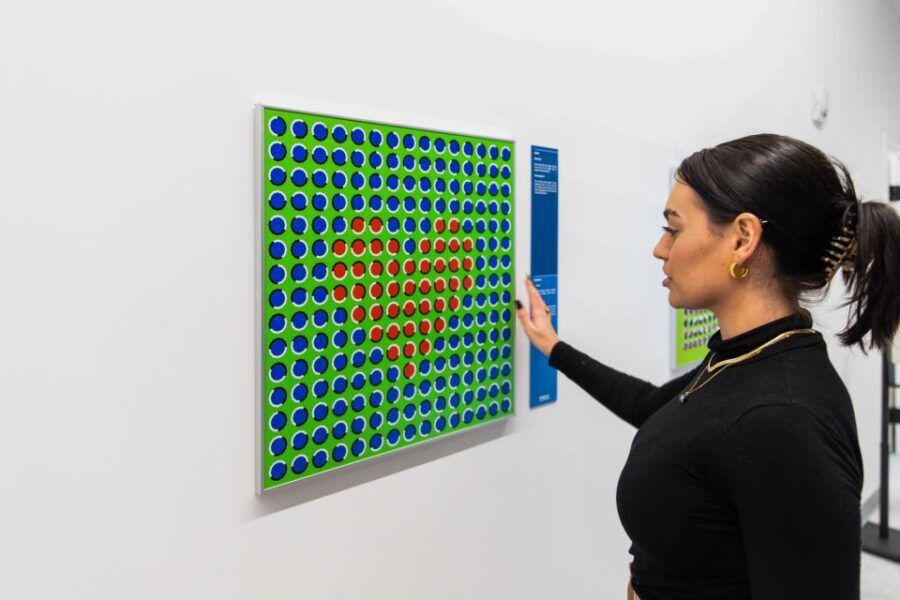
The Smart Playroom is a big reason to consider doing this more than just as a photo stop. It includes games that stimulate and challenge your mind, focusing on cognition, problem-solving, and memory.
What you’ll like here is the built-in social angle. You can do a friendly competition with friends and family—so even if someone isn’t into optical science, they’ll still be engaged by trying to beat a score or solve a puzzle.
If you have kids (especially preteens) this can be a great way to keep them interested after the novelty of the visual tricks settles down. Adults usually enjoy it too, because it’s less about “watch me do a trick” and more about “try, think, adjust.”
A bonus: there’s a Smart Shop onsite where you can buy many of the games you see in the play area, plus MOI merchandise. If you loved one specific challenge, this is one of the few museums where it’s realistic to bring the experience home.
Practical Details That Affect Your Visit Day
A few logistics really shape how smooth your visit feels:
- Food and drinks are not allowed. That means you should eat before you go or plan to grab something after. It also keeps the museum space from feeling like a cafeteria, which can be a plus when you’re trying to focus on exhibits.
- Bring a camera or smartphone. There are eye-fooling photo moments around many corners, and part of the fun is turning your reactions into something you can share.
- Choose your timing thoughtfully. Morning, afternoon, and evening entry options exist, and your day plan matters more than you might expect. If you’re sensitive to dizziness, earlier entry can feel calmer simply because the pace of a day sometimes sets the tone for your body.
On value: at $31 per person, this isn’t a “cheap and quick” stop. The good news is that your ticket includes entrance to the museum and all exhibitions, and you’re getting a full set of interactive experiences rather than one or two rooms. Still, if you’re visiting as a small group with minimal interest in puzzles or photo tricks, you may feel the price more than you would at a bigger attraction.
Who This Experience Fits Best (and Who Might Want to Skip)

I think this ticket is a great fit if you’re:
- Traveling with kids who like hands-on activities and visual surprises
- Visiting with friends and want something that’s social, silly, and easy to share
- Curious about why your brain misreads what your eyes “see”
- Looking for a short, self-paced stop that doesn’t swallow your whole day
It may be less ideal if:
- You need a long museum immersion. This one is usually 45–60 minutes, so it won’t replace a half-day museum plan.
- You’re very prone to motion sensitivity. Some displays are flagged for dizziness, so you’ll want to be ready to take it slow.
For families, it’s especially workable because the museum includes activities that are fun and also appropriate for children, and the Smart Playroom gives everyone a chance to contribute even if they’re not hunting photos the whole time.
Price and Value: Is $31 Worth It?

Let’s be honest: at $31 per person, value depends on what you want from your day.
You get a lot of experience for the money in the sense that:
- The ticket includes access to the museum and all exhibitions
- The museum contains 60+ illusions rather than a small sampler
- You’re not locked into a guided script—you can move at your pace
Where value can slip for some visitors is the short overall time. If you expect a long, meandering visit, you might leave feeling like you “spent money fast.” One person did also point out that the museum felt smaller than expected. That doesn’t mean it’s disappointing—just that your expectations should match the reality: it’s a concentrated hour of strange perception.
For most people, the best value trick is this: treat it as the highlight, not filler. If you schedule it intentionally and give yourself time for the Smart Playroom and a few favorite photo setups, the price starts to feel fair.
Should You Book a Timed Entrance Ticket?
Yes, I’d book it if you want a short, high-energy activity in Philadelphia that’s made for photos, laughs, and hands-on perception experiments. The timed entrance helps you plan cleanly, and the Smart Playroom gives you a second layer of fun beyond the visual spectacle.
But if you’re expecting a full-day museum or you’re very sensitive to dizziness, I’d think twice—or plan your visit with extra pacing and breaks. The museum is at its best when you lean into the idea that your eyes and brain will argue with each other, and you’re willing to play along.
FAQ
How long should I plan to spend at the Museum of Illusions?
Plan for about a 45 to 60-minute experience inside the museum.
Do I need to arrive at a specific time?
Yes. Your ticket is valid only for the date and time you booked.
Are children required to have a ticket?
Children 4 and under are free and do not need a ticket.
Are food and drinks allowed inside?
No. Food and drinks are not allowed.
Is there a Smart Playroom and can I buy games there?
Yes. There’s a Smart Playroom with memory and cognition puzzles, and there’s a Smart Shop onsite where you can purchase many of the games and related merchandise.
Is the museum wheelchair accessible?
Yes. The experience is wheelchair accessible.