REVIEW · PHILADELPHIA
Double Decker Hop-On Hop-Off City Sightseeing Philadelphia (1, 2, or 3-Day)
Book on Viator →Operated by Philadelphia Sightseeing Tours · Bookable on Viator
Philly goes by fast. This bus helps you catch the highlights without stress. It’s built around a loop through the city’s key neighborhoods, with live commentary plus multi-language audio so you’re not just riding—you’re sorting the place in your head.
I like that you get real flexibility. With a 1, 2, or 3-day pass, you can hop off for a museum stop, a waterfront walk, or a photo moment, then jump back on later. I also like the focus on the “big icons” in one ride—Liberty Bell, Rocky-area views, Penn’s Landing, and plenty of central stops.
The main drawback is simple: when the bus moves quickly (or when weather or detours kick in), you can miss good photo timing and skip some deeper “slow travel” moments. Also, attraction admission isn’t included, so you’ll need to decide which indoor stops are worth extra tickets.
In This Review
- Key Things to Know Before You Board
- How the Philly Double-Decker Loop Really Works
- Best Ways to Use Your Pass (So You Get Value)
- The Route, Stop by Stop: What You’ll See and Why It Matters
- Stop 1: Philadelphia Bourse (Start Here)
- Stop 2: Betsy Ross House
- Stop 3: National Constitution Center
- Stop 4: Chinatown
- Stop 5: Reading Terminal Market
- Stop 6: JFK Plaza (Love Park)
- Stop 7: Cathedral Basilica of Saints Peter and Paul
- Stop 8: Rodin Museum
- Stop 9: Philadelphia Museum of Art
- Stop 10: Eastern State Penitentiary (Admission Not Included)
- Stop 11: Please Touch Museum
- Stop 12: Zoological Drive
- Stop 13: The Franklin Institute
- Stop 14: The Mütter Museum at The College of Physicians of Philadelphia
- Stop 15: One Liberty Observation Deck
- Stop 16: Avenue Of The Arts
- Stop 17: Penn’s Landing
- Stop 18: Liberty Bell
- Audio, Guides, and Finding the Right Pace
- Practical Tips That Prevent Frustration
- Who This Tour Suits Best
- Should You Book the Philly Double-Decker Hop-On Hop-Off Pass?
- FAQ
- FAQ
- How long is the Philadelphia hop-on hop-off tour loop?
- What ticket options are available?
- What language options are included for audio?
- Is admission to attractions included?
- Where does the tour start?
- What time does the tour start?
- Can I hop off and get back on later?
- Are service animals allowed?
- Do I need good weather for the tour?
- What is the cancellation window?
Key Things to Know Before You Board
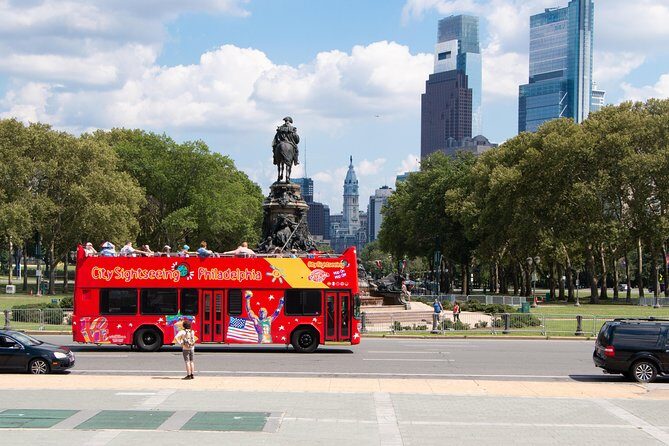
- Choose 1, 2, or 3 days so you can pace the loop instead of forcing everything into one morning
- Live guide + 5-language audio means you can switch how you listen depending on where you sit
- Eastern State Penitentiary is a stop with separate admission if you want inside access
- Start at Stop 1 to avoid the most common check-in headaches
- Rain and detours can change the vibe, so pack a backup plan for wet weather and traffic
- Use the stop numbers carefully since numbering can differ from other hop-on hop-off brands
How the Philly Double-Decker Loop Really Works
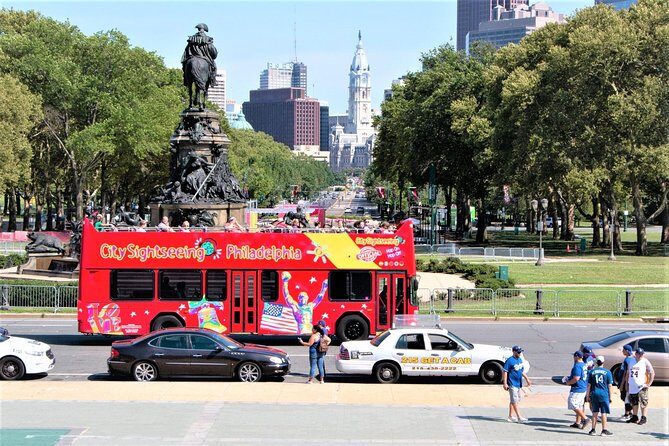
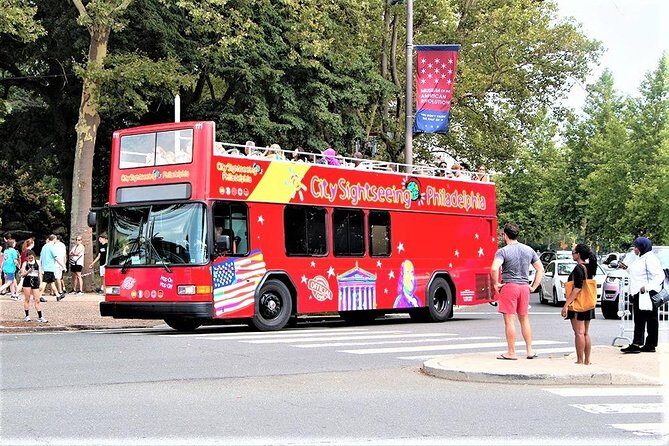
This is a hop-on hop-off style tour with a London-style double-decker bus and a tight route logic: you ride, you learn, you hop off when something grabs you, and you hop back on when you’re ready to move. The loop is about 1 hour 30 minutes (approx.), and it runs as a repeating route with many stops.
What makes it useful is the mix of “see it from the curb” sights and “good excuse to get out and walk” locations. If you’re only in Philly for a short stay, this is a smart way to build your bearings fast—then use your hop-off time to turn a few stops into real memories.
You’ll get live commentary from local guides for the loop, plus audio guides in English, French, German, Spanish, and Mandarin. Reviews also point to different guide personalities across days—names like Dave, Sebastian, Mike, and Denise came up. That variety matters because it changes the energy: some guides lean humorous, others speak fast, but the best ones help you connect what you see to what happened here.
You can also read our reviews of more city tours in Philadelphia

Best Ways to Use Your Pass (So You Get Value)
I like the way the pass options match how people actually sightsee. A 1-day pass works if you’re mostly doing curbside views and quick hops. A 2-day pass is where the value clicks, because you can repeat the loop and spend more time at the stops you liked the most.
A 3-day pass is for the “I want layers” traveler: you might ride one day for orientation, one day for museum hopping, and one day just to revisit your favorite neighborhoods without rushing. The tour also passes 100+ Philadelphia attractions, including major landmarks like Liberty Bell, Independence Hall, and the US Mint, so even staying on the bus can feel productive.
Here’s the practical truth about value: if you stay on the bus the whole time and skip indoor stops, you’ll still get a solid overview. But if you hop off at a bunch of paid attractions, the value depends on whether you actually want those sites. Since admission tickets aren’t included, treat the bus as the organizer and plan your museum time like you would on your own.
The Route, Stop by Stop: What You’ll See and Why It Matters
Below is the ride order for the main stops, plus what each one is good for. I’ll also flag a couple watch-outs where the experience can feel rushed.
Stop 1: Philadelphia Bourse (Start Here)
This is the meeting point and check-in anchor at the Philadelphia Kiosk at the Bourse Building. Starting here keeps things simple because the most common boarding issue is trying to enter mid-route.
I’d plan for 9:30 am start time and give yourself a little buffer. One review clearly warned that getting on works best when you begin at Stop 1 and have what the driver needs to scan/verify.
Stop 2: Betsy Ross House
This stop is your shortcut into the Revolutionary-era story Philly likes to tell. If you want early American history without building a whole walking itinerary, this is a good landing point.
The drawback is that it’s easy to rush past if you’re only using the stop for photos. If you care about history details, hop off and give it at least a short walk-through time.





Stop 3: National Constitution Center
This is a “big building, big topic” stop. It’s a strong choice when you want context beyond street-level monuments—especially if you like understanding how the US story gets told.
Because attraction admission isn’t included, you’ll have to decide on the spot whether going inside fits your budget and your schedule.
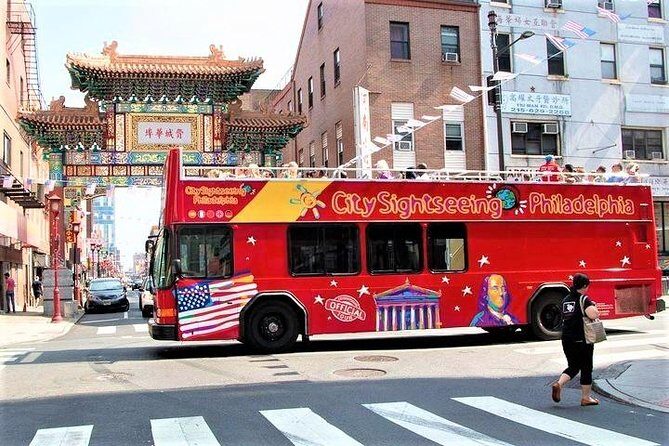
Stop 4: Chinatown
Chinatown is the palate cleanser in the route. It’s also a practical stop: you can reset with food and walking, which matters on a day when you’re otherwise stuck in transit time.
If your goal is snacks and a quick stroll, this is a good place to hop off for a bit before heading back on for more landmarks.
Stop 5: Reading Terminal Market
This is one of the best “get out and do something” stops. Markets turn a sightseeing day into an actual day, not just a parade of photos.
If you time it well, you can use this stop to eat, browse, and then re-board for the next stretch. A few reviews even mention this as the kind of reliable hop-off opportunity that makes the whole pass feel worth it.
Stop 6: JFK Plaza (Love Park)
This is Philadelphia’s social hub zone—easy for photos, easy for a meeting point, and great for understanding the city’s center. It’s also a practical landmark for planning your next hop.
One watch-out: if your schedule depends on a very specific re-boarding time, keep an eye on the bus timing because the experience can feel hurried when the route gets busy.
Stop 7: Cathedral Basilica of Saints Peter and Paul
This is a “pause-worthy” stop if you like architecture. Even if you don’t go inside, the building has enough presence that it earns a few minutes of attention.
It can be tempting to stay on the top deck and keep riding, but this is one of those spots where a quick hop off is worth it.
Stop 8: Rodin Museum
This stop is good for travelers who want art and sculpture without needing a full art museum day. It’s also a nice change from purely Revolutionary landmarks.
Since admissions are not included, treat it as a stop where you decide on the spot: short curbside views versus adding museum time.
Stop 9: Philadelphia Museum of Art
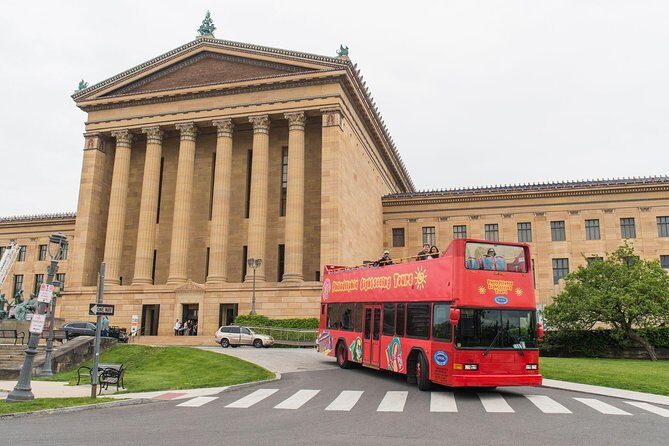
This is the stop for the famous museum steps area. Even if you don’t go inside, the views and vibe are part of why people come here.
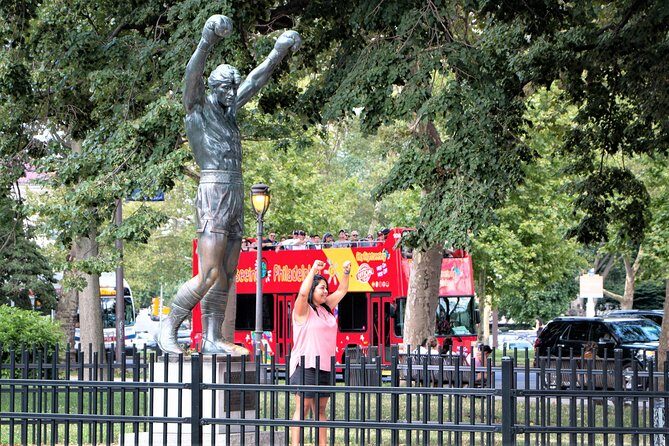
Some reviews mention that the bus can be fast enough that you may not get the perfect statue-and-steps photo timing if you’re focused on re-boarding or catching the next stop. If your top goal is a specific photo, hop off earlier and give yourself breathing room.
Stop 10: Eastern State Penitentiary (Admission Not Included)
This one is clearly called out with admission not included, which tells you it’s meant as an optional “real visit” stop. If you want to go deeper here, plan it like a separate attraction, not like a quick look.
Also, penitentiaries are intense places. If your group includes kids or you’re sensitive to darker subject matter, decide before you arrive how long you want to spend here.
Stop 11: Please Touch Museum
This stop is best for families—or for adults who enjoy hands-on museum-style fun. If you’re traveling with kids who get restless, this gives you a “let them move” option.
Like other paid indoor stops, you’ll need to budget time for whether you actually buy tickets and go in.
Stop 12: Zoological Drive
This is more of a “scenic break” than a major landmark stop. It’s useful for travelers who like seeing green spaces and campus-like stretches between bigger attractions.
If you’re chasing only the top famous sights, you might use this stop more as transit time than as a must-do.
Stop 13: The Franklin Institute
This is a hands-on science choice. If you like practical learning or you’ve got kids in tow, this stop tends to land well.
Because admission isn’t included, you’ll want to pick what fits your group’s energy that day.
Stop 14: The Mütter Museum at The College of Physicians of Philadelphia
This is a niche but memorable museum stop—medical oddities and history. If that’s your kind of curiosity, it’s a strong add to your hop-on day.
If you’re not sure, you can still treat it as a pass-by stop and keep your day focused on the classics.
Stop 15: One Liberty Observation Deck
This is your “rise above Philly” option. It’s one of the stops that can make the bus pass feel like more than just streets and buildings.
Observation stops tend to eat time, though, so decide if you want a quick stop or a longer look.
Stop 16: Avenue Of The Arts
This is a walking-stroll kind of stop. It helps you see how Philly connects its cultural corridor.
If you hop off here, keep your return-on time in mind so you don’t end up stuck waiting when you’d rather keep moving.
Stop 17: Penn’s Landing
This is a big mood shift: waterfront time. Penn’s Landing is where you can swap museum and history mode for fresh-air walking, river views, and a calmer pace.
This stop is also a good reset when your legs need a break from looping and re-boarding.
Stop 18: Liberty Bell
The route ends at Liberty Bell again—so it works as both a “final iconic stop” and a good endpoint when you want to end your day with one more hit of Philly’s core landmark.
Since you can hop on and hop off, you can also use this as a last-day anchor if you want your schedule to end right at the most famous draw.
Audio, Guides, and Finding the Right Pace
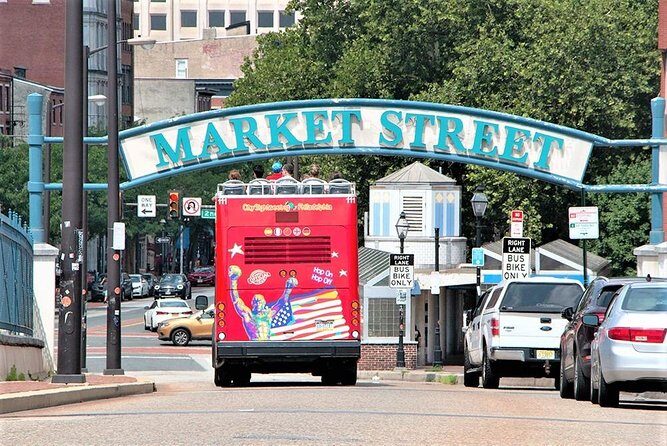
You get two ways to listen: live narration on the bus and multi-lingual audio. That’s not just a nice extra. It helps you avoid “dead time” where you’re staring out the window but not sure what you’re seeing.
The audio guides are in five languages, including English plus French, German, Spanish, and Mandarin. If you want control—like turning the audio up while you spot buildings—you’ll like having the option.
Guide delivery can vary. Some reviews praise guides like Dave and Sebastian for being friendly and informative. Others mention that some guides spoke fast, making it harder to catch every detail. My advice: don’t try to capture everything in one ride. Pick a theme for the day—Revolution, neighborhoods and food, or museums—and let the commentary do its job.
Practical Tips That Prevent Frustration
These are the little things that matter on hop-on hop-off days.
First: start at Stop 1. Multiple accounts flagged that boarding works best there, and that trying to enter at another stop can lead to denial until staff fix it.
Second: bring a backup version of your ticket. The tour uses mobile ticketing, but at least one review reported needing printed tickets to board even when a QR code was shown. If you can print, do it. If you can’t, at least screenshot everything.
Third: know your stop number for this specific service. One review warned that stop numbers can differ from other hop-on brands. That matters because it’s easy to get off at the right area and still go to the wrong stop.
Fourth: photo timing can be tough. The route is designed to keep moving, and some riders complained they couldn’t get a good shot of the Rocky area because of speed. If photos are your priority, hop off sooner and build in a walk buffer.
Fifth: rainy day performance may be rough. One review called out a smaller, leaky bus and miserable conditions. I wouldn’t plan on comfort if the weather turns nasty. Bring a small umbrella or rain shell and accept that you might stay in transit more than you want.
Who This Tour Suits Best
This is a great match for you if you want:
- an overview route that connects Philly’s major sights in one day
- a plan that works even if you don’t know the neighborhoods yet
- a flexible itinerary where you can choose between curbside viewing and indoor time
It’s also a solid option for first-timers and for families who need a rhythm: ride, hop off, snack, hop back on.
If you prefer slow walking and deep museum time with minimal transit, you might find the loop feels a bit fast. In that case, use the bus as a connector, not as your only plan.
Should You Book the Philly Double-Decker Hop-On Hop-Off Pass?
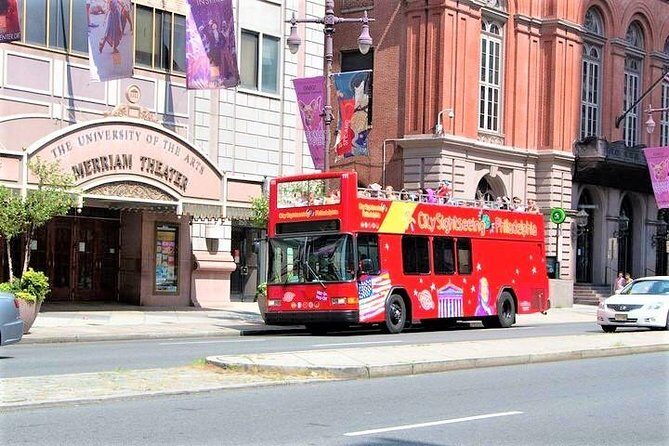
Yes, if you want the smartest “get oriented” move in a limited time window. The combination of live guides, five-language audio, and a loop hitting iconic landmarks like Liberty Bell, the Rocky-area museum steps zone, and Penn’s Landing is exactly what a hop-on pass should do.
I’d book with a clear plan: decide how many stops you truly want to visit inside, and treat the rest as curbside hits. If you’re traveling in heavy rain or you care about perfect photo timing at the steps, build extra hop-off time so you aren’t racing the bus.
FAQ
FAQ
How long is the Philadelphia hop-on hop-off tour loop?
The bus loop is about 1 hour 30 minutes (approx.).
What ticket options are available?
You can choose a pass valid for 1, 2, or 3 days.
What language options are included for audio?
Audio guides are available in English, French, German, Spanish, and Mandarin.
Is admission to attractions included?
No. Attraction admission tickets are not included.
Where does the tour start?
Start at Stop 1: Philadelphia Bourse (City Sightseeing Philadelphia Kiosk at the Bourse Building).
What time does the tour start?
The start time listed is 9:30 am.
Can I hop off and get back on later?
Yes. This is a hop-on hop-off style tour, so you can leave the bus and re-board when you’re ready.
Are service animals allowed?
Yes, service animals are allowed.
Do I need good weather for the tour?
Yes. The experience requires good weather, and if it’s canceled due to poor weather you’ll be offered a different date or a full refund.
What is the cancellation window?
Free cancellation is available up to 24 hours in advance for a full refund.
If you want, tell me your travel dates and whether you’re traveling solo, as a couple, or with kids. I can suggest which stops to prioritize for a tight day vs. a relaxed 2-day plan.