REVIEW · NEW YORK CITY
NYC: Greenwich, SoHo, Little Italy and Chinatown Tour
Book on GetYourGuide →Operated by CARERI ENTERTAINMENT · Bookable on GetYourGuide
Five neighborhoods, one easy walking plan. I like how the route connects SoHo’s design details to real neighborhood change, not just photo stops. You get stories that make the streets feel less random and more intentional, especially when the guide explains cast-iron architecture in plain terms.
I also like the way the tour handles food without locking you in. You’ll get expert recommendations for classics like NYC pizza, cannoli, and dumplings, then you choose what fits your budget. One thing to keep in mind: you’ll cover about 3.5 to 4 hours of walking, so comfortable shoes matter.
In This Review
- Key highlights worth planning for
- Union Square Start: meeting point, timing, and what to pack
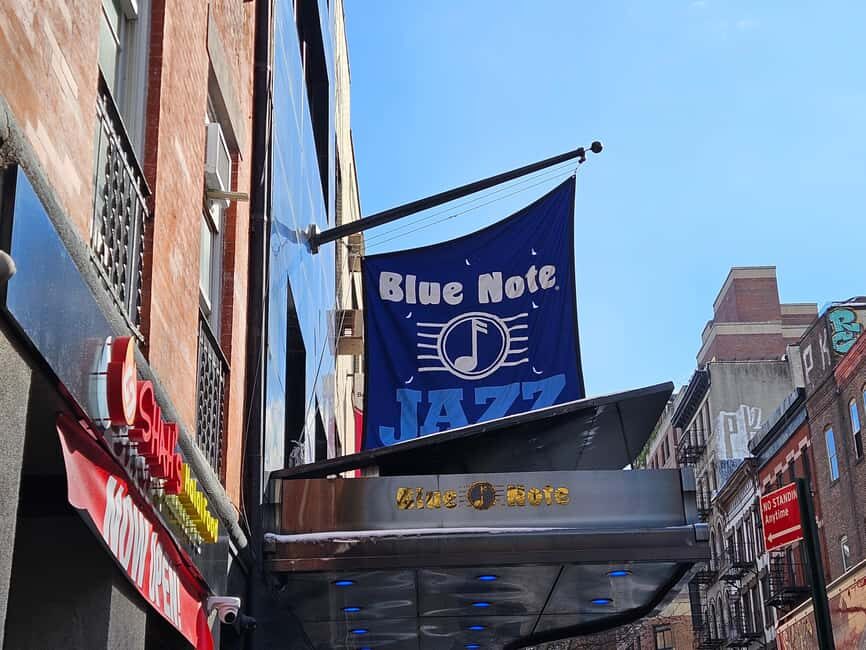
- Greenwich Village lanes: jazz clubs, historic townhouses, and speakeasy lore
- SoHo cast-iron architecture: the design lesson you can actually use
- NoLiTa to Little Italy: cafés, landmarks, and the pasta-scent shift
- Chinatown markets and Chinese eateries: herbal shops, street energy, and smart eating picks
- Food tips without food included: how to use the recommendations
- Languages and pace: what the 3-hour plan really feels like
- Price and value for $62: what you’re paying for
- Who should book this Greenwich Village–Chinatown walk
- Should you book this tour?
- FAQ
- Where do I meet for the tour?
- How long does the tour last?
- Which neighborhoods are included?
- Is the tour only in English?
- Is food included in the price?
- What should I bring?
- Do I need to buy anything at the start?
- Is there free cancellation?
- Can I reserve and pay later?
- What happens if I want to take photos?
Key highlights worth planning for
- SoHo’s cast-iron buildings explained so you can spot what makes them special
- Greenwich Village back-street stories tied to jazz clubs and historic townhouses
- Fast-changing vibe from NoLiTa to Little Italy, with tastes and landmarks on the move
- Chinatown markets, herbal shops, and Chinese eateries with targeted recommendations
- Food tips are included, but food is not, so you stay flexible with your own choices
Union Square Start: meeting point, timing, and what to pack
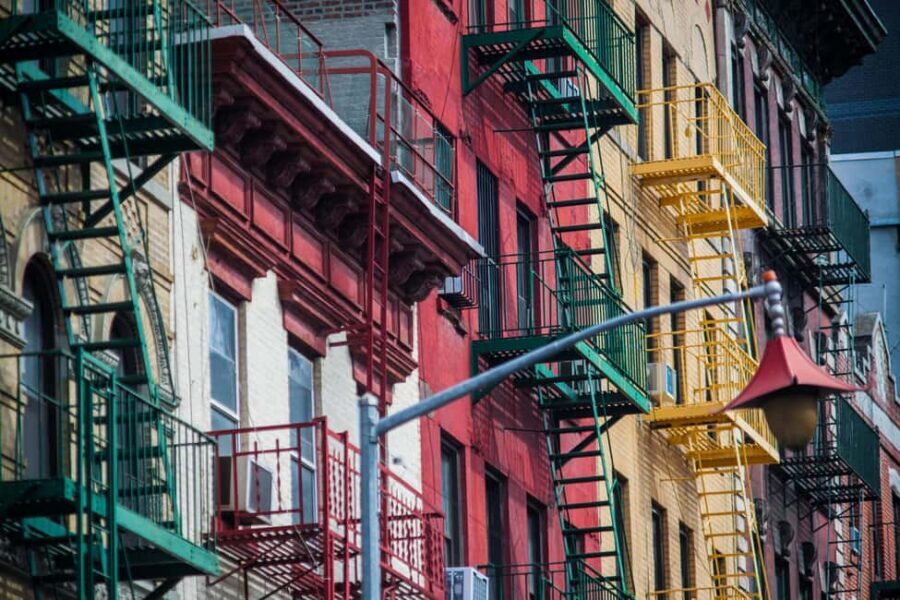
The tour kicks off at Union Square, near Bank of America. Your guide will hold a sign with the tour name, so you can spot the group without guesswork. This is a good starting point because you can usually get here easily and regroup fast if you’re running a few minutes behind.
The official duration is 3 hours, but plan for closer to 3.5 to 4 hours on foot. That extra time usually comes from walking slow enough to actually look, not just power-walk through streets. Bring water and expect plenty of sidewalk time, plus a bit of standing while the guide points out details and keeps everyone together.
Pack comfortable shoes and a camera. You’ll want photos, especially in SoHo where building façades are the main attraction, not just the storefronts. If you’re the type who likes to stop for one or two extra pictures, give yourself a little buffer.
You can also read our reviews of more tours and experiences in New York City.



Greenwich Village lanes: jazz clubs, historic townhouses, and speakeasy lore
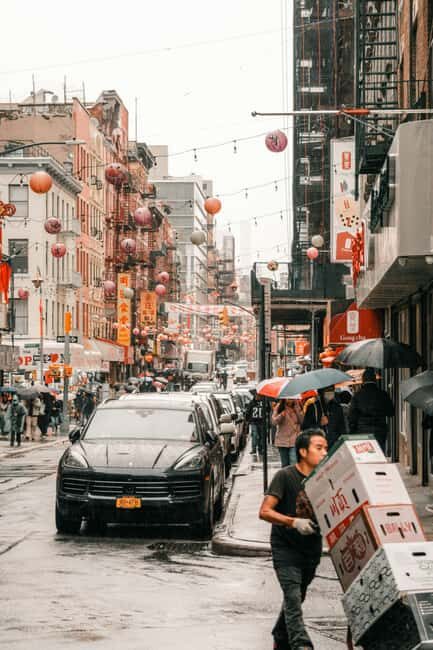
Greenwich Village is where the tour turns from “seeing sights” to feeling the city’s personality. You’ll walk areas tied to jazz clubs and historic townhouses, plus the kind of legend that hangs around old corners and back doors.
What I like about this part is the mix. It’s not just big landmarks; it’s the smaller street rhythms—narrower blocks, architectural variety, and the sense that the neighborhood has always been a creative magnet. The guide’s storytelling helps you connect what you see today with what people were drawn to decades ago.
A practical note: Village streets can be a little tight underfoot and busy with foot traffic. If you’re visiting during peak hours, you’ll move in short clusters and stop often for explanations. That’s part of the value, but it’s also why comfy shoes and patience matter.
SoHo cast-iron architecture: the design lesson you can actually use
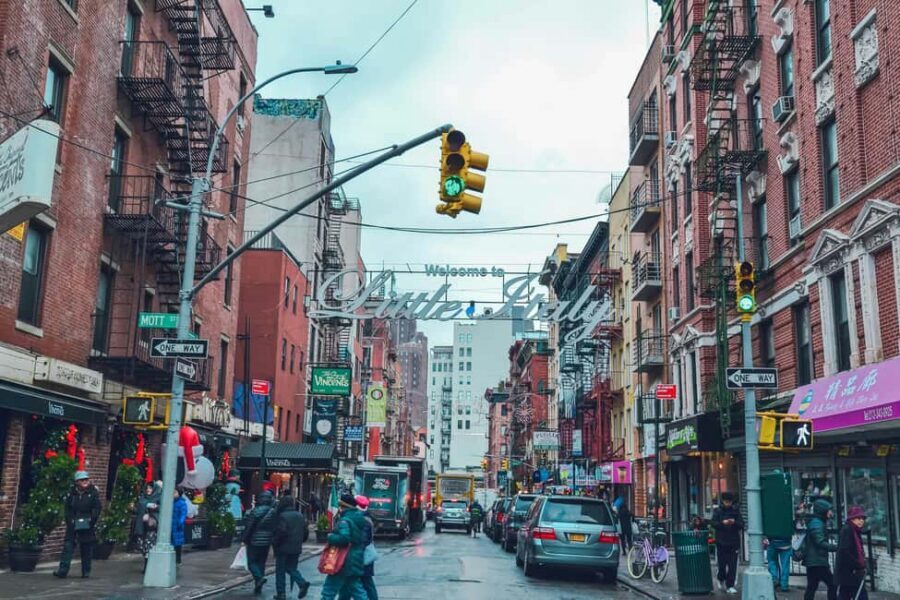
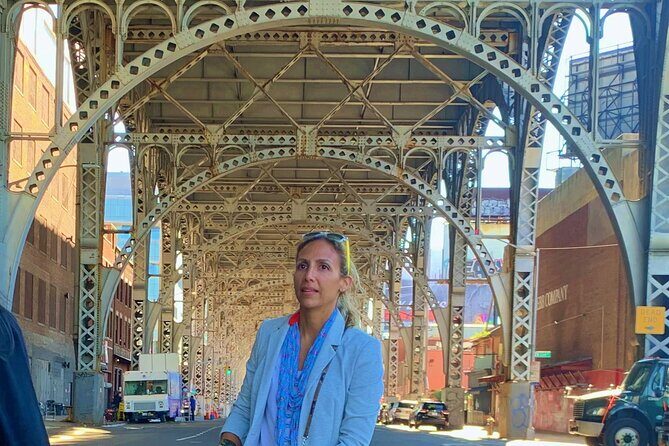
SoHo is where the tour earns its keep for people who like architecture and history, even if you’re not a museum person. The guide points out cast-iron building elements and explains how this once-industrial neighborhood transformed into a destination for artists, fashion, and luxury shopping.
Here’s the practical payoff: you’ll learn what to look for. Instead of just admiring pretty façades, you’ll know what makes cast-iron construction notable and why these streets look the way they do. That means your photos come with context, and your brain stops treating SoHo as one long strip of stores.
This is also a strong “first-time NYC” section because SoHo is so recognizable, but most people only see it from storefronts. You’ll get the street-level version—details you miss when you’re just shopping. If you’d rather sit with a coffee, you’ll need to be flexible here since most of the interest is on the sidewalk and in the buildings right above it.
NoLiTa to Little Italy: cafés, landmarks, and the pasta-scent shift
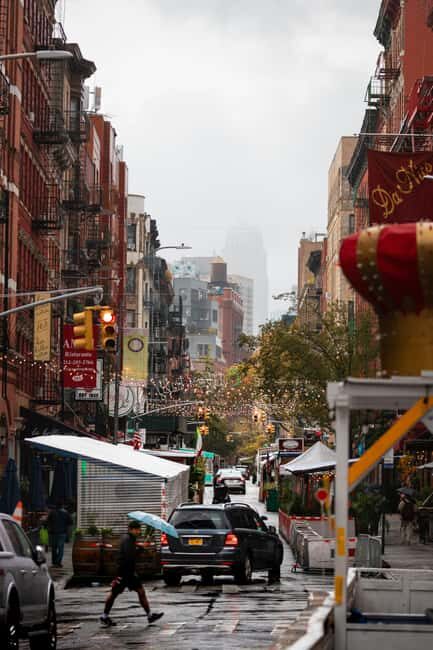
NoLiTa (North of Little Italy) brings a different feel right after SoHo. Expect a stylish mix of historic landmarks and trendier cafés, so the neighborhood reads like a transition zone rather than a totally separate world. The tour’s timing usually works well here because you’ve already warmed up your “street observation” skills.
Then you move into Little Italy, where the vibe gets more nostalgic and sensory. You’ll catch the aroma of fresh pasta and hear stories that bring old-school mob history into the conversation. This isn’t taught like a textbook; it’s more about how the neighborhood’s identity shows up in the daily scene.
I like that the guide doesn’t treat Little Italy as a costume set. You’re still getting city culture, just filtered through food and local lore. If you’re hungry, this is a good moment to decide what you want next—cannoli for something sweet, or classic pizza if you want a sure thing.
Potential drawback: this area can feel crowded, especially around popular food streets. You’ll still walk, but expect slow moments when storefronts and lines get busy. If you hate crowds, it helps to keep your camera ready and let the guide pass the trickiest pockets first.
Chinatown markets and Chinese eateries: herbal shops, street energy, and smart eating picks
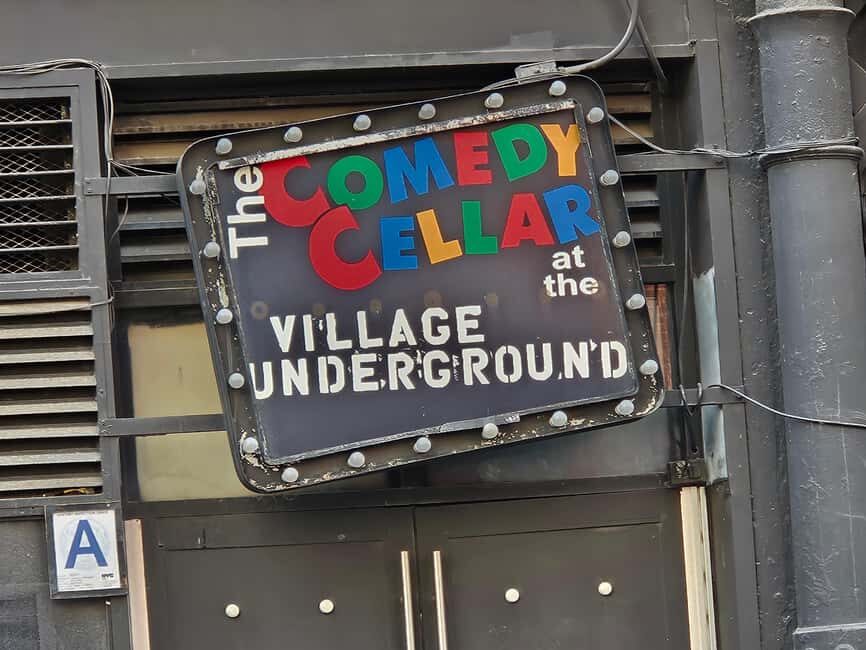
Chinatown is the final neighborhood stretch, and it’s where the tour’s food value becomes most obvious. You’ll see traditional herbal shops, walk through busy markets, and visit the kinds of spots that feed the neighborhood every day, not just for tourists.
The guide also covers the community’s history and what brought waves of immigrants to the area. That context matters because it helps you interpret what you’re seeing beyond signage and smells. Chinatown stops being a “place to visit” and becomes a place with a real story and a functioning food economy.
What you’ll likely feel most is variety: herbs, packaged goods, produce, and restaurants all within a short walk. The guide’s recommendations usually help you cut through the overwhelm. If you’re craving dumplings, you’ll know what to look for and where to go after the tour, since food and drinks aren’t included.
A word on expectations: this part is less about pretty architecture and more about activity and options. If you want quieter sightseeing, you may need to adjust your mindset. Think street-level browsing with direction, not a slow stroll through calm blocks.






Food tips without food included: how to use the recommendations
This tour includes guided walking and expert recommendations, but food and drinks are not included. That’s actually a good deal for many people, because you control what you eat and how much you spend. You can go classic with NYC pizza, chase cannoli for dessert, or follow the guide’s lead for dumplings when Chinatown feels right.
The best way to use this setup is to treat the tour like a scouting mission. In each neighborhood, note what the guide highlights, then decide later when you want to sit down. If you’re traveling with kids or picky eaters, this approach is easier too, since you’re not stuck with a fixed menu.
If you’re the type who likes to plan ahead, bring a rough idea of what you want: one savory meal, one sweet stop, and maybe a snack. The guide’s choices are meant to save you time later, not force you into one option during the walking portion.
Languages and pace: what the 3-hour plan really feels like
The tour runs with a live guide in English, French, Spanish, and Italian. If language support matters for you, this is helpful because you won’t be relying on a phone translation while the group moves.
Pace is the other big consideration. Even though it’s described as a 3-hour tour, you should plan for about 3.5 to 4 hours of walking coverage. That’s not marathon-level, but it does mean you’ll stay on your feet through multiple neighborhoods with limited downtime.
This also explains why the guide’s role matters so much. When you’re walking that long, you want explanations that make sense quickly and don’t require stopping for a long time. Based on strong feedback about the guides’ friendliness and competence, the experience tends to keep moving while still giving you real context.
One name you may hear in the guide lineup is Antonio. He’s been praised for being especially friendly and competent, and for doing a great job for families, including kids.
Price and value for $62: what you’re paying for
At $62 per person for a ~3-hour walking tour, the real value is not the neighborhoods by themselves. You could wander these areas on your own for free. The value is the guided “translation” of what you’re seeing: architecture in SoHo, neighborhood identity shifts from Village to SoHo to Little Italy, and the immigrant-community context in Chinatown.
You’re also paying for time-saving food direction. Since food and drinks aren’t included, the guide’s recommendations help you spend your money on the kinds of places you actually want, instead of guessing between tourist traps and solid local spots. That can easily turn into savings in both money and frustration.
Finally, you’re getting a structured route across five neighborhoods in one go. That matters in NYC, where bouncing between areas can eat up your day. For many people, $62 is fair if you want a guide to tie the places together in a way that feels organized and practical.
Who should book this Greenwich Village–Chinatown walk
This tour fits best if you want NYC neighborhoods with context, not just a list of streets. It’s especially good for first-time visitors who want to cover a lot of ground quickly, and for locals who want a different angle and a tighter route.
It also works well for people who like food planning. Since you get expert recommendations for classics like pizza, cannoli, and dumplings, you can use the tour to set yourself up for a great meal later.
Family-friendly energy is also part of the appeal. One guide, Antonio, has been specifically praised for working well with kids and making the experience memorable for a whole group.
Where it may not fit: if you dislike walking for 3.5 to 4 hours, or if you want a slow pace with frequent seating, you may find the rhythm a bit demanding.
Should you book this tour?
Book it if you want an organized way to connect NYC neighborhoods by story and food. You’ll walk through distinct areas—Greenwich Village, SoHo, NoLiTa, Little Italy, and Chinatown—while learning what makes each one feel like itself. And because food isn’t included, you get flexible choices with guidance instead of a fixed meal.
Skip it if your main goal is deep museum-style time, or if long sidewalk walking sounds like misery. Also consider skipping or adjusting if you hate busy areas, since Chinatown and parts of Little Italy can get crowded.
If you’re planning a first NYC trip, or you want to see these neighborhoods with sharper understanding and better eating odds, this is a solid choice. At $62, you’re buying time, direction, and stories that make the streets easier to read after the tour ends.
FAQ
Where do I meet for the tour?
You meet at Union Square, near Bank of America. The guide will be holding a sign with the name of the tour.
How long does the tour last?
The duration is listed as 3 hours, and the walking coverage is about 3.5 to 4 hours.
Which neighborhoods are included?
You’ll walk through Greenwich Village, SoHo, NoLiTa, Little Italy, and Chinatown.
Is the tour only in English?
No. The tour guide is available in English, French, Spanish, and Italian.
Is food included in the price?
No. Food and drinks are not included, though you’ll get expert recommendations.
What should I bring?
Bring comfortable shoes, a camera, and water.
Do I need to buy anything at the start?
The tour includes the guided walking experience and expert recommendations. You’ll handle any meals or drinks on your own since they’re not included.
Is there free cancellation?
Yes. You can cancel up to 24 hours in advance for a full refund.
Can I reserve and pay later?
Yes. The option to reserve now and pay later is available.
What happens if I want to take photos?
Bring your camera. The tour includes plenty of street views and architecture you’ll likely want to photograph.