REVIEW · NEW YORK CITY
NYC: Rockefeller Center Tour with Optional Top of the Rock
Book on GetYourGuide →Operated by ExperienceFirst · Bookable on GetYourGuide
Rockefeller Center feels like another planet. This 90-minute tour turns Rockefeller Center into a 1930s Art Deco world, starting right at the famous Atlas statue.
I love the optional upgrade to Top of the Rock, with 360-degree views from 800+ feet above Manhattan. I also like the way you hit major sights in one loop, including Radio City Music Hall and the mood-changing Channel Gardens for the season.
My one caution: this is mostly an outdoor stroll. If you want deep indoor time, and if weather is nasty, come ready for exteriors and an on-time start—this tour cannot be caught up if you’re late to the Atlas meeting point.
In This Review
- Key Things You Should Know
- Start at Atlas: getting oriented in Rockefeller Center’s 1930s design
- Finding St. Patrick’s Cathedral in the middle of it all
- Channel Gardens: where the season changes the whole mood
- British Empire Building and Maison Française: reading facades like a story
- 30 Rockefeller Plaza and the SNL connection you can’t miss
- Radio City Music Hall: architecture that performs
- Optional Top of the Rock: 800+ feet of real 360 views
- How the pacing and route actually feel in real time
- Price and value: when $39 makes sense
- Who should book this Rockefeller Center tour (and who might skip it)
- Should you book this tour?
- FAQ
- How long is the Rockefeller Center tour?
- Where do I meet the guide?
- How early should I arrive?
- Is Top of the Rock included?
- How much walking is involved?
- What should I bring?
- Is the tour wheelchair accessible?
- Is this tour suitable if I have vertigo?
Key Things You Should Know
- Atlas statue meeting point makes navigation easier than wandering the whole complex
- Art Deco details on multiple buildings help you see Rockefeller Center as more than just famous landmarks
- Photo stops are built into the route, including seasonal Channel Gardens moments
- 30 Rockefeller Plaza and Radio City Music Hall give you pop-culture anchors without losing the architecture focus
- Top of the Rock is a big payoff at the end, with inside and outside 360-degree views
- Mostly outdoor walking means comfort shoes and weather planning matter
Start at Atlas: getting oriented in Rockefeller Center’s 1930s design

The tour begins outside Rockefeller Center at the statue of Atlas, the Greek titan holding a globe. It’s a smart way to start because you immediately get your bearings: you’re standing at the edge of the “city within a city” idea, not at some random street corner.
You’ll be looking for a guide wearing an orange hat or a blue jacket marked ExperienceFirst. The pace is relaxed and the walking is limited to about three-quarters of a mile, so you’re not training for a marathon. Still, this isn’t a sit-and-stare museum experience. It’s designed for moving, stopping, and looking closely at the design of the complex.
The “time travel” angle is real here: Rockefeller Center was planned like a self-contained world. As you walk, your guide connects the Art Deco look to influences that stretch back to Greek themes and forward into modern storytelling. That makes the buildings feel less like backdrops and more like intentional scenes.
You can also read our reviews of more tours and experiences in New York City.



Finding St. Patrick’s Cathedral in the middle of it all
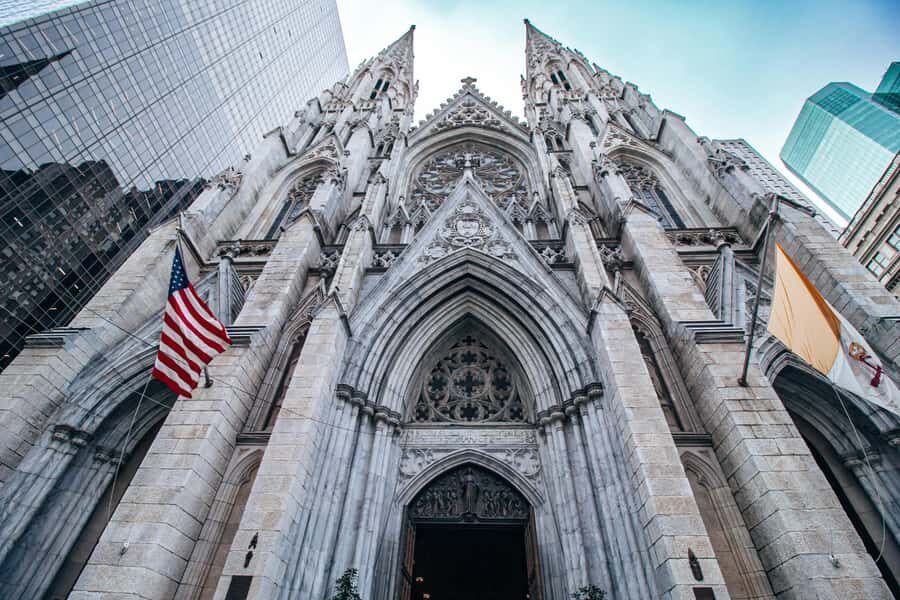
One of your first big moments is St. Patrick’s Cathedral. Even if you’ve seen it from photos, the impact changes when it pops into view while you’re moving through Midtown.
The value of this stop is simple: it helps you understand how Rockefeller Center sits in the larger New York map. You get the Cathedral’s weight, then you’re back to the sleek geometry of the center. If you’re the kind of traveler who likes visual contrasts (old meets new, stone meets steel lines), this stop clicks.
Practical note: since the tour is outdoors for much of the time, bring a camera you don’t have to baby. You’ll want your hands free for steady photos at street level and across courtyards.
Channel Gardens: where the season changes the whole mood

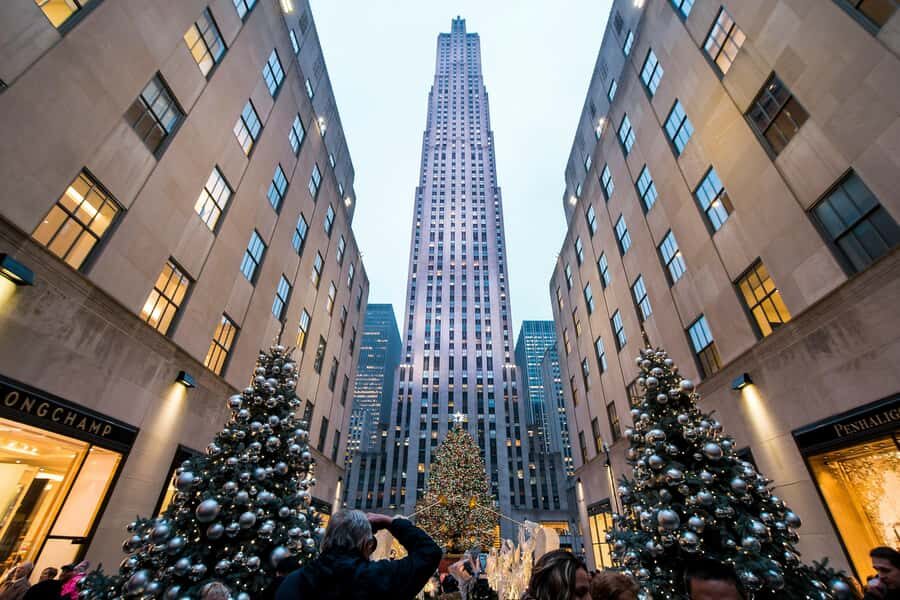
The Channel Gardens are one of the most practical stops on this itinerary because they change with the calendar. In summer, you’re there for the bloom-and-brightness look. During the Christmas season, you’ll have the evergreen photo moment everyone wants.
This is also where a good guide can be worth the money. Channel Gardens are visually strong on their own, but they become more meaningful when someone explains why this space was designed to function like a social hub. Think of it as the center’s “living room,” where people naturally pause, meet, and take photos.
If you’re traveling with family, this stop tends to be easiest on everyone. It’s not a lecture; it’s a photo-ready place to slow down and reset.
British Empire Building and Maison Française: reading facades like a story
Next you’ll move to two landmark facades: the British Empire Building and Maison Française. These aren’t just for quick snapshots. They’re good examples of how Rockefeller Center used architecture and artwork to signal international themes and global confidence.
You’ll see details on the buildings that invite questions. A strong guide can turn those details into short, memorable explanations instead of vague “this is pretty” commentary. When the guide is dialed in, you start spotting symbolism—Greek-inspired references in some areas, and the Art Deco language showing up again and again in stone and metal.
Balance check: if you’re expecting a tightly structured history class, keep your expectations aligned with a sightseeing walk. Some tour styles lean more toward anecdote than strict facts, and not every guide communicates with the same clarity or focus.
30 Rockefeller Plaza and the SNL connection you can’t miss
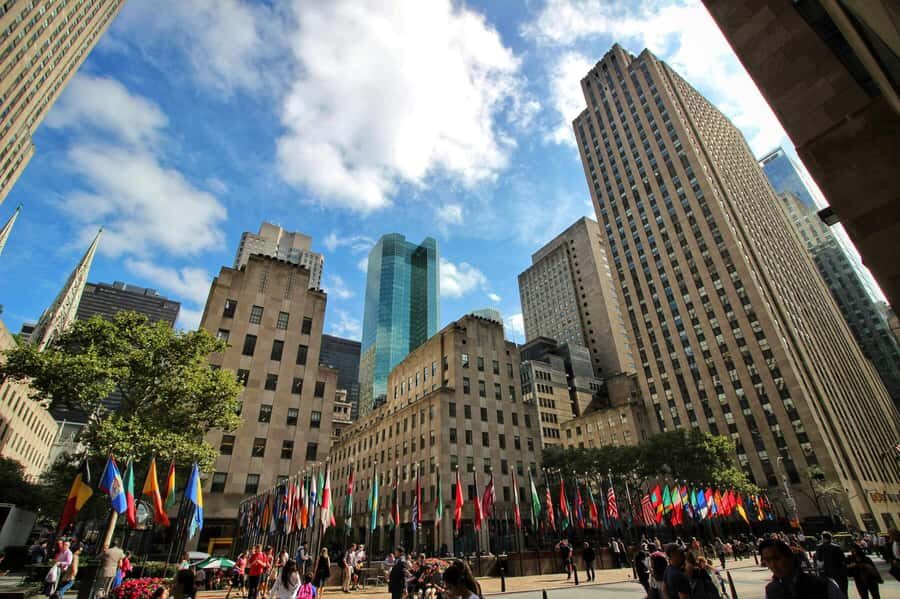
At 30 Rockefeller Plaza, you’re in the area that most people recognize from TV. This is home to Saturday Night Live, and even if you’re not a superfan, you’ll feel the cultural gravity of the place.
What I like about this stop is that it’s a shortcut to understanding modern New York celebrity culture inside an older architectural complex. The complex feels grounded in design, but it also functions as an engine for media and imagination. That mix is part of why Rockefeller Center still works as a destination, not just a landmark.
Photo tip: this is a good spot to get a steady skyline or facade shot, especially if you position yourself away from the densest crowd flow. You’ll have a guide to point you to the practical angles, but your own framing matters here.






Radio City Music Hall: architecture that performs
Then comes Radio City Music Hall, another anchor of the Rockefeller Center story. The building doesn’t just sit there looking famous—it feels built for spectacle. Even from outside, you can see how the scale is meant to create drama.
This stop is valuable because it connects the complex to entertainment history. Rockefeller Center wasn’t only office-and-street. It included spaces for performances that drew people in. When your guide connects those dots, the architecture starts to feel like a designed stage.
If your goal is photo-and-walk sightseeing, this part is usually where the tour clicks most for first-time visitors. It’s recognizable, scenic, and easy to appreciate without needing extra context.
Optional Top of the Rock: 800+ feet of real 360 views
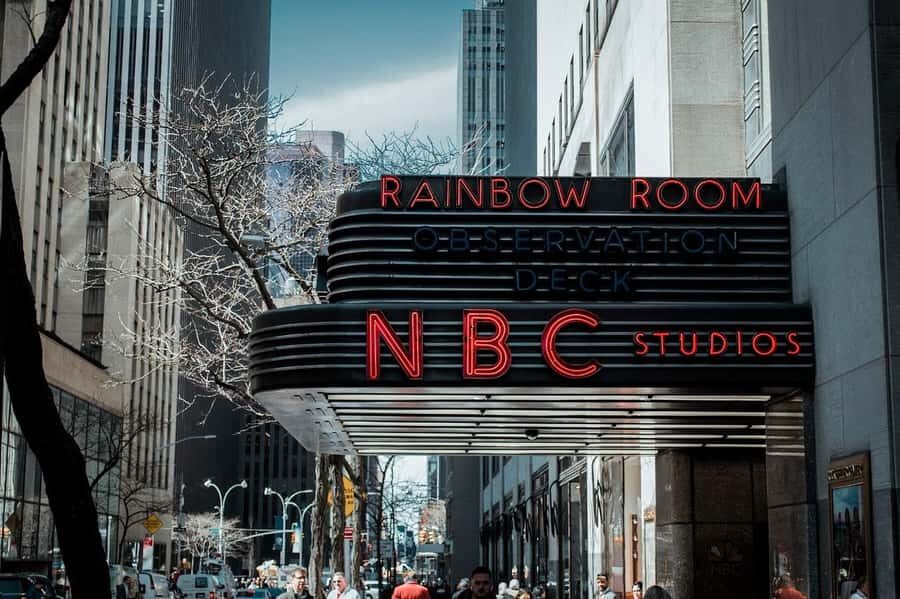
If you choose the optional add-on, Top of the Rock becomes the big payoff at the end. You’ll use your entry ticket and head up over 800 feet to observatory levels with both indoor and outdoor viewing.
Here’s why this matters: a Midtown skyline can be confusing when you’re at street level. From above, you can sort out what’s close, what’s far, and what aligns across the river. You get 360-degree views, and that full circle is the difference between a good photo and an “I get the whole city” moment.
You also get a self-guided experience at the top. That’s a plus if you want a little control over your time: linger where the light looks best, then move when crowds build.
One more practical point: the tour is not suitable for people with vertigo. Even if you handle heights okay on normal sightseeing, observatory floors can be a different mental experience. If heights are a question mark for you, plan a safer alternative.
How the pacing and route actually feel in real time
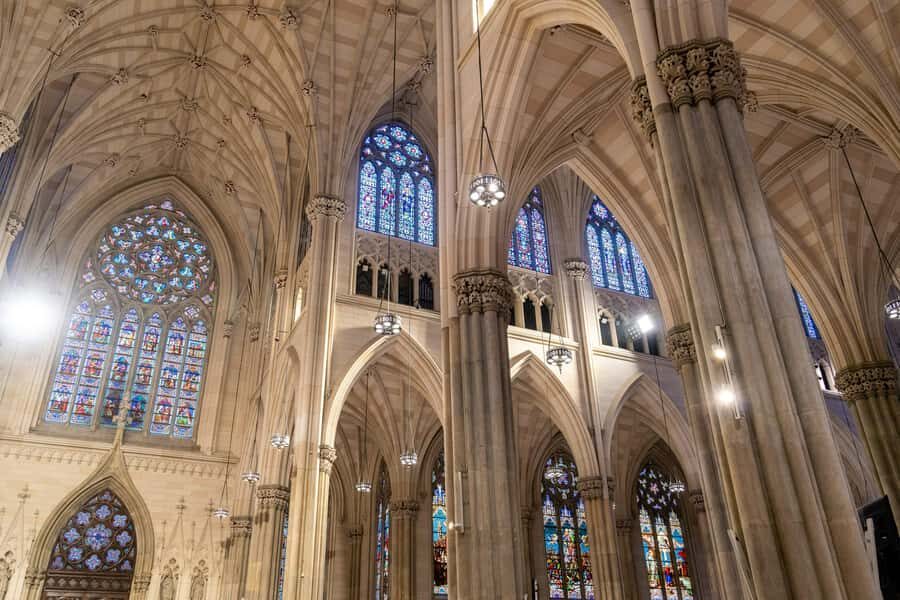
The tour covers about three-quarters of a mile at a leisurely pace, with photo stops along the way. That means you’re not rushing from landmark to landmark. You get short rests, then you’re back to looking closely at buildings.
The most important planning factor is weather. Since it’s mostly outside, drizzle or cold wind can change your comfort level quickly. I’d rather be prepared than suffer for the perfect shot.
Also, the tour starts promptly. If you arrive late, you can’t “catch up” by hopping in later. So build in buffer time, especially if you’re navigating Midtown streets and subway exits.
As for guide quality: the experience can swing depending on the person leading the walk. When the guide is strong, you leave with clear connections—Art Deco details, Greek-inspired references, and why the complex became such a central part of New York life. When the guide is off, you might get more personal chatter or an explanation that doesn’t stay factual. In other words, treat this as a guided walk that’s best when you get a guide who sticks to the point.
Price and value: when $39 makes sense
At $39 per person for 90 minutes, this isn’t a budget “hang out with a map” deal. It’s a paid guided sightseeing loop of a major Midtown destination—plus Top of the Rock if you select the option.
The value math is simple:
- If you want both the walk and the skyline time, bundling can be a good use of your schedule.
- If you only want Top of the Rock views, you may prefer to book that directly and spend the rest of your time exploring nearby on your own.
The best case for this tour is when you’re short on time and want someone to point out the details you might otherwise miss. The biggest case against it is when your top priority is strict, fact-heavy history or you’re trying to avoid variability in how a guide structures their talk. Either way, the route itself is strong; it’s the presentation that can change.
Who should book this Rockefeller Center tour (and who might skip it)
You’ll probably love it if you:
- want a structured walk through Rockefeller Center without planning your own stop list
- enjoy architecture and design details, not just famous names
- want a mix of Midtown landmarks in one compact loop
- are adding Top of the Rock for the big skyline payoff
You might skip or alter your plan if you:
- want lots of indoor time (this is mostly outside)
- need a more classroom-style history explanation
- have vertigo or strong discomfort with heights
Should you book this tour?
Book it if you want an easy, guided way to see Rockefeller Center properly and you’re likely to add Top of the Rock anyway. It’s a strong fit for a first Midtown day, especially if you like turning landmarks into a “how did this place work” story instead of only taking photos.
Consider skipping the walking guide portion if you’re mostly chasing the view from the observatory. You can get the Top of the Rock experience with less time pressure and more flexibility, then spend your walk time elsewhere.
Either way, the key is your expectations: this is a guided stroll with photo stops and architectural context. When you match that, it delivers.
FAQ
How long is the Rockefeller Center tour?
The tour lasts 90 minutes.
Where do I meet the guide?
Meet your guide by the Atlas statue outside the main entrance to the Rockefeller Building at Rockefeller Center.
How early should I arrive?
Please arrive 15 minutes early. The tour starts promptly and you won’t be able to catch up if you’re late.
Is Top of the Rock included?
Top of the Rock is included only if you select the option with the observatory.
How much walking is involved?
The tour covers about three-quarters of a mile at a leisurely pace.
What should I bring?
Bring comfortable shoes and a camera.
Is the tour wheelchair accessible?
Yes, it is wheelchair accessible.
Is this tour suitable if I have vertigo?
No. It is not suitable for people with vertigo.