REVIEW · BOSTON
Salem Witch Tour from Boston by Train with Museum Tickets
Book on Viator →Operated by Walks - USA · Bookable on Viator
Salem in one guided, train-backed afternoon. This Salem Witch Tour from Boston by train pairs a smooth commuter ride with a focused walking circuit of landmarks tied to 1692 fears, Puritan community life, and even modern pop culture. You’ll finish inside a museum too, depending on the day.
I love two things. First, the round-trip train plan keeps the day from turning into traffic math. Second, the guided route makes you look at Salem’s key sites in a story order, from the Witch House and Judge Jonathan Corwin connection to the memorial benches.
One possible drawback: if you’re chasing a pure, minute-by-minute witch trials lecture, this tour spreads time across broader Salem town history, so the 1692 thread is important but not the only thread.
In This Review
- Key things I found most compelling
- North Station to Salem by train: the low-stress setup
- What you actually do on the guided walking tour
- Ropes Mansion and the pop-culture “front door” to Salem
- Puritan roots: the church grounds and community pressure
- The witch-trials link: the Witch House and the Judge Jonathan Corwin connection
- The memorial benches: why the walk gets emotional
- The Salem cemetery ending: a quieter final chapter
- Salem Witch Museum vs Real Pirates Museum: museum included, depending on day
- Getting time back: free time in Salem and how to use it
- Price and value: is $85 reasonable for what you get?
- Pacing tips: walking comfort and practical prep
- Who this Salem train-and-walk tour fits best
- Should you book this Salem tour from Boston by train?
- FAQ
- How long is the Salem Witch Tour from Boston by train?
- What is the price per person?
- Where do I meet the guide in Boston?
- How do I get from Boston to Salem?
- Is the tour a walking tour?
- How big is the group?
- Which museum is included and when?
- How long is the museum time?
- Is the tour in English?
- What if I need to cancel?
Key things I found most compelling
- Commuter train from Boston with round-trip tickets for a stress-light start and a predictable return
- A small group capped at 14 people, which keeps the walk feeling guided instead of crowded
- Pop culture stops that change how you read Salem, like Ropes Mansion (Hocus Pocus) and the Samantha statue (Bewitched)
- Direct witch-trials connections, including the Judge Jonathan Corwin tie and a memorial with stone benches bearing names
- Museum choice based on your day, with Salem Witch Museum Sun–Thu and Real Pirates Museum Fri–Sat
- A walking tour with a moderate pace, but it’s still a “wear comfy shoes” kind of day
North Station to Salem by train: the low-stress setup
The meeting point is Boston’s North Station (135 Causeway St), and the day starts with a commuter train ride to Salem that takes about 35 minutes each way. For me, this is the biggest practical win. You’re not stuck arguing with traffic, parking, or ride-shares that cost more than the tour ticket.
You also get a clear rhythm: train first, walking tour next, museum at the end, then free time in Salem. The pacing matters because Salem’s old streets can make an “arrive, rush, leave” day feel exhausting.
The tour runs about 4 hours total, and the format is small-group (max 14). That scale tends to work well in a place like Salem, where you want enough time at each stop to ask questions but not so much time you lose the thread.
You can also read our reviews of more tours and experiences in Boston



What you actually do on the guided walking tour
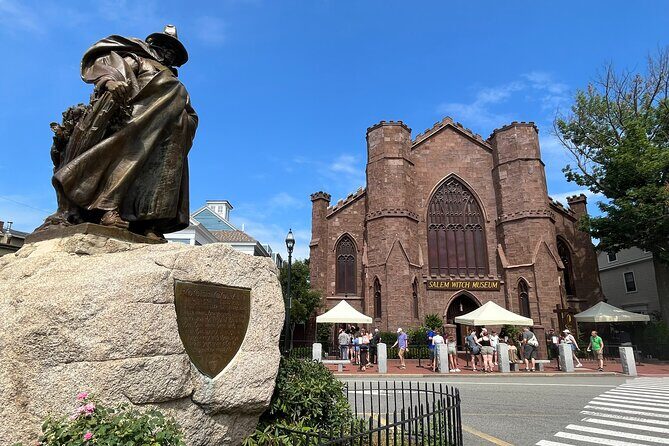
This part is the heart of the experience: a guided walk through Salem past landmarks that feel both familiar (because of movies and TV) and unsettling (because of the witch-trial era). The tour is in English, led by local English-speaking guides, and you’re expected to walk at a moderate pace.
One detail I appreciate: the guide doesn’t just list buildings. They frame what you’re seeing—Puritan community life, colonial justice, and how later storytelling shaped Salem’s identity. That makes the town’s “it’s all tourism now” vibe feel less random and more like a story with layers.
I also liked the variety in guide styles. Based on actual guides who have led groups (including Brian, Matt, Penny, Elizabeth, and Stephanie), the tour can feel lively without turning into stand-up. One guide, Elizabeth, is a Salem resident and shared tips that went beyond the script and helped with shops and timing.
Ropes Mansion and the pop-culture “front door” to Salem
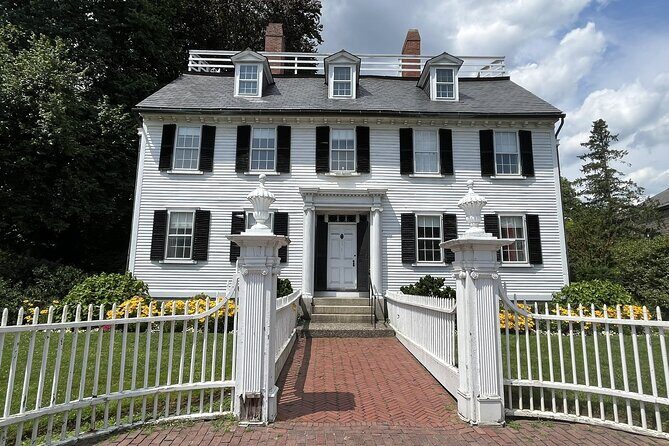
Right away, you start with a cinematic cue: a walk by Ropes Mansion, which shows up in Hocus Pocus. For many first-timers, this is a clever way to get oriented. You’re not forcing yourself into 1692 mode immediately. You ease in with something visual, then the guide pulls you into the real historical context underneath the modern image.
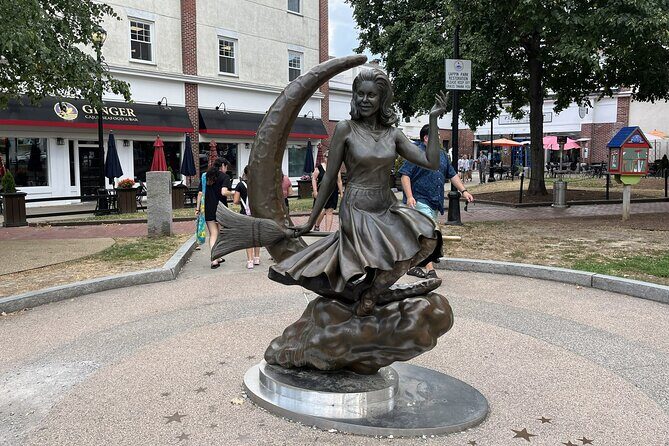
You’ll also see a playful photo moment with Samantha from Bewitched. That part is fun, but it’s also useful. The guide connects how this TV character helped reshape Salem’s modern identity, which answers the question many people have: why Salem feels like both spooky history and pop-fan destination.
If you care about how places reinvent themselves, those pop culture stops aren’t fluff. They’re the roadmap for how Salem became Salem.
Puritan roots: the church grounds and community pressure
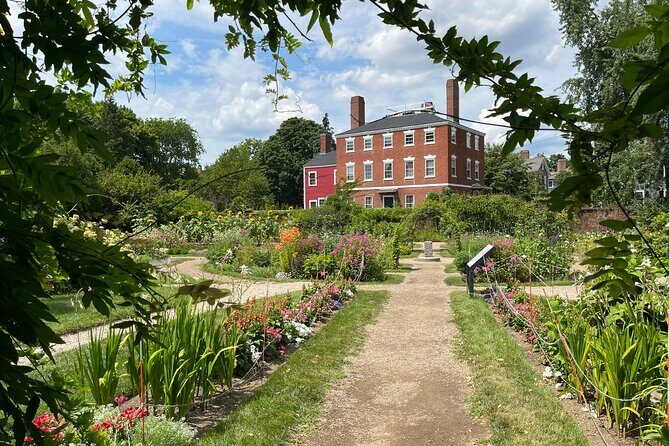
Next, the walk turns toward Salem’s Puritan era. You visit the grounds of one of the earliest Puritan churches in New England and hear how religion intertwined with community life in that period. This stop matters because witch-trial fear didn’t come from nowhere. It grew out of a tight, judgment-heavy social structure.
What I like about this approach is that it gives you context before you hit the most intense memorials. The town doesn’t feel like a spooky theme park. It feels like a real community with beliefs and politics—and then, tragedy.
The witch-trials link: the Witch House and the Judge Jonathan Corwin connection
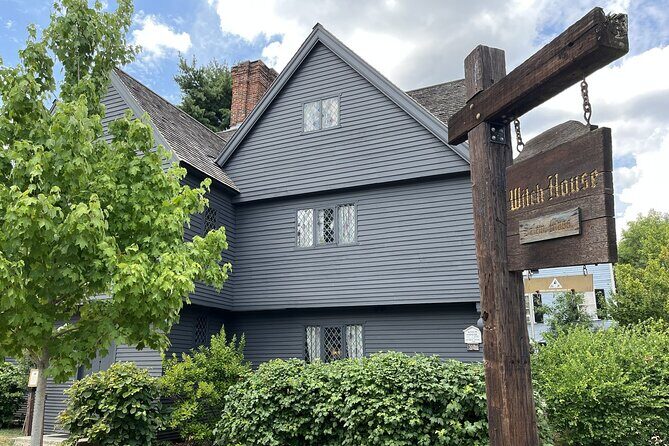
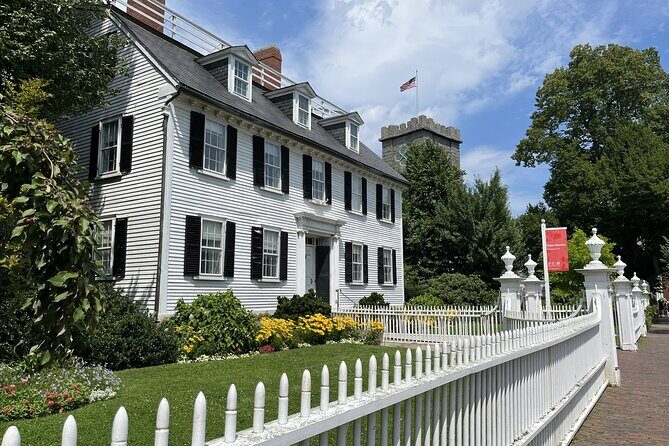
The tour includes key landmarks tied to the witch trials, including the Witch House and a major historical building connected to Judge Jonathan Corwin. You’ll also see the only building still standing in Salem with direct ties to the witch trials (Corwin’s building). That detail is heavy, and the structure reads as somber even if you don’t know the story yet.
This is one of those moments where the guide’s job is crucial. They don’t just point at a building and say, scary things happened. They explain why this site is a direct witness to the process of colonial justice, and why the surviving fabric of the town matters.
If you want to understand the “how” behind 1692 rather than just the “what,” this is where the tour starts earning its ticket price.
You can also read our reviews of more museum experiences in Boston





The memorial benches: why the walk gets emotional

After the historic trial-era stops, you reach a memorial dedicated to the victims of the witch trials. The stone benches bear each name, which makes it personal in a way that a plaque can’t. This isn’t a quick photo stop.
I also appreciate the way the route builds toward this. You’ve had context from Puritan community life, then you’ve hit the justice machinery. By the time you reach the memorial, you understand this wasn’t random hysteria. It was organized accusation and consequence.
The Salem cemetery ending: a quieter final chapter
The walking tour concludes at Salem’s oldest cemetery, where notable historical figures are buried. Ending in a cemetery is a smart move. It slows the day down after the more intense stops, and it helps the story land.
Also, by finishing here (instead of dragging you right into another activity), you’re set up for the post-tour part: free time to walk around on your own and browse.
Salem Witch Museum vs Real Pirates Museum: museum included, depending on day
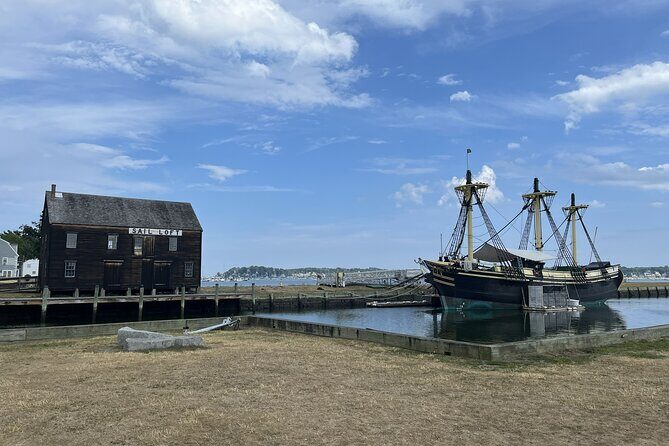
After the walking tour, your ticket covers one museum, and it changes based on the day:
- Sunday–Thursday: Salem Witch Museum
- Friday–Saturday: Real Pirates Museum
Both museum visits are listed as about 1 hour. That’s a realistic time window, but it’s also a heads-up. If you love reading every sign and watching every display, plan for it to feel a bit compressed.
On the witch museum side, a common critique is that the later portions can feel rushed when you have limited time. On the pirates side, the museum focus follows Salem’s maritime identity, connecting its shift from fishing village beginnings to seaport prosperity, with piracy playing a role in that story.
Either way, you get a structured “final act” to bring the day’s themes together: trials and aftermath on one schedule, and seafaring myth and economy on the other.
Getting time back: free time in Salem and how to use it
The experience includes free time in Salem after the guided portion, with an end point in Salem and a flexible way to get back. This matters because it gives you room to turn the tour stops into your own walking loops.
For me, the best use of that free time is simple:
- Revisit one stop from the walk that you want to look at longer (especially memorial or trial-related sites)
- Browse the shops near the core streets at a slower pace
- If you’re museum-done and still energized, take an extra stroll rather than immediately heading to the station
Also, one of the real-life lessons from guide-led days: watch your timing at the station. On at least one departure, the commuter-train boarding moment got tight, and the group benefit was simply listening to the tour staff and arriving early rather than guessing.
Price and value: is $85 reasonable for what you get?
At $85 per person, this isn’t a bargain-bin day trip. But it’s also not only “a walk.” You’re paying for multiple value layers:
1) Train logistics
Round-trip rail tickets remove a big chunk of planning stress. If you’ve ever tried to coordinate Boston-area transit on a day trip, you know that “I’ll figure it out” turns into time lost fast.
2) Guided walking with specific stops
This isn’t random tourism roaming. The route includes major trial-era connections (including the Judge Jonathan Corwin site) plus a memorial with names, and it layers in Puritan religious context. That’s the difference between seeing Salem and understanding Salem.
3) Museum admission included
That museum ticket is part of the price on both day types, and it gives you closure at the end.
The fair caution: a few people feel the tour format isn’t focused solely on the witch trials. That’s worth taking seriously if your main goal is 1692 detail only. If you want the broader Salem story—Puritans, justice, pop culture, and the way the town narrates itself now—then $85 starts to feel more justified.
Pacing tips: walking comfort and practical prep
This is a walking tour, and the guide expects a moderate pace. So yes, wear comfortable shoes. Salem sidewalks are uneven in places, and the day is set up so you’ll be on your feet for multiple segments.
One practical note from real-world experience: the day can run with limited bathroom chances until later in the schedule. I’d treat this like a plan-ahead day. Use facilities before you board the train, and bring what you need for a long stretch.
Finally, consider the train experience itself. If your seat means the view is blocked, the ride may feel quieter rather than scenic. Either way, it still does its job: it gets you there without turning the trip into a transportation headache.
Who this Salem train-and-walk tour fits best
This tour is a strong match if you:
- Want history with structure, not just wandering
- Like the mix of serious trial-era sites plus pop culture references that explain Salem’s modern identity
- Prefer a small group and human guidance over a self-guided map day
- Are okay with walking and want a full “learn, see, then explore” schedule
It might feel less perfect if you:
- Want the trip to be 90% witch-trials detail only
- Need frequent breaks with lots of flexibility built in during the walk
- Have a tight attention span for museum pacing (since the museum is about an hour)
Should you book this Salem tour from Boston by train?
I’d book it if you want an efficient day with real guidance and you’re open to Salem beyond the witch trials headline. The combination of round-trip train convenience, a small-group walking route, trial-era landmarks, and the included museum makes it a solid way to get your bearings fast.
Skip or reconsider if your expectations are laser-focused on only the witch trials. This one places the witch story inside a bigger Salem context, and that’s the point. If that matches what you want, you’ll leave with a clearer picture of why Salem still fascinates people today.
FAQ
How long is the Salem Witch Tour from Boston by train?
The tour is listed as approximately 4 hours.
What is the price per person?
The price is $85.00 per person.
Where do I meet the guide in Boston?
You meet at North Station, 135 Causeway St, Boston, MA 02114.
How do I get from Boston to Salem?
You take a comfortable commuter train from Boston to Salem. The ride is about 35 minutes one way, and round-trip rail tickets are included.
Is the tour a walking tour?
Yes. It’s a walking tour with a moderate pace. You should be able to walk comfortably.
How big is the group?
The group size is capped at 14 travelers.
Which museum is included and when?
- Sunday–Thursday: Salem Witch Museum
- Friday–Saturday: Real Pirates Museum
How long is the museum time?
The museum portion is listed as about 1 hour.
Is the tour in English?
Yes, the tour is in English.
What if I need to cancel?
You can cancel for a full refund if you cancel at least 24 hours before the experience start time. If you cancel less than 24 hours before, the amount paid is not refunded.