REVIEW · NEW YORK CITY
Wall Street: The birth place of NYC in French/English tour
Book on GetYourGuide →Operated by Langlois Voyages · Bookable on GetYourGuide
A corner of New York feels alive fast. This French/English Wall Street tour takes you from the earliest days in the Financial District to today’s money center, walking east to west with a licensed guide who fills gaps with stories and useful context. I like the way you hit major landmarks like Federal Hall and Trinity Church, but you also get the side streets and forgotten corners that make the area feel real. The biggest plus for me is the guide’s easy charm and a steady stream of anecdotes; if you get David, the chatty, fun style is a big part of the win. One drawback: it’s a lot of walking and stops in 3 hours, so comfy shoes matter.
What makes the experience especially interesting is that it’s not just a list of famous addresses. You’ll hear how the neighborhood changed over time, starting with the Lenape presence, then moving into Dutch New Amsterdam-era details, and finally landing at the modern World Trade Center site. Along the way, you’ll see how the city’s layers sit right on top of each other—stone, brick, plaques, and “wait, this is still here” moments.
Price-wise, $70 for 3 hours is a fair ask in Manhattan—what you’re really paying for is a tight route, a licensed guide, and enough historical storytelling to make the Financial District feel human instead of corporate. If you’re hoping for lots of sit-down time, this is not that kind of tour.
In This Review
- Key Points You’ll Care About
- From Lenape Land to Wall Street: Why This Walk Works
- Meeting at Ipic Theater: Getting Started Without Stress
- Old Print Shop to Hidden Park: The Neighborhood Before the Money
- Stone Street and Fraunces Tavern: When New York Ate and Talked
- Wall Street’s Wall and the First Big Wall of Fame
- Federal Hall and Washington’s Oath: Politics with Real Weight
- Trinity Church, Cemetery, and Hamilton’s Tomb
- The Charging Bull and Fearless Girl: Symbols, Debates, and Crowd Energy
- National Museum of the American Indian and the First Park: A Reminder of Time Depth
- A Park with Brooklyn Views: Where the Route Breathes
- Ending at the World Trade Center Site: The Finish That Stays With You
- Price and Value: Is $70 a Good Deal for 3 Hours?
- What You’ll Appreciate Most (and Who It Suits)
- Should You Book This Wall Street History Tour?
- FAQ
- FAQ
- How long is the Wall Street: The birth place of NYC tour?
- What languages are offered?
- Where do we meet for the tour?
- What are the main places you’ll see?
- Is this tour walking-heavy?
- What’s the price per person?
- Is the tour wheelchair accessible?
- What’s included during the tour?
Key Points You’ll Care About
- A licensed guide in French or English who keeps the pace friendly and the stories clear
- Federal Hall, Trinity Church, Fraunces Tavern and other heavyweight stops in one walk
- East-to-west route across the southern tip of Manhattan, tracking how the city began
- Hidden park and first-paved-street details that most people miss on their own
- Mix of big-photo sights and small-history textures, including old tavern foundations
- End at the World Trade Center site with a thoughtful finish to the walk
From Lenape Land to Wall Street: Why This Walk Works
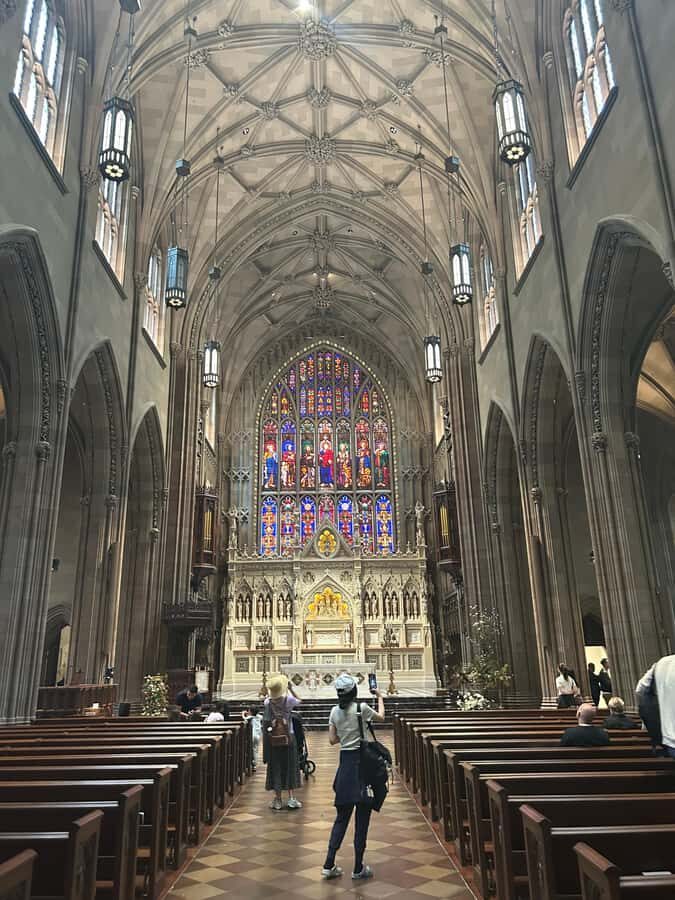
The Financial District has a special problem. It’s famous enough that you can think you already “get it”—until you slow down and realize the city’s beginning is literally under your feet. This tour makes that idea practical. In three hours, you trace how New York grew from early Native presence into European settlement and then into the finance-powered neighborhood we recognize today.
The guide’s job here is smart: explain what you’re seeing at street level and connect it to why it matters. You don’t just hear names like Wall Street, the Stock Exchange, or Federal Hall. You learn what those places were for, who used them, and how the area kept changing shape over time. That’s what turns landmark photos into something you can actually remember.
I also like the walk’s direction. By moving east to west across the southern tip of Manhattan, you feel the geography do the storytelling. It’s easier to keep track of where you are and how the neighborhood evolved as you go.
You can also read our reviews of more tours and experiences in New York City.



Meeting at Ipic Theater: Getting Started Without Stress
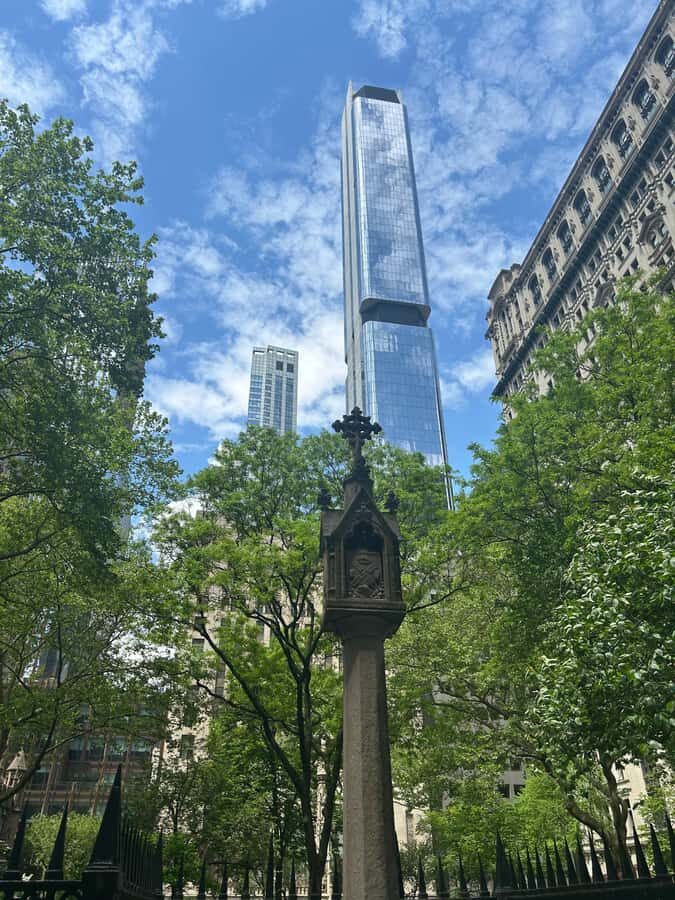
You meet at the man with the hat in front of the Ipic theater. It’s a simple, street-level landmark that helps you avoid the classic New York scramble of trying to find a “meeting point” description that could be anywhere.
From there, the tour keeps a steady rhythm. You’ll stop often enough to take in details, but not so often that you lose the flow. The time window matters because the route packs a lot into 3 hours, from older sites to modern memorial space. Plan for a brisk pace and short transit-free segments on foot—this is built for walking.
One practical note: the Financial District can be windy, and sidewalks can get crowded around peak times. Bring a light layer and assume you might spend some time waiting at corners or near statues to hear the explanation fully.
Old Print Shop to Hidden Park: The Neighborhood Before the Money
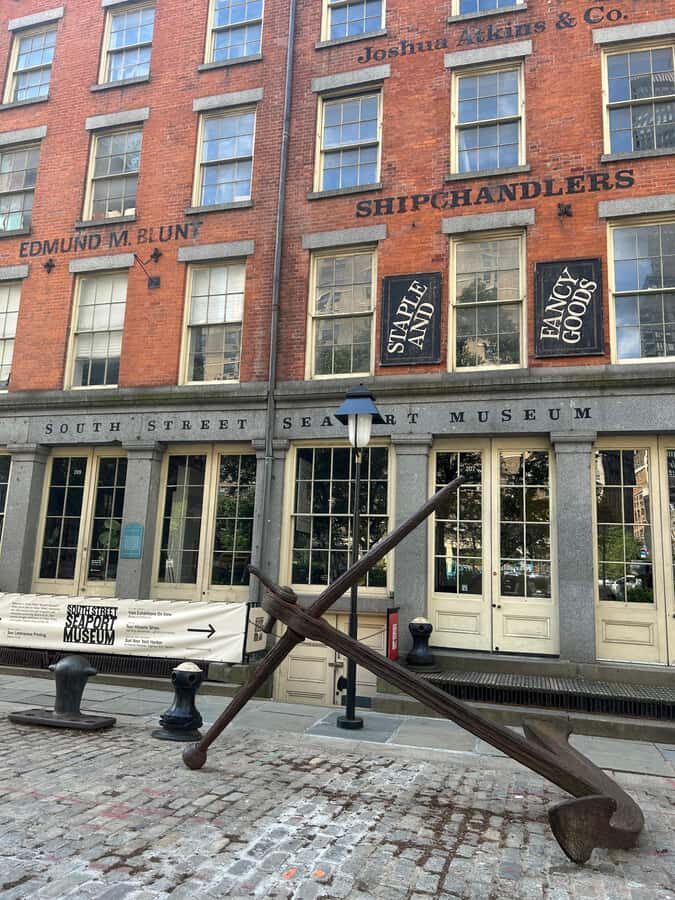
The tour starts with history that’s easy to overlook because it doesn’t look like a museum piece. You begin at the city’s oldest print shop, and that opening choice tells you what kind of tour this is. Instead of jumping straight to the famous finance icons, you start where information and daily life would have moved through the neighborhood.
From there, you head to a hidden park tucked away from the busier streets. That stop does two useful things. First, it gives your feet a break for a moment. Second, it shows how the Financial District hides quiet pockets in plain sight. It’s a reminder that the area wasn’t always a canyon of offices.
Then you walk along New York’s very first paved street. You also see the foundations of a Dutch tavern. These stops may sound niche, but that’s exactly why they work. When a guide points out foundations—what’s left, what it suggests, how it fits the timeline—you start noticing older layers in everyday streetscape. You’ll probably spot other clues later on your own trip.
Stone Street and Fraunces Tavern: When New York Ate and Talked
One of my favorite parts of the route is how it treats food and social spaces as history. You’ll explore Stone Street, known as the first street of New York City. Then you go to the oldest tavern still in operation: Fraunces Tavern.
Why does this matter? Because taverns weren’t just places to drink. They were where news traveled, arguments formed, deals happened, and community life took shape. Standing near the tavern and hearing how long it has remained part of the city’s fabric helps you understand why so many major political and economic moments were linked to public gathering spaces.
There’s also a stop tied to an old-school neighborhood routine: the most original bagel shop in town, plus the oldest restaurant in Manhattan. Even if you don’t order anything, it’s a strong move because it reminds you that history isn’t frozen. It keeps feeding itself.
If you’re the type who loves to connect cultural habits—food, conversation, public gathering—to bigger historical events, you’ll enjoy this chunk a lot.
Wall Street’s Wall and the First Big Wall of Fame
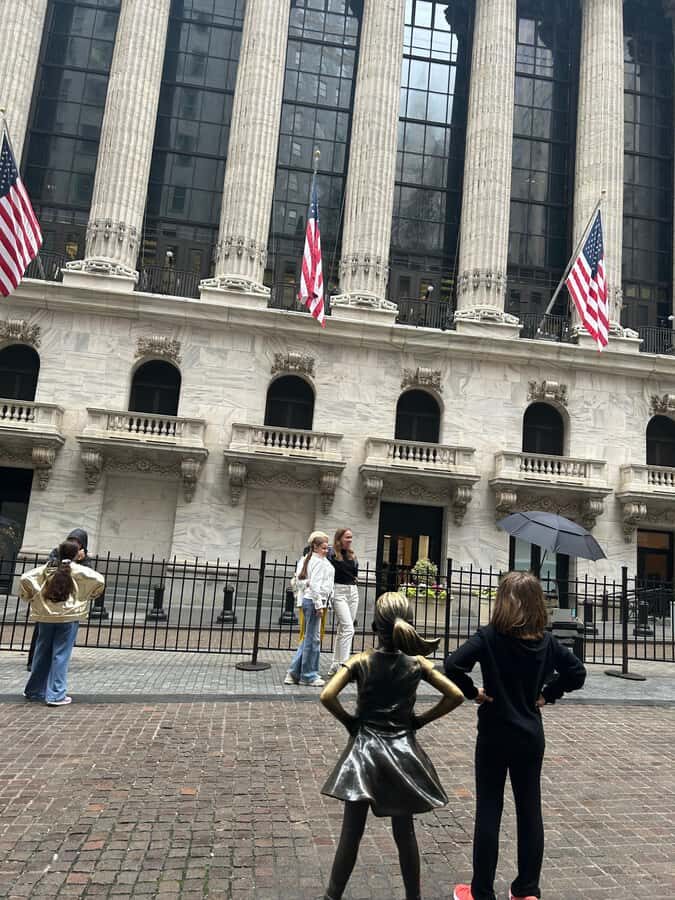
You’ll walk the wall of Wall Street and hear its story. That sounds like a small detail, but it’s one of the smartest ways to explain how public spaces become symbols. Walls and boundaries shape behavior. They define where people gather, trade, and negotiate.
From there, you move toward the famous finance landmarks. You’ll learn about the New York Stock Exchange—both the old and new—so you understand that the exchange isn’t just a building. It’s a system that grew and moved as the city’s financial role expanded.
The tour keeps a good balance here: it doesn’t treat Wall Street like a myth. It treats it like an evolving workspace with a past that still shows up in architecture and traditions.






Federal Hall and Washington’s Oath: Politics with Real Weight
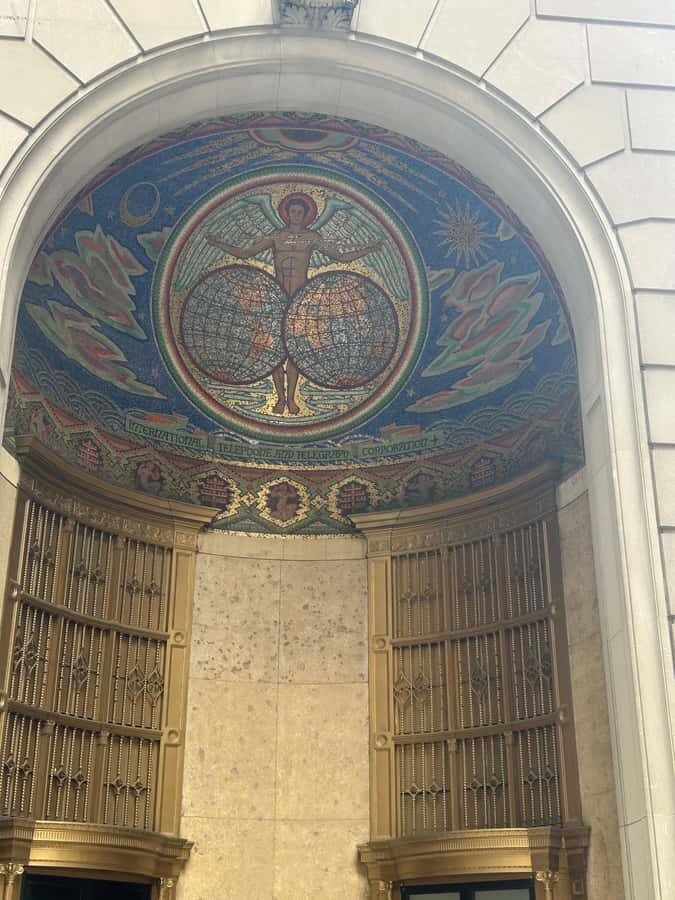
Then comes a big turning point in tone: Federal Hall, where George Washington took the oath of office. This stop lands the tour in the political heart of early America. Hearing this in the same walking day as the exchange and taverns makes the connections feel obvious—money, law, and leadership all growing up side by side.
The guide also helps you connect the area’s identity to its role as a center of public life. That’s the value of this stop: you leave with a clearer picture of how the early U.S. tried to organize itself, not just how it looked in paintings.
If you enjoy political history, this is where the tour earns its keep. It’s not vague storytelling. It anchors the walk in a specific, memorable event.
Trinity Church, Cemetery, and Hamilton’s Tomb
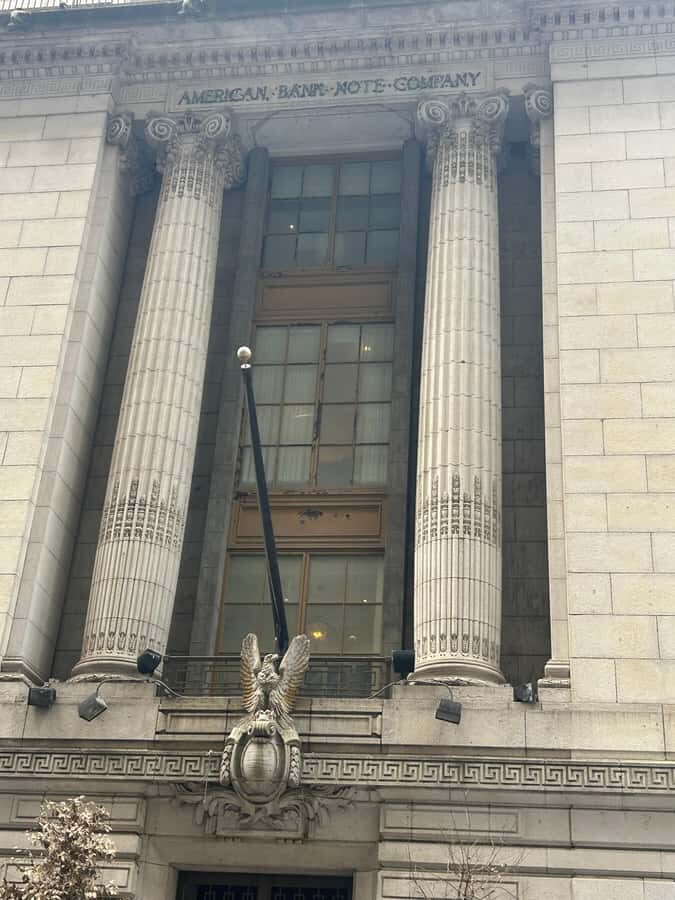
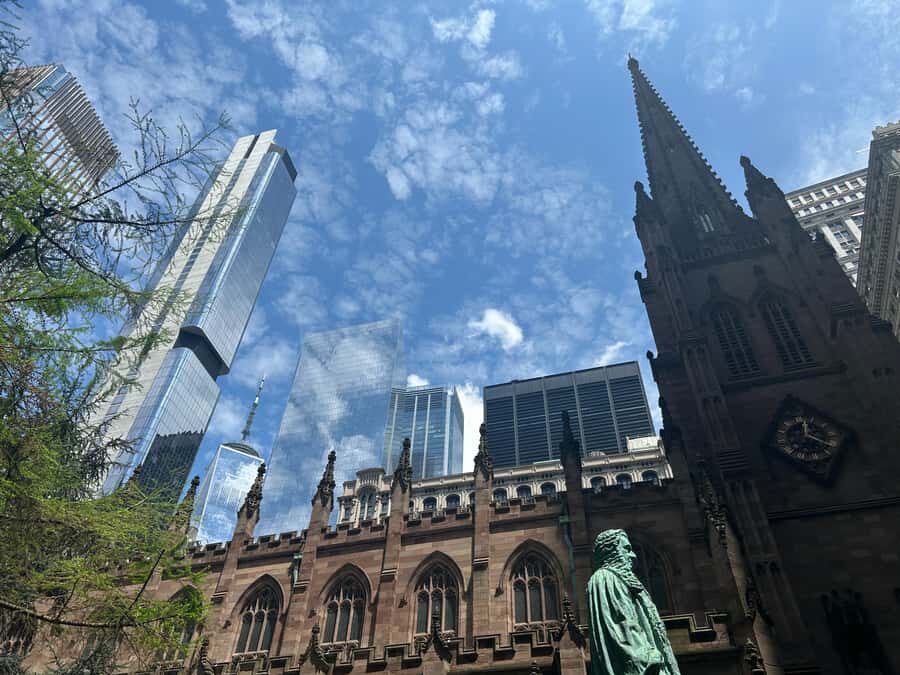
Trinity Church is another anchor stop, and the tour goes deeper than a photo stop. You’ll also visit its cemetery and see Hamilton’s tomb.
This is one of those places where a guide’s pace matters. Cemeteries can feel heavy if you rush. With a tour, you get just enough time to listen and process without feeling like you’re trapped in a slow crawl.
Hamilton’s tomb gives the visit a sharp storyline. You can connect early finance and early government, then see the human side—names, consequences, and the way the city remembers its major players.
If your travel style includes “I want the real names behind the history,” this stop will hit.
The Charging Bull and Fearless Girl: Symbols, Debates, and Crowd Energy
Next you’ll see the Charging Bull and the Fearless Girl statues. These are among the most photographed spots in the Financial District, but the tour treats them as more than tourist targets.
You learn how these symbols fit into Wall Street culture, and you also get the key consideration that Fearless Girl has been controversial. That matters because it gives you a way to interpret what you’re seeing instead of treating it like a neutral backdrop.
The main practical tip here: expect crowds. Give yourself a moment to stand where you can actually hear the explanation, then take your photos after. The statue area can be packed, so flexibility is your friend.
National Museum of the American Indian and the First Park: A Reminder of Time Depth
After the Wall Street icons, the tour shifts gears toward a different kind of historical framing. You’ll visit the National Museum of the American Indian and learn about the city’s first park.
This segment is valuable because it counters the usual Wall Street-only story. It brings time depth into the day, reminding you that the region’s history stretches far beyond the finance era. You also get a sense of how New York chooses to present different parts of its past in public space.
The first park stop also works as a grounding point. It gives you a break from statues and trade-related landmarks and returns you to a human scale: green space, public gathering, and the idea that even a city built on trade still needs places to breathe.
A Park with Brooklyn Views: Where the Route Breathes
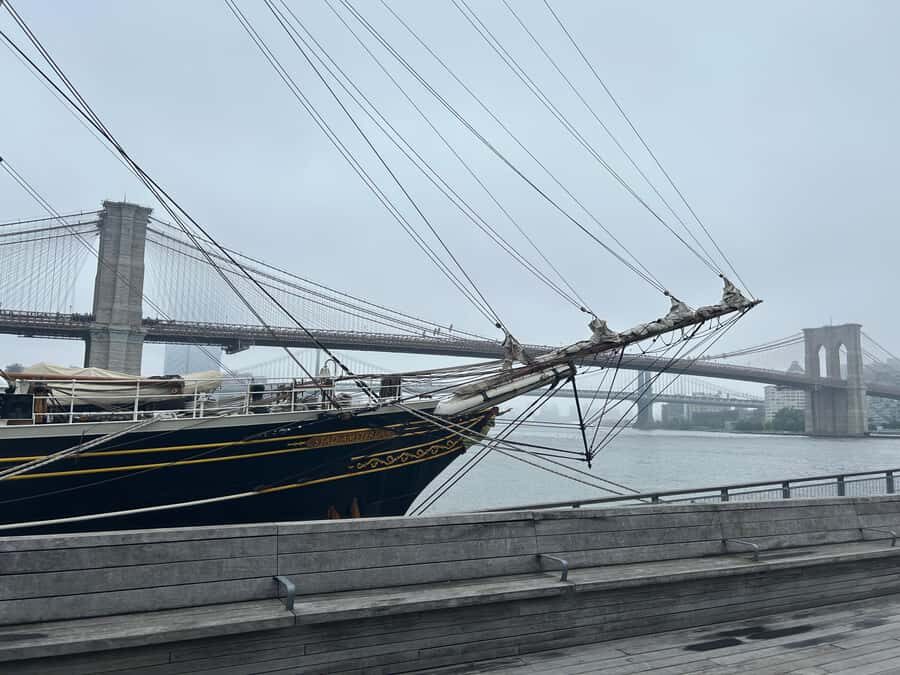
The tour includes an elevated park with unbeatable views of Brooklyn. Even if you’ve seen skyline photos, the view from a real walking route hits differently because it gives you geography you can feel.
This is where you’ll likely take a few minutes to catch your breath, look out across the harbor, and understand that Manhattan’s finance story sits within a larger regional story.
If you hate being stuck in cramped groups, this stop is a helpful release valve because the open view naturally encourages space.
Ending at the World Trade Center Site: The Finish That Stays With You
The tour ends at the World Trade Center site. That’s a serious capstone. The point isn’t to “wrap up” with a quick photo and move on. It’s to finish your walk in a place that recontextualizes the whole Financial District story.
Ending here also gives the day emotional balance. You started with early beginnings and centuries of development. You finish at a modern reminder of vulnerability and resilience. Even if history tours aren’t usually your thing, ending at this site tends to bring clarity to why the neighborhood matters now, not just then.
Price and Value: Is $70 a Good Deal for 3 Hours?
At $70 per person for a 3-hour guided walk, you’re paying for three things: (1) a licensed guide, (2) a route that strings together major and minor landmarks, and (3) interpretation that helps you connect dots.
If you tried to do this yourself, you could certainly visit many of the stops. But self-guided usually means you either miss the smaller details (print shop, foundations, first-paved street) or you spend too much time figuring out what you’re looking at. This tour solves that with a clear walking flow and a guide who keeps the story moving.
The best part is that you’re not just getting finance. You’re getting political history, cultural history, and public memory—within one walk. For many people, that mix is exactly what makes the price feel justified.
What You’ll Appreciate Most (and Who It Suits)
This tour is a strong match if you want a guided walk that helps you understand New York’s identity without turning the city into a blur. It’s especially good for you if you enjoy history that’s tied to places you can see—street-level evidence, real institutions, and recognizable landmarks.
You’ll also likely enjoy it if you love anecdote-driven guiding. The reviews highlight that David, the kind of guide who blends history with humor and lots of side stories, makes time fly. In practice, that style matters because it keeps you engaged through the busy Financial District.
Who might not love it? If you want a relaxed sightseeing day with lots of seating, or if you dislike walking between stops, this may feel fast. It’s structured, not slow.
Should You Book This Wall Street History Tour?
Yes—if you want your first Financial District experience to feel organized and meaningful. This is a practical way to see the big hits—Federal Hall, Trinity Church, the Stock Exchange area—while also getting the behind-the-scenes street history like the print shop, earliest paved street, tavern foundations, and the first park.
Book it if you like guides who make the city’s layers understandable. Skip it if you’d rather explore at your own pace without a tight timeline, or if you’re not comfortable with a brisk 3-hour walk.
FAQ
FAQ
How long is the Wall Street: The birth place of NYC tour?
The tour lasts 3 hours.
What languages are offered?
The live tour guide offers French or English.
Where do we meet for the tour?
You meet at the man with the hat in front of the Ipic theater.
What are the main places you’ll see?
You’ll pass sites including Wall Street, Trinity Church (including the cemetery and Hamilton’s tomb), the Federal Hall area, the Stock Exchange (old and new), Fraunces Tavern, Stone Street, and you’ll end at the World Trade Center site. You also see the Charging Bull and Fearless Girl, plus the National Museum of the American Indian.
Is this tour walking-heavy?
Yes. It’s designed as a walking tour across the southern tip of Manhattan, moving east to west, with multiple stops.
What’s the price per person?
The price is $70 per person.
Is the tour wheelchair accessible?
Yes, the tour is listed as wheelchair accessible.
What’s included during the tour?
Included items listed for the experience include Trinity Church, its cemetery and Hamilton’s tomb; the Wall of Wall Street; the Federal Hall and Washington statue; the Stock Exchange old and new; Fraunces Tavern; Stone Street; the Charging Bull and Fearless Girl; the oldest standing in NYC; the oldest tavern in NYC; foundations of a Dutch tavern; an elevated park with views of Brooklyn; the most original bagel shop in town; and the first NYC’s park.