REVIEW · NEW YORK CITY
Garbage and Rats in New York City Walking Tour
Book on Viator →Operated by Off the Beaten Subway Track Walking Tours · Bookable on Viator
New York has a second story. The streetside kind: trash, rats, and the people who made it all happen. I like that this is a small-group walk where you can actually ask questions and hear the guide clearly, and where science and history land in the same sentence. On a tour led by Suzanne, you’re taught how the Big Apple was built on waste, both literal and metaphorical.
I love how the stops mix real places with uncomfortable pasts, not just rat facts for shock value. You’ll also get a strong sense of how sanitation shaped politics, daily life, and even neighborhoods. One possible drawback: this is a walking-heavy 2.5 hours, and bottled water isn’t included, so plan for that.
In This Review
- Quick hits before you book
- Why a rat-and-trash tour on Wall Street feels oddly useful
- Meeting at Wall Street: how the tour works in real time
- Stop 1: Wall Street, Nieuw Amsterdam trash, and the dark market beneath
- Stop 2: South Street Seaport and the rat pit history near Fulton Street Fish Market
- Stop 3: DeLury Square, John DeLury, and the 1968 garbage strike
- Stop 4: Ann Street rat lore, Theatre Alley, and City Hall Park
- The real value of the $45 price
- How to get the most out of it (and not just laugh at the gross parts)
- Who this tour is best for
- Should you book this garbage-and-rats walking tour?
- FAQ
- How long is the Garbage and Rats in New York City walking tour?
- What does it cost?
- Where does the tour start?
- Where does the tour end?
- Is the tour in English?
- Is bottled water included?
- How big is the group?
- Does it include admission tickets to the stops?
- Is the tour suitable for most travelers?
- What if the weather is bad?
- FAQ
- Can I cancel for free?
Quick hits before you book
- Small group (max 15) keeps the tone intimate and makes questions practical
- Suzanne’s storytelling ties science, history, and street-level observations together
- Wall Street to City Hall area means you cover a tight Lower Manhattan loop
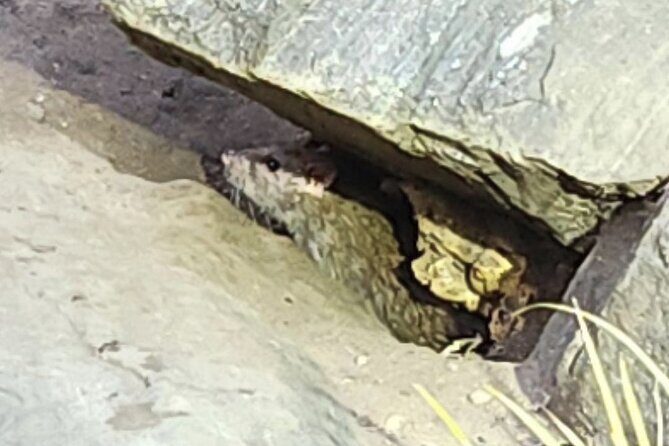
- Rat lore with real city context (sanitation, labor, and public health)
- No museum tickets needed at the stops you visit (listed as free admission)
Why a rat-and-trash tour on Wall Street feels oddly useful
This is not the kind of NYC tour where you just collect photos of landmarks. It uses garbage and rats as a lens to explain how the city grew, how systems got built, and how they sometimes failed. If you’ve ever wondered why Lower Manhattan streets seem layered with old decisions, this tour gives you a reason.
The best part is the balance. You get the grim stuff (rat behavior shows up more often than you expect) but you also get how cities actually function: waste has to go somewhere, and when it doesn’t, the consequences show up fast. In other words, this tour connects the metaphoric “underbelly” with the literal one.
And yes, the humor is part of the package. It’s not slapstick. It’s the kind of sharp, wry city humor that makes the subject easier to hold in your head while you’re walking.
You can also read our reviews of more walking tours in New York City
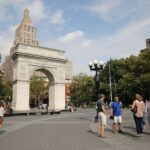


Meeting at Wall Street: how the tour works in real time
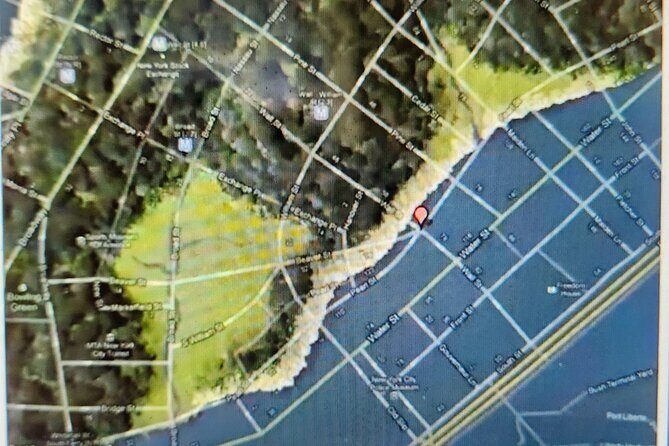
The tour starts at Wall Street & Pearl Street (Wall St & Pearl St, New York, NY 10005). It runs about 2 hours 30 minutes, and it’s offered in English. You’ll use a mobile ticket, which matters in NYC because paper tickets can become a small hassle before you even start.
Group size is capped at 15 travelers, which is a big deal for this particular theme. Rat and sanitation topics aren’t the kind you want to sort of overhear from the back. Here, the format is meant for clear listening and back-and-forth questions. If you like to ask why something happened, or how a public health issue becomes a political issue, you’ll enjoy the way the tour invites interaction.
You’ll also want to dress for good weather. The experience requires good weather and can be moved or refunded if weather forces a change. That tells you the walking pace matters and the timing is built around being outdoors.
Stop 1: Wall Street, Nieuw Amsterdam trash, and the dark market beneath
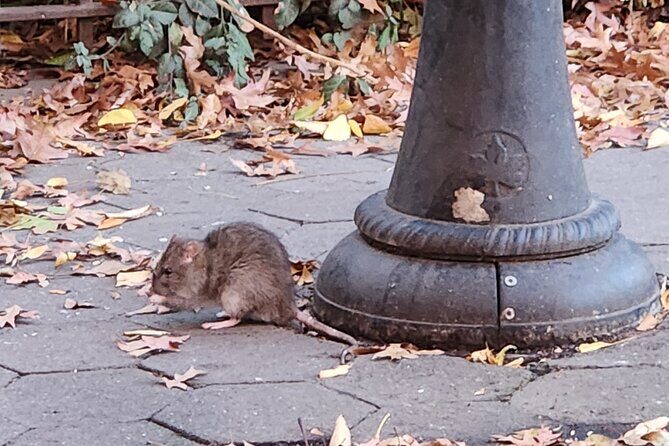
You begin on Wall Street, and the guide frames it in a surprisingly direct way: this area’s early story included garbage dumping during Nieuw Amsterdam. The point isn’t just to say “New York used to be dirty.” It’s to show that waste wasn’t an afterthought. It was part of how the city operated.
Then the tour adds a second, harder layer: Wall Street’s connection to the “official market” where enslaved African people were bought and rented. The tour doesn’t treat that as a separate topic. Instead, it ties commerce and power to the physical reality of what got managed—and what got ignored.
Why this stop matters: it sets the pattern for the whole walk. You learn to connect social systems to infrastructure. Trash wasn’t only about garbage bags. It was also about labor, control, and who had to live with the mess.
A practical note: this is a busy corner in all directions. Give yourself a minute to get oriented before the group moves on, especially if you’re arriving a little late.
Stop 2: South Street Seaport and the rat pit history near Fulton Street Fish Market
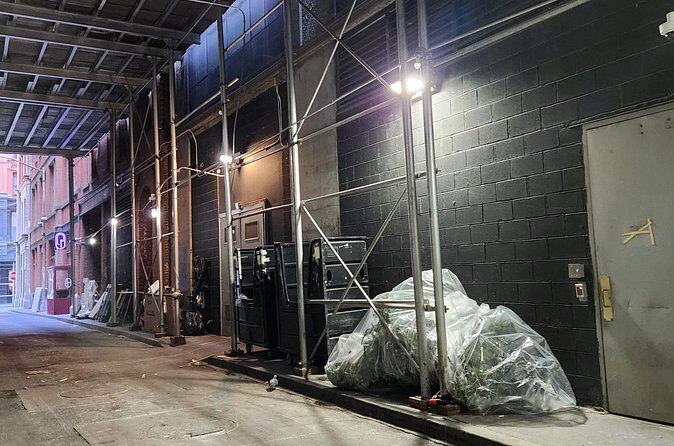
From the South Street Seaport Historic District, the tour shifts into a long stretch of Lower Manhattan history tied to garbage, landfill, and rats. You’ll hear how refuse and waste systems shaped where rats could thrive. This is where the science angle starts to feel grounded, because it’s tied to the built environment, not just biology.
You also get historical context around the former Fulton Street Fish Market. Fish markets and waste management overlap more than you might think, and the tour uses that connection to explain why certain areas became hotspots for both smell and pests.
Then there’s a stop that stands out for its macabre relevance: the former site of Sportsman’s Hall, described as a notorious “rat pit,” where rat fights were talked about as part of the area’s history. That’s not a “rat show” in the modern sense. It’s a reminder that humans have long treated animals and waste-adjacent spaces as entertainment and profit.
What I like about this stop: it refuses to keep rats in the background. You see how the city’s refuse history created the conditions, and then how people responded—sometimes with public policy, sometimes with cruelty, and sometimes with both at once.
Stop 3: DeLury Square, John DeLury, and the 1968 garbage strike
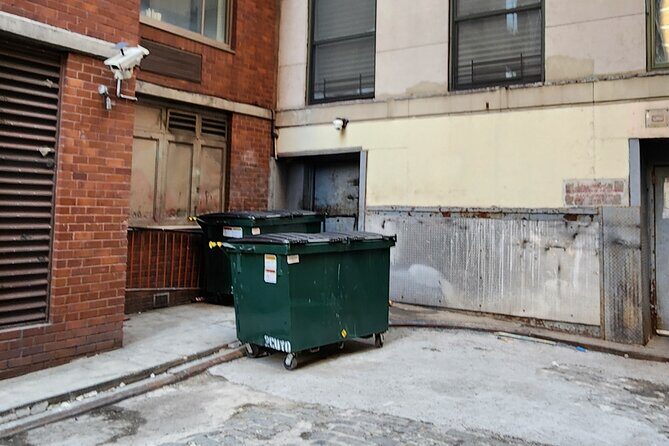
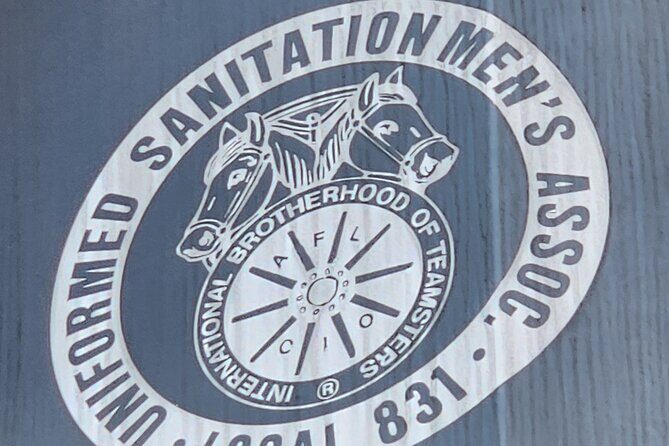
Next you head to DeLury Square, where the story becomes political and labor-focused. The tour talks about the garbage strike of 1968, and it brings in John DeLury and the Sanitation Union. This is one of the strongest “history with consequences” parts of the walk because it shows how sanitation systems weren’t just engineering projects. They were workforce realities with power struggles.
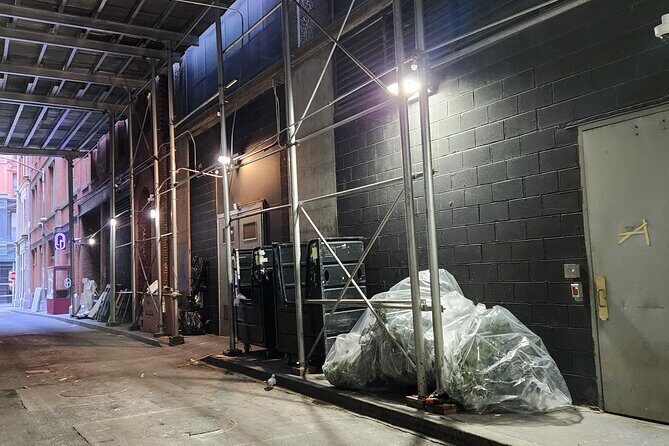
Then you stroll down the Ryder and Eden Alleys. Alleys in NYC can feel like leftovers. Here, they work like time machines: you’re walking through narrow space while the guide connects it to old patterns of waste, service access, and how neighborhoods experienced sanitation day-to-day.
Why it’s valuable: many NYC tours treat garbage as background scenery. This one treats it as the thing that shaped labor, services, and public outcomes. If you like connecting the dots between street-level life and big city decisions, this stop will land.
Timing is tight here—about 25 minutes—so if you have questions, this is a good moment to ask. The small group format helps.
You can also read our reviews of more city tours in New York City





Stop 4: Ann Street rat lore, Theatre Alley, and City Hall Park
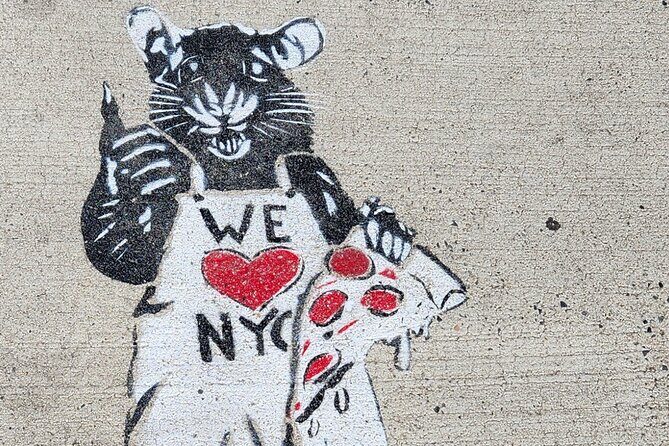
The tour moves up through the City Hall area, including Ann Street, where it discusses an infamous rat attack in 1979. That’s the kind of story that could go sensational fast, but the tour keeps it grounded in the broader idea: when cities can’t manage waste effectively, people feel it in their daily lives.
As you walk into Theatre Alley, you get more of the “rat lore” angle. The guide keeps tying it back to trash systems and the way cities respond when the problem grows. Then you finish near City Hall Park, which is a fitting final note. City Hall represents policy. The tour’s theme is that trash and rats weren’t just natural outcomes. They were shaped by decisions.
What I’d remember from this ending: it gives you a way to interpret what you see on your own. After this, you’re less likely to think of rats as random. You’ll start thinking about infrastructure, maintenance, and incentives.
If you want a clean mental wrap-up, aim to stay present here. This final stretch is where the guide’s themes connect to the big picture.
The real value of the $45 price
At $45 per person for around 2.5 hours, you’re paying for more than “a walk with facts.” You’re paying for a guide who can connect history + science + street-level detail into something you can actually remember while you’re still in the neighborhoods.
This price feels fair when you consider the structure:
- It’s a guided walking tour with a guide leading the narrative
- Stops are listed with free admission
- Group size stays at 15, so it’s not a crowd you can’t hear
- The format encourages questions and clear listening
Also, the tour uses mobile tickets, which removes one logistical friction point in a city where last-minute details can overwhelm you. And it ends at a different location than where it starts, which is normal for a Lower Manhattan loop, but still something to plan around so you’re not confused when the group disperses near the City Hall area.
One more value signal: it averages booking around 19 days in advance, which suggests spots can fill if you wait until the week of your trip.
How to get the most out of it (and not just laugh at the gross parts)
Bring good walking shoes. The reviews and the format both point to a lot of time on your feet. This isn’t a sit-in-a-class tour.
Bring your own water. Bottled water isn’t included, and you’ll want it on a warm day even if the weather is only “mild.” If you’re the type who likes to stay hydrated before you get thirsty, you’ll appreciate the extra buffer.
Wear weather-ready clothes. The experience requires good weather, so plan for being outdoors for most of the session.
Use the small group to your advantage. If you like asking questions, this tour’s setup is designed for it. You’ll hear the guide clearly enough to follow the storyline, which matters when the subject is detailed and a little dark.
If you’re traveling with someone who is squeamish about the topic, you can still have fun—just know the subject is literally about trash and rats. It’s treated with humor and facts, but it doesn’t pretend the theme is clean.
Who this tour is best for
This is a great fit if you:
- Like NYC history that has a cause-and-effect engine
- Want sanitation stories with real-world stakes, not just folklore
- Enjoy science wrapped in everyday city problems
- Prefer small-group walking tours where you can ask questions
It’s also a good choice for couples and friends who want something different from the usual “big sights” loop. The topic is unusual, but the walking route stays practical for Lower Manhattan.
If you dislike walking tours in general, or if strong subjects (public health, pests, and a few grim historical details) make you shut down quickly, you might find the theme less enjoyable.
Should you book this garbage-and-rats walking tour?
If you want an NYC tour that explains the city as a working system—trash, labor, policy, and human behavior—book it. The small-group size, the question-friendly format, and the way Suzanne connects science and history make this feel like a smart use of a few hours in Lower Manhattan.
If you’re only in town for the classic highlights and you hate anything “gross-adjacent,” you might skip this and pick a more traditional tour. But if you like the idea of learning how the city got built on waste and what that still means today, this is one of the more memorable and honest walks you can take.
FAQ
How long is the Garbage and Rats in New York City walking tour?
It’s about 2 hours 30 minutes.
What does it cost?
The price is $45.00 per person.
Where does the tour start?
It starts at Wall Street & Pearl Street (Wall St & Pearl St, New York, NY 10005).
Where does the tour end?
The tour ends in a different location. The details are provided with the booking, and the route includes the City Hall area.
Is the tour in English?
Yes, it’s offered in English.
Is bottled water included?
No, bottled water isn’t included.
How big is the group?
The maximum group size is 15 travelers.
Does it include admission tickets to the stops?
The listed stops show free admission, and the experience includes the guided walking tour.
Is the tour suitable for most travelers?
Most travelers can participate.
What if the weather is bad?
The experience requires good weather. If it’s canceled due to poor weather, you’ll be offered a different date or a full refund.
FAQ
Can I cancel for free?
Yes, there is free cancellation. You can cancel up to 24 hours in advance for a full refund.