REVIEW · NEW YORK CITY
New York: Hip-Hop, Murals, Sports, and Dangerous Neighborhoods Tour
Book on GetYourGuide →Operated by CARERI ENTERTAINMENT · Bookable on GetYourGuide
Street stories beat museum time.
This 5-hour tour follows a very specific thread through New York: Hell’s Kitchen into the Bronx and Harlem, then down to Brooklyn. It’s built around the 1990s pop-culture vibe—hip-hop, movies, the Knicks/Yankees era—and the darker legends that shaped the city long before most visitors ever think to look beyond Midtown.
I especially like two things. First, the stops feel connected by theme, not just geography: you move from Apollo Theater to famous mural spots and real-life “city lore” streets tied to Notorious B.I.G. Second, you get a subway-and-walk format, which helps you experience different neighborhood rhythms without turning it into a long bus lecture.
One consideration: this is a walking-heavy day and it can be rough if you have mobility limits. It’s not suitable for people with back problems, mobility impairments, or heart problems, and baby strollers aren’t allowed—so plan accordingly before you book.
In This Review
- Key Highlights You Should Know Before You Go
- Why This 1990s Hip-Hop and Sports Route Feels Different
- Starting at Mickey Spillane: Getting Your Bearings Fast
- Hell’s Kitchen to Apollo Theater: Darker Stories With Real-Place Stops
- Bronx and Harlem: Mike Tyson, Notorious B.I.G., and the Streets That Matter
- Spike Lee’s Studio, Bookstores, and the Movie-City Link
- Yankee Stadium and the Joker Stairs: Sports as City Folklore
- Brooklyn Murals and the Notorious B.I.G. Mural Stop
- Hidden Coffee Shop and Barber Shop Stops: Where People Actually Linger
- Subway Use and Why It Matters for a 5-Hour Day
- Languages and Day-to-Day Scheduling
- Price Check: Is $69 Worth It for What You Get?
- Who This Tour Suits Best (And Who Might Want Another Option)
- Should You Book This Dangerous Neighborhoods, Hip-Hop, Murals, and Sports Tour?
- FAQ
- How long is the tour?
- Where do I meet the guide?
- What’s included, and what should I pay for myself?
- Which neighborhoods and major stops are part of the route?
- What languages are available, and which days do they run?
- Is this tour suitable for children or families?
- Do I need to buy anything for the subway, and can I cancel?
Key Highlights You Should Know Before You Go
- Andrea Careri’s 1990s focus: the story is framed like a tribute to hip-hop, sports, and crime legends from that era.
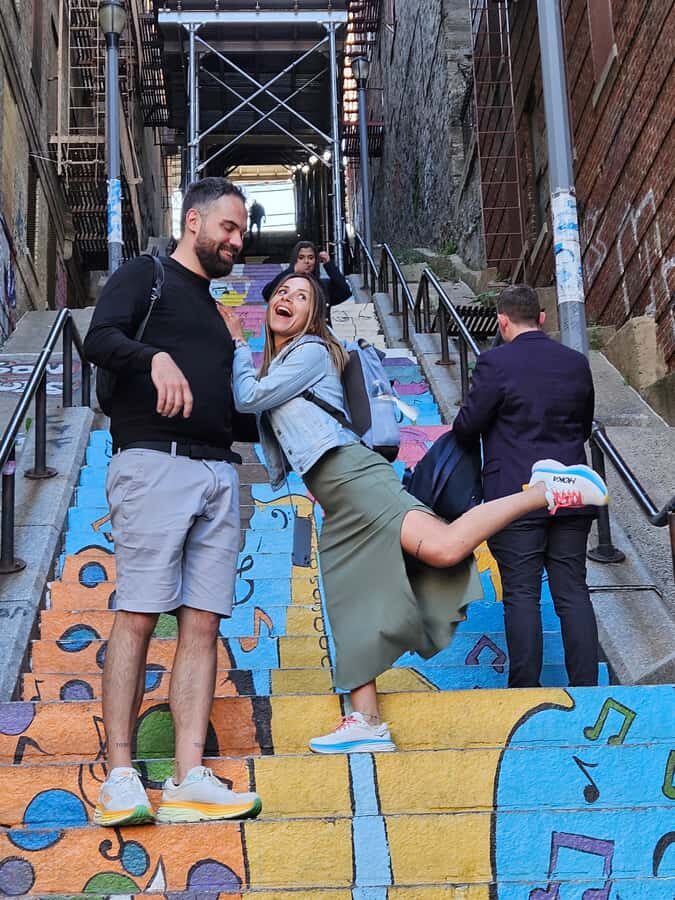
- Landmarks that match the myths: Apollo Theater, Yankee Stadium, and the Joker stairs are built into the route.
- Multilingual guides: you can tour in Italian, Spanish, English, or French depending on the day.
- On-the-ground murals and streets: you’re meant to see the visual language of the city, not just read about it.
- Extra local stops: a legendary coffee shop plus a barber shop tied to baseball and hip-hop culture.
- Subway included in spirit, tickets not included: the route uses the subway, but you’ll handle your own fare.
Why This 1990s Hip-Hop and Sports Route Feels Different
New York tours usually pick one lane: architecture, food, or broad “highlights.” This one takes a sharper approach. It’s stitched together like pop culture and street legend share a single bloodstream. The guiding idea is that the city’s “dangerous” reputation didn’t just come from headlines—it came from neighborhoods with their own rules, styles, and reputations.
The route leans hard into the 1990s, when hip-hop, movies, and sports energy felt tightly linked. That matters because it changes what you notice. A mural stop isn’t only about street art; it’s also about who put it there, what moment it references, and how the area helped turn people into icons. Same with sports: Yankee Stadium becomes more than a stadium photo op. It becomes part of the local identity story.
You can also read our reviews of more tours and experiences in New York City.
Starting at Mickey Spillane: Getting Your Bearings Fast
You meet at Mickey Spillane’s at 350 W 49th St (corner of 9th Avenue and W 49th Street). The guide holds a sign that says Careri Entertainment.
That start location is practical. You’re already in a part of Manhattan where you can feel the edges of tourism and the start of “real neighborhood life.” It’s a good place to begin because you’re not eased into the day with a soft start. You’re thrown into the city context early—then the route pulls you outward toward the Bronx, Harlem, and Brooklyn.
Hell’s Kitchen to Apollo Theater: Darker Stories With Real-Place Stops
The tour begins in Hell’s Kitchen, which has long been associated with danger and tough characters. The point here isn’t to scare you. It’s to show you how reputation gets built: through stories repeated on stoops, in bars, through music, and across generations.
From there, you’ll hit mural-heavy streets and end up at the Apollo Theater. The Apollo stop is smart in a “know what you’re looking at” way. This isn’t a random famous building. It’s a venue tied to the performing arts and the way artists became bigger than their neighborhoods. When you see it in the middle of a route about music icons and local legends, the building makes more sense.
What I like here: the stops help you connect sound to place.
What to watch for: expect the tour to keep moving. If you want a long sit-down moment every stop, this may feel too fast.
Bronx and Harlem: Mike Tyson, Notorious B.I.G., and the Streets That Matter
After Hell’s Kitchen, the route turns toward the Bronx and Harlem, with story stops that name-check real cultural landmarks. One of the standout details is a visit to Mike Tyson’s birthplace. That’s a strong anchor because Tyson isn’t just a sports figure here—the tour uses him as a doorway into the neighborhood energy that produced people with star power.
The tour also focuses on streets connected to Notorious B.I.G. That’s where the “dangerous neighborhoods” framing becomes more than branding. Instead of focusing only on crime stories, the route shows how fame and struggle can sit side by side in the same block.
In Harlem, the tone often shifts slightly toward legacy and performance—still gritty, but more cultural than purely dark. It’s a good balance if you’re worried the day will be only heavy stories.
Practical advice: keep an eye on where you are in relation to cross streets. In these areas, it’s easy to lose your mental map when you’re watching murals and listening at the same time.
Spike Lee’s Studio, Bookstores, and the Movie-City Link
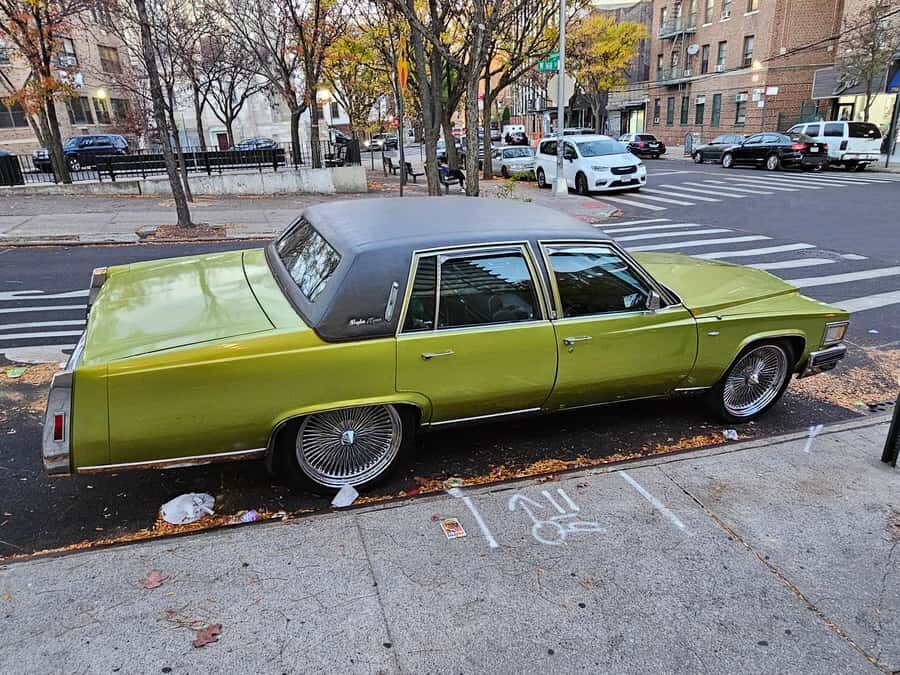
Another highlight is the stop at Spike Lee’s production company. That works well because it bridges two worlds: the streets being referenced by films and the films reflecting back onto the streets. You’re not just hearing that New York got “put in movies.” You’re seeing a place where that idea was actively made.
Along the way you’ll also explore iconic bookstores. Bookstores sound like a detour until you’re in the context of neighborhoods shaped by music, scriptwriting, commentary, and self-mythology. In places like this, the bookstore can be part of the cultural pipeline. It’s where ideas circulate before they ever hit a stage or a screen.
What you’ll feel: the day keeps turning pop culture into something physical.
Potential drawback: if you’re only here for sports and murals, the film/literature angle may take some of your time.

Yankee Stadium and the Joker Stairs: Sports as City Folklore
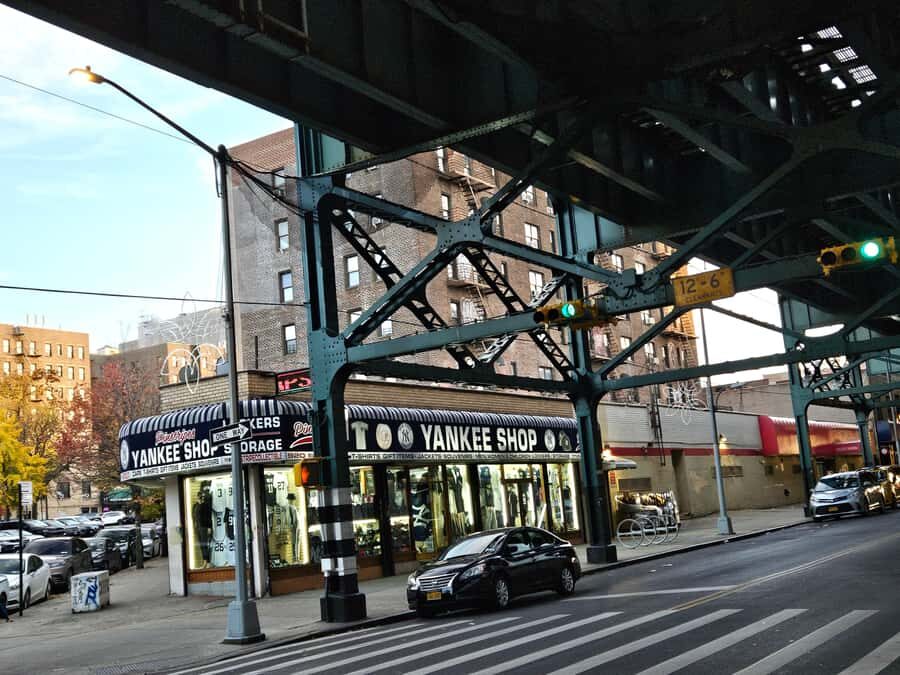
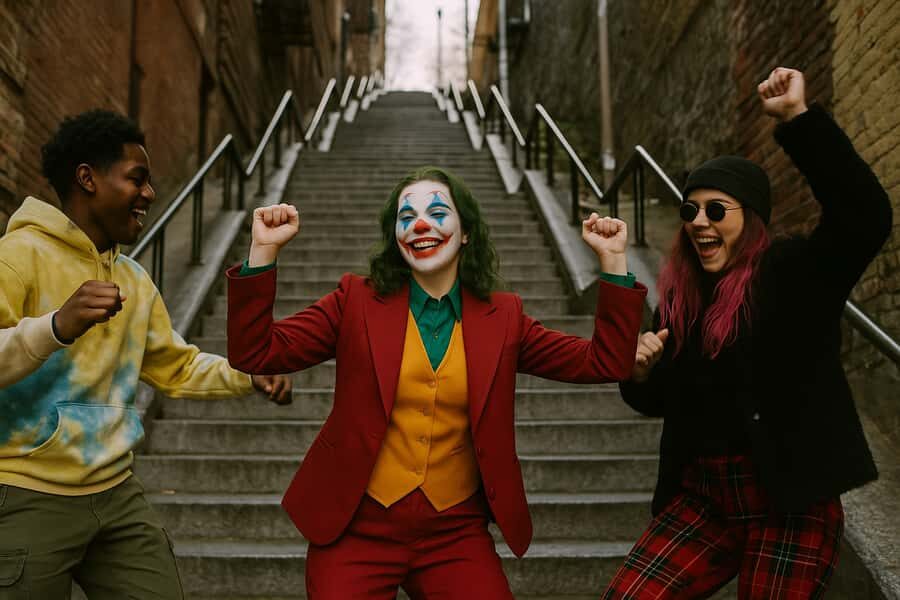
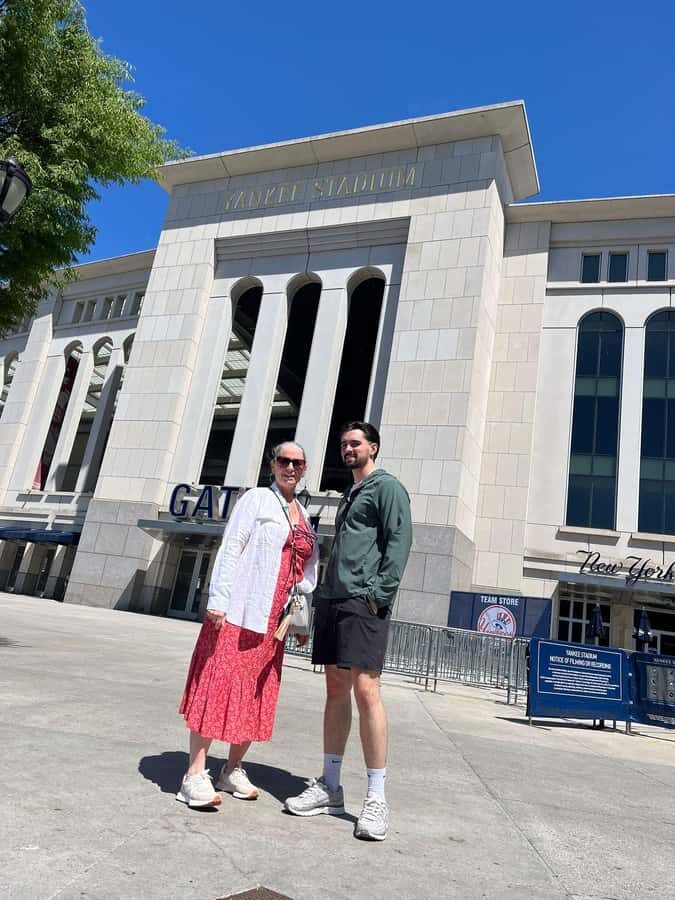
A big moment of the tour is Yankee Stadium and the chance to pose on the famous Joker stairs. This is the “photo worth it” part of the route, but it’s also more than that.
Sports in New York isn’t just entertainment; it’s community identity, a calendar, and a shared language. When Yankee Stadium appears in the middle of a route about murals, crime legends, and hip-hop, it reminds you that the city’s mythology isn’t one-dimensional. It’s built from wins and losses, fame and reputations, and the street-level stories that feed the larger myths.
My tip: if you care about photos, bring a small clean camera habit. Keep your settings ready; you won’t want to lose time fiddling mid-story.
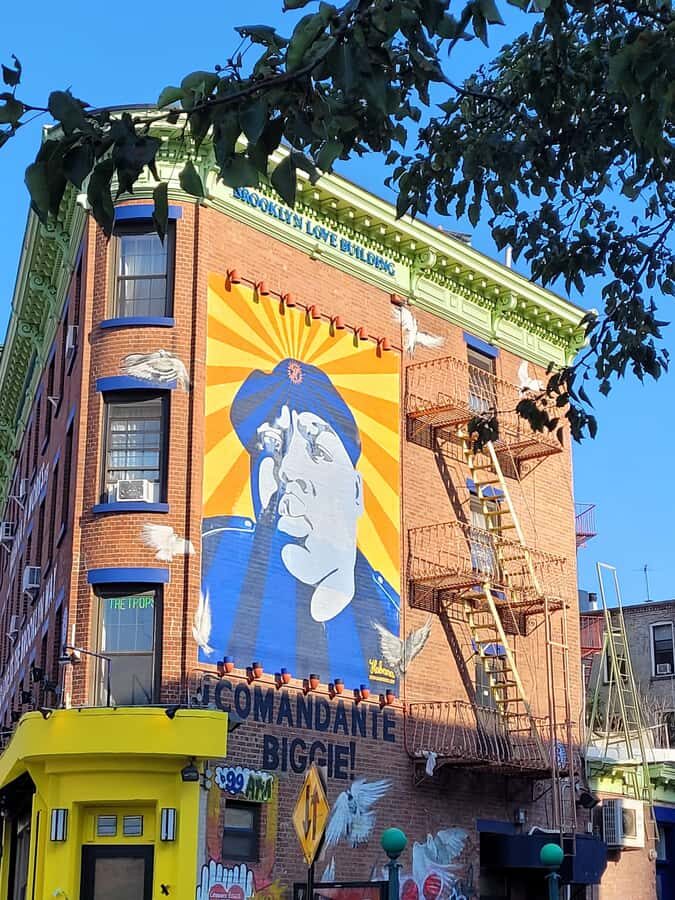
Brooklyn Murals and the Notorious B.I.G. Mural Stop
By the time the route reaches Brooklyn, the mood often turns toward music and film momentum. Brooklyn is presented as an epicenter—home to actors, musicians, and producers—so the cultural vibe feels like it speeds up slightly.
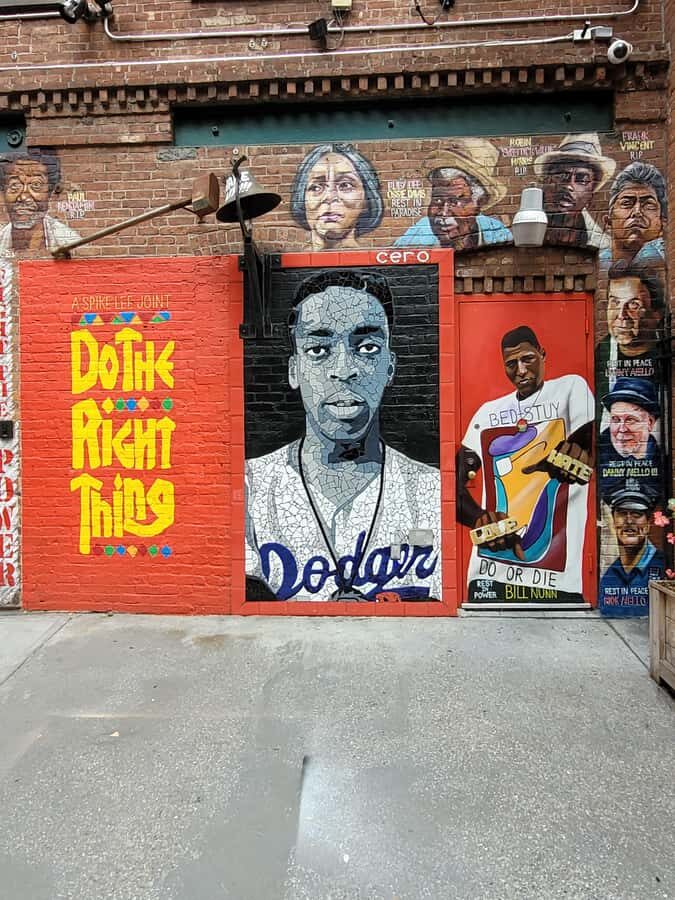
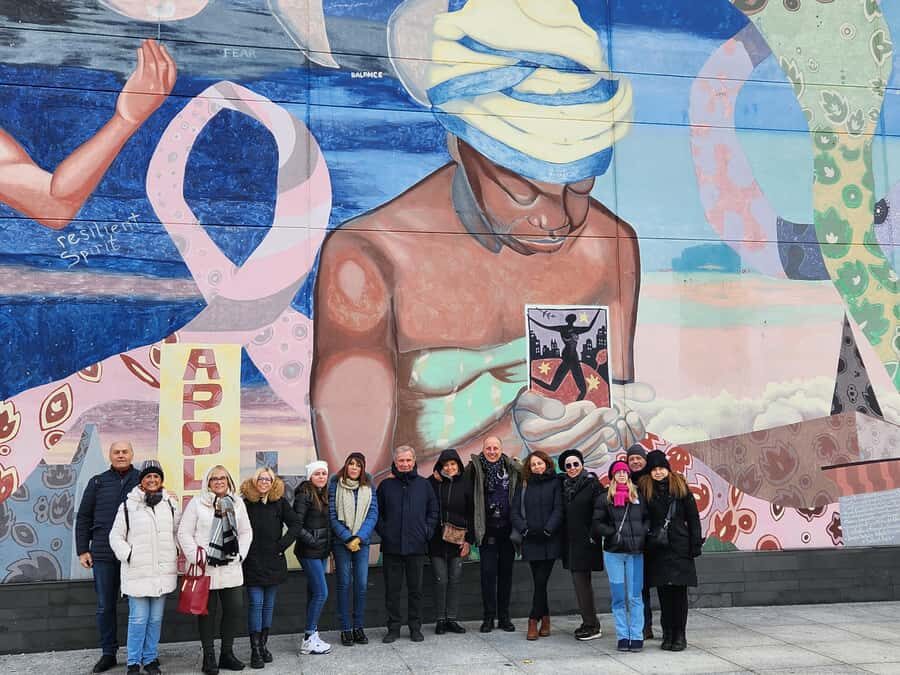
A major mural stop is the Notorious B.I.G. mural in Brooklyn. That’s a key reason this tour works: it doesn’t just point at a painted wall. It places the mural in a story about who built the era, which communities shaped the sound, and how the city preserved that memory on its own surfaces.
If you love art, listen closely. Murals often look like decoration until someone gives you the context—then suddenly you’re reading the wall like a headline from years ago.
Hidden Coffee Shop and Barber Shop Stops: Where People Actually Linger
One of the most “you’ll remember this” parts is the promise of exclusive access to local spots, not just famous streets. Two mentioned stops are a legendary coffee shop and an iconic barber shop known for being frequented by baseball stars and hip-hop legends.
These stops are valuable because they’re ordinary in appearance but important in function. Barbershops and cafés are places where stories get passed along, where reputations spread, and where the city’s culture gets refined in small talk and real conversations. Even if you only do a quick photo or pause, the feeling is different from a standard sightseeing stop.
Note: the day can include subway rides, so timing matters. If you want to buy something, do it quickly and stay close to the group.
Subway Use and Why It Matters for a 5-Hour Day
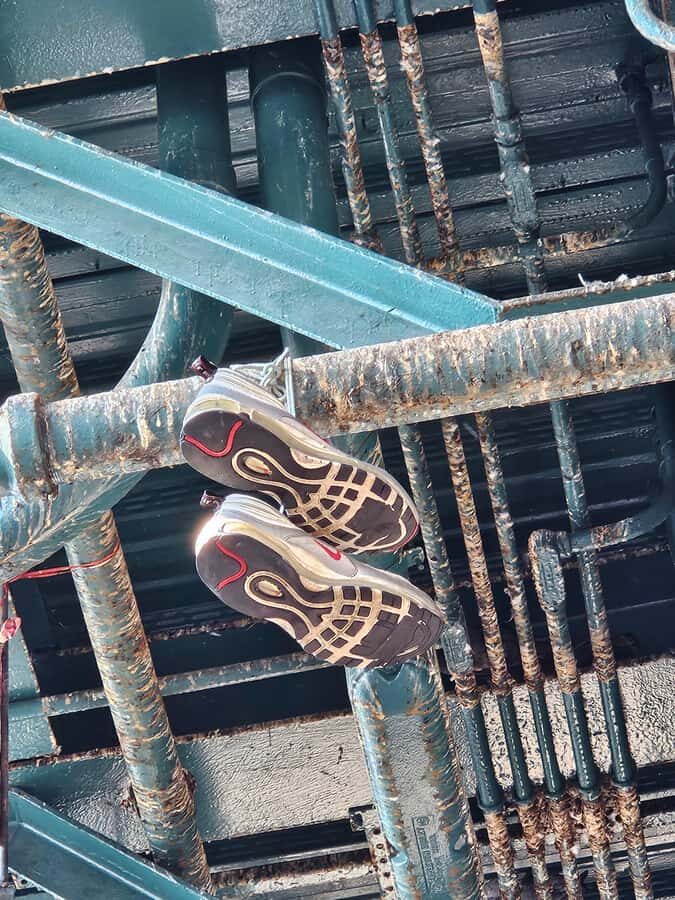
The tour includes subway travel, but subway tickets are not included. That matters because you’ll want to arrive prepared. It also affects your experience in a good way: the subway is how locals move, and it keeps neighborhoods from becoming a “separate places” checklist.
With a 5-hour window, the mix of subway + walking is the only way to cover this many borough zones without turning the day into a travel slog. You’ll likely feel like the city is “in motion” rather than staged.
Languages and Day-to-Day Scheduling
The guide is live and can be Italian, Spanish, English, or French, depending on the day. The schedule provided is:
- Italian: Tuesday, Thursday, Saturday
- English: Tuesday, Thursday, Saturday
- French: Tuesday, Thursday, Saturday
- Spanish: Saturday
If you care about language comfort, double-check the day you’re booking. Switching languages is easier than trying to follow a story tour when you’re not fully comfortable.
Price Check: Is $69 Worth It for What You Get?
At $69 per person for 5 hours, the value is mainly about density and focus. You’re not paying for one neighborhood. You’re paying for a guided thread that connects multiple boroughs, several major landmarks (Apollo, Yankee Stadium), famous story points (Mike Tyson’s birthplace and Notorious B.I.G. streets/murals), and cultural context (Spike Lee’s studio and iconic bookstores).
You also get certified guidance, and because it’s a live guide tour, you’re paying for interpretation—not just movement through points on a map. The subway rides are part of the plan, but you handle tickets separately.
So the real question isn’t the sticker price. It’s whether you’re the type of traveler who enjoys hearing how music, sports, films, and street legend link together. If that sounds fun, the price feels fair. If you only want “pretty scenery” or quiet sightseeing, it may feel like you’re paying for intensity.
Who This Tour Suits Best (And Who Might Want Another Option)
This tour fits best if you:
- love hip-hop culture, 1990s pop references, and street-level storytelling
- want to see New York through the lens of music + sports + film
- like murals and named landmarks, not just generic neighborhoods
- are comfortable walking for a half-day with occasional photo pauses
It may not fit you if you:
- have back problems, mobility impairments, heart problems, or you’re traveling with a baby stroller (not allowed)
- are traveling with children under 6
- prefer slow pacing and lots of sitting
Because the theme is “dangerous neighborhoods,” the subject matter can feel intense even when it’s delivered as history and culture. If you’re sensitive to crime-related stories, consider if you’ll enjoy that tone.
Should You Book This Dangerous Neighborhoods, Hip-Hop, Murals, and Sports Tour?
If you want New York that feels like a living story, not a postcard collection, I’d say book it. The route hits major cultural landmarks—Apollo Theater, Yankee Stadium, and the Joker stairs—while still keeping the day grounded in murals and street legends tied to real icons.
I’d especially recommend it if you’re traveling with someone who loves music and sports and wants more meaning than “we took a photo here.” The bilingual/multilingual guide setup also helps if you’re not all speaking the same language fluently.
If you need a very gentle pace or you’re dealing with mobility or health constraints, skip this one and choose something with fewer walking demands.
FAQ
How long is the tour?
The tour lasts 5 hours.
Where do I meet the guide?
You’ll meet at Mickey Spillane’s, 350 W 49th St, at the corner of 9th Avenue and W 49th Street. The guide will be holding a sign that says Careri Entertainment.
What’s included, and what should I pay for myself?
Included is a certified tour guide. Subway tickets are not included, and you’ll also want to plan for a tip for the tour guide.
Which neighborhoods and major stops are part of the route?
The tour covers Hell’s Kitchen, the Bronx, Harlem, and Brooklyn. Major named stops include Mike Tyson’s birthplace, Spike Lee’s production company, Yankee Stadium, the Joker stairs, the Apollo Theater, and murals such as the Notorious B.I.G. mural in Brooklyn.
What languages are available, and which days do they run?
The tour offers Italian, Spanish, English, and French with specific day schedules listed by language. Italian and English run Tuesday, Thursday, Saturday; French runs Tuesday, Thursday, Saturday; Spanish runs Saturday.
Is this tour suitable for children or families?
It’s not suitable for children under 6. Baby strollers are also not allowed.
Do I need to buy anything for the subway, and can I cancel?
Yes, subway tickets are not included, so you’ll need to arrange payment for subway rides. The tour also offers free cancellation up to 24 hours in advance for a full refund.