REVIEW · NEW YORK CITY
NYC | French guided tour Hip-Hop in East Harlem & Bronx
Book on GetYourGuide →Operated by New York Off Road · Bookable on GetYourGuide
Hip-hop street culture has layers here. This tour is interesting because it links the artwork on Harlem walls to the music landmarks in front of the Apollo, then pushes you across town for the Bronx story. East Harlem gives you the street-art angle, while the final stretch around Yankee Stadium and South Bronx adds the clothing-store and artist scene.
I like that it stays hands-on: murals, graffiti, and real stops tied to the evolution of hip-hop. I also like the structure, where you start with context inside the Museum of the City of New York before you hit the streets. One thing to consider: it’s a walking + subway day component, and the subway ticket isn’t included, so you’ll want your MetroCard ready.
In This Review
- Key highlights you’ll feel fast
- Starting at the Museum of the City of New York (and why it matters)
- East Harlem street art: Spanish Harlem murals, tags, and social meaning
- What to watch for while you walk
- Possible drawback to keep in mind
- Central Harlem and the Apollo Theater: hip-hop where music already lived
- The Bronx from Yankee Stadium to South Bronx: artists, shops, and hard turns
- Why the clothing-store focus is worth your time
- Practical note for this leg
- Price and value: $79 for a 210-minute cross-borough culture hit
- How the group size and guide style affect your experience
- What’s included vs what you’ll handle
- Who this tour suits best
- Should you book the NYC French Hip-Hop tour in East Harlem & the Bronx?
Key highlights you’ll feel fast
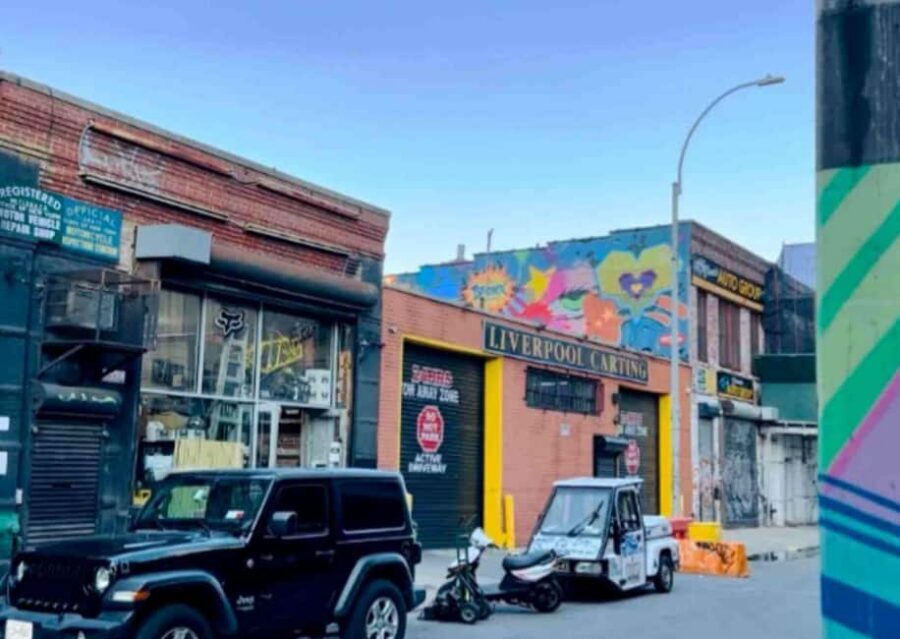
- Museum start at the Museum of the City of New York, meeting on the east side of Central Park for strong context.
- Graffiti Hall of Fame stop, with clear explanations of graffiti vs street art vs tagging and how people judge them.
- Apollo Theater exterior moment, where hip-hop fits into the wider African-American music story.
- Subway transfer to the Bronx, so you actually get the geographic shift, not just talk about it.
- South Bronx + hip-hop clothing shops, including places that are made in the borough.
- Small group size (up to 10) with a French local guide and group photos emailed afterward.
Starting at the Museum of the City of New York (and why it matters)
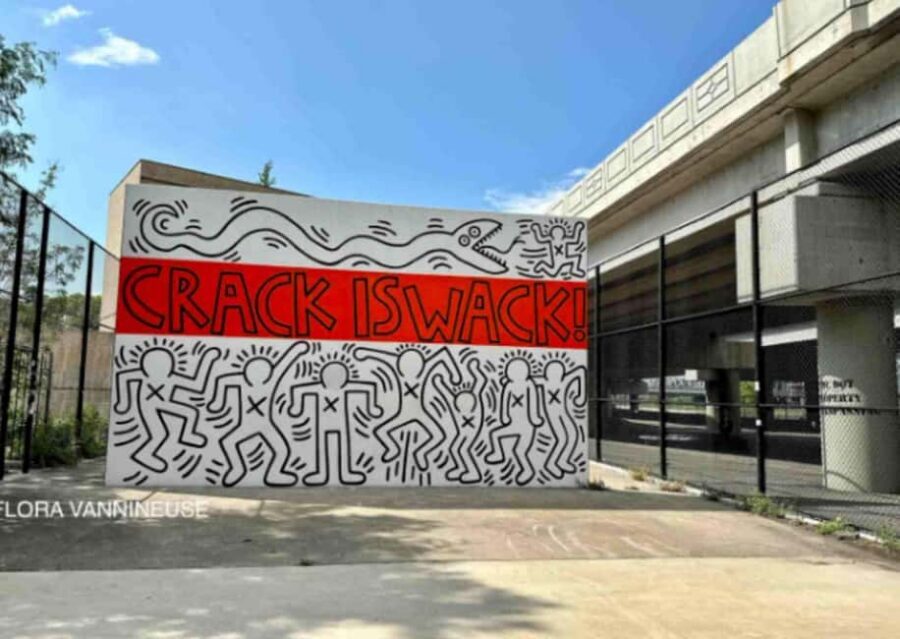
The tour kicks off at the Museum of the City of New York, on the east side of Central Park at 103rd Street. That matters because the first minutes set a frame: this isn’t only about seeing murals or spotting famous buildings. It’s about understanding how New York’s culture, art, and communities developed over time, and why hip-hop grew where it did.
Inside, you’ll be treated to the museum vibe—exhibitions that trace how the city evolved through the centuries. The tour description also notes that the guide promises to start on a musical note, which is a smart move. It signals the theme right away, so when you step outside into East Harlem, you’re listening for meaning, not just style.
This is also a practical win. Starting at a major landmark gives you a clear meeting point, and it’s easier to orient yourself before you walk.
You can also read our reviews of more guided tours in New York City


East Harlem street art: Spanish Harlem murals, tags, and social meaning
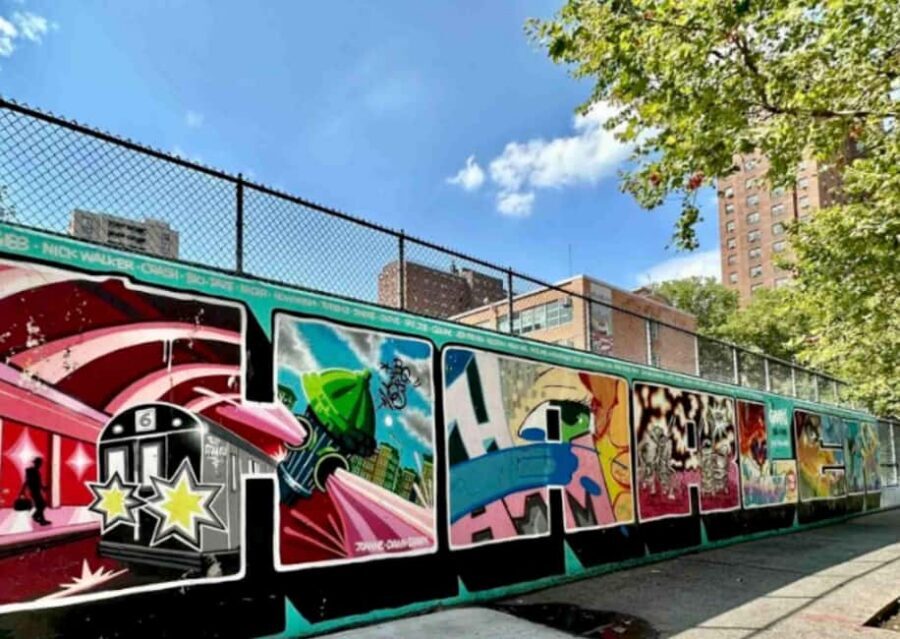
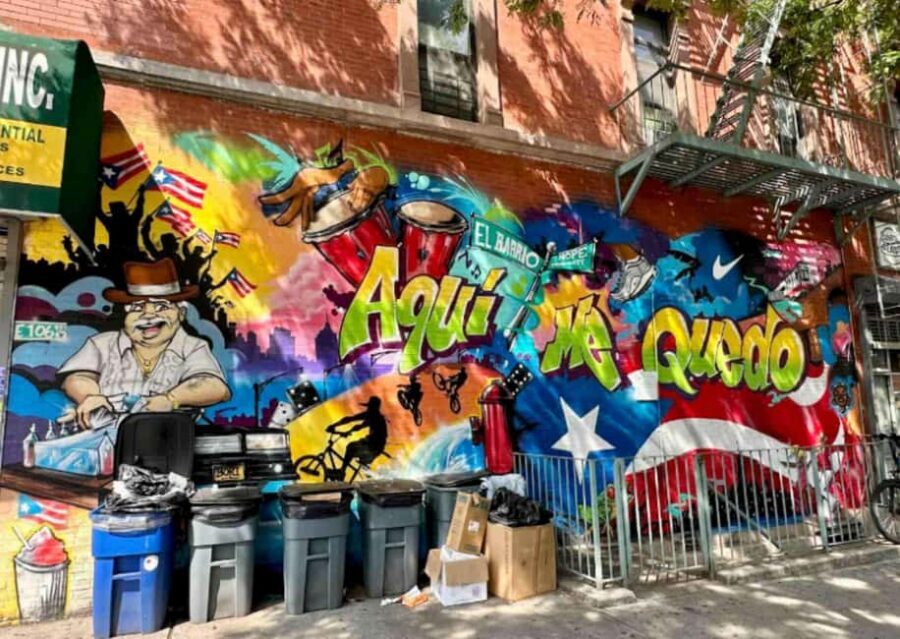
Once you head north into East Harlem, the tour shifts from background to the real visual language of the neighborhood. You’ll see colorful murals and graffiti linked to creative expression and the evolution of hip-hop. This is where the tour becomes more than sightseeing—street art turns into a form of public communication.
A key stop is the Graffiti Hall of Fame. The guide explains the differences between graffiti, street art, and tagging, and also why they’re sometimes seen as vandalism and sometimes as art. That distinction is valuable because it changes how you look at what you’re seeing. You start noticing technique, intent, and local authorship rather than assuming one label fits all.
You’ll also learn about artists who left their mark on the hip-hop scene through iconic creations. Even if you think you already know the basics, this kind of place-based explanation helps you connect names and styles to specific neighborhoods and eras.
What to watch for while you walk
- Look for how the visuals change from wall to wall. The style shifts often reflect different eras and community needs.
- Pay attention to the guide’s framing on tagging vs street art; it will affect how you interpret speed, placement, and audience.
Possible drawback to keep in mind
East Harlem street art is outdoors. If weather is bad, your enjoyment may depend on how quickly you can keep moving while the group is walking.
Central Harlem and the Apollo Theater: hip-hop where music already lived
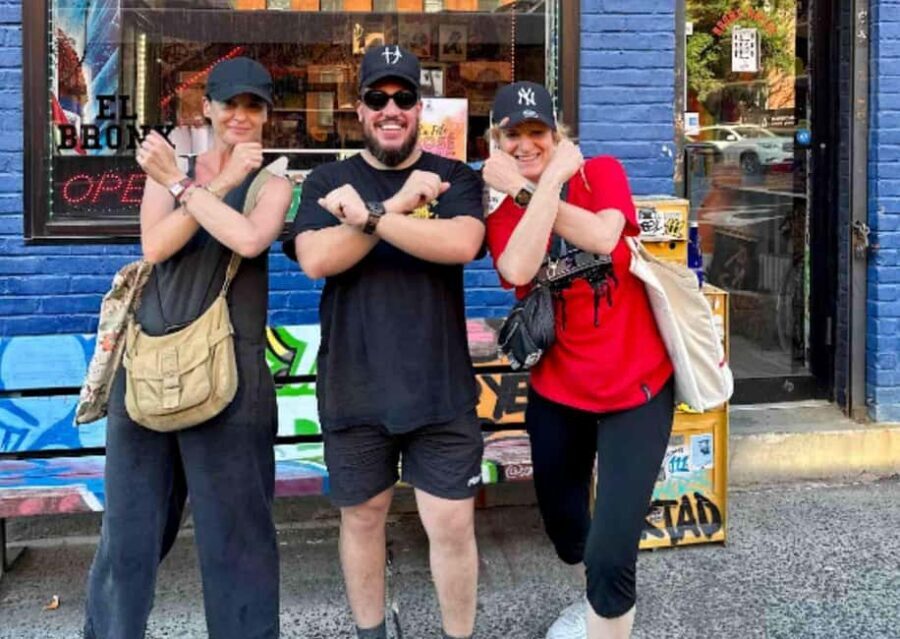
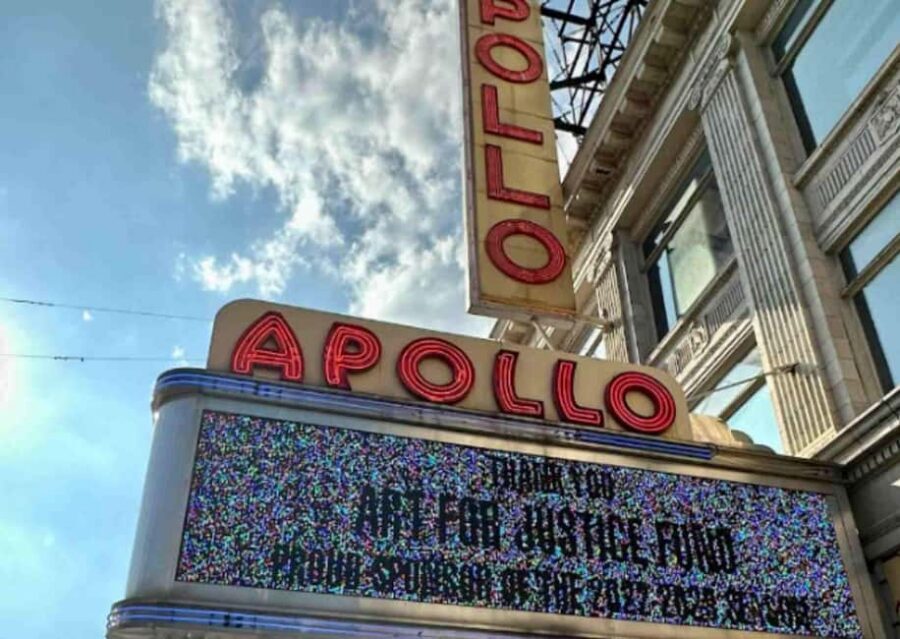
Next comes Central Harlem, a stretch of streets strongly tied to famous musicians and artists. The tour keeps the focus on musical culture rather than turning into generic Harlem architecture talk. You’ll walk through the neighborhood and end up in front of the Apollo Theater.
Standing at the Apollo Theater is powerful because it’s described as the cradle of African-American music. And the tour’s angle is helpful: hip-hop didn’t appear in a vacuum. It found a place alongside other genres that shaped the audience, the stage culture, and the broader music ecosystem.
Even if you’ve only associated the Apollo with classic recordings and legends, this stop helps you connect the hip-hop thread to what the theater already represented. That’s the benefit of pairing a walking tour with an anchor point like this—one location gives you a reference point for everything you’ve learned.
After that, the tour takes you by subway toward the Bronx. It’s a key move. You’re not stuck on one borough story; you’re getting the geography that hip-hop history requires.






The Bronx from Yankee Stadium to South Bronx: artists, shops, and hard turns
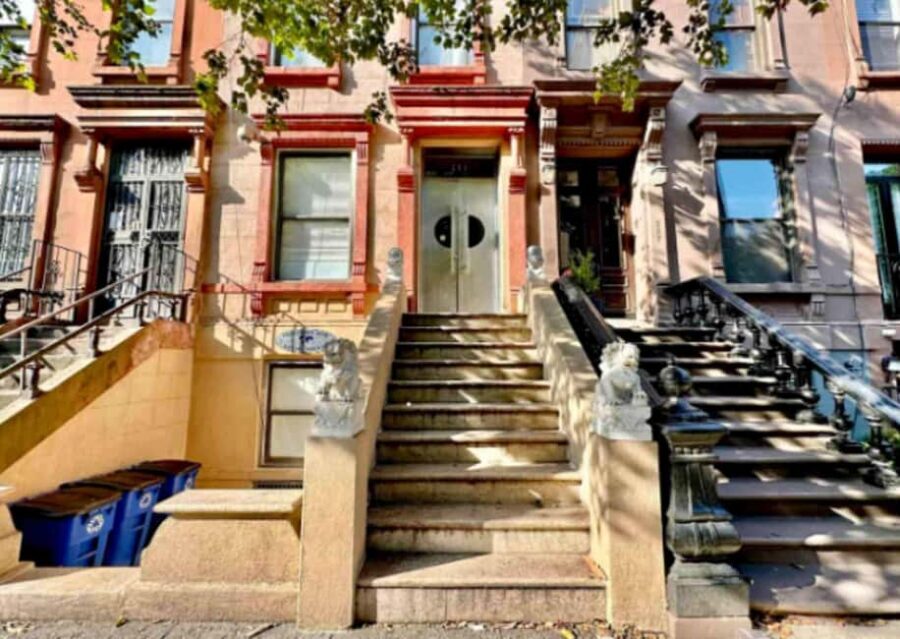
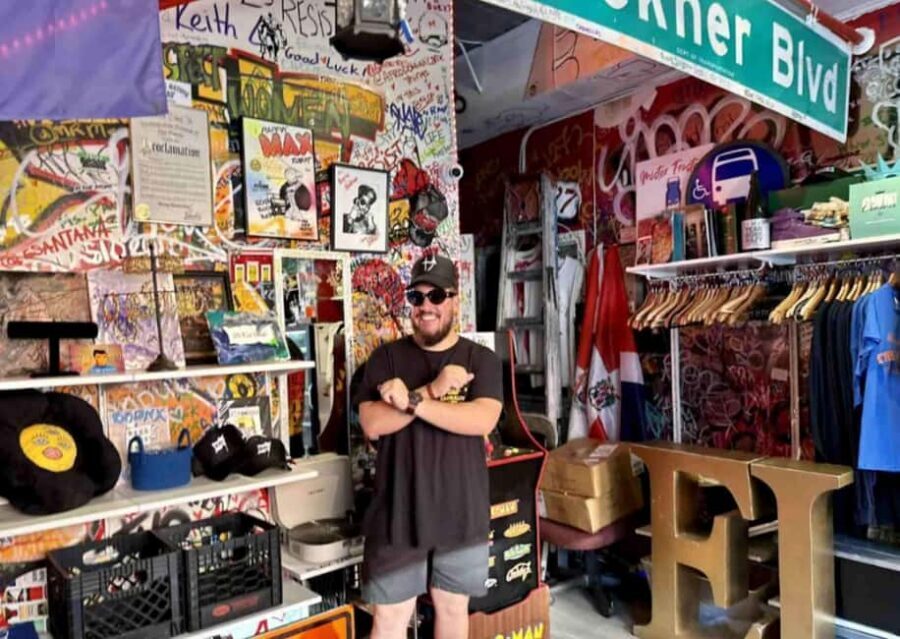
The final part starts at the base of Yankee Stadium and then works its way toward South Bronx. The tour frames this as a chance to meet talented artists and explore authentic hip-hop clothing stores, including shops described as made in the Bronx.
This section does two useful jobs at once. First, it brings you from landmarks into everyday culture—stores and local creators are where fashion language and identity get expressed. Second, it highlights the tumultuous history of the Bronx. That balance is important. Hip-hop fashion and creative scenes aren’t only trends; they grew in places shaped by disruption, resilience, and community energy.
Why the clothing-store focus is worth your time
A lot of tours talk about hip-hop as sound and movement. This tour adds the visual language: the way people dress to signal identity, affiliation, and creativity. When you see shops that emphasize being made locally in the borough, you’re also seeing how culture stays tied to place.
Practical note for this leg
You’ll likely be on your feet a good chunk of time. The walking style is part of the experience, but you’ll want comfortable shoes, especially in any neighborhood where pavement isn’t always smooth.
Price and value: $79 for a 210-minute cross-borough culture hit
At $79 per person for 210 minutes, this isn’t an all-day deal. It’s a half-day plan with real density: museum context, multiple neighborhood stops, and a subway transfer to the Bronx component.
Here’s how I’d judge the value:
- Small group up to 10: that’s a sweet spot for a guided street tour. You can ask questions and still move efficiently.
- Local French guide: language matters. If you want the explanation in French, this is built for you.
- Photos and address list: group photos sent by email can be a nice bonus, and the list of best addresses in each neighborhood is the kind of practical add-on that helps after the tour.
- Two boroughs worth of focus: East Harlem/Central Harlem plus the Bronx means you’re not stuck in one bubble.
Is it the cheapest option in New York? Probably not. But for the time it takes to get from Central Harlem into the Bronx and for the specific hip-hop angles—street art education, Apollo Theater framing, and Bronx shopping and artist stops—it’s priced like a focused cultural experience rather than a generic hop-on/hop-off day.
How the group size and guide style affect your experience
Because the tour is limited to 10 people, it feels more like a guided walk than a fast group circuit. That matters most for the street art portion. When you’re learning the differences between tagging, graffiti, and street art, you need a guide who can point, explain, and answer follow-ups.
The tour being in French also changes your experience. If you’re comfortable in French, you’ll likely absorb more because you won’t be guessing. If you’re not, you can still enjoy the visual stops, but you may miss some of the nuance behind the art labels and the history framing.
From the reviews, the consistent positive theme is that the guide explains clearly and makes Harlem and the Bronx feel like a discovery, not a lecture. That’s exactly what you want for a topic like hip-hop history, where context makes the art and music make sense.
What’s included vs what you’ll handle
Included:
- Guided walking tour (up to 10 persons)
- Local French guide
- Group photos sent by email
- List of the best addresses in each neighborhood
Not included:
- Food and drinks (available for purchase)
- Subway ticket not included. You need a valid MetroCard, or you can purchase at the station.
This split is normal for New York tours, but it’s worth planning around. Since the walking portion and the subway leg take time, it’s smart to eat before you start if you want a stress-free experience. If you’re the type who likes snacks mid-day, you’ll just purchase them along the way.
Who this tour suits best
This is a great match if you:
- want hip-hop culture explained through place-based stops, not just broad facts
- care about street art as communication, including how people judge it
- want a single half-day plan that connects Harlem to the Bronx
- prefer small groups and guided context in French
It may be less ideal if you:
- hate walking, especially during the outdoor street art portion
- don’t want to deal with a subway component (because the subway ticket isn’t included)
- only want one neighborhood and don’t care about the cross-borough shift
Should you book the NYC French Hip-Hop tour in East Harlem & the Bronx?
If you like your New York with context and your culture through real streets, I’d book it. The museum start gives you a foundation, the Graffiti Hall of Fame stop teaches you how to look, and the Apollo Theater and Bronx sections tie hip-hop to broader music and local identity. It’s also a solid value for a 210-minute, two-neighborhood-plus-subway plan in a small group.
Book it if you’re excited about street art, the music landmark angle, and Bronx creative life through artists and clothing shops. Think twice if you’re looking for a seated, low-walking experience, or if you’re not comfortable handling MetroCard details.