REVIEW · NEW YORK CITY
NYC | French guided tour Southern Manhattan
Book on GetYourGuide →Operated by New York Off Road · Bookable on GetYourGuide
Lower Manhattan has a way of rewriting itself. This guided walk through Southern Manhattan links immigration, finance, and city reinvention into one easy-to-follow route. I especially like how the tour keeps things human-scale, moving at street level instead of feeling like a museum lecture, and I also like the small group size that makes questions and pauses actually work.
One thing to consider: it’s a straight walking experience for about 210 minutes, rain or shine. If you’re expecting lots of long indoor stops or food breaks, you may want to plan a snack after.
In This Review
- Key things that make this tour worth your time
- Why Lower Manhattan is ideal for a guided walk
- Meeting at 787 Coffee: what the 210 minutes really look like
- Step 1: Stone Street, Woolworth Building, and the Civic Center block
- Step 2: Wall Street trading-desk storytelling in the financial district
- Step 3: After Hurricane Sandy, the riverfront comes back
- Step 4: World Trade Center area—remembrance and renewal
- What you actually get from a French guide (and why that matters)
- Included extras that improve the value beyond the walk
- Price and value: is $79 worth it?
- What to bring for comfort (and how to not hate your shoes)
- Who should book this Southern Manhattan French tour
- Should you book this French Southern Manhattan walking tour with New York Off Road?
- FAQ
- How long is the NYC French guided tour Southern Manhattan?
- What is the meeting point for the tour?
- How much does the tour cost?
- Is food and drinks included?
- What language is the tour guide?
- How big is the group?
- Will the tour run in bad weather?
- Is the tour wheelchair accessible?
- Is gratuity included in the price?
Key things that make this tour worth your time
- A French live guide who explains what you’re seeing, not just recites facts
- Up to 10 people, so you’re not swallowed by a crowd
- Hidden-side-street moments you likely won’t find alone
- A clear storyline from old New York to global finance
- Post-crisis recovery themes tied to real places, from Hurricane Sandy to 9/11
- Practical extras included, like group photos by email and a list of neighborhood addresses
Why Lower Manhattan is ideal for a guided walk
Southern Manhattan is the kind of place where you can’t really separate landmarks from history. A building looks like a building—until someone connects it to the wave of European immigration that shaped the area, or to the moment the world started treating Wall Street like the center of its money universe.
On this tour, the big idea is simple: the neighborhood keeps changing. You’ll hear how it became a global finance hub, then how it had to recover after major shocks like the Wall Street crash, the 9/11 attacks, and Hurricane Sandy. Instead of treating these as disconnected news events, you’ll get a tour route that shows how the streets and riverfront came back in different ways.
You’ll also get a level of orientation that matters in New York. This isn’t just, Look at this tower. It’s, Here’s how the city’s logic shifted, block by block.
You can also read our reviews of more guided tours in New York City



Meeting at 787 Coffee: what the 210 minutes really look like
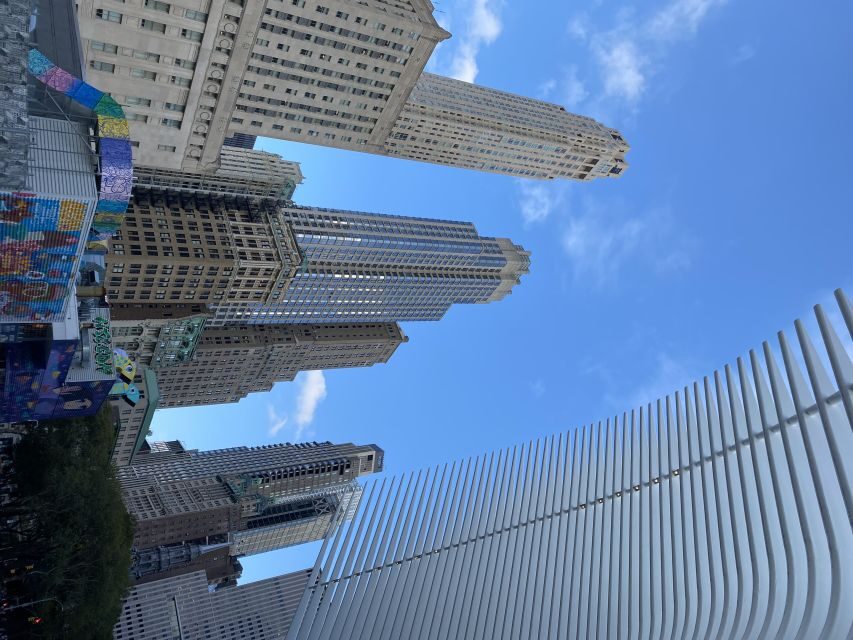
You meet in front of the café 787 Coffee. That’s useful: it’s a clear landmark, so you’re not guessing where the group starts.
The tour lasts 210 minutes—roughly 3.5 hours. That’s a good length for a “story walk” because it’s long enough to connect multiple areas, but not so long that you feel like you need a recovery day afterward. You’ll move through historic streets and major financial zones, so expect a mix of open plazas, street corners, and sidewalks that can get busy.
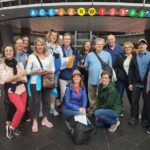
The tour is designed for a small group (up to 10 participants). That helps you hear the guide, and it helps you get better direction when you’re asked to look up, look down, or just pay attention to the way the city is laid out.
Also, come prepared for weather. The tour runs rain or shine, and comfortable shoes are not optional. You’ll be happier if you treat this as purposeful city walking, not sightseeing with casual stops every five minutes.
Step 1: Stone Street, Woolworth Building, and the Civic Center block
The tour starts by crossing Stone Street, one of the neighborhood’s oldest streets. This is where the city’s past becomes visible at walking speed. Stone Street gives you that immediate “I’m in older New York” feeling—before you even reach the bigger skyline icons.
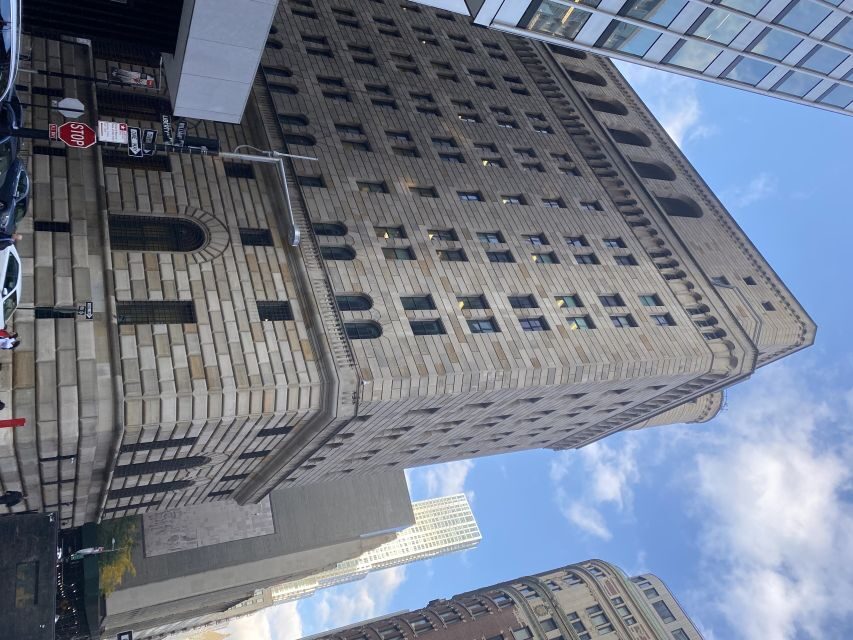
From there, you’ll admire some early giants: the Woolworth Building and the Civic Center, including Court and City Hall. These are the kinds of buildings that help you understand why Lower Manhattan matters. The area wasn’t just about commerce. It was also about governance and public life—where the city’s systems formed and where major decisions shaped the future.
Then the walk continues along streets with original buildings. This is one of my favorite parts of guided tours: the guide points out what you’d otherwise miss, like how certain blocks feel like time capsules even when modern life is right beside them.
Possible drawback here: this is where you may encounter heavier foot traffic. If you’re sensitive to crowds, keep your pace steady and let the group move as a unit—your guide will know when to slow down and when it’s easiest to cross.
Step 2: Wall Street trading-desk storytelling in the financial district
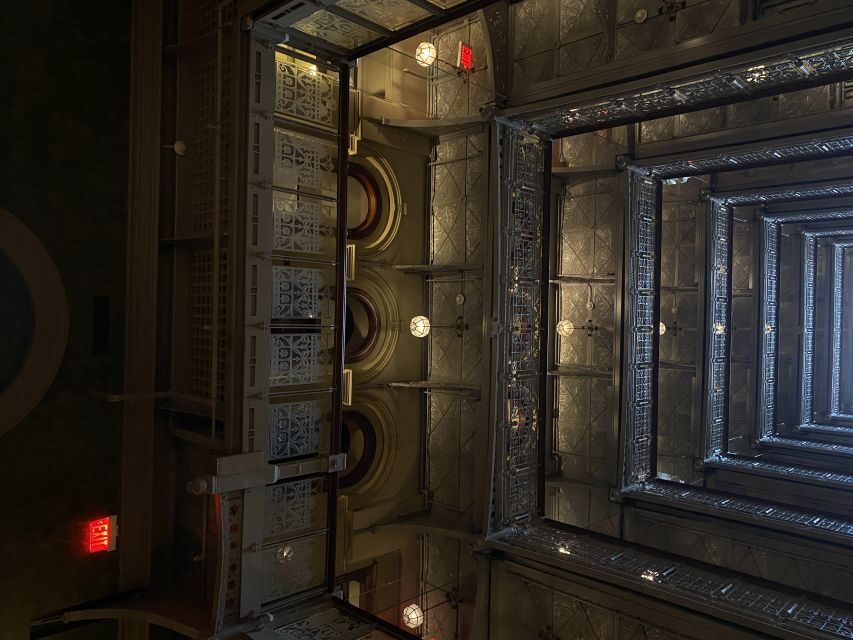
Next comes the heart of global finance—the financial district around Wall Street. The guide frames it in a fun, practical way: you’re encouraged to pretend you’re a trader for a few hours. It’s not about finance math. It’s about context—how people, institutions, and money culture shaped the street you’re walking.
You’ll see investment-bank energy and the proximity of the New York Stock Exchange area. Even if you’re not a finance person, the point lands: Wall Street isn’t just a place you visit; it’s a place with a strong identity. The streets, building styles, and density all reflect that.
This segment works well because it turns symbols into story beats. Instead of, Here’s a building, you’re getting the why. You’ll also get help connecting what you saw in the first step—older civic and commercial roots—to the modern role the neighborhood developed.
What to watch for: if you’re hoping for lots of inside access, don’t. This is primarily a guided walking experience focused on what you can see around the area. The payoff is understanding the bigger picture from street level.
Step 3: After Hurricane Sandy, the riverfront comes back
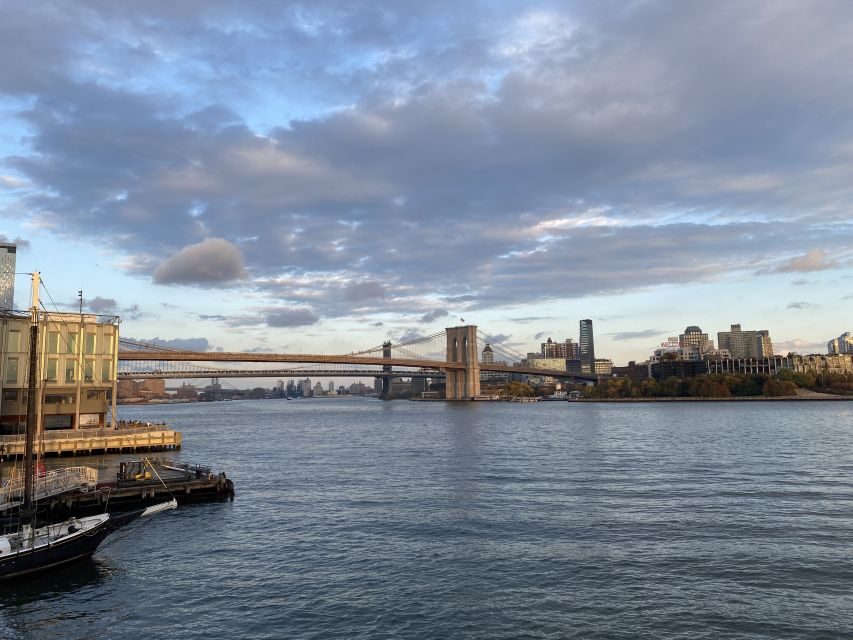
After the financial-district storyline, the tour shifts from money to water—first the East River and then the Hudson River side.
You’ll hear about recovery after Hurricane Sandy in October 2012, when New York pushed to restore its river banks. The route includes the refurbished South Street Seaport area, then continues toward Brookfield Place, where public spaces were redeveloped along the Hudson.
This part is valuable because it shows how a city rebuilds its edges. Riverfronts aren’t just scenery. They connect neighborhoods, reshape pedestrian movement, and change how people use public space. When you walk this segment with a guide, you start reading the city as an ongoing project, not a finished postcard.
It’s also a nice break in the emotional rhythm of the day. The tour still discusses shocks and recovery, but here it feels more about visible restoration you can walk through rather than just memorial-level gravity.
One practical consideration: riverfront sections can be windy, even on mild days. Pack for it. A light layer helps more than you’d think.





Step 4: World Trade Center area—remembrance and renewal
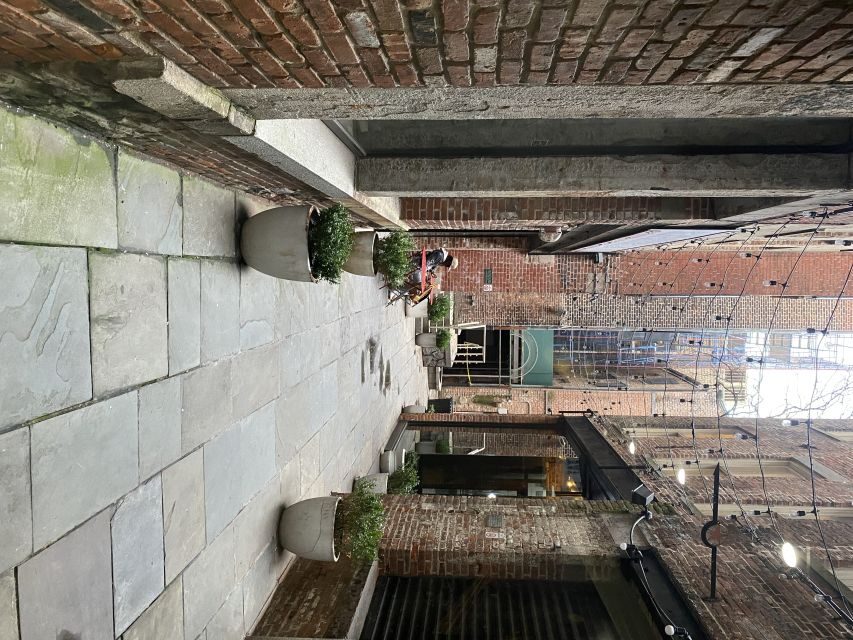
The final major stop centers on the transformation around the 9/11 attacks and the area around the 11/09 memorial. This isn’t only about landmark names—it’s about how the city combines remembrance with renewal.
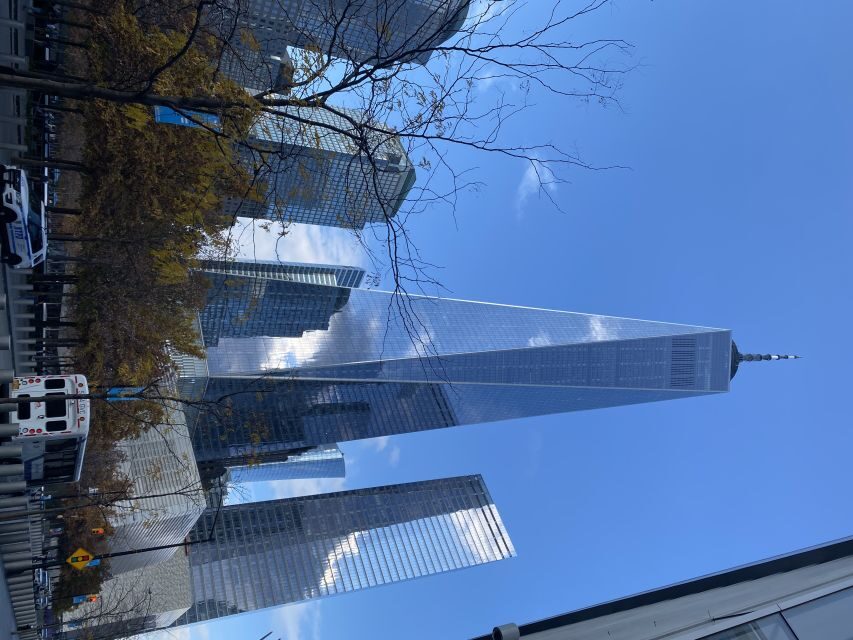
You’ll see key features tied to the rebuilding effort, including One World Trade Center (the highest tower in New York), the Oculus, and Saint Paul’s Chapel, among other elements around the memorial area.
This is an emotionally serious segment, so a good guide matters. One small-group advantage is that you can move at a respectful pace without feeling rushed. The guide’s role is also crucial here: you’ll get help understanding what you’re seeing and why these places exist in the rebuilt layout.
Possible drawback: if you prefer a more lighthearted tour from start to finish, this ending may feel heavy. But it’s also the reason the tour feels meaningful instead of just “a good walking route.” You leave with a sense of why these streets and buildings look the way they do today.
What you actually get from a French guide (and why that matters)
The tour is in French, with a live guide. If you’re comfortable in French, you’ll likely get more out of the experience because you’ll catch the nuance in how the guide explains transformations and specific neighborhood details.
Small groups help here. When you’re with up to 10 people, the guide can slow down for questions and adjust explanations based on what the group is asking—rather than blasting through stops like a slideshow.
Also, I like that the tour doesn’t pretend everyone already knows the story. You’ll get it in a sequence that builds: from Stone Street and civic life, to Wall Street identity, to riverfront recovery, to the rebuilt World Trade Center area.
If you want a tour that feels guided in the real sense—human, responsive, street-level—this one is built for that. And from what I’ve gathered about guide styles here (including Samuel, who’s highlighted for taking people outside the usual routes), you can expect more than just the standard photo stops.
Included extras that improve the value beyond the walk
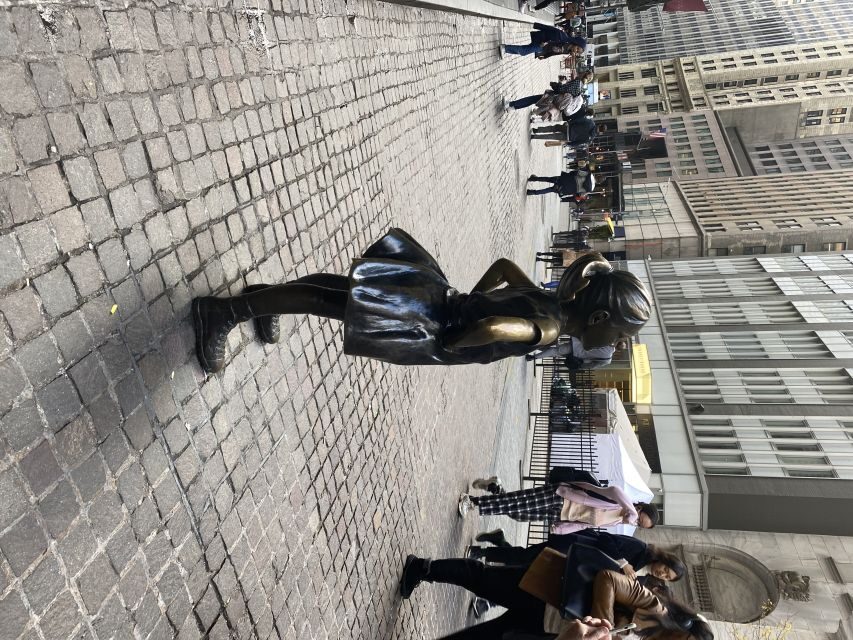
The tour includes:
- A guided walking tour (small group)
- A local guide
- Group photos sent by email
- A list of the best addresses in each neighborhood
That last part is underrated. City walks can be great, but you often leave thinking, Okay, now what? An address list gives you a head start on where to go after the tour—whether that’s a café, a restaurant, or a place worth revisiting.
The group photos are also a practical inclusion. In a place like Lower Manhattan, it’s easy to end up with only partial shots because everyone is moving. Someone else taking the photo helps you leave with actual results, not just blurry attempts.
As for food and drinks: they’re not included, and that’s fine. You can choose what fits your day and budget. The tour pace is better when you’re not forced into a set meal.
Price and value: is $79 worth it?
At $79 per person for 210 minutes, you’re paying for more than walking time. You’re paying for:
- A structured route across multiple Lower Manhattan zones
- Interpretation that connects places to major turning points (immigration-to-finance, plus recovery after big shocks)
- A local guide who helps you spot what you might miss alone
- Small-group attention
- Practical add-ons like email photos and an address list
When does this price feel especially fair? If you’re short on time and want a single guided outing that covers both the famous and the less-obvious details. The tour also makes economic and civic history easier to grasp because it’s tied to physical streets and specific landmark areas.
When could it feel less worth it? If you’re already a serious self-guided Lower Manhattan planner who knows the story landmarks and wants total freedom to wander without structure. In that case, you might build a comparable route on your own.
But for most visitors, the blend of storytelling, guidance, and a tight small group makes the price easier to justify.
What to bring for comfort (and how to not hate your shoes)
Bring comfortable shoes. This is the kind of tour where blisters sneak up on you because the walking is steady and the time adds up.
Dress for the weather. It runs rain or shine, so your best friend is practical clothing: a layer you can handle if conditions change, and footwear that works on wet sidewalks if it’s raining.
If you’re using a wheelchair, the tour is stated to be wheelchair accessible with a circuit adapted for wheelchair users. That’s a big deal because not every walking tour actually adjusts. The route is designed for you to participate in the experience rather than being offered a watered-down alternative.
Who should book this Southern Manhattan French tour
This tour is a great fit if you:
- Want a guided story of Lower Manhattan that connects old neighborhood life to modern finance
- Like walking tours but hate feeling lost without context
- Prefer small-group experiences over big coach-style crowds
- Enjoy learning in French (or at least being in a French-speaking guided format)
It may not be ideal if you:
- Want heavy museum-style indoor time
- Have limited mobility and are looking for minimal walking (even though an adapted circuit exists)
- Need guaranteed food stops during the tour
Should you book this French Southern Manhattan walking tour with New York Off Road?
Yes, if you want a smart, structured walk that turns iconic areas into a readable story. The strongest reason to book is the way the tour links major moments—immigration, the rise of finance, and recovery after shocks—to actual streets and landmarks. It’s not only about where to stand for photos; it’s about understanding how the city keeps changing.
Book it especially if you’ll be in New York for a short time and you want value out of every block. At $79 for a 3.5-hour guided route with small-group attention and practical extras, it’s a solid deal for people who like real local guidance rather than just a checklist of sights.
If you want something lighter, or you hate emotional weight at the end, consider your day planning. Otherwise, this is exactly the kind of guided Lower Manhattan outing that makes the rest of your trip feel easier.
FAQ
How long is the NYC French guided tour Southern Manhattan?
It lasts 210 minutes (about 3.5 hours).
What is the meeting point for the tour?
Meet in front of the café 787 coffee.
How much does the tour cost?
The price is $79 per person.
Is food and drinks included?
No. Food and drinks are available for purchase.
What language is the tour guide?
The live tour guide speaks French.
How big is the group?
The tour is a small group limited to up to 10 participants.
Will the tour run in bad weather?
Yes, it takes place rain or shine.
Is the tour wheelchair accessible?
Yes. It is wheelchair accessible with a circuit adapted for wheelchair users.
Is gratuity included in the price?
No. Suggested gratuity is between $5 and $10 per person.