REVIEW · NEW YORK CITY
NYC: Lower East Side Devour Food & History Walking Tour
Book on GetYourGuide →Operated by Devour · Bookable on GetYourGuide
A few blocks on foot can tell the whole story. This Lower East Side food and history walking tour strings together breakfast and lunch style tastings at family-run spots while you learn how waves of Jewish, Dominican, and Chinese communities shaped the neighborhood. I love that the food mix is not random, it tracks the area’s immigrant patterns bite by bite, and I also love the pacing: 7+ tastings in 3 hours so you’re not just nibbling. One drawback to plan for: it’s not set up for everyone, especially people who need strict gluten/celiac safety or who use wheelchairs or strollers.
If you like your New York hands-on, this is the kind of walk where you’ll be thinking about mustard, noodles, and pickles long after you’ve left the sidewalk.
In This Review
- Key things to look forward to
- Lower East Side, breakfast to doughnuts: what the 3 hours really covers
- Starting at Katz’s Delicatessen and the art of a deli breakfast
- Dominican breakfast counter and the cheese-and-cured-meat stop
- Bodegas, bagels, and how the Jewish quarter shows up in everyday streets
- Chinatown next: Fujian peanut butter noodles and thin-skinned pork dumplings
- Pickle tradition and an artisanal doughnut finish you’ll remember
- Price and value: why $79 can make sense for a 3-hour food day
- Diet rules and the gluten/celiac reality check before you book
- Meeting at Peretz Square: simple logistics that keep the walk smooth
- Who this tour fits best (and who should skip it)
- The guide experience: friendliness plus neighborhood facts
- Should you book the Lower East Side Devour tour?
- FAQ
- How long is the Lower East Side Devour Food & History Walking Tour?
- Where is the meeting point?
- How much does the tour cost?
- How many tastings do you get?
- Is the tour kosher?
- Is this tour suitable for vegans?
- Is it safe for people with celiac disease or gluten intolerance?
- Is the tour wheelchair accessible or stroller-friendly?
- Can I cancel and can I reserve without paying right away?
Key things to look forward to
- Katz’s Delicatessen start since 1888, with a pastrami and mustard sandwich stop
- 7+ tastings at 7 family-run businesses, enough for breakfast and lunch
- Chinese-food influence in Chinatown, with options like peanut butter noodles or thin-skinned pork dumplings
- Dominican breakfast flavors served at a local counter
- A modern New York-style bagel stop that keeps the neighborhood tradition going
- A final doughnut tasting with innovative flavors that feels like a proper finish
Lower East Side, breakfast to doughnuts: what the 3 hours really covers
This tour is built around one smart idea: food is the easiest way to understand neighborhood change. You’ll walk through the Lower East Side’s shifting identity, from classic Jewish deli culture to Caribbean and Chinatown influences, without needing a museum ticket.
The route is also practical. You get enough tastings that you can treat it like a full meal plan for the day—breakfast and lunch energy in one stretch. And yes, it’s mostly about eating. If you’re the type who wants a map full of viewpoints, this is less that and more story plus bites.
Timing is usually morning, which makes sense. The Lower East Side is lively early, and you’ll move from stop to stop before the day gets too rushed. Wear comfortable shoes. You’ll thank yourself after the last turn.
You can also read our reviews of more walking tours in New York City

Starting at Katz’s Delicatessen and the art of a deli breakfast
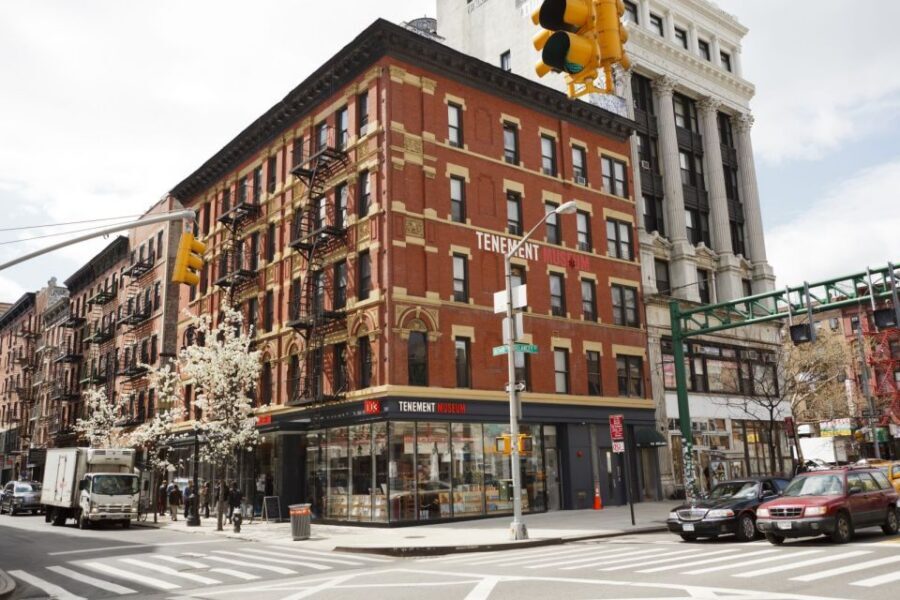
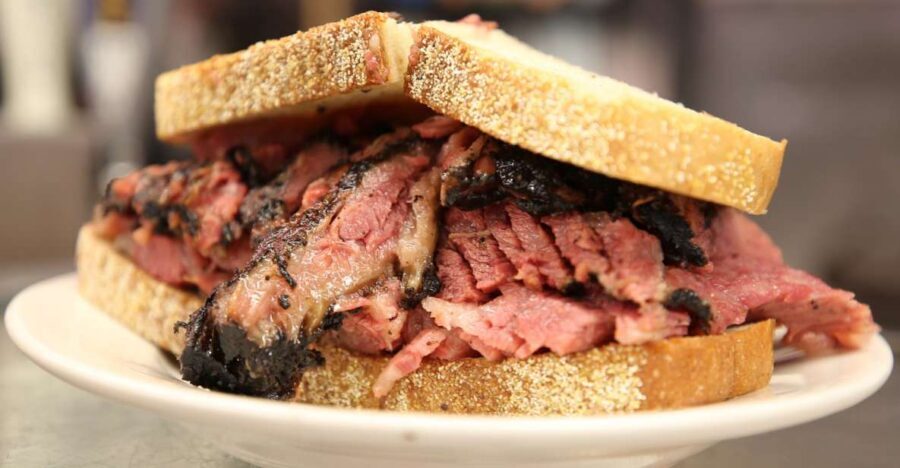
The tour kicks off at Katz’s Delicatessen, a family-run institution serving since 1888. This is the kind of place that doesn’t need hype to matter. You’re not going for a trend; you’re stepping into a long-running New York habit.
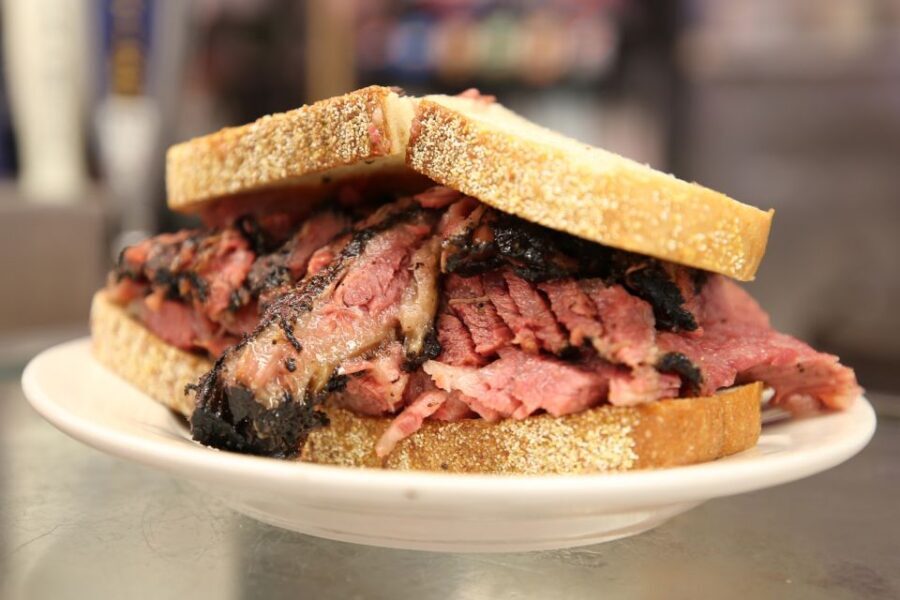
Expect your first big taste to be their signature pastrami and mustard sandwich. It’s a classic combo for a reason: salty cured meat, bright sharp mustard, and that deli-style balance that teaches you how New York thinks about breakfast and lunch.
Why this stop matters for the tour theme: delis on the Lower East Side weren’t just food counters. They were social hubs for a community building a new life in the city. Starting here gives you a baseline before you move into other cuisines and immigrant stories.
Potential drawback: Katz’s is iconic, which means it’s also a place where you may have to deal with the usual busy energy. The tour format helps because you’re there as part of a guided sequence, not trying to coordinate it yourself.
Dominican breakfast counter and the cheese-and-cured-meat stop
Next up, you’ll hit a Dominican breakfast counter. This isn’t just a random international detour. It’s a reminder that the Lower East Side kept changing long after the first wave of Jewish settlement. Dominican cuisine brings its own rhythms—different flavors, different breakfast logic, and a totally different feel at the counter.
After that, you’ll visit a cheese shop at a local market that the Food & Wine magazine has named the best in the US. You’ll get to sample handmade cheeses and cured meats, which is a great pairing choice for this neighborhood tour. It connects to the deli tradition while still letting you explore something new.
This stop is useful if you want to leave with more than just full stomachs. You’ll start noticing how cured meats, salty cheeses, and simple bread choices can create very different flavor profiles depending on what’s local to the shop.
Small consideration: cheese and cured meats are not a vegan-friendly vibe, and the tour isn’t positioned for strict dietary needs. If you know dairy or gluten is a problem, this is one of the stops you’ll want to think about early.
Bodegas, bagels, and how the Jewish quarter shows up in everyday streets
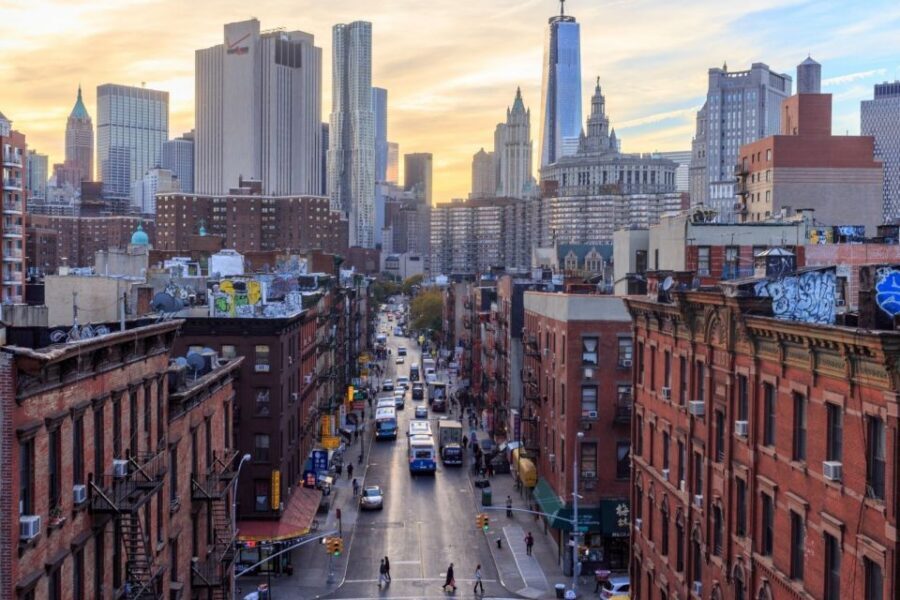
Along the way, you’ll notice bodegas around the corners. The guide frames them as a visual reminder of history brought over by the Jewish community in the early 19th century. It’s not just a photo op. The point is how everyday storefronts became part of daily life.
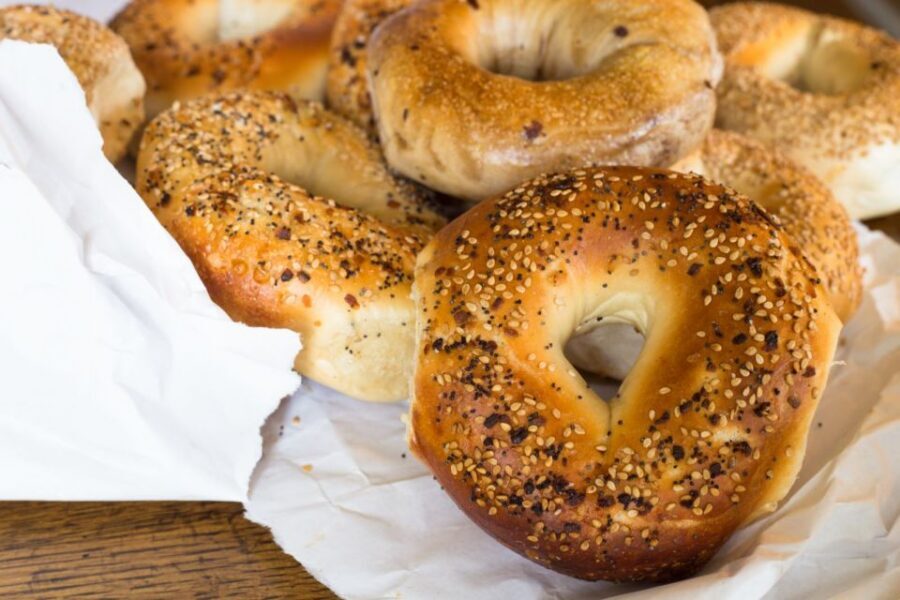
Then you’ll get a new twist on the classic bodega concept and try a modern New York-style bagel. This stop works well even if you’re not a bagel person—because it’s less about bread trivia and more about how neighborhoods keep repeating themselves with fresh versions.
Why I like this part: it turns the Lower East Side into something you can read with your feet. You start to see patterns: what people carried into the city, what they built, and how those habits evolved into today’s storefronts.
One more practical note: this is a walking tour with multiple food stops packed close together. You’ll move quickly between locations, so if you’re prone to getting overwhelmed, it helps to keep your eyes up and your water plan simple.
Chinatown next: Fujian peanut butter noodles and thin-skinned pork dumplings
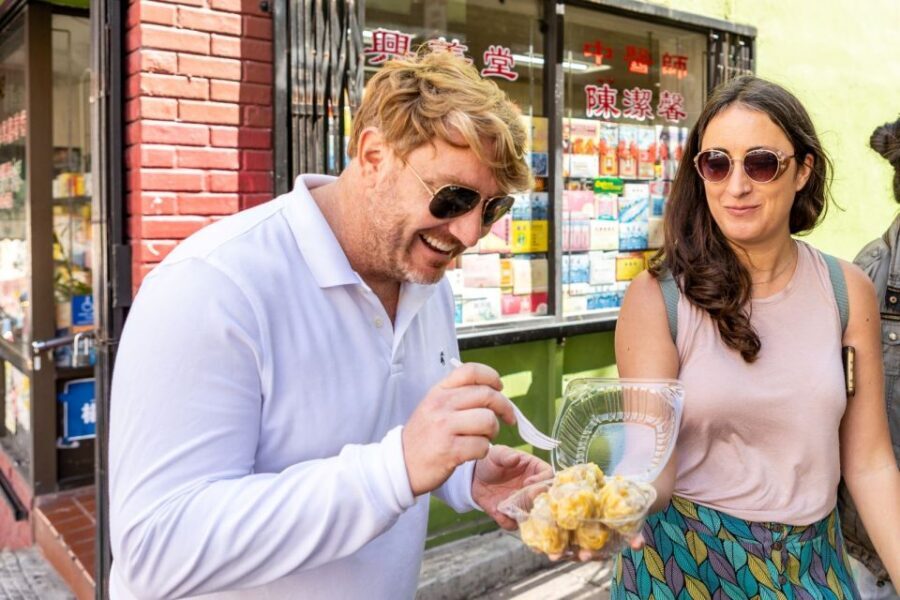
Since Chinatown is right around the corner, the aromas start showing up before you even fully reach the area. This is where the tour shifts toward Chinese-food influence on the city, and the flavors move fast.
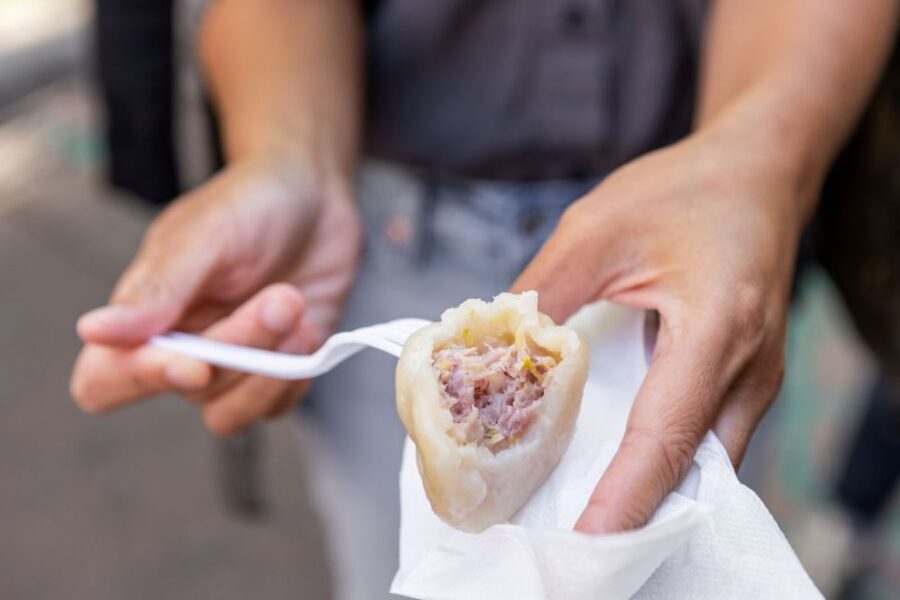
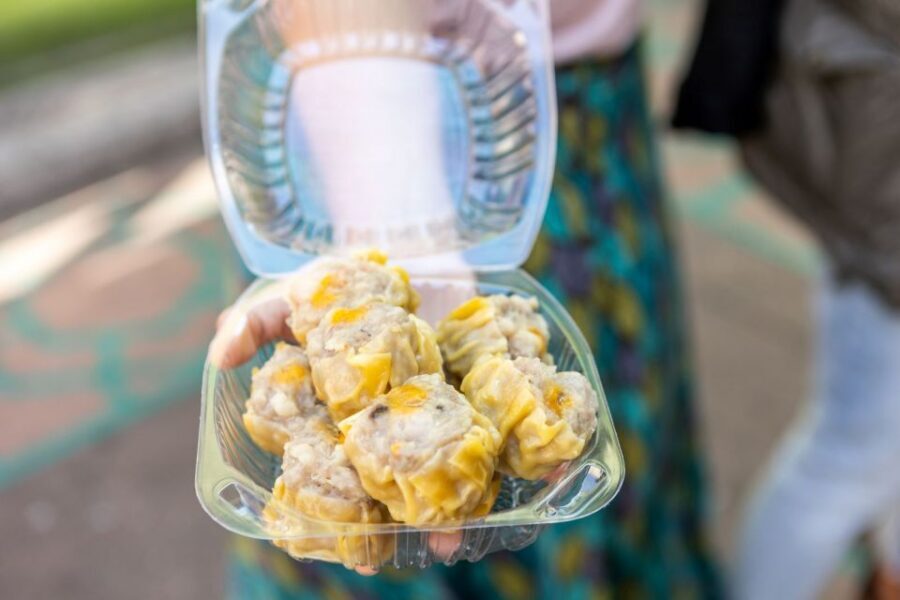
You’ll visit a newer addition to Chinatown and sample specialties such as Fujian peanut butter noodles or thin-skinned pork dumplings. Either choice fits the tour’s theme: this isn’t a one-note Chinatown bite. You’re seeing different styles—noodles that bring a comfort-and-sauce feel and dumplings that lean into texture.
This is also a strong moment for pacing. After deli and cheese, the noodles and dumplings reset your palate without slowing the tour down. It keeps you interested instead of stuck in a single flavor family for the entire walk.
Consideration: if you dislike pork or have complex allergy needs, you’ll want to flag that ahead of time. The tour does include an allergy waiver process at the start for serious allergies, but your best outcome comes from communicating early.
You can also read our reviews of more food & drink experiences in New York City




Pickle tradition and an artisanal doughnut finish you’ll remember
Another food brought over by Jewish immigrants shows up with a family pickle recipe passed down through generations. Pickles can seem like a small detail on a food tour, but they’re actually a big deal here. They’re tangy, salty, and built for long-lasting flavor—very “keep going through winter” energy.
For the final stop, you’ll head to a beloved artisanal doughnut shop for baked goods, with a doughnut that leans into innovative flavors. This last stop is where the tour feels like a celebration instead of a history lesson. You finish sweet, you finish satisfied, and you leave with something you’d actually want to re-order.
Why the ending works: it gives you variety after savory-heavy earlier stops. It also turns the walk into a full arc—classic, international, then fun and creative.
Practical tip: doughnuts are best eaten with a small pause. If you try to rush the last bite while you’re already stuffed, you’ll miss what makes that doughnut special.
Price and value: why $79 can make sense for a 3-hour food day
At $79 per person for about 3 hours, you’re paying for more than the food. You’re paying for three things that are hard to DIY in the Lower East Side:
First, you’re getting access to 7+ tastings across 7 family-run businesses. That’s the big value driver. One meal on your own might cost similar money, but it won’t automatically give you a guided sequence of neighborhood cuisines.
Second, you get a guide who connects the bites to the place. That’s what turns “try this sandwich” into “you’re seeing how communities shaped the street.” The tours that feel worth it usually have context built in.
Third, the tour handles the coordination. You don’t have to choose the stops, wait in the wrong lines, or worry about whether the shop will be good today. You just show up, follow the route, and eat.
The downside is also tied to value: because it’s tasting-focused, you’ll be eating frequently. If you don’t want a lot of food, this may feel like pressure rather than pleasure.
Diet rules and the gluten/celiac reality check before you book
This tour is not kosher, even though you’ll visit Jewish-influenced businesses and landmarks. If you keep kosher at home or need kosher-certified food, plan accordingly.
It also has clear limits:
- It’s not recommended for vegans.
- It’s not recommended for people with celiac disease because of the risk of gluten cross-contamination.
- It’s also not suitable for people with gluten intolerance.
If you’re gluten-free but not celiac, it can be adaptable. The tour can work for gluten free (not celiac), plus dairy free, pescatarian, vegetarian, and pregnant women. The key catch is that you may not have a replacement option at every stop. So you’re still taking part in a tasting tour where not every bite can be swapped smoothly.
Serious allergy needs are handled with an allergy waiver at the start. That helps, but it still means you should be upfront about what you can’t eat so the guide can steer you.
My practical take: if you have strict dietary needs, email or contact them before you join. With food-heavy tours, a quick message early saves a frustrating mid-tour situation.
Meeting at Peretz Square: simple logistics that keep the walk smooth
The meeting point is Peretz Square, on the corner of East Houston Street and 1st Avenue, across the road from One and One restaurant at 71 East 1st Street.
Show up 15 minutes early. Your guide will be holding a red bag or a Devour Tours sign. That little detail matters because the meeting area is busy and you don’t want to waste the first minutes trying to find the group.
Bring comfortable shoes—no fancy plans for foot comfort. And note the limits: baby strollers aren’t allowed, and the tour isn’t suitable for wheelchairs or mobility impairments. It’s a walking food route through areas where speed and tight movement are part of the deal.
Also: it’s in English with a live guide, and it usually runs in the morning.
Who this tour fits best (and who should skip it)
This is a great fit if you want a food day that doubles as a neighborhood lesson. It’s especially good for people who like variety and don’t mind eating several times in a row.
It’s also a strong choice for families with older kids. One highlight from a family experience: an 11 and 13-year-old enjoyed the tour, with a guide who shared neighborhood history and made it fun without watering anything down.
You’ll likely enjoy it most if:
- you like classic New York deli food and want context
- you want international flavors without planning routes yourself
- you enjoy learning how immigrant communities shaped daily life
You might skip it if:
- you need strict kosher, vegan, or celiac-safe gluten handling
- you can’t do a walking tour without strollers or mobility support
- you’re not a person who likes frequent tastings
The guide experience: friendliness plus neighborhood facts
One of the biggest strengths is the guide style. The tour leans on a guide who can explain why these foods belong together—how a deli tradition connects to bodegas and how Chinese and Dominican flavors show up in the same neighborhood over time.
Craig is mentioned by name in one of the standout experiences, and the consistent theme is that the guide stays friendly, shares real neighborhood info, and keeps the group engaged around the food. That matters because a tasting tour goes faster when the guide is good at pacing and story.
Should you book the Lower East Side Devour tour?
I’d book this if you want a value-packed food walk that actually teaches you how the Lower East Side got its flavor. The mix of stops—Katz’s, Dominican breakfast, cheeses and cured meats, bodega-and-bagel, Chinatown noodles or dumplings, pickles, and that final doughnut—creates a full arc that feels like the neighborhood, not just a checklist.
I’d think twice if you’re dealing with celiac disease, strict gluten intolerance, vegan needs, or kosher requirements. In those cases, the tour’s format and cross-contamination reality can put you in a tough spot.
If you’re in the sweet spot—comfortable on your feet and excited to taste—this is the kind of 3-hour New York day you’ll feel in your stomach and remember with your brain.
FAQ
How long is the Lower East Side Devour Food & History Walking Tour?
It lasts about 3 hours and usually runs in the morning.
Where is the meeting point?
You meet at Peretz Square at the corner of East Houston Street and 1st Avenue, across the road from One and One restaurant at 71 East 1st Street.
How much does the tour cost?
The price is $79 per person.
How many tastings do you get?
You get 7+ tastings at 7 family-run businesses, enough for breakfast and lunch.
Is the tour kosher?
No. Even though you’ll visit Jewish businesses, the establishments visited are not kosher.
Is this tour suitable for vegans?
No. It’s not recommended for vegans.
Is it safe for people with celiac disease or gluten intolerance?
It’s not recommended for celiac disease due to the risk of gluten cross-contamination. It’s also not suitable for people with gluten intolerance. Gluten free (not celiac) can be accommodated, but cross-contamination risk can’t be guaranteed.
Is the tour wheelchair accessible or stroller-friendly?
No. It’s not suitable for wheelchair users, mobility impairments, or guests with baby strollers.
Can I cancel and can I reserve without paying right away?
Yes. You can cancel up to 24 hours in advance for a full refund, and you can reserve now and pay later.