REVIEW · NEW YORK CITY
NYC’s Chinatown & Little Italy Food Tour (4 Food Tastings)
Book on GetYourGuide →Operated by Tours by Foot · Bookable on GetYourGuide
Old-school streets, modern cravings.
This 2-hour walk through Chinatown and Little Italy is one of the easiest ways to get the feel of old Manhattan while you eat. I especially like that you hit Mei Lai Wah for baked buns and then end with a cannoli from Caffè Palermo, instead of doing a generic snack parade. One drawback to weigh: it isn’t set up for everyone, since it’s not suitable for vegans, vegetarians, or people with gluten intolerance.
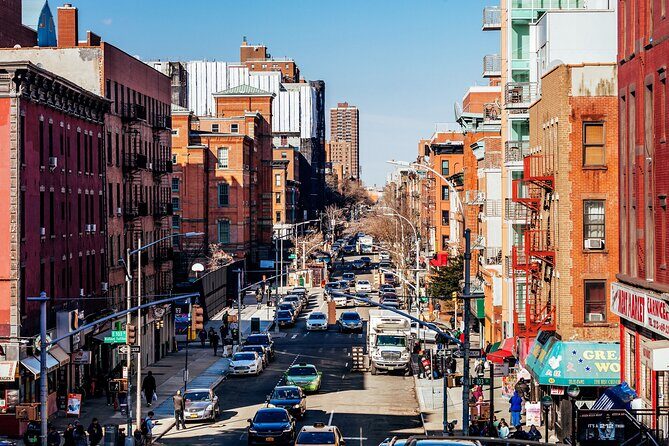
What makes the route more fun than just eating is the mix of food stops with real neighborhood wayfinding. You’ll pass Mott and Mulberry Streets, plus landmarks like the Church of the Transfiguration (completed in 1801), so the food connects to the immigrant-era story.
You’ll leave with a full belly and a clearer map of where things are—and why they’re there.
In This Review
- Key things you should notice before you go
- Walking Mott and Mulberry: where immigrant life meets today’s food
- Your first half: Chinatown tastings and the streets that shaped the neighborhood
- Food stop focus: the kind of Chinese bites you’ll actually remember
- Mei Lai Wah and Supreme Restaurant: the dumpling-and-bun core of Chinatown
- Mei Lai Wah baked buns since the late 1960s
- Supreme Restaurant for signature soup dumplings
- Doyers Street Murals and the Church of the Transfiguration: why the history stops help
- Doyers Street, the so-called Murder Alley
- The Church of the Transfiguration (completed in 1801)
- Little Italy’s sweet stop: cannoli at Caffè Palermo and Italian pastry tradition
- Cafe Roma as a classic Little Italy institution
- Pizza and Italian flavors: Nolita Pizza plus the meat-and-cheese shops
- Nolita Pizza for that New York-style slice feeling
- Di Paulo’s Fine Foods for Italian provisions
- Price and value: does $95 match the taste and the time?
- Who should book (and who should skip) this Chinatown and Little Italy food tour
- Final call: should you book this NYC Chinatown and Little Italy food tour?
- FAQ
- How long is the NYC Chinatown & Little Italy food tour?
- What is included in the tour price?
- Where does the tour start?
- Is it suitable for vegetarians, vegans, or gluten intolerance?
- What kinds of foods will I try?
- Does the tour include gratuity?
- What’s the cancellation and booking policy?
Key things you should notice before you go
- Four included tastings in two hours: You get two Chinese tastings and two Italian tastings, built into the $95 price.
- Mei Lai Wah baked buns tradition: A family bakery has been the go-to for baked buns since the late 1960s.
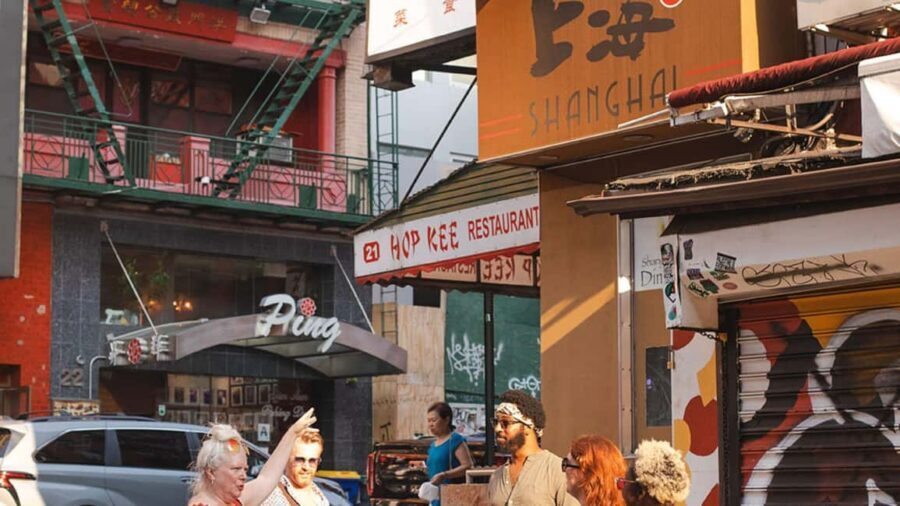
- Supreme Restaurant soup dumplings: A small, laidback Shanghainese stop known for signature soup dumplings.
- Doyers Street, aka Murder Alley: Murals and old-street character on a famously named lane.
- Church of the Transfiguration (1801): One of the anchor immigrant-group worship spots in the area for over 200 years.
- Caffè Palermo and the Cannoli King: A classic pastry shop tied to a cannoli expert for 51 years.
Walking Mott and Mulberry: where immigrant life meets today’s food
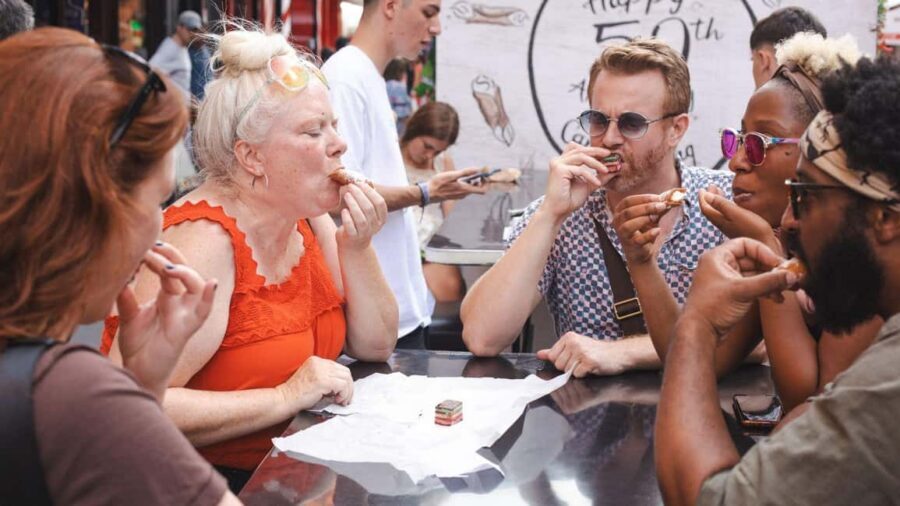
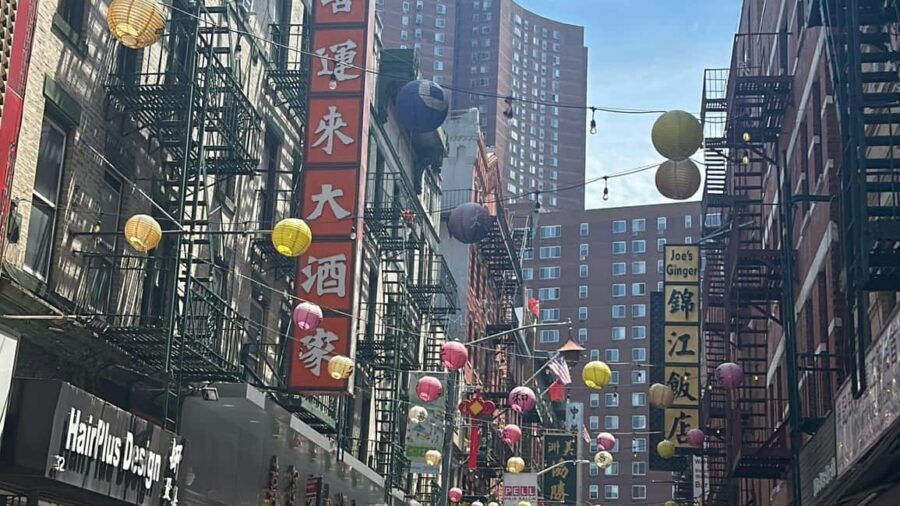
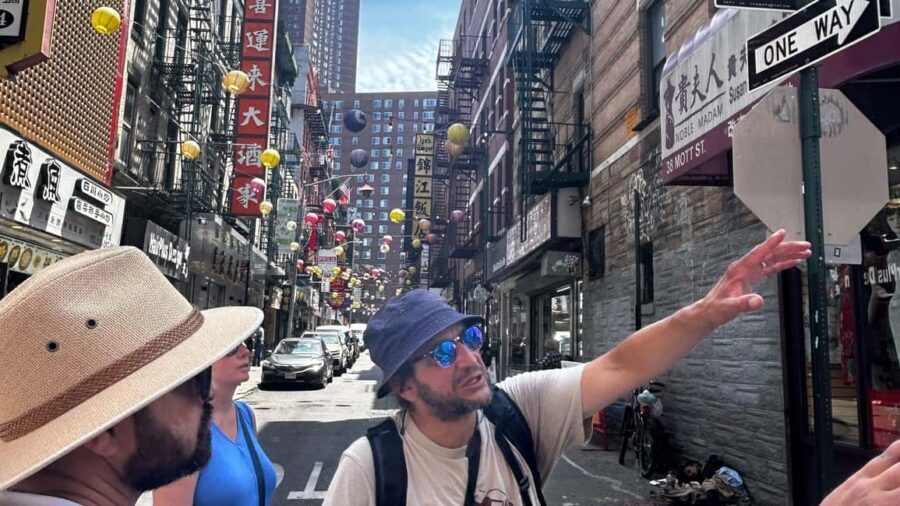
This tour starts in the Chinatown area near the Chinatown Information Kiosk at the corner of Baxter and Canal. From there, your feet do a lot of the guiding, following the shape of the neighborhood the way newcomers once did—by looking for food, friends, and familiar shops.
A big part of the appeal is the framing. You’re not just sampling dishes; you’re learning what life looked like for immigrants arriving in the 1800s, and how the neighborhood’s streets became a daily landing spot. When you later eat the Cantonese-style and Shanghai-style items on the route, the flavors feel less random. They feel like part of a system: markets, bakeries, restaurants, and community institutions.
I also like that the tour spends time on street-level anchors you can still picture from a distance. For example, Mott and Mulberry Streets are historic, but they’re also practical. You’ll get a sense of where to go later on your own—especially if you like wandering with a plan.
One more practical point: this is a short, focused tour at 2 hours. That matters in New York. You’re trading a long, tiring day for a tight hit of food plus context.
You can also read our reviews of more food & drink experiences in New York City

Your first half: Chinatown tastings and the streets that shaped the neighborhood
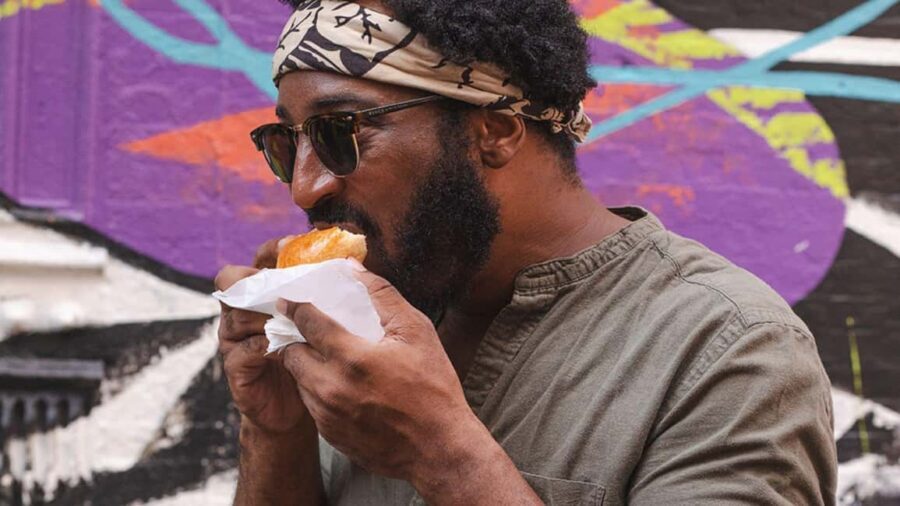
The Chinatown portion is where you’ll refine your palate with Chinese dishes tied to the area’s daily rhythms. You’ll see classic neighborhood spots and you’ll stop for tastings that fit the included format: two traditional Chinese tastings.
Chinatown in this tour isn’t treated like a theme park. It’s treated like a real food district with real businesses. That shows up in the kind of places you go to—bakeries, small restaurants, and markets that feel like locals’ go-tos.
Along the way, you’ll be guided through what to look for on the street. That can be as simple as noticing how tightly food shops cluster around main lanes, or how certain places keep their reputation over decades. It’s also where the tour’s energy helps: a lively guide makes the walking feel purposeful instead of like you’re just moving from one storefront to another.
Food stop focus: the kind of Chinese bites you’ll actually remember
This isn’t “try a little of everything” in a way that leaves you confused. It’s more like: pick a few signature styles and taste them well. That’s why the lineup matters—especially if you’ve only had Chinese-American takeout before.
If you like dumplings, you’re in luck. The tour includes items like pork buns and dumplings, and it also includes a Shanghainese stop known for soup dumplings. The result is a quick, satisfying comparison of textures: baked, steamed, and juicy soup-filled dumplings.
Mei Lai Wah and Supreme Restaurant: the dumpling-and-bun core of Chinatown
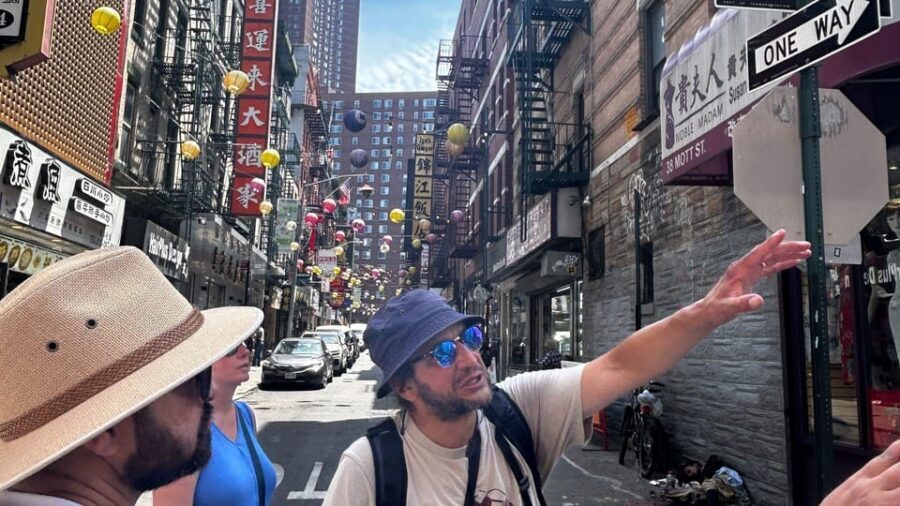
The Chinatown route has two standouts that help define the whole experience.
Mei Lai Wah baked buns since the late 1960s
One of the included Chinatown tastings comes from Mei Lai Wah, a dim sum bakery that’s been the go-to for baked buns since the late 1960s. That time depth is important. It suggests the shop didn’t rely on hype; it relied on a repeatable product and steady demand.
Baked buns also work well for a tour format. You can eat them without turning your schedule into a sit-down meal. They’re portable, filling, and easy to compare with the other dumplings you’ll sample later.
You can also read our reviews of more tours and experiences in New York City

Supreme Restaurant for signature soup dumplings
Next is Supreme Restaurant, a small, laidback Shanghainese restaurant known for its signature soup dumplings. Soup dumplings have a specific “wow” factor—hot, fragrant broth inside dumpling skin, and that moment when you take the first bite and realize the filling is more than just meat.
For me, this stop is one of the reasons to take the tour instead of doing a self-guided food crawl. A guide can steer your attention to what makes soup dumplings different and how to enjoy them, which turns an eating moment into something you’ll actually learn from.
Doyers Street Murals and the Church of the Transfiguration: why the history stops help
This tour doesn’t only cover food. It uses a few well-chosen street and landmark moments to give the neighborhood context.
Doyers Street, the so-called Murder Alley
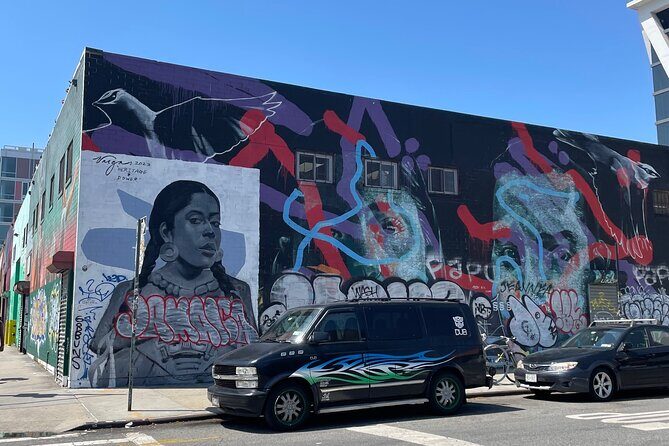
You’ll also check out Doyers St, famous in 1900 as Murder Alley, and now known for its murals and restaurants. This is a good stop because it changes your frame. You start looking at the street as a living timeline: the same lanes, different eras, different reasons people came here.
Even if you mostly care about eating, the murals help you slow down. You take a breath, look around, and remember you’re not just stuffing your face—you’re walking through layers of New York.
The Church of the Transfiguration (completed in 1801)
Another highlight is the Church of the Transfiguration, completed in 1801. This little church has served as a center of worship for immigrant groups in the neighborhood for over 200 years.
Why it matters on a food tour: religious institutions and community spaces often anchor immigrant neighborhoods. They pull families together, help people find support, and keep traditions alive. When your stomach later tells you the food tastes like continuity, the landmark gives that idea a place to attach to.
Little Italy’s sweet stop: cannoli at Caffè Palermo and Italian pastry tradition
After Chinatown, the tour shifts to Little Italy, where the included tastings tilt toward Italian comfort and desserts.
You’ll visit Caffè Palermo, which has been operating since 1973 and is home to the Cannoli King of New York City for 51 years. That’s the kind of long-running specialty you can taste in your imagination before you even order. You’re not chasing a trend; you’re stepping into a craft that has survived waves of New York food fashion.
For a two-hour tour, dessert timing matters. Ending with a cannoli (and other sweets) gives the whole experience a clean finish. It also makes it easier to remember what you ate without needing to jot down notes.
Cafe Roma as a classic Little Italy institution
You may also spot Cafe Roma, a Little Italy institution owned and operated by the same family since 1891. Even if you’re not stopping for a full meal there, passing a place like that gives you a sense of what “old school” looks like in this part of Manhattan.
Pizza and Italian flavors: Nolita Pizza plus the meat-and-cheese shops
Little Italy on this tour isn’t only about sweets. It also includes Italian pizza and dessert, aligned to the included two Italian tastings.
Nolita Pizza for that New York-style slice feeling
You’ll make a stop at Nolita Pizza, a relative newcomer that still managed to earn hearts quickly. It has rave reviews on Google and became a popular spot for Instagram-worthy moments—which tells you it’s not just good, it’s memorable.
Even in a tour setting, pizza is the kind of food that communicates place instantly: crust style, sauce flavor, and the balance between cheese and toppings. If you love comparing slices across neighborhoods, this is a good way to do it without committing to a whole sit-down meal.
Di Paulo’s Fine Foods for Italian provisions
You’ll also pass Di Paulo’s Fine Foods, an importer of fine Italian meats and cheeses, family-owned and operated since 1925. This matters for two reasons.
First, it explains why Italian food culture in Little Italy isn’t only pasta and dessert. It’s cured meats, cheese counters, and the shop culture that supports home cooking.
Second, it helps you connect what you tasted on the street to what you could buy if you return on your own.
Price and value: does $95 match the taste and the time?
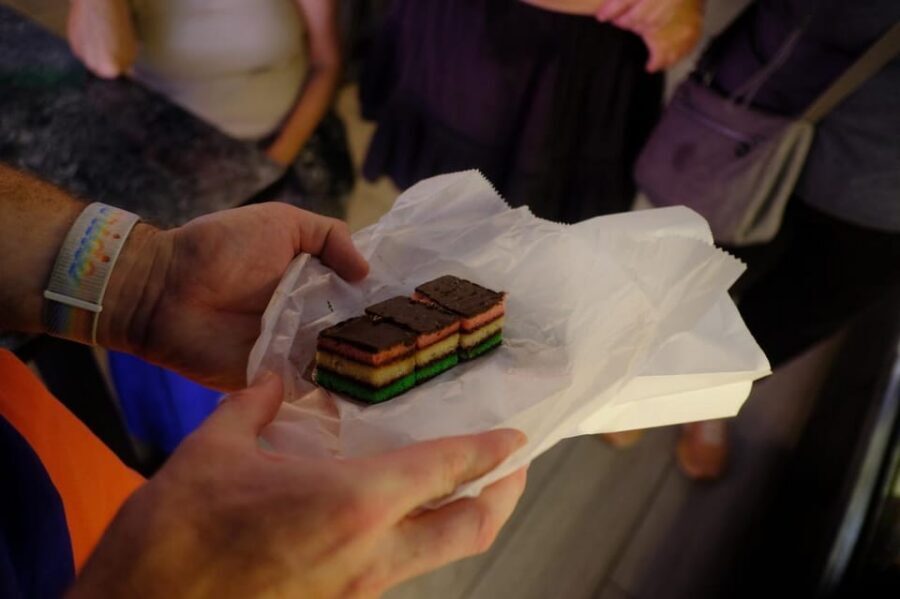
At $95 per person for 2 hours with 4 tastings included, the value comes down to one thing: you’re paying for organization as much as food.
If you try to DIY this route on your own, you’ll spend time deciding where to go and what to order. Here, the tastings are built in, and you also get a licensed, professional guide to connect the dishes to the streets you’re walking through.
Also consider what the tour avoids. It doesn’t stretch into a “maybe we’ll eat again” kind of experience. It tells you the structure clearly: two Chinese tastings and two Italian pizza/dessert tastings. That means your money buys an even bite-sized plan rather than just an entry ticket and hope.
Yes, $95 isn’t a bargain. But in a city where a single high-quality meal can cost a lot, four focused tastings plus guided walking can make sense—especially if you’re visiting for a short time and want the neighborhood map and stories as part of the deal.
Who should book (and who should skip) this Chinatown and Little Italy food tour
This tour is best for you if you want:
- A short, guided way to compare Chinese and Italian flavors
- Food stops anchored by recognizable long-running institutions like Mei Lai Wah and Caffè Palermo
- A guide who mixes food with neighborhood background, like the immigrant-era story tied to Mott and Mulberry Streets
It’s not a good match if:
- You’re vegan or vegetarian, since the tour isn’t suitable for vegans/vegetarians
- You need gluten-free options, since it’s not suitable for people with gluten intolerance
If you do eat meat and gluten is not a problem, you’ll likely have an easier time enjoying everything included.
Final call: should you book this NYC Chinatown and Little Italy food tour?
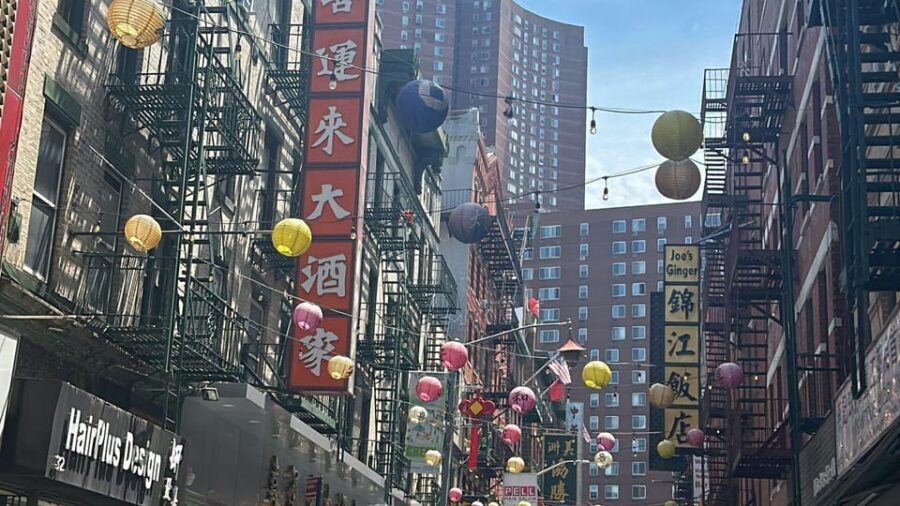
I’d book it if you want a tight, tasty plan that teaches you how these neighborhoods work on foot. The standout value is the pairing: baked buns and soup dumplings in Chinatown, then cannoli and pizza in Little Italy, all tied to landmarks like the Church of the Transfiguration and the mural-strewn Doyers Street.
Skip it if your food needs require vegan/vegetarian options or gluten-free accommodations. Otherwise, this is a smart way to spend a couple of hours in Manhattan—no car, no complicated planning, and you come away with both a belly full of food and a stronger sense of the streets.
FAQ
How long is the NYC Chinatown & Little Italy food tour?
It lasts 2 hours.
What is included in the tour price?
The tour includes two tastings of traditional Chinese dishes in Chinatown and two tastings of Italian pizza and dessert in Little Italy, plus a licensed, professional tour guide.
Where does the tour start?
The tour begins at the Chinatown Information Kiosk at the corner of Baxter and Canal Street.
Is it suitable for vegetarians, vegans, or gluten intolerance?
No. It is not suitable for vegans, vegetarians, or people with gluten intolerance.
What kinds of foods will I try?
You can expect tastings that include Chinese pork buns and dumplings, New York-style pizza, Italian gelato, and a cannoli, along with other local dessert items.
Does the tour include gratuity?
No. Gratuity is not included.
What’s the cancellation and booking policy?
There is free cancellation up to 24 hours in advance for a full refund, and you can reserve now and pay later.