REVIEW · NEW YORK CITY
PRIVATE New York Ground Zero Always Remember Walking Tour
Book on Viator →Operated by Vibe Tours · Bookable on Viator
Ground Zero lands differently when you have a real guide. This private 1.5-hour walking tour pairs a native New York guide with a personal connection to 9/11, so the sites feel specific instead of just scenic. Best of all, the group stays small, capped at 15 travelers, and you can ask questions along the way.
I also like how the walk is structured for learning. You start at St. Paul’s Chapel, move through the World Trade Center area, and finish by the 9/11 Memorial Museum entrance, with audio equipment/earpieces so you can hear the commentary clearly. One possible drawback: the tour helps you interpret what you see, but it doesn’t include museum entry tickets (or the One World Observatory), so plan for those add-ons if you want to go inside.
In This Review
- Key things I’d want you to know before you go
- Why this Ground Zero walk feels different in the real world
- Mapping your route: from St. Paul’s Chapel to the Memorial Museum doors
- Stop 1: St. Paul’s Chapel and the meaning of refuge
- Stop 2: Oculus World Trade Center for architecture plus weather cover
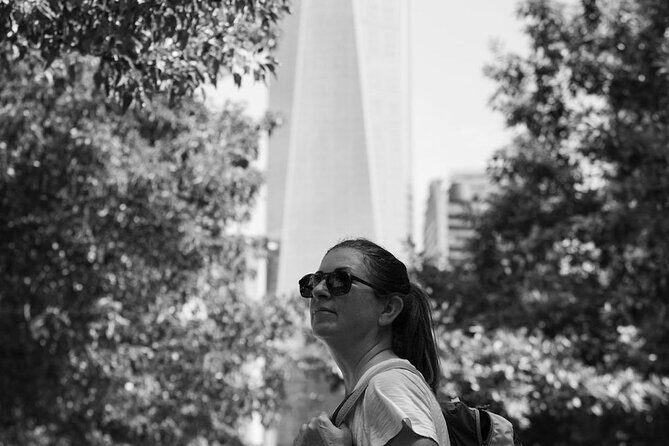
- Stop 3: One World Trade Center and the campus story you won’t get solo
- Stop 4: O’Hara’s area—Ten House, the firememorial, and first responder context
- Stop 5: Liberty Park and the Memorial Pools, plus key landmarks along the way
- What you actually get for $45—and why that price can make sense
- When I think you should book this (and when you might not)
- Should you book this Ground Zero walking tour?
- FAQ
- How long is the private Ground Zero walking tour?
- What is the maximum group size?
- What language is the tour offered in?
- Do I need to bring headphones or an audio device?
- Do I get a mobile ticket?
- Where does the tour start?
- Where does the tour end?
- Is the National 9/11 Memorial & Museum entry included?
- Is the One World Observatory entrance included?
- What is the cancellation policy?
Key things I’d want you to know before you go
- Small group (max 15): easier questions, less crowd noise, more attention from your guide
- Personal guide connection: commentary that explains why each spot mattered, not just what it looks like
- Audio earpieces included: you won’t have to strain to hear in open plazas
- Weather-smart pacing: Oculus stops can shift indoors if conditions turn
- Ends at the museum entrance: you can continue on your own without backtracking
Why this Ground Zero walk feels different in the real world
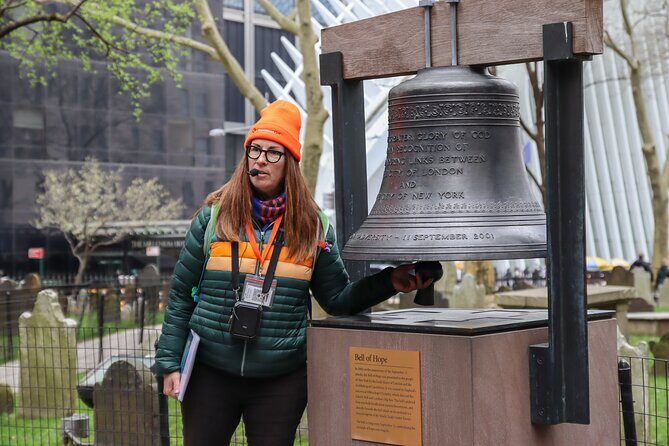
The Ground Zero area can be overwhelming fast. There’s so much to read, so many plaques, and so many angles of the story that it’s easy to just “look around” and miss the threads. This tour is designed to slow that down.
You’ll get a guided story with context, but the tone stays grounded. The stops are placed so you see both the immediate aftermath landmarks and the rebuilt WTC campus in the same flow. And because it’s a private tour with a group limit of 15, you’re not competing with a busload of people for one good question.
You can also read our reviews of more walking tours in New York City



Mapping your route: from St. Paul’s Chapel to the Memorial Museum doors
You’ll walk a tight loop that focuses on meaning, not distance. You’ll spend time at five major points, with the guide explaining what you’re looking at and why it matters. If it helps you plan emotionally, I’d think of it as two halves: first the day-after anchors, then the rebuilt campus and the memorial spaces.
The pacing also matters. The stops aren’t rushed, but they’re not so long that you feel stuck. By the end, you’ll finish near the entrance to the National 9/11 Memorial & Museum at 180 Greenwich St, and if you’ve bought museum tickets separately, your guide will help you find the right entrance.
Stop 1: St. Paul’s Chapel and the meaning of refuge
St. Paul’s Chapel is one of those places where the building and the history are tied together. Your guide explains why St Paul’s mattered on 9/11 and what role it played afterward—turning it from a landmark into a moment with weight.
What I appreciate here is how the story connects “then” to what you see now. You’re not only learning facts; you’re learning how people sought safety and support in real time. That sets a strong baseline before you move toward the larger public spaces of the World Trade Center area.
Practical note: this stop is short on the schedule (about 10 minutes), so bring a question with you if there’s something you want clarified. Even a single good question can change how you understand the rest of the walk.
Stop 2: Oculus World Trade Center for architecture plus weather cover
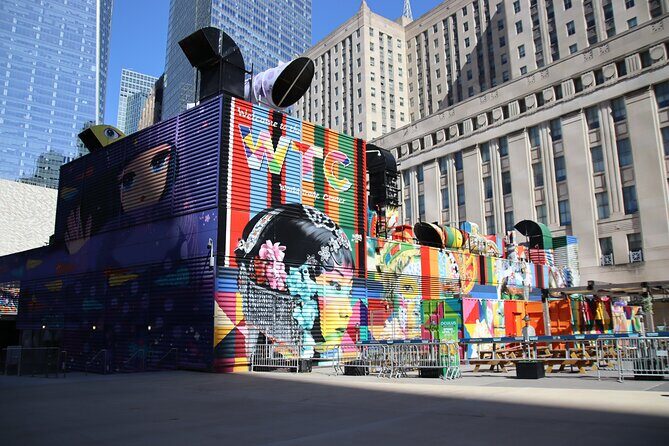
Next comes the Oculus World Trade Center. The guide usually keeps things outside first, talking through architectural features you can actually see from the public walkways. It’s a good example of how the tour balances grief with the “what’s been rebuilt and why” side of the story.
And here’s a smart detail: tours typically remain outside, but content will be covered inside the Oculus if the weather turns bad. That means your schedule doesn’t collapse into a damp, awkward pause. You still get the same commentary—just in a different setting.
A small warning to keep your expectations realistic: this is still part of a walking tour, so you’re not going inside any museums or paid attractions at this stop. The value is in interpretation, not ticketed access.
Stop 3: One World Trade Center and the campus story you won’t get solo
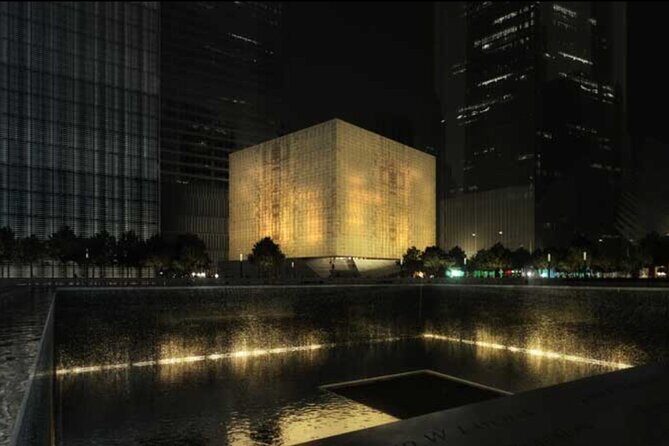
When you reach One World Trade Center, the guide shifts the conversation to the reimagined WTC campus. You’ll learn about the new buildings, and you’ll also get an explanation of what went wrong with the original structures and what improvements were made in the newly constructed skyscrapers.
This is where I think the tour can be especially helpful if you’ve looked at photos online but felt like the technical side was missing. You won’t walk away with engineering homework—but you will understand the logic behind the redesign in plain language. That gives you a different lens when you look up at the skyline.
Timing-wise, this is about 15 minutes—long enough for the guide to connect multiple buildings and points without rushing. It’s also a strong “anchor stop,” because it’s one of the easiest places to orient yourself visually as the campus rebuild continues.
You can also read our reviews of more private tours in New York City





Stop 4: O’Hara’s area—Ten House, the firememorial, and first responder context
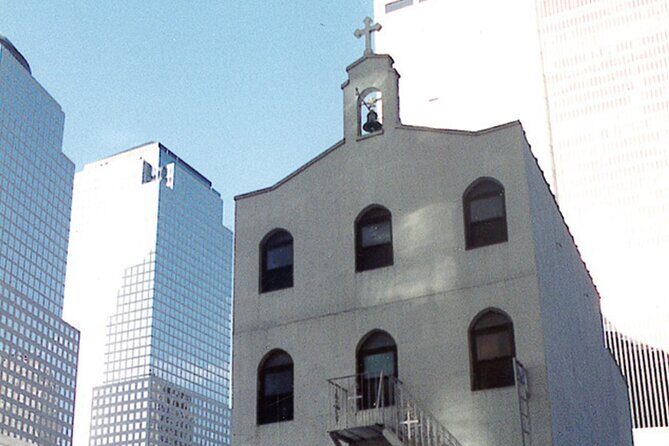
You’ll then head toward O’Hara’s Restaurant & Pub, with a focus on nearby sites tied to the first responders. The guide discusses the Ten House area and the 9/11 Fireman’s Memorial adjacent to O’Hara’s.
This stop is powerful because it brings the story down from global scale to individual roles. Even if you already know the basics, it helps to have someone explain what these spaces represent and how they connect to the people who responded.
Another small practical upside: this is a time you can mentally reset. You’re moving from the big-canvas campus view back into human details. And if you’re planning a meal afterward, this area is also a convenient point to think about options, since you’ll be near a real pub and restaurant zone.
Stop 5: Liberty Park and the Memorial Pools, plus key landmarks along the way
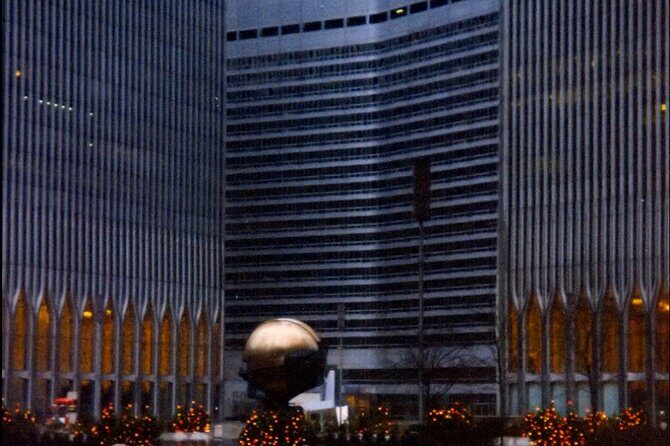
The final stop is the National 9/11 Memorial & Museum area, and it lasts about 30 minutes. That’s your longest block of time, which makes sense because this is the space most visitors want to “take in” at their own pace.
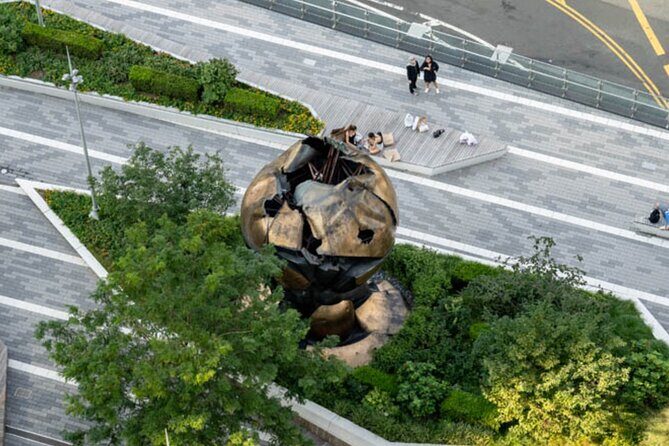
You’ll explore Liberty Park, St Nicholas Greek Orthodox Church, Koenig Sphere, The Glade, and the 9/11 Memorial Pools, with detailed information from your guide about each. This is a big part of the value: if you visit solo, you can end up reading a few signs and missing how all these pieces relate to one another. A guide helps you see the whole intentional arrangement, not just separate objects.
The Memorial Pools deserve extra respect and time. Since the tour is still about movement and commentary, you’ll likely get the guidance and orientation you need to understand what you’re looking at. After the tour ends, you can choose how long to linger at the pools and what to read in your own pace.
One caution: because this is a memorial space, the mood can be heavy. If you’re the kind of person who needs a short break to process, I’d plan your next stop (like food or coffee) thoughtfully so you don’t feel rushed out of the area.
What you actually get for $45—and why that price can make sense

The price is $45 per person for about 1 hour 30 minutes. On paper, that’s not just a “walk”—it’s a paid guide with audio and structure, plus a route that ends right where you’d likely want to go anyway: the museum entrance.
Here’s why that can be good value:
- You’re paying for interpretation, not admission. Museum entry and paid observatory access are not included, so you’re not double-paying to hear basics.
- You’re paying for clarity. The earpieces help you stay present without straining to hear in open areas.
- You’re paying for attention. A max group size of 15 makes the experience feel more like a conversation than a lecture.
What’s not included is the big financial gotcha. Museum entry tickets aren’t included, and One World Observatory entrance isn’t included either. If you plan to do both, I’d price those separately up front so you’re not surprised later.
Also, bring your own comfort basics. This is an outdoor walking tour, so comfortable shoes matter. Weather can change your experience, but the tour’s Oculus plan helps if conditions turn.
When I think you should book this (and when you might not)
This is a strong choice if you want the Ground Zero sites explained in a way that connects the past to the present. If you care about what happened, and also about how the rebuilt campus works, this route gives you both tracks without needing a separate day.
It’s also a good fit if you dislike overcrowded group tours. The small group size makes it easier to ask questions and get your guide’s focus. And since it ends near the museum entrance, it works well if you’re the type who likes to continue on your own after the guided part.
You might choose something else if you want a longer memorial-only experience, or if your main goal is museum time. This tour doesn’t include museum admission, and it’s intentionally short enough that you’re not meant to read everything inside during the walk.
Should you book this Ground Zero walking tour?
If you want to understand Ground Zero beyond the usual quick look, I think this is a smart booking. The combination of a small group, audio support, and guided context at multiple key stops makes the area easier to process and much more meaningful. The biggest “decision point” is simple: budget for museum entry separately if you want to go inside.
For many first-time visitors, this tour is the best kind of starting point. It gives you orientation, context, and questions answered early—so when you stand at the memorial pools or walk into the museum later, you’re not starting from zero.
FAQ
How long is the private Ground Zero walking tour?
It runs for about 1 hour 30 minutes.
What is the maximum group size?
The tour has a maximum of 15 travelers.
What language is the tour offered in?
It is offered in English.
Do I need to bring headphones or an audio device?
No. Audio equipment/earpieces are included.
Do I get a mobile ticket?
Yes, the tour uses a mobile ticket.
Where does the tour start?
It starts at Silverstein Family Park, Greenwich St, New York, NY 10007.
Where does the tour end?
It ends near the entrance to the National 9/11 Memorial & Museum at 180 Greenwich St, New York, NY 10007.
Is the National 9/11 Memorial & Museum entry included?
Museum entry ticket is not included. You need to purchase separately.
Is the One World Observatory entrance included?
No. One World Observatory entrance is not included and must be purchased separately.
What is the cancellation policy?
You can cancel for free up to 24 hours in advance for a full refund. If you cancel less than 24 hours before the start time, it’s not refundable.