REVIEW · NEW YORK CITY
Soul of Harlem: Strivers Row, Apollo Theatre, Gospel History
Book on GetYourGuide →Operated by Tours by Foot · Bookable on GetYourGuide
Harlem tells stories fast. This walk packs big-name music, political legend, and Sunday faith into a tight loop through some of the neighborhood’s most discussed streets, with Apollo Theatre nearby and gospel at the center on Sundays.
You’ll spend roughly two hours with a live guide, moving at a comfortable pace from landmark to landmark, with photo stops that help you connect the dots between entertainment, community life, and changing Harlem over the past few hundred years.
I especially like two things. First, the tour ties famous performers like Ella Fitzgerald and Duke Ellington to the actual streets where their influence spread—so the names feel real, not just boxed up in a textbook. Second, it doesn’t shy away from the offbeat, human side of history, like the story of Fidel Castro sleeping after being kicked out of a Midtown hotel for having chickens in his room.
That mix is part of the charm: Strivers Row meets Apollo-level showbusiness, then swings to church life without losing focus.
One heads-up: you might not get full inside access at every stop. For example, Apollo Theatre may be partially limited at times due to renovation, so plan on photos, explanations, and street-level context more than a behind-the-curtain look.
In This Review
- Key Points Before You Go
- Why This Harlem Walking Tour Feels Different
- Starting at the Apollo Theatre: Fast Orientation on Malcolm X Blvd
- Abyssinian Baptist Church: Seeing Faith as a Living Part of the Neighborhood
- The Schomburg Center: Culture, Research, and Why It Matters
- Bill’s Place and the Nearby Realities of Harlem Life
- Striver’s Row: Aspiration Written into Street Names
- The Apollo Theatre Stop: Stage History, Plus a Candid Expectation
- Ella Fitzgerald, Duke Ellington, and the Harlem Renaissance Story
- Fidel Castro and the Weirder Side of History
- Sunday Gospel Experience: What the Church Portion Adds
- The Guides: Lively, Local, and Actually Part of the Community
- Price and Value: Is $49 for 2 Hours Fair?
- What to Watch For at Each Stop (So You Get More Out of the Walk)
- Who This Tour Is Best For
- Should You Book Soul of Harlem: Strivers Row, Apollo Theatre, Gospel History?
- FAQ
- How long is the Soul of Harlem tour?
- Where is the meeting point?
- Is this tour wheelchair accessible?
- Is the gospel experience included?
- What is the price?
- Does the tour run in English?
- Can I get a refund if I cancel?
Key Points Before You Go
- A tight 2-hour Harlem loop that focuses on music, faith, and major landmarks rather than far-flung detours
- Apollo Theatre and Strivers Row in the same tour arc, so you see how entertainment and aspiration lived side by side
- Sunday gospel experience access at a local church (Sundays only), with skip-the-line entry
- Church stops you can actually visit, including a stop at Abyssinian Baptist Church with photo time
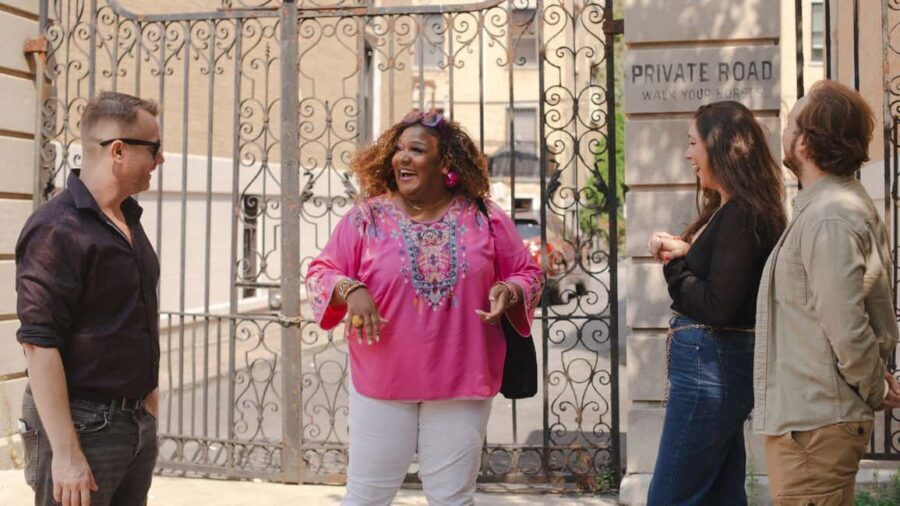
- A guide with real neighborhood ties, including guides like Altovise and Ron who are known for lively pacing and strong community perspective
- Built-in “context stops” like the Schomburg Center for Research in Black Culture and Bill’s Place to connect culture with everyday Harlem
Why This Harlem Walking Tour Feels Different

A lot of history tours in New York feel like you’re reading a script at street level. This one feels closer to moving through an actual story as it’s still unfolding. Harlem has shifted through generations—different groups, different eras, different kinds of life—yet the thread connecting music, worship, and community stubbornly holds.
You get two hours, not a half-day. That matters. It means you’ll stay focused on the most famous and most meaningful stops in a small area—places you can picture later when you’re back on your own.
And the tone is practical. The tour is designed to give you names, context, and a sense of why these corners matter—without turning Harlem into a museum piece.
You can also read our reviews of more historical tours in New York City



Starting at the Apollo Theatre: Fast Orientation on Malcolm X Blvd
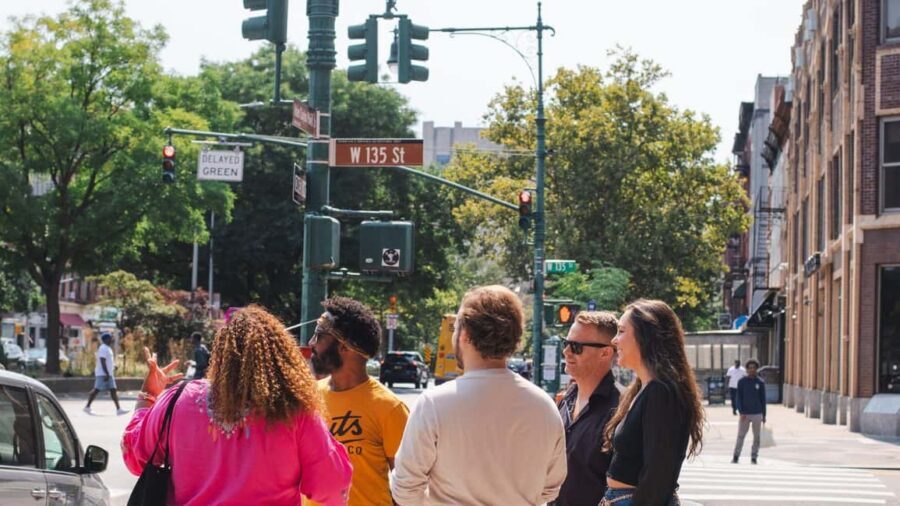
Most departures begin near the Apollo Theatre area, including the meeting point at 515 Malcolm X Blvd. Since the meeting point can vary by option, I suggest you double-check your exact start location right before you go and arrive a few minutes early so you’re not speed-walking with your group.
This starting point is smart. It immediately anchors the experience in performance—the kind of public stage where Harlem’s energy has echoed for decades. From there, the tour keeps you moving through the streets tied to the Harlem Renaissance and beyond, then reconnects those showbusiness landmarks with faith and culture.
Because it’s a walking tour, you’ll want to think about comfort in advance: bring a phone with enough battery for photos, and dress for the weather so you’re present instead of distracted.
Abyssinian Baptist Church: Seeing Faith as a Living Part of the Neighborhood
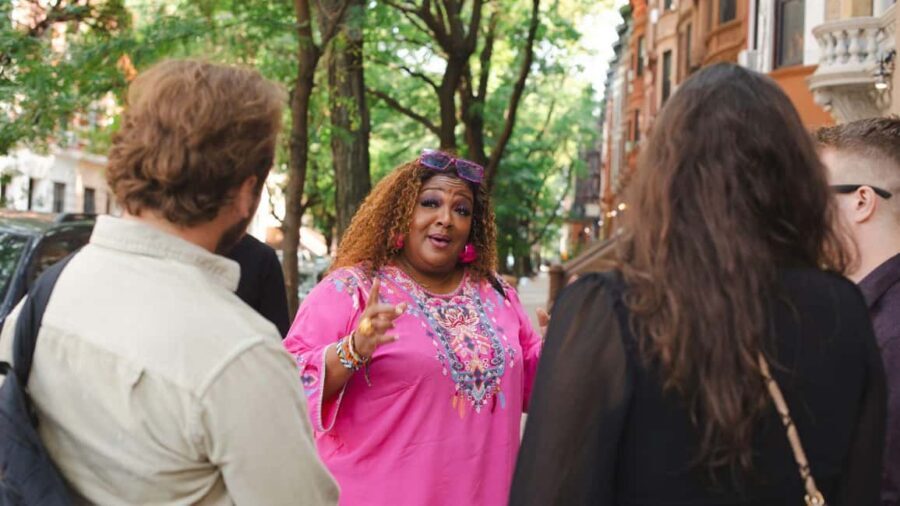
A major early stop is Abyssinian Baptist Church, with a photo stop and visit. Even if you’ve never been in a church service setting, this stop helps you understand Harlem isn’t only built around nightlife and art. It’s also built around worship, tradition, and community rhythm.
What I like about this kind of church stop is that it shifts your attention from famous people to institutions. The music you hear in Harlem’s legends didn’t appear in a vacuum. It grew in communities where the church played a role in teaching, gathering, and shaping identity.
It also sets up the Sunday gospel portion in a way that feels natural. By the time you reach that, gospel won’t just sound like a theme. It’ll feel like an actual part of the neighborhood’s day-to-day story.
The Schomburg Center: Culture, Research, and Why It Matters
Next comes a stop at the Schomburg Center for Research in Black Culture. You’ll have a photo stop and visit here, and the point is clear: Harlem’s influence isn’t only artistic—it’s also educational and archival.
This is where the tour helps you connect Harlem’s cultural legacy to something durable. Music gets remembered through recordings and performances, but culture also survives through study, collections, and institutions that preserve stories so they don’t get lost when trends change.
Even if you don’t plan to spend hours inside on your own later, having this reference point on the tour is useful. You’ll leave with a place you can come back to, and a clearer idea of why Harlem’s impact reaches far beyond the neighborhood’s borders.
Bill’s Place and the Nearby Realities of Harlem Life
You’ll also stop at Bill’s Place for a photo stop. This is one of those moments where the tour balances big-name references with more grounded Harlem geography.
Landmarks like Strivers Row and the Apollo Theatre tell you about fame and aspiration. A stop like Bill’s Place helps you remember that Harlem history also lives in everyday businesses and local gathering spaces. That balance makes the tour feel less like a highlight reel and more like a neighborhood map.
If you enjoy tours where you can picture what you might do next—grab a bite, find a music spot, or just walk with context—this stop helps you build that mental list.






Striver’s Row: Aspiration Written into Street Names
No Harlem walk focused on culture would be complete without Striver’s Row. The tour includes a photo stop here, and the name alone does a lot of work. It suggests ambition, image, and the idea that you could climb through effort—even when society made the climb harder.
I like how this stop isn’t treated like an isolated “pretty street moment.” It connects to the tour’s bigger theme: Harlem as a place where creativity and opportunity moved through the same corridors.
If you pay attention as you stand here—listening to what the guide highlights—you’ll understand why Strivers Row shows up in so many discussions of Harlem. It’s not just about architecture or addresses. It’s about what people hoped for and what they built to reach it.
The Apollo Theatre Stop: Stage History, Plus a Candid Expectation
The tour includes an Apollo Theatre photo stop. Real talk: you might not always get full inside access, especially if there’s renovation work. One very practical way to approach this is to treat the Apollo stop as a street-level story moment.
Even when access is limited, the Apollo area is still the right place to learn. The guide can connect what you’re seeing—marquee energy, theater presence, the whole performance atmosphere—to the artists linked to Harlem’s rise.
The big advantage of putting the Apollo into the same walk with Strivers Row and the church stops is continuity. You’re not bouncing between unrelated locations. You’re tracing a path where performance, community identity, and cultural leadership inform each other.
Ella Fitzgerald, Duke Ellington, and the Harlem Renaissance Story
One of the tour’s core attractions is the way it connects Harlem’s famous music names to the actual streets around you. The tour highlights that this is where Ella Fitzgerald, Duke Ellington, and other cutting-edge Harlem Renaissance players helped put American music on the world map.
What you gain from this approach is a better sense of scale. You’re not just learning that these performers mattered. You’re learning that Harlem mattered as a place that shaped the sound, nurtured the scene, and gave performers a platform.
When you hear these names placed next to specific landmarks—rather than only in a museum context—the stories start to feel less distant. You can stand on a street corner and understand the neighborhood as a driver, not just a backdrop.
Fidel Castro and the Weirder Side of History
Harlem’s history includes big art and big politics, and the tour includes a standout oddball story: Fidel Castro slept after being kicked out of a Midtown hotel for having chickens in his room.
This is the kind of detail I love because it prevents history from turning into pure solemnity. Real life is messy. Leaders make strange choices. Buildings get used in unexpected ways. That’s exactly what makes history feel human instead of remote.
If you’re the type who likes your historical tours with at least a few moments that make you laugh or shake your head, this part earns its place.
Sunday Gospel Experience: What the Church Portion Adds
If you’re doing this tour on a Sunday, the experience adds a gospel experience at a local church, with skip-the-line access. That Sunday-only detail is crucial. Gospel in this context is more than a performance you watch—it’s a worship experience you enter, and it’s timed to the rhythm of the day.
Here’s what makes this valuable: you’re not only hearing about gospel history. You’re experiencing the sound and energy that helped shape the music world. The walking portion gives context for the Sunday moment, so gospel lands with meaning rather than just volume.
Because the gospel portion includes a church setting, it’s smart to go ready to be respectful: keep your phone use in check, listen first, and take cues from the guide and the space.
The Guides: Lively, Local, and Actually Part of the Community
A big reason this tour performs well is the guide energy. Based on the names you may be assigned, you’ll see patterns: guides like Altovise are often described as funny and engaging, while Ron is noted for lively anecdotes and a steady flow of details.
What I look for in a Harlem guide is the ability to connect landmarks to lived community. On this kind of tour, that shows up in how the guide answers questions and how naturally they bring in nearby context—what’s around you now and why it matters.
If you’re the kind of traveler who loves asking follow-ups—about music, politics, or faith—this style fits. It’s not a silent march. The guide is part of the story-sharing.
Price and Value: Is $49 for 2 Hours Fair?
At $49 per person for a 2-hour walking tour, the price makes sense if you value guided interpretation. You’re not just seeing famous names—you’re getting a storyline that connects them, and the guide brings local perspective to help those names mean something where you stand.
The Sunday component matters for value. On Sundays, you get skip-the-line access to a gospel experience at a local church. That turns a standard walking tour into a music-and-faith experience you can’t easily replicate on your own without knowing where to go and how to plan your timing.
So the best way to judge value is simple: if you want context for Harlem’s music legacy and (on Sundays) a gospel service experience, $49 is reasonable for what you get in two hours.
What to Watch For at Each Stop (So You Get More Out of the Walk)
To get the most from a tour like this, I suggest you treat it like a set of prompts:
- At church stops like Abyssinian Baptist Church, listen for how the guide links faith to community identity.
- At the Schomburg Center, focus on why preservation and research matter for cultural memory.
- At Striver’s Row, notice what the guide says about aspiration and social change.
- At the Apollo Theatre stop, pay attention to the storytelling around performance—especially if access is limited.
If you go in with that mindset, the tour becomes more than a sequence of photos. It becomes a framework for your own future exploring.
Who This Tour Is Best For
This is a strong pick for:
- First-timers who want the “Harlem essentials” in a focused, walkable area
- Music lovers who care about more than just the famous names—who want the neighborhood context
- People interested in the intersection of entertainment and faith, especially on Sundays
- Anyone who likes local-guided details and a lively pace rather than a slow museum style tour
If you only want one type of experience—pure theater history, pure museum time, or pure church service—this may feel like a mix. But that mix is the point.
Should You Book Soul of Harlem: Strivers Row, Apollo Theatre, Gospel History?
Book it if you want a guided Harlem story that connects Strivers Row, the Apollo Theatre area, and gospel culture in one coherent two-hour arc—then, on Sundays, adds real gospel experience with skip-the-line access.
Skip it if you’re specifically hunting for long indoor museum time or guaranteed full Apollo interior access regardless of renovation. This is a walking tour built around landmarks, photos, and interpretation.
If that fits your style, this one is a great value way to spend a couple hours in Harlem with context you’ll actually remember.
FAQ
How long is the Soul of Harlem tour?
The tour duration is 2 hours.
Where is the meeting point?
Meeting point may vary depending on the option booked. One starting location listed is 515 Malcolm X Blvd, Apollo Theater.
Is this tour wheelchair accessible?
Yes, it is wheelchair accessible.
Is the gospel experience included?
It includes skip-the-line access to a gospel experience at a local church, but this is Sundays only.
What is the price?
The price is $49 per person.
Does the tour run in English?
Yes, the live tour guide speaks English.
Can I get a refund if I cancel?
Free cancellation is available up to 24 hours in advance for a full refund.