REVIEW · NEW YORK CITY
Before Stonewall Secret Gay History of New York City
Book on Viator →Operated by Top Dog Tours Inc. · Bookable on Viator
Stonewall casts a long shadow. This walk threads the story before Stonewall through real places in Greenwich Village, where activism, bars, and community hang together. I like how the guide builds it step-by-step, from early Sip-Ins to the Stonewall Inn area, without turning it into a rushed lecture. I also like the pacing: there are longer moments to pause for the story, plus breaks, so your legs don’t take over the experience. One thing to consider is that it is mostly walking, so cold-weather layers and good shoes help a lot.
You’ll cover a compact stretch of New York City that feels very specific when you’re there: dark bar history, street-level community, and famous corners that still shape LGBTQ life. The tour is priced at $39 and runs about 2 hours, which is a strong value when you factor in a licensed guide and multiple major landmarks in one shot.
A final note on comfort: this is a small group tour with a maximum of 25 people, so you get space to ask questions and actually hear the details. Still, in really cold weather, keep in mind devices can act up—one guide handled that by pulling up information another way, so you’re not left with blank screens.
In This Review
- Key highlights
- Entering Greenwich Village with the story in the right order
- Stop-by-stop: what each location teaches you
- Stop 1: The LGBTQ bar tied to the Sip-Ins
- Stop 2: The Stonewall Riots site, now a living landmark
- Stop 3: A major park that’s long been an LGBTQ gathering center
- Stop 4: The main thoroughfare of LGBTQ visibility in NYC
- Stop 5: A street of secret speakeasies and tearooms—now comedy, cafés, and music
- The guide really makes the difference
- Why this tour’s $39 price feels fair
- Logistics that actually matter on the day
- Who should book this and who might want something else
- Should you book Before Stonewall Secret Gay History of New York City?
- FAQ
- How long is the tour?
- What time does the tour start?
- Where does the tour start and end?
- Is the tour offered in English?
- Is there a mobile ticket?
- How big is the group?
- What is the cancellation policy?
Key highlights
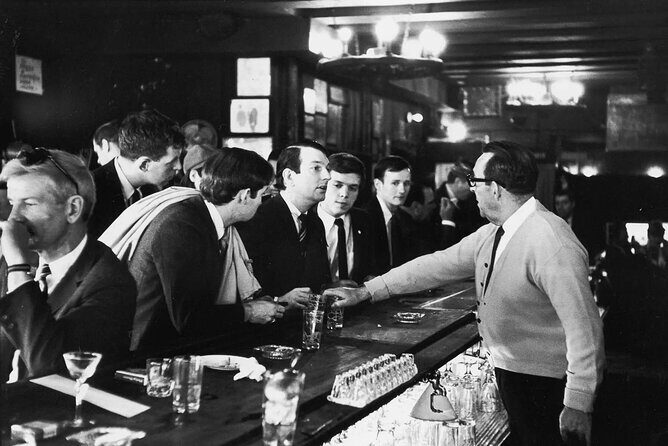
- Sip-Ins first: Learn how bar service laws shifted because LGBTQ patrons fought back before 1969.
- Stonewall-area context: Understand what made the riots so powerful, and why the site still matters today.
- Community hubs, not just dates: You’ll hit a major park that has long served as a center for LGBTQ gathering.
- Street-level visibility: See the main thoroughfare that became a public-facing stage for LGBTQ life.
- From secrecy to comedy and snacks: End the walk on a street that once hid LGBTQ speakeasies and now feeds the comedy/café/music crowd.
- Small-group Q&A: A maximum of 25 people makes the tour feel personal instead of herding.
Entering Greenwich Village with the story in the right order

This tour is designed for people who want more than a quick photo stop at Stonewall. Instead of starting with 1969 and staying there, you work backward and outward—into the bars, rules, and neighborhoods that made Stonewall possible.
That order matters because the LGBTQ movement in New York didn’t spring up out of nowhere. It was built by people showing up, pushing against unfair treatment, and finding ways to create community even when it was risky. By the time you reach the most famous site, it feels less like a history headline and more like a turning point you can understand.
The walk also hits a practical sweet spot: it’s short enough to keep moving, but structured enough that you’re not just strolling and hoping things make sense. The guide slows down at the best moments, then moves you along to the next anchor spot.
You can also read our reviews of more city tours in New York City



Stop-by-stop: what each location teaches you
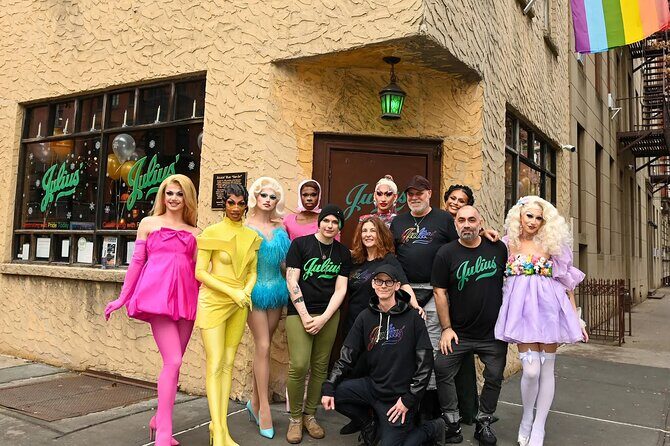
Stop 1: The LGBTQ bar tied to the Sip-Ins
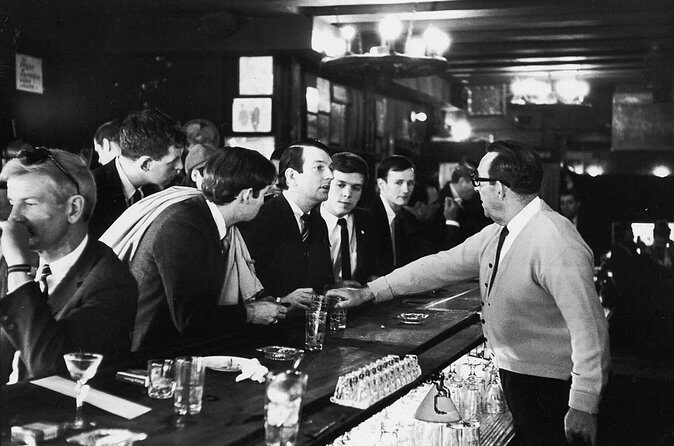
Your first stop is a popular LGBTQ bar connected to the Sip-Ins—an event that comes before Stonewall and helped change bar and restaurant service laws for LGBTQ patrons. This is one of the smartest choices for a tour like this, because it sets up the big idea: legal and social change often starts in ordinary spaces, not just at big rallies.
What I like about this opening is that it helps you see LGBTQ history as a mix of culture and strategy. A bar is a room where people gather, where norms get tested, and where unfair rules can be confronted. When the guide connects the Sip-Ins to changes in service rules, the story stops feeling abstract.
A small drawback: since you’re outside looking at a specific bar-linked location (rather than stepping inside like a museum), the atmosphere is on you. If you care a lot about seeing the interior, you might want to plan extra time on your own later.
Stop 2: The Stonewall Riots site, now a living landmark
Next you reach the location of the 1969 Stonewall Riots. Today it’s a well-known LGBTQ bar and recognized as a National Landmark, which means the site has both everyday life and formal historical weight.
This stop is where the tour usually grabs people’s full attention. You get the why behind the fame, not just the date. And yes, you’ll hear the fun-but-serious detail about the Mob owning it at one point. That kind of information helps you understand the full ecosystem around LGBTQ nightlife: it wasn’t always just activism and art—power, money, and the politics of enforcement were in the room too.
If you’re the kind of person who thinks you already know Stonewall, this is the part where you can still learn something new. The guide’s job is to connect what happened in 1969 to what came before it, and the best tours do that without turning the conversation into a timeline robot.
Stop 3: A major park that’s long been an LGBTQ gathering center
After Stonewall-area storytelling, you move to one of New York’s most popular parks. This park is described as a center of LGBTQ life and community, and on the ground you can see why. Parks are where people go when they want openness—space to meet, talk, and breathe.
This stop adds a different kind of context. Bars and streets tell you where people hung out and how they survived socially. A park shows you how community also needed public space: a place to gather that didn’t require secrecy.
Practical note: parks can be windy and colder than you expect. If you’re visiting in winter, I’d treat this as your cue to adjust layers before you get stuck in a drafty stretch.
You can also read our reviews of more historical tours in New York City



Stop 4: The main thoroughfare of LGBTQ visibility in NYC
Then you walk along the main thoroughfare associated with LGBTQ visibility in New York City. This is where the tour shifts from community as an idea to visibility as a lived experience.
The value here is not only historical. It’s interpretive: you start to notice how certain streets evolve from risky hangouts into known places—without losing all their character. The guide helps you understand how visibility changes what people can do, who feels safe enough to show up, and how culture becomes public.
A benefit for first-timers: you’ll get your bearings fast. You’ll also be able to map the movement across the neighborhood when you’re out later grabbing dinner or walking to another stop.
Stop 5: A street of secret speakeasies and tearooms—now comedy, cafés, and music
Your final stop centers on a street that used to be filled with secret speakeasies and tearooms catering to the LGBTQ community. Today that same corridor is famous for comedy clubs, cafés, music venues, and quick bites.
This contrast is exactly why this kind of tour works. The past isn’t frozen behind glass—it’s layered into the street grid. When you end here, you’re not only learning; you’re also understanding how the neighborhood transformed while still carrying echoes of what came before.
End-of-tour details are useful, too. The tour ends at Julius’ Bar at 159 W 10th St, and you’ll also stop near a gelato or ice cream option, which makes a cold-walk ending feel less like you’re leaving history behind. One detail I especially appreciate: you may also pass what used to be a gay bookstore. Even if it’s not operating as it once did, the guide’s explanation can make that corner feel like a chapter break rather than a dead end.
The guide really makes the difference
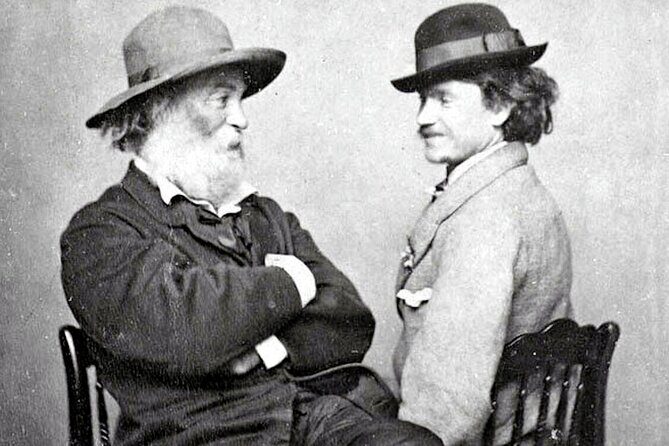
This tour is led by an expert licensed tour guide, and the difference shows in how stories are delivered. On a good run, the guide keeps pauses long enough for real understanding, while still moving at a comfortable walk pace.
Two guide names came up in the provided information—Patrick and Percy—and both are described as strong storytellers. Patrick, in particular, is credited with explaining bookstore history and bringing in some playful moments, like describing a meat rack as part of the neighborhood’s lived culture. Percy is noted for being a fantastic guide who blends education with an easygoing feel.
One more practical point from the real-world cold: if your device-based visuals seem to fail in harsh weather, the guide can still access photos and information using a phone. That matters because LGBTQ history tours often rely on visuals to show you the sites and details you can’t fully see from the sidewalk.
Why this tour’s $39 price feels fair
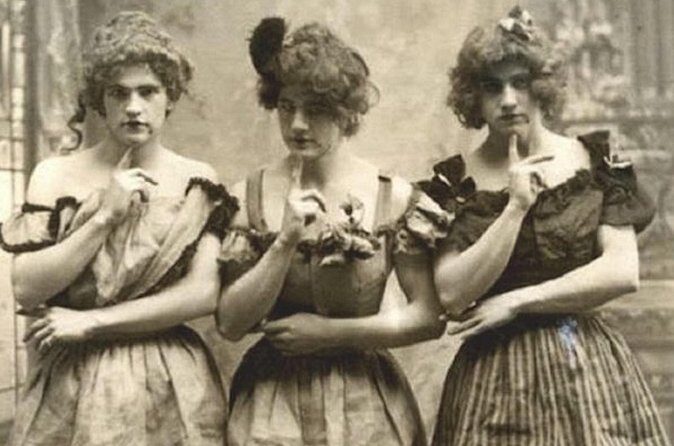
At $39 per person for about 2 hours, you’re paying for a focused, guided route through multiple anchors of LGBTQ New York story. In a city where self-guided walking can turn into a lot of guesswork, this is value-driven: you get structure, explanation, and context you’d otherwise have to piece together yourself.
Here’s how I think about the value:
- You’re covering multiple locations tied to major turning points (Sip-Ins, Stonewall Riots site, community gathering spaces, and street-level evolution).
- You’re not just hearing facts; you’re getting interpretation of how those places connect.
- The group is small enough (up to 25) that it doesn’t feel like you’re listening through a crowd.
Could you learn all of this on your own with a guidebook and a phone? Sure. But for $39, the trade is simple: less planning, more clarity, and more time enjoying the neighborhood instead of researching it.
Logistics that actually matter on the day
The tour starts at 640 Broadway, New York, NY 10012, at 11:00 am. It ends at 159 W 10th St, New York, NY 10014, with Julius’ Bar as the finish point. That ending matters because it places you near food and drink options right when you’re done walking.
You’ll also have a mobile ticket, which keeps things easy at check-in. The meeting point is near public transportation, so you’re not stuck relying on a car or private transfer.
Because this is mostly walking, I’d plan for comfortable shoes and a weather-ready outfit. The walk itself isn’t described as overboard, but your time on your feet will still add up across several stops.
Also, it’s offered in English, and most travelers can participate. Service animals are allowed, which is always good to see for real-world planning.
Who should book this and who might want something else

This tour fits best if you want:
- A short, high-impact way to learn LGBTQ New York history in one area.
- A pre-Stonewall perspective, not just the 1969 headline.
- A guided walk where pauses and explanations are built in.
You might want a different kind of option if you’re looking for a deep, museum-style experience where you spend most of your time indoors. This one is built for sidewalks, corners, and context you absorb on the move. It’s also ideal if you like hearing how neighborhood culture links to activism.
If you’re visiting for the first time, you’ll leave with a mental map and a better sense of why certain streets and spaces became important. If you already know some history, this tour can still sharpen your understanding, especially around activism before Stonewall and how laws and everyday life changed.
Should you book Before Stonewall Secret Gay History of New York City?
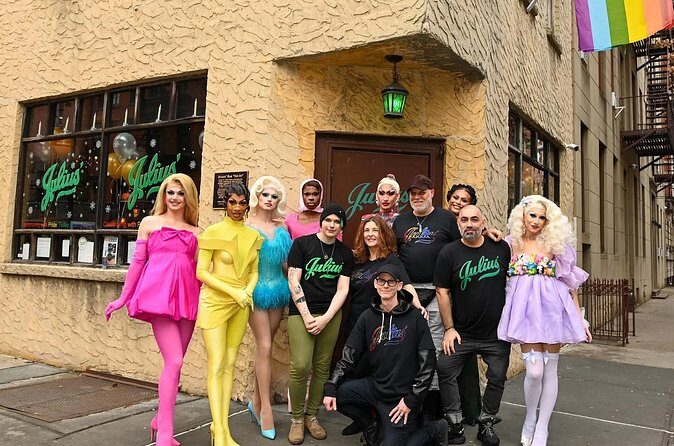
I’d book it if you want an efficient, meaningful way to understand LGBTQ New York beyond the obvious stops. The best part is the structure: you go from early action like the Sip-Ins, to the 1969 turning point, then to the spaces where community lived and visibility grew. That arc makes the neighborhood feel understandable, not random.
I’d skip it or pair it with extra time if you dislike walking or want a lot of indoor exhibits. Also, if you’re extremely into specific named venues and want a ton of interior access, this tour is more about place-based context on the street.
But for $39 and around 2 hours, with a licensed guide and a small group, it’s an honest value pick—especially if you want to get oriented in Greenwich Village and leave with stories you can connect to what you see on your own afterward.
FAQ
How long is the tour?
It runs for about 2 hours.
What time does the tour start?
The start time is 11:00 am.
Where does the tour start and end?
It starts at 640 Broadway, New York, NY 10012, and ends at 159 W 10th St, New York, NY 10014 (at Julius’ Bar).
Is the tour offered in English?
Yes, it’s offered in English.
Is there a mobile ticket?
Yes, the tour includes a mobile ticket.
How big is the group?
The tour has a maximum of 25 travelers.
What is the cancellation policy?
You can cancel for a full refund up to 24 hours before the experience starts. If you cancel less than 24 hours before, the amount paid is not refunded.