REVIEW · BOSTON
Boston: WNDR Museum Entry Ticket
Book on GetYourGuide →Operated by WNDR Museum Boston · Bookable on GetYourGuide
The WNDR Museum is a fun twist on a museum visit: you don’t just look, you move through art that reacts to you. I like the way the exhibits blend interactive installations with light-and-sound moments, so the place feels alive, not like a quiet gallery. One big draw is that you’ll run into augmented reality experiences and collaborative art that change with visitor participation.
The one drawback to plan around is the pace. At 1 hour, you can see a lot, but you probably won’t get the slow, linger-on-every-piece museum mood.
In This Review
- Quick take: key things to know
- Walking In: What the WNDR Museum Experience Is Really Like
- Where the Time Goes: The Flow of Your Visit
- Interactive Installations That React to Movement and Presence
- Light Sculptures and Soundscapes: The Best Moments to Plan Around
- Augmented Reality and Collaborative Art: How Visitors Change the Work
- The Reflection Space: Leaving Your Mark Before You Exit
- Ticket Value and Timing: Is $33 Worth One Hour?
- Who Should Book This Ticket (and Who Might Skip)
- FAQ
- FAQ
- How long is the WNDR Museum entry ticket?
- How much is the entry ticket?
- What’s included with the ticket?
- Is there a guide included?
- Do I need to stand in line to buy tickets?
- Is the museum wheelchair accessible?
- Can I cancel for a refund?
- Should You Book WNDR Museum Entry Ticket in Boston?
Quick take: key things to know
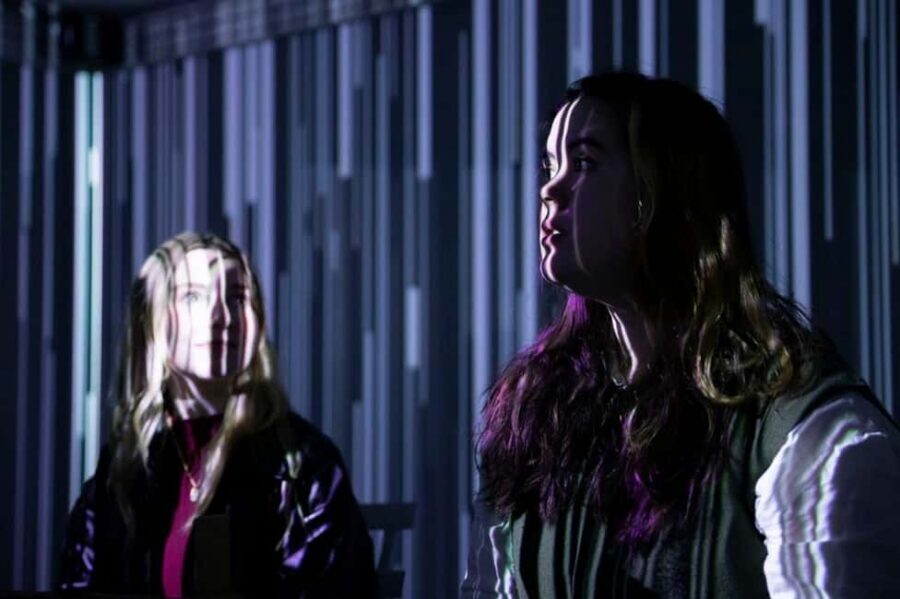
- Interactive pieces respond to you via movement, touch, and presence.
- Light sculptures and soundscapes are built to be experienced with your whole body, not just your eyes.
- Augmented reality shows up as part of the experience, not as a separate add-on.
- Collaborative art evolves based on visitor participation.
- The ending is reflective, with a space where you can leave your mark.
Walking In: What the WNDR Museum Experience Is Really Like
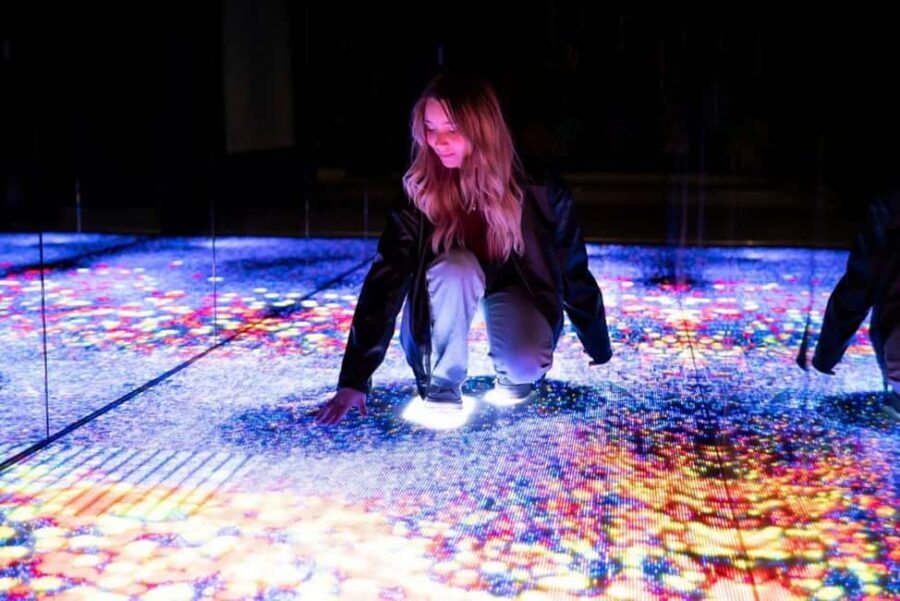
If you’re tired of museums where you take one photo and call it a day, this one hits differently. The WNDR Museum is designed around the idea that art and technology can share the same stage. The building isn’t just a container for displays. It feels like the displays are responding back—through light, sound, and visual effects that react to your presence.
I also like that it’s not pretending to be something it’s not. This isn’t a history museum. It’s a hands-on, multi-sensory art playground with tech baked into the artwork. That matters for expectations. If you like art that you can influence—at least in small ways—this is a good fit.
And since the visit is about 1 hour, you should think of it as a concentrated experience. You’ll likely want to arrive with energy, not after a long day of museum fatigue. The museum does aim to feel different as you go, and the experience can vary because new installations get added throughout the year.
You can also read our reviews of more tours and experiences in Boston



Where the Time Goes: The Flow of Your Visit

You get one entry ticket per person, and the experience is set up for roughly one hour of activity. You’ll move through a series of interactive stations and sensory environments. The museum describes the exhibits as designed by artists, technologists, and creators, which is a fancy way of saying the projects usually have both creative and technical brains behind them.
While there’s no listed guided tour, the experience still has a natural arc:
- Early on, you get pulled into the interactive basics—things that respond when you’re near.
- In the middle, you hit larger light and sound moments, including interactive light sculptures.
- Then you’ll encounter augmented reality experiences and collaborative art pieces where your actions matter.
- The visit finishes in a space built for reflection and creativity, where you can leave your mark.
That last part is the most “museum” feeling, even though it’s not a traditional gallery. It’s more like the museum gives you a button to press—literally or figuratively—that says you were here, and you helped shape the atmosphere.
Interactive Installations That React to Movement and Presence
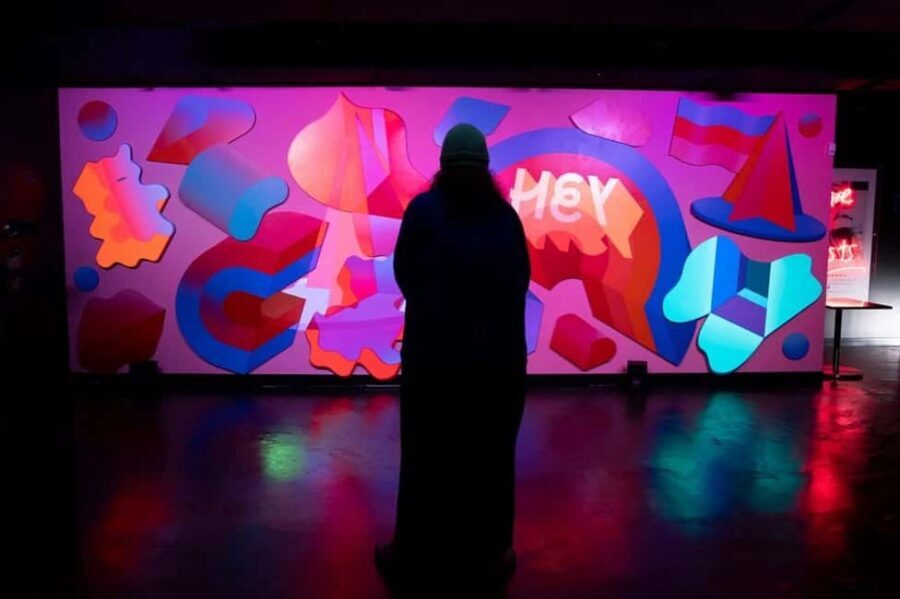
This is the heart of the experience, and it’s where I think the museum delivers the most value for your time. The exhibits are designed to respond to your movements, touch, and general presence. That means you’re not waiting politely for a screen to change while you stand still. You’re part of the input.
What to do as you go:
- Slow down for the pieces that react to you. If you walk past too fast, you’ll miss the cause-and-effect.
- Move naturally. These systems are built for real visitors, not lab experiments.
- If something looks inactive, try repositioning—step closer, change your angle, or pause for a few seconds.
Also, the museum is set up for multi-sensory input. Sound and light aren’t just background effects. They’re part of the “language” of each installation. When it’s working, your brain starts to understand the exhibit as a conversation: your position and motion influence what you see and hear.
If you’re traveling with kids, teens, or anyone who likes to play, you’ll love how much interaction is built into the space. If you prefer quiet, sit-and-read museum time, you might find the constant responsiveness a bit energetic—but for many people, that energy is the point.
Light Sculptures and Soundscapes: The Best Moments to Plan Around
The museum’s standout sensory ingredient is its blend of bright light displays and full soundscapes. This isn’t “look at lights.” It’s more like the museum choreographs your attention with visuals and sound that shift as you move.
Practically, this is the part where photos can be tricky. Many of these installations depend on timing and interaction. If you focus only on your camera, you’ll miss the experience changes happening in your body space—how the sound swells when you step into a zone, or how light patterns respond as you pass.
My advice: do a quick photo, then step back and experience it. Think of it like a live performance. You don’t need to document everything to enjoy it; you just need to show up and participate.
The museum is also described as dynamic, with new installations added throughout the year. So if you visit in a different season than someone else, you might see different pieces or different variations. That makes it a place you can return to without feeling like it’s always the same loop.
Augmented Reality and Collaborative Art: How Visitors Change the Work
One of the most interesting parts is the presence of augmented reality experiences. Instead of AR being a separate gadget station, it’s integrated into the museum’s flow. That’s important because it keeps attention on the artwork rather than on learning a new device routine.
You can also expect collaborative art pieces that evolve with visitor participation. That means the work isn’t purely one-person interaction. It responds to other people too—so your experience can feel slightly different depending on the crowd and timing.
How to get the most out of these sections:
- Be ready to interact with whatever the museum gives you—screens, overlays, or shared inputs.
- If you’re unsure what to do, give it a moment. Many of these installations use subtle cues tied to your actions.
- Try one interaction, then adjust your approach if it doesn’t seem to work the way you expect.
If you like social activities but don’t want to hunt for a group tour, these pieces can scratch that itch. You’re still in a public setting, but it’s not awkward. Your participation is part of the artwork.
You can also read our reviews of more museum experiences in Boston





The Reflection Space: Leaving Your Mark Before You Exit
Every good “active” art space needs a landing pad, and the WNDR Museum includes one. Your journey concludes in a space designed for reflection and creativity, where you can leave your mark on the museum.
That matters more than it sounds. After you’ve been moving through tech-driven installations, a final quiet-ish zone helps your brain stop bouncing. It also gives the experience a sense of closure. You’re not just leaving with photos. You’re leaving with a contribution, even if it’s small.
If you’re the type who likes meaningful souvenirs but not clutter, this kind of leave-your-mark moment is a good alternative. It’s also a nice way to keep the visit from ending abruptly.
Ticket Value and Timing: Is $33 Worth One Hour?
At $33 per person, you’re paying for a one-hour, high-interaction art environment. That price can feel like a lot if you’re comparing it to a traditional museum with multiple rooms and long hours. But it makes more sense when you think about what you’re buying: access to tech-driven installations that respond in real time, plus AR and collaborative moments.
Here’s how I think about value:
- If you enjoy interactive things, the ticket can feel fair because the experience is designed around participation, not passive viewing.
- If you hate noisy sensory environments or prefer reading and walking slowly, you might feel rushed in one hour, and the cost per minute rises in your head.
Timing is also key. The museum notes availability in the morning, afternoon, and evening, so you can choose based on your energy. If you want a calmer feel, you might prefer a time when you’re less likely to be tired. If you’re visiting at night, you might get more enjoyment from the light-focused parts of the experience.
One more practical note: your ticket includes skip-the-ticket-line entry. That’s real value in a place like this, where you want to get inside and start playing quickly. Also, there’s no guide included, but there is a host or greeter available in English.
Who Should Book This Ticket (and Who Might Skip)
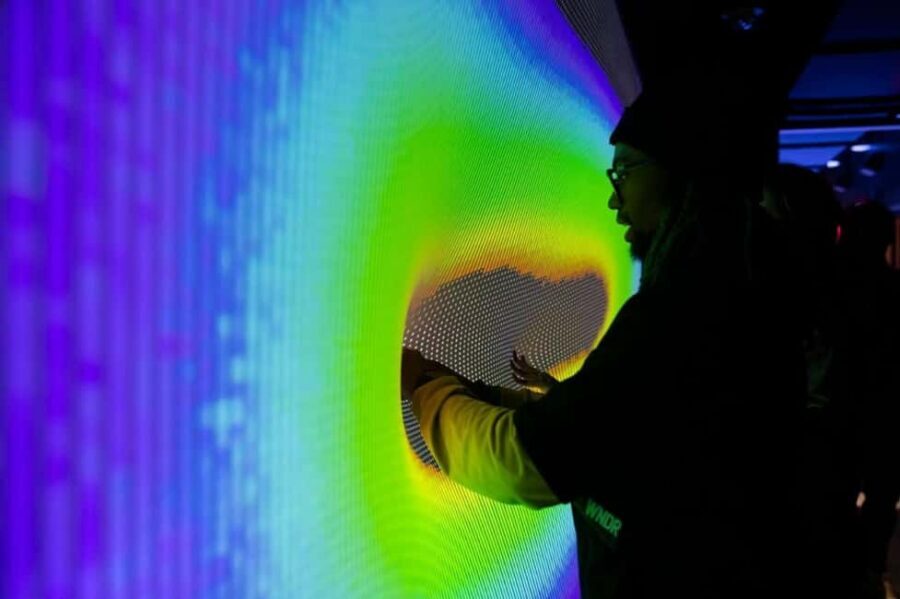
This is a great fit if:
- You like art that reacts, not art that sits quietly.
- You enjoy light-and-sound experiences more than traditional static displays.
- You want something different from a standard sightseeing day in Boston.
- You’re traveling as a couple or group and want an activity where everyone can participate.
You might think twice if:
- You’re looking for a deep, slow museum experience with a lot of reading.
- You dislike interactive art spaces that ask you to move around.
- You get overstimulated by sound and light effects.
- You only want to spend a short time and are worried about feeling rushed (even though the experience is designed to fit into one hour).
One more thing: the overall rating shown for this ticket is 3.7 based on 3 reviews. That doesn’t mean it’s bad. It means taste varies. If you’re the type who likes modern tech-art, this will likely land well. If you’re more traditional, treat it as an experiment.
FAQ
FAQ
How long is the WNDR Museum entry ticket?
The experience lasts about 1 hour.
How much is the entry ticket?
The price is $33 per person.
What’s included with the ticket?
Your ticket includes entry to the museum.
Is there a guide included?
No guide is included. A host or greeter is listed, with English support.
Do I need to stand in line to buy tickets?
No. Ticket line skipping is included.
Is the museum wheelchair accessible?
Yes, it is listed as wheelchair accessible.
Can I cancel for a refund?
Yes. You can cancel up to 24 hours in advance for a full refund.
Should You Book WNDR Museum Entry Ticket in Boston?
If you enjoy interactive art, tech-based creativity, and hands-on light-and-sound moments, I’d book it without overthinking. The $33 ticket buys you a full-sensory experience designed to work in about one hour, with AR and collaborative pieces plus a final space to reflect and leave your mark.
If you want a quiet, traditional museum with lots of context and slow pacing, you might be happier choosing something else. But if your ideal day includes modern, responsive art where you’re part of what happens, this is a smart use of time in Boston.