REVIEW · BOSTON
Sushi Making Class at a Local Brewery in Boston
Book on Viator →Operated by Classpop! · Bookable on Viator
Sushi and craft beer are a winning combo. This Boston class turns a popular brewery stop into a hands-on sushi-making session, with Chef Harold guiding you through the real steps behind rolls and flavor. You start with a warm miso soup, then build your own hand roll and inside-out roll style sushi while the brewery vibe keeps things relaxed.
I particularly like that you leave with a full meal you cooked yourself. You’re not just watching technique; you’re rolling, filling, and learning enough to feel confident recreating it later at home.
The main drawback to plan for is sound. Chef Harold doesn’t use a microphone, so if you’re not seated close, you may miss bits of instruction. The menu is also simple, so if you’re expecting a big range of rolls, set your expectations.
In This Review
- Key highlights before you go
- A Boston Brewery Makes Sushi Feel Effortless
- The 2-Hour Flow: Miso Soup, Then Temaki and Uramaki
- 1) Start with miso soup
- 2) Make hand rolls (temaki)
- 3) Make inside-out rolls (uramaki)
- Chef Harold’s Teaching Style (and How to Make Sure You Catch It)
- Ingredients That Fit Common Dietary Needs
- What You Actually Eat: A Real Sushi Meal, Not Just Snacks
- Cost and Value: Where the $75 Makes Sense
- The Venue Vibe at Long Live Roxbury
- Who This Class Suits Best (and Who Might Want a Different Option)
- Timing and Practical Stuff for a Smooth Start
- Should You Book This Sushi-Making Class in Boston?
- FAQ
- Where does the class meet in Boston?
- How long is the sushi-making class?
- How much does it cost?
- Is the class in English?
- What’s included in the price?
- Are drinks included?
- Can the class accommodate dietary restrictions?
- Is there a limit on group size?
Key highlights before you go
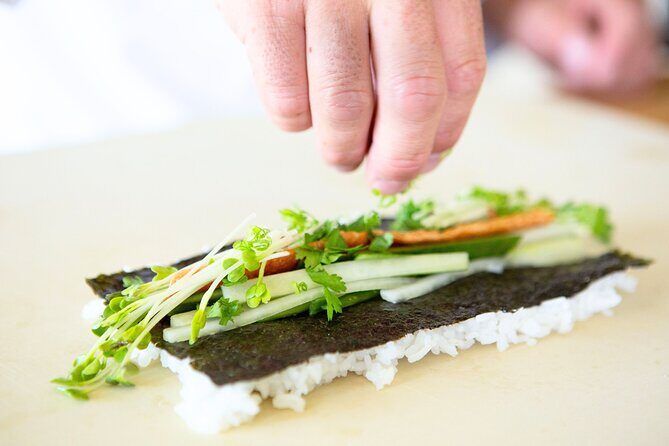
- Chef Harold’s hands-on guidance for both temaki and uramaki, with lots of practical tips
- You make and eat the full meal, starting with miso soup and moving into multiple rolls
- Brewery setting at Long Live Roxbury, plus craft beer available to buy during the class
- Gluten-free, nut-free, dairy-free friendly ingredients, and dietary needs can be tailored if you tell them in advance
- Small group feel with a maximum of 25 people, so you can actually follow along
- No microphone, so choose a seat near the chef if you want clear instruction
A Boston Brewery Makes Sushi Feel Effortless
If you’ve ever wondered whether sushi-making classes feel stiff or intimidating, this one is built for the opposite mood. It takes place at Long Live Roxbury at 152 Hampden St in Boston (right in the Roxbury area) and runs for about two hours. The setting matters: a local brewery environment keeps the focus on doing, not performing.
There’s also something smart about coupling food craft with a beer bar. You’re learning technique, but you’re doing it while listening to normal conversation levels and sipping what you like (beer is available for purchase). That combination helps the class feel friendly, even if your sushi skills are brand new.
You’ll meet at the brewery and the experience ends back there. It’s a clean, easy loop for a midday activity with a start time of 12:00 pm. And since you get a mobile ticket, you’ll want to have your phone charged when you head out.
You can also read our reviews of more drinking tours in Boston


The 2-Hour Flow: Miso Soup, Then Temaki and Uramaki
This class is structured so you get an actual sense of progress. You don’t just jump into rolling; you begin with something comforting and forgiving: miso soup.
1) Start with miso soup
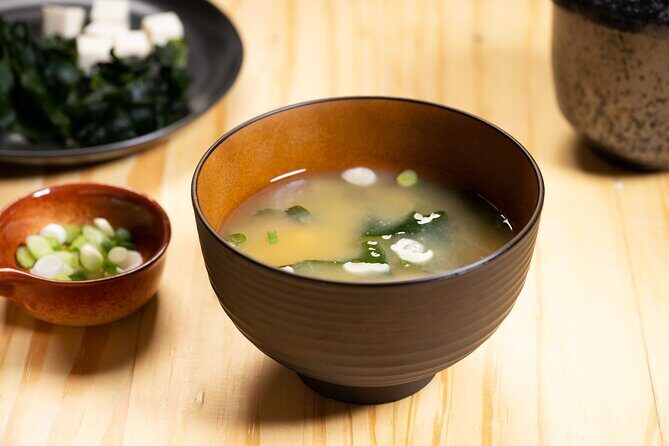
You begin by preparing a warm bowl of miso soup made with miso paste, dashi, and wakame seaweed. This is a great warm-up because it teaches you that “dashi + miso” is a core flavor foundation. It also gives you something to do right away while the room gets comfortable.
Practical angle: miso soup is less fussy than rolling techniques, so it helps you settle in quickly. If you’ve never worked with Japanese ingredients before, this step gives you a quick win.
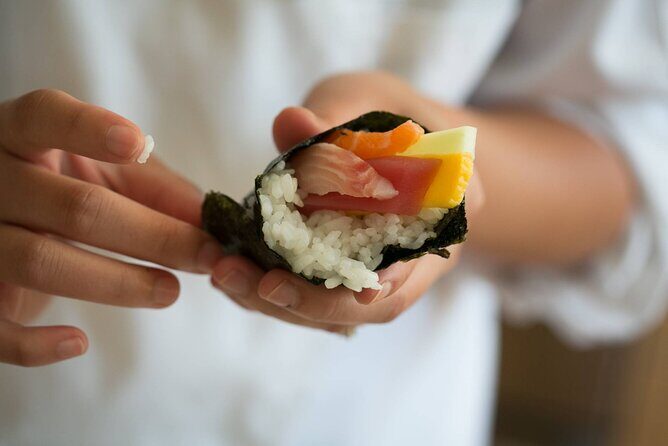
2) Make hand rolls (temaki)
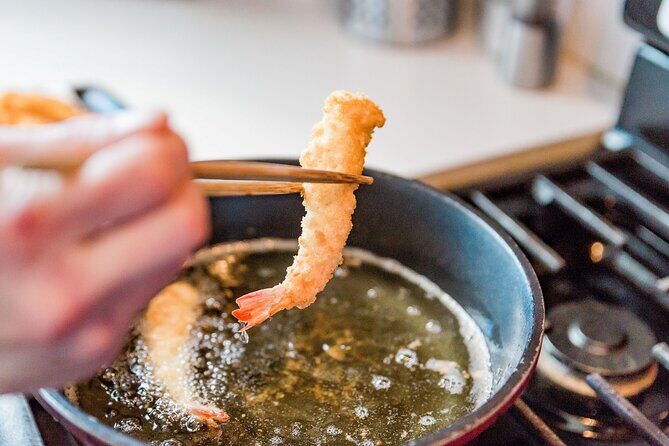
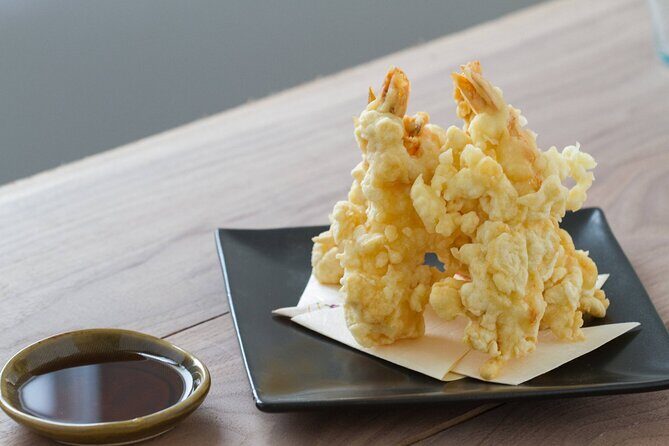
Next comes temaki, the hand roll style. Your sample menu includes a shrimp tempura hand roll and a sweet potato hand roll.
What I like about starting with hand rolls is that they’re naturally forgiving. You can adjust the shape as you go. Also, nori is easier to handle when you’re forming a roll by hand instead of flipping precision rolls.
Your ingredients for the hand rolls include nori and sushi rice, plus the fillings listed above. Even if your first one looks a little imperfect, you’ll still get a roll you can eat right away.
3) Make inside-out rolls (uramaki)
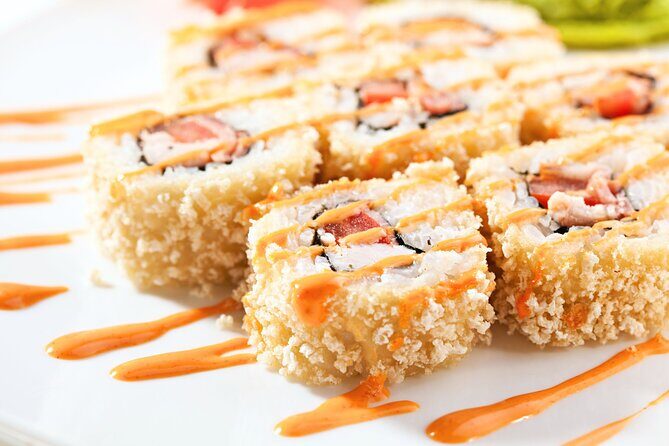
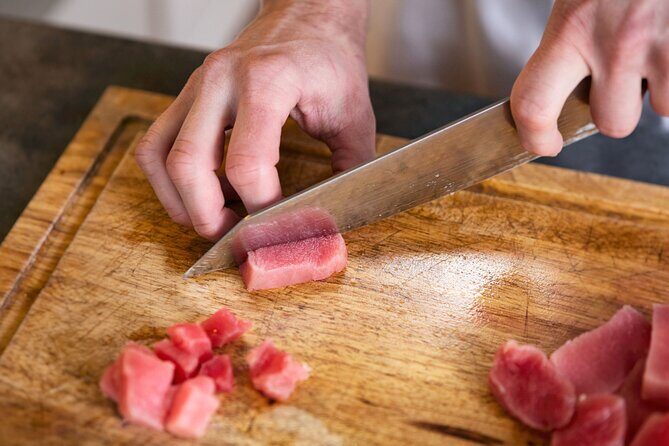
Then you move to inside-out rolls, or uramaki. Your sample menu calls for a spicy tuna roll.
Inside-out rolls are where many classes lose people, because everything needs to stay together: rice distribution, filling control, and how you finish the roll. The good news here is that you’re doing it in a small group setting with expert guidance. That means if something starts to go sideways, you can ask and get corrected while there’s still time to try again.
Also, inside-out rolls are what many home cooks want most. Learning them here makes the whole class feel more future-proof.






Chef Harold’s Teaching Style (and How to Make Sure You Catch It)
Chef Harold shows up as the standout in the class experience. People praised his instruction, and they also noted that the venue is beautiful. In one of the details that really matters for you: he doesn’t use a microphone.
That affects comfort and learning. If you’re seated farther away, the explanation can be hard to hear. The fix is simple: try to position yourself close to the chef so you can follow steps without guessing. If you can’t control seating, it’s still worth going in with a calm mindset and leaning on the hands-on part—rolling and assembling will guide you even if you miss one line of explanation.
One more small benefit: you’ll get real context about the food industry from the chef’s experience. That kind of background can make the techniques feel more meaningful instead of random tasks.
Ingredients That Fit Common Dietary Needs
This class is set up with dietary flexibility in mind. The experience specifically mentions using gluten-free, nut-free and dairy-free ingredients. That’s a big deal if you’ve ever struggled to find sushi experiences where you don’t have to worry about hidden allergens.
Also, the class is designed to accommodate a variety of dietary needs. If you have restrictions, you should let them know in advance so they can tailor the experience as best they can.
A quick, practical note: even with “gluten-free” and “dairy-free” ingredients, always plan for the fact that sushi includes several components (rice, seaweed, fillings, sauces). If you have a severe allergy, you’ll want to be extra clear when you book and confirm details ahead of time.
What You Actually Eat: A Real Sushi Meal, Not Just Snacks
One of the best value points here is that you eat what you make. The class isn’t just a demo followed by a pass-the-time tasting. You work through miso soup and roll making, and then you enjoy a meal built from your own effort.
From a money-and-time standpoint, that matters. Many food classes feel like a hands-on activity where the food is secondary. This one treats the meal as the main event. For $75, you’re paying for instruction, ingredients, tools, and the end result—your sushi.
That also shapes your expectations: your meal may feel simpler than a full restaurant menu, but it’s built around the core skills you came for. You’ll get hands-on practice with the exact roll types you want to learn.
Cost and Value: Where the $75 Makes Sense
Let’s break down the pricing logic in plain terms.
- Price: $75 per person
- Duration: about 2 hours
- Included: the hands-on class, ingredients and cooking tools, and the meal you cook
- Drinks: available for purchase at the bar, from about $3 to $20
So what are you paying for? You’re paying for an instructor-led experience plus all the ingredients and supplies that make rolling possible. You’re also paying for time with Chef Harold in a group that’s limited to 25 people.
If you compare that to what you’d pay for sushi plus a class separately, the bundled approach looks much more reasonable. You’re getting the technique and the food in one stop, which is exactly where food experiences tend to justify their cost.
Budget tip: if you want beer with your meal, plan for it. Drinks are not included, and the price range is fairly broad. Set a small limit before you arrive so you can enjoy the class without turning it into an expensive brewery night.
The Venue Vibe at Long Live Roxbury
This is a public brewery setting, and the atmosphere is part of why people like the experience. It’s laid-back, community-focused, and designed for hanging out—so your sushi class doesn’t feel like a formal classroom.
That matters more than you’d think. Sushi rolling needs focus. You also need patience. A relaxed space helps you slow down, follow steps, and accept that your first roll might not look perfect.
It’s also a good sign that the class is capped at 25 people. Smaller groups are where you actually get help. Big classes can turn into a watch-and-hope situation. Here, the structure supports participation.
Who This Class Suits Best (and Who Might Want a Different Option)
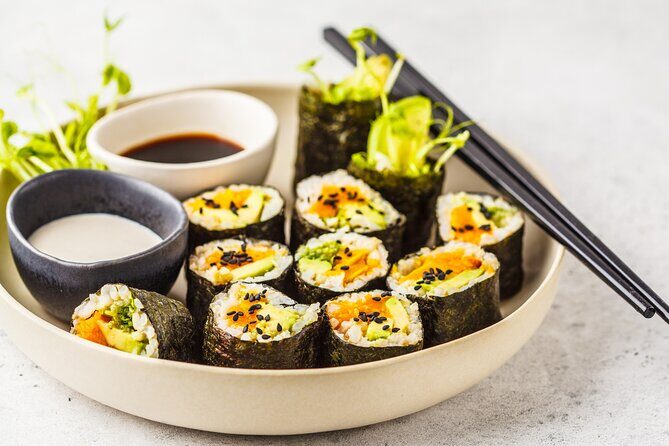
This works especially well if you want a social activity that doesn’t turn into a random restaurant dinner. It’s a strong pick for:
- Date nights where you want something interactive
- Friend groups who like hands-on experiences
- First-timers who want a guided introduction to both temaki and uramaki
- People with dietary restrictions who want sushi without as many common allergen problems, since the experience uses gluten-free, nut-free, dairy-free ingredients and can tailor for needs
It may be less ideal if you hate the idea of not hearing every instruction clearly. Since Chef Harold does not use a microphone, your learning depends partly on where you sit. You can manage that by choosing a seat close to the chef at the start.
If you’re hoping for a long list of different rolls and a huge menu variety, keep expectations in check. The class centers on a set menu that teaches key skills.
Timing and Practical Stuff for a Smooth Start
This is a 12:00 pm start, and the whole thing runs roughly two hours. That makes it a good plan for a midday food-focused activity—one you can pair with a casual walk after.
A few practical moves that will help:
- Arrive a bit early so you can get oriented and find a seat close to the chef
- Bring a phone charger or power bank since you’ll use a mobile ticket
- If you have dietary needs, mention them in advance so the team can tailor the experience
- If you want beer, decide before you sit down. Drinks are extra and can add up quickly
If you’re booking and you’re unsure, free cancellation is available up to 24 hours before the start time for a full refund. That takes the stress out of committing.
Should You Book This Sushi-Making Class in Boston?
I think it’s a smart buy if you want the real experience of making sushi, not just eating it. The best reason to book is simple: you’ll cook a full meal and learn two major roll styles—hand rolls and inside-out rolls—under Chef Harold’s guidance. The brewery setting adds comfort, and the dietary-friendly ingredient approach is genuinely useful if you’ve had problems with other sushi experiences.
I’d hesitate only if you need constant, crystal-clear lecturing. Because there’s no microphone, you’ll want to position yourself near the chef to get the full benefit of his tips. Also, if you want a wide menu with lots of different options beyond those rolls, this may feel too focused.
If you like hands-on food, enjoy a casual brewery atmosphere, and want a weekend skill you can actually repeat at home, this class is worth booking.
FAQ
Where does the class meet in Boston?
You start at Long Live Roxbury, 152 Hampden St, Boston, MA 02119. The experience ends back at the meeting point.
How long is the sushi-making class?
It runs for about 2 hours.
How much does it cost?
The price is $75.00 per person.
Is the class in English?
Yes, the experience is offered in English.
What’s included in the price?
The class includes the hands-on instruction, all ingredients and cooking tools, and the meal you cook yourself.
Are drinks included?
No. Drinks are available to purchase at the bar, with prices ranging from $3 to $20.
Can the class accommodate dietary restrictions?
It’s designed to accommodate a variety of dietary needs. If you tell the team in advance, they’ll do their best to tailor the experience to your preferences and restrictions.
Is there a limit on group size?
Yes. The maximum group size is 25 travelers.