REVIEW · BOSTON
Freedom Trail: Small Group or Private 2 Hour Walking Tour
Book on GetYourGuide →Operated by Boston By Foot · Bookable on GetYourGuide
Boston history gets real on a sidewalk. This Freedom Trail tour is short, guided, and built around the story behind the Boston you know and the America people were starting to argue into existence.
What makes it especially interesting is the focus on the Revolution years just before the big break. You’ll hear lesser-known context around the events people usually lump together, including the famous Tea Party moment and how printed words helped whip up anger. I like that it’s not just dates and names; it’s cause-and-effect.
Two things I really like: the small private group (up to 2), which keeps the pace human and the questions welcome, and the way the guide connects Boston’s downtown to North End history so the rebellion feels local, not like a textbook. One possible drawback: it’s only 2 hours, so if you’re hoping for every major Freedom Trail stop or a long sit-down museum moment, you’ll need to pair this with extra self-guided time.
In This Review
- Key highlights you’ll notice fast
- Freedom Trail stories land better when you walk them
- Meeting at Tremont and Beacon by King’s Chapel
- What you actually cover: downtown to the North End in 2 hours
- The Tea Party moment and March 5, 1770: decide for yourself
- Paul Revere and the power of fast messaging
- Boston didn’t just rebel. It changed.
- The kind of guide you hope for: stories that stick
- Private group up to 2: value, pace, and who it suits
- Price: $20 per person, and why it can be a smart use of time
- Ending at Copps Hill Terrace: a calmer finish with perspective
- Should you book this Freedom Trail private 2-hour tour?
- FAQ
- How long is the Freedom Trail small group or private walking tour?
- Where does the tour start and finish?
- How much does the tour cost?
- Is this tour private or small group?
- Is the tour wheelchair accessible?
- What language is the live tour guide?
Key highlights you’ll notice fast
- Private pacing for up to 2 people, so the guide can respond to what you care about.
- Start near King’s Chapel and end at Copps Hill Terrace, giving the walk a clear arc.
- Tea Party and March 5, 1770 explained with room for your own judgment.
- Paul Revere’s messaging and the role of Boston printing in shaping public feeling.
- Economic, environmental, and social change tied directly to why rebellion took hold.
- A finish point at Copps Hill Terrace that helps you end with perspective, not fatigue.
Freedom Trail stories land better when you walk them
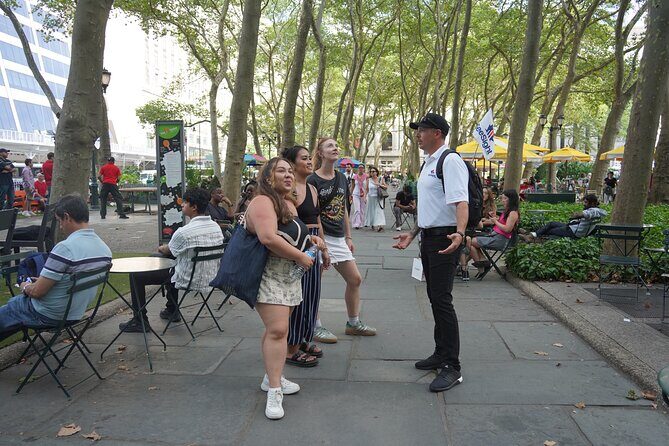
Freedom Trail sites can feel like a list. On foot, you start to feel how the neighborhood layout and the working city shaped what people said, feared, and protested. You’re not just seeing buildings, you’re moving through the same kinds of spaces where arguments could spread quickly.
This tour is designed for that exact effect: you get a guided walk through historic downtown and into the North End. You’ll see important locations tied to the years leading up to the American Revolution, then stitch those moments together into a clearer picture of how democracy took roots.
You can also count on the guide to bring in the “why.” The story is framed around people and events that helped ignite a nation, but also around the pressures that made those events believable to the locals living through them.
You can also read our reviews of more walking tours in Boston



Meeting at Tremont and Beacon by King’s Chapel
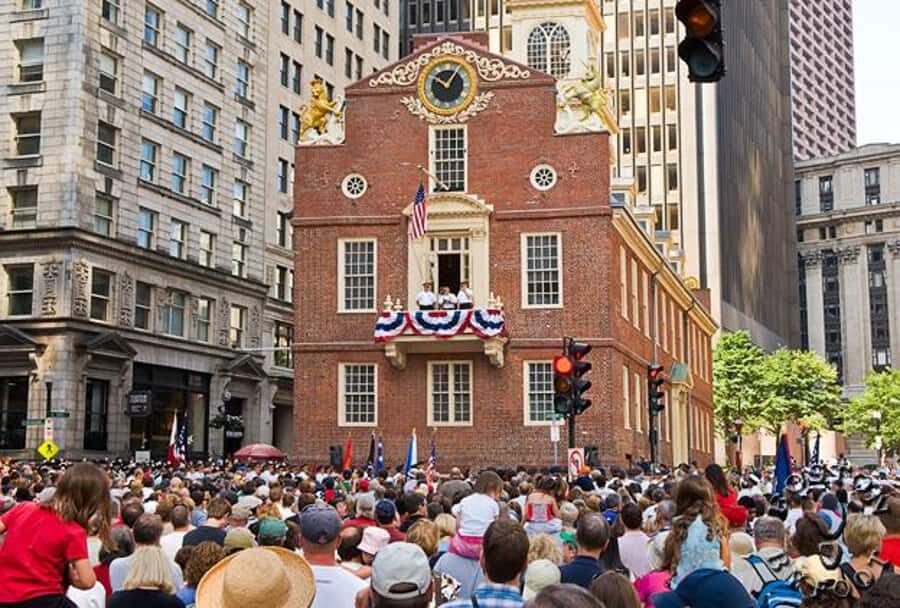
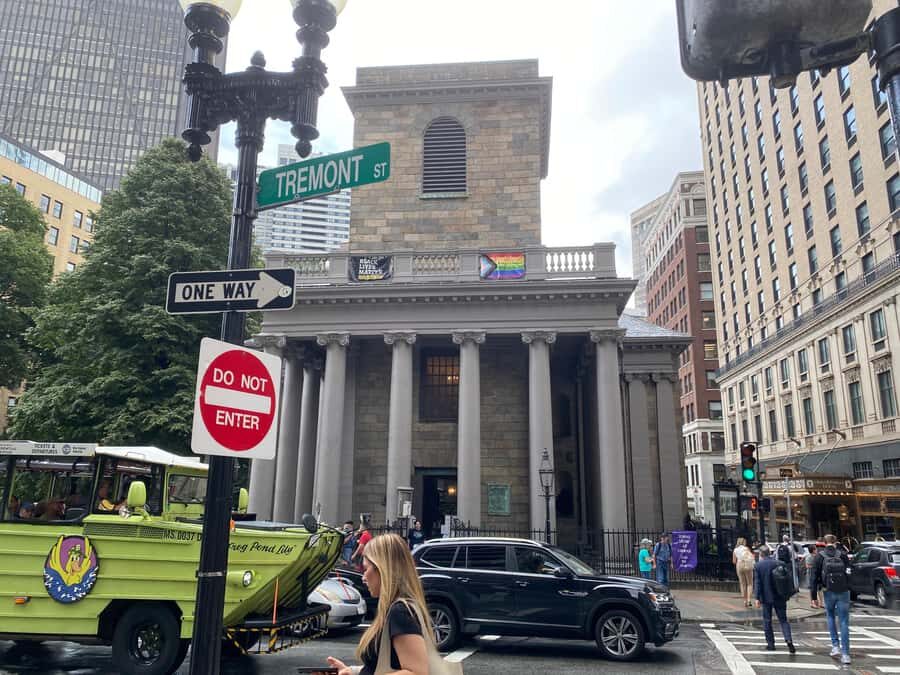
Your tour starts at the corner of Tremont and Beacon streets, across from King’s Chapel. That matters because it’s a central, recognizable anchor point, and it helps you get oriented quickly before you start walking.
You’ll begin at One Beacon Street and then move from there on a steady, guided route. The meeting time is scheduled, so plan to arrive about 10 minutes early; the walk is timed and the guide won’t wait around for a late start.
If you’re the type who likes to know where you’re going before you set off, this is one of the easier starting setups. You’re in a walkable historic core, and you’re not fumbling for a hidden back entrance or a complicated transit transfer.
What you actually cover: downtown to the North End in 2 hours
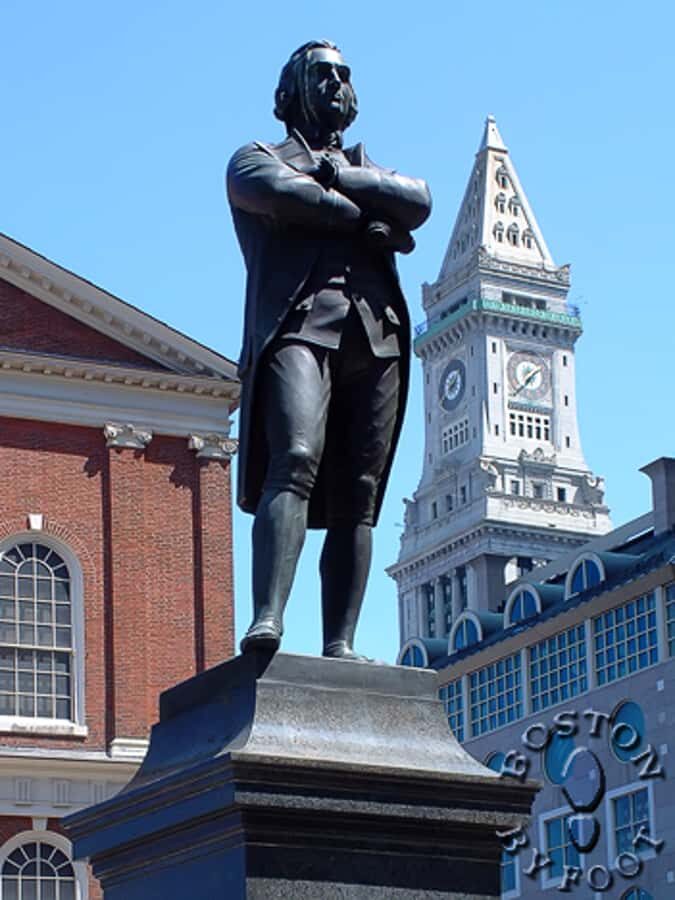
This is a focused 2-hour walk. The point is not to cram in every site along the Freedom Trail. It’s to take the major themes—rebellion, messaging, and public feeling—and give them a readable path you can follow.
As you move through the historic downtown area and into the North End, the guide will point out buildings and sites tied to the Revolutionary period. You’ll hear stories connected to the lead-up to major events, with extra emphasis on what people believed and why they reacted the way they did.
For me, the best part of a short tour is that it forces clarity. You’ll get enough detail to understand the bigger forces, then you can spend the rest of your visit going deeper on the specific stops that grabbed you.
The Tea Party moment and March 5, 1770: decide for yourself
Boston’s Tea Party is famous. But the story behind it is messy in the way real human history usually is, and this tour leans into that.
On this walk, you’ll hear about Boston’s infamous Tea Party and the period around it. You’ll also get details about March 5, 1770, and you’ll be prompted to decide for yourself whether that event should be called a massacre—because the wording and framing matter.
That approach is practical. It helps you see how accounts were shaped by the people telling them, and how later generations inherited those labels. If you’ve ever wondered why the same event can get described in very different ways depending on who’s speaking, you’ll understand what to listen for by the end of the conversation.
If you’re traveling with a mix of history lovers and first-timers, this is a strong segment to bring them into. It’s built to explain, not to show off.
Paul Revere and the power of fast messaging
A big theme in this tour is how messages spread when tensions are high. You’ll learn why Paul Revere is considered such an effective messenger, and it won’t be treated like a movie-only detail.
Revere’s effectiveness is tied to timing, communication, and knowing how to move a story through a community. In a rebellion atmosphere, the difference between rumor and confirmed warning can matter.
The tour also connects the messaging side to print culture. You’ll hear how words and images printed on Boston’s presses stirred the emotions of a generation of colonial Americans. That means you’re not only learning about what happened—you’re learning about how people found out what was happening and reacted.
For your visit, this is one of those segments that changes how you read what you see later. When you walk by sites with Revolutionary-era names, you’ll think about the circulation of ideas, not just the location.
You can also read our reviews of more private tours in Boston



Boston didn’t just rebel. It changed.
One of the more interesting angles is how the tour explains Boston transforming through economic, environmental, and social change. That matters because rebellion doesn’t pop out of nowhere. It usually grows where everyday life is getting harder, stranger, or more unequal.
The guide weaves these changes into the story of why the city became a hotbed of rebellion in the 1760s and 1770s. You’ll hear about the roots of American democracy as something that formed in real workplaces and daily stress, not in a single dramatic moment.
I like this emphasis because it makes the Revolution feel understandable. You can connect the dots between dissatisfaction, public pressure, and organized resistance.
And since the walk includes both downtown and the North End, you get a sense that Revolutionary energy wasn’t limited to one corner of town. It was a city-wide conversation.
The kind of guide you hope for: stories that stick
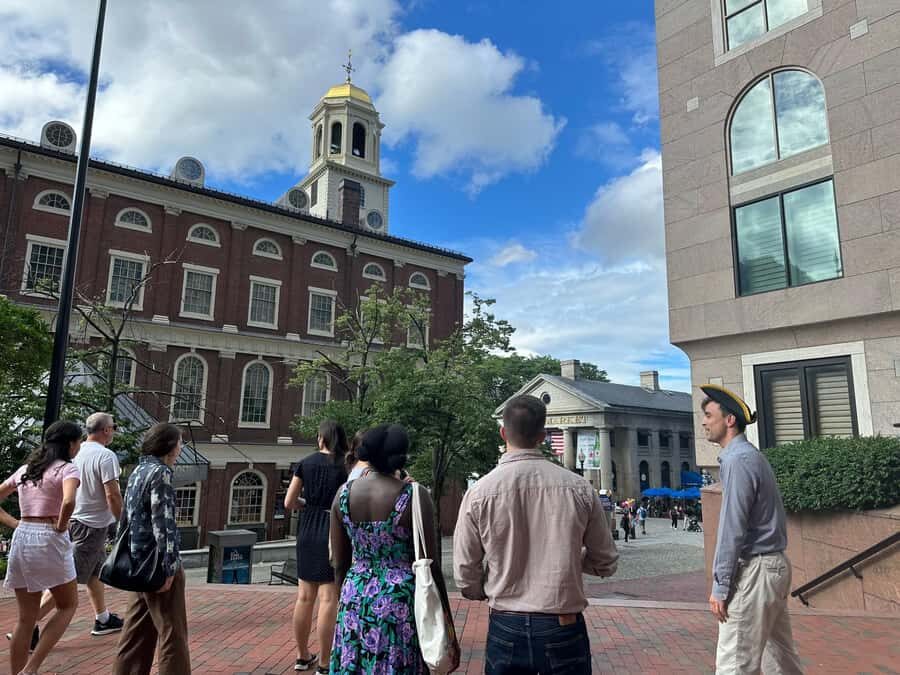
A major reason people rate this tour highly is the quality of the guide. In examples from past private groups, guides such as Chad, Tressa, and John have been described as friendly, very knowledgeable in the practical sense, and good at bringing stories to life.
What I’d watch for in a tour like this is whether the guide tells you enough detail to picture the moment. The best guides also keep it lively without turning history into a stand-up routine. Based on the descriptions you have, you can expect a mix of clear storytelling and humor, which helps the information stick.
Also, because the group size can be extremely small, the guide has an easier time adjusting the pace. You’re not racing through the story while the rest of the group lags behind.
Private group up to 2: value, pace, and who it suits
This tour is built for privacy and attention. With a group capped at 2, you’re not stuck listening to a guide at “crowd volume.” You can ask a question when something doesn’t make sense, and you’re more likely to get an answer that fits what you’re curious about.
That makes this tour a good fit for:
- Couples or friends who want a shared history walk without the chaos of a big group
- Solo travelers who don’t want to be ignored
- Travelers who like real stories but don’t want a long, exhausting day
- History buffs who want context they can carry into other stops
It’s also fine for novices. The tour aims to explain events with enough background that you don’t need to already know Revolutionary minutiae.
The only real mismatch is if you want a full-day, multi-stop Freedom Trail sweep. This is a smart, short guided walk. You’ll get a strong “through-line,” then you should add extra time on your own if you want every last stop.
Price: $20 per person, and why it can be a smart use of time
At $20 per person for a 2-hour private walking tour, the value depends on what you want. If you’re the type who learns best with a guide, it can be a very efficient way to understand Boston’s most important Revolutionary-era turning points without spending hours sorting out context yourself.
You’re paying for:
- A guided walk that connects events and meaning
- Focus on Revolution roots, not just a long list of sites
- The chance to get clarity on debates like whether an event should be called a massacre
If you were to do this entirely on your own, you might spend extra time reading, cross-checking, and still miss the “why this matters” explanations. Here, the guide gives you the thread, and you can then branch off.
If you’re budget-conscious, it also helps that the price doesn’t require a full day. Two hours is a manageable commitment, and you can plan the rest of your time for museums, food, or other walks.
Ending at Copps Hill Terrace: a calmer finish with perspective
Your walk finishes at Copps Hill Terrace. That ending location is useful because it signals a shift from frantic street-level story to broader viewpoint thinking.
By the time you reach the end, you’ve already been through the arguments behind the Tea Party period, the communication style of Revolutionary leaders, and the way Boston’s changes shaped conflict. Ending at a terrace gives you a moment to absorb the city rather than immediately pushing into your next stop.
If you’re continuing your day, this is a good moment to plan a slower second act: a meal, a short extra wander, or choosing one or two Freedom Trail sites to revisit with your new context.
Should you book this Freedom Trail private 2-hour tour?
Yes, if you want a guided Freedom Trail experience that’s short, focused, and built around the stories behind the Revolution. I’d book it if you care about how people used messaging and printing, and if you like learning the logic behind events—not just the headlines.
Skip it if you’re looking for a long, exhaustive tour of every major Freedom Trail site with extended stops. This one is designed for attention and clarity, not for covering everything in one go.
One more practical note: arrive a bit early at the Tremont and Beacon corner across from King’s Chapel. Because this is a timed walk, being on time helps you avoid the one thing you don’t want—starting your day with confusion.
FAQ
How long is the Freedom Trail small group or private walking tour?
It lasts 2 hours.
Where does the tour start and finish?
It starts at the corner of Tremont and Beacon streets, across from King’s Chapel (at One Beacon Street), and it finishes at Copps Hill Terrace.
How much does the tour cost?
The price is $20 per person.
Is this tour private or small group?
It’s private, designed for groups of up to 2.
Is the tour wheelchair accessible?
Yes, it is wheelchair accessible.
What language is the live tour guide?
The live tour guide speaks English.