REVIEW · NEW YORK CITY
Unexpected Wall Street Walking Tour
Book on Viator →Operated by Off the Beaten Subway Track Walking Tours · Bookable on Viator
Wall Street is not just skyscrapers. This 2 hours 15 minutes walk turns Lower Manhattan’s ground level into a story you can actually see: subway-station stops, Battery Park, Bowling Green, Stone Street, and a finish outside Fraunces Tavern. Two things I really liked: the small group cap of 15 (so you can ask questions without shouting), and the way the guide, Suzanne Reisman, strings together Dutch colonial beginnings through modern Wall Street with humor that keeps the pace light. The one drawback to consider is simple: the tour ends outside Fraunces Tavern Museum, so museum entry isn’t included and you’ll need to decide on your own if it’s worth staying for.
You’ll start at South Ferry/Terminal at 11:00 am, and because it’s near public transportation, it’s easy to pair with the rest of your day. Bring decent walking shoes. Also, bottled water isn’t included, so plan to grab some nearby if you want it. With good weather, this is a smart way to understand the area without relying on a phone map and a guess.
In This Review
- Key things to know before you go
- Entering Lower Manhattan: why this walk feels different than free-roaming
- The 11:00 am meeting at South Ferry and what to expect from the pace
- South Ferry Terminal stop: archaeology and art you can spot in real life
- Battery Park: the walking breaks that make history feel practical
- Bowling Green and the subway detour: where the street gets its personality
- Between Bowling Green and Wall Street: learning to read the street
- Stone Street: cobbles, fire stories, and an archaeological moment
- Fraunces Tavern Museum finish at 54 Pearl St: choose your next step
- Price and value: what $45 buys you in time and attention
- Who should book this Unexpected Wall Street walk
- Quick tips so you enjoy every stop
- Should you book Unexpected Wall Street?
- FAQ
- What is the duration of the Unexpected Wall Street walking tour?
- How much does the tour cost?
- How many stops are included during the walk?
- Where does the tour start and where does it end?
- What time does the tour begin?
- Is bottled water included?
- Is the tour offered in English?
- Is there a limit on group size?
- What happens at the end near Fraunces Tavern Museum?
- What if weather is bad?
- Is cancellation free if I change my mind?
- Is the tour near public transportation and are service animals allowed?
Key things to know before you go
- Small group (max 15) means the guide can slow down when questions come up
- Subway-station stops help you see how the city’s infrastructure grew over older layers
- Dutch-era to modern Wall Street connections give you a timeline you can remember
- Stone Street + fire-and-cobble stories adds texture beyond office towers
- Finish at Fraunces Tavern lets you choose between food, the museum, or an easy exit
Entering Lower Manhattan: why this walk feels different than free-roaming
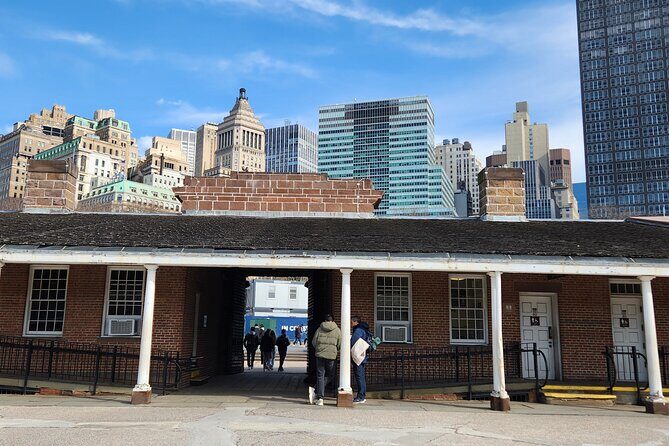
Most Wall Street walks turn into a quick photo run: street signs, tall buildings, maybe a landmark or two, then back to the subway. This one is different because it keeps pointing at what’s right under your feet and around the corners—especially where the city’s shoreline, streets, and even building layers have changed over time.
I like that the tour doesn’t treat history like trivia. You get it as cause-and-effect. Why a certain place mattered. How the shoreline shifted. Why certain streets survived (or didn’t). And you get context that makes the Financial District feel less like a generic business zone and more like a living neighborhood with deep roots.
It also helps that the guide keeps the flow moving. You’re walking, but you’re not just walking. The route breaks up the day with short stops—enough time to learn without making you feel stuck in one spot.
You can also read our reviews of more walking tours in New York City



The 11:00 am meeting at South Ferry and what to expect from the pace
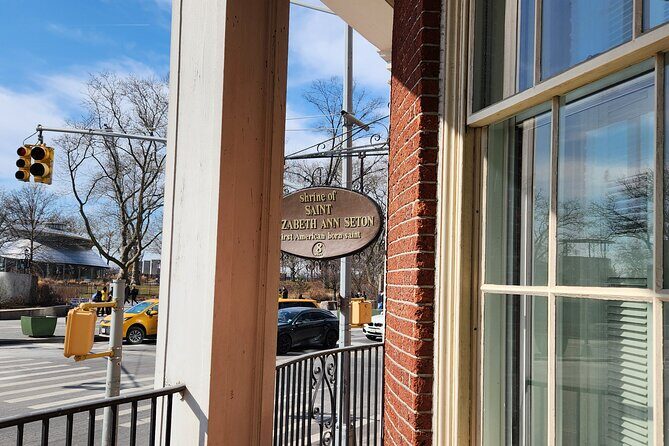
The tour starts at South Ferry/Terminal, New York, NY 10004, right around 11:00 am. It ends at 54 Pearl St, also in the same general Lower Manhattan area—outside Fraunces Tavern Museum.
The total duration is about 2 hours 15 minutes, and the stops are built for real city pacing: quick orientation moments, then short deeper chats. You’ll visit subway stations during the walk, so expect a few moments where you step in and out of transit spaces. That’s useful, not annoying—because those places often show how the city’s layers got rearranged.
A practical note: because the experience requires good weather, don’t plan this as your one-and-only backup activity for a rainy day. If the weather turns, you’ll be offered another date or a full refund.
South Ferry Terminal stop: archaeology and art you can spot in real life
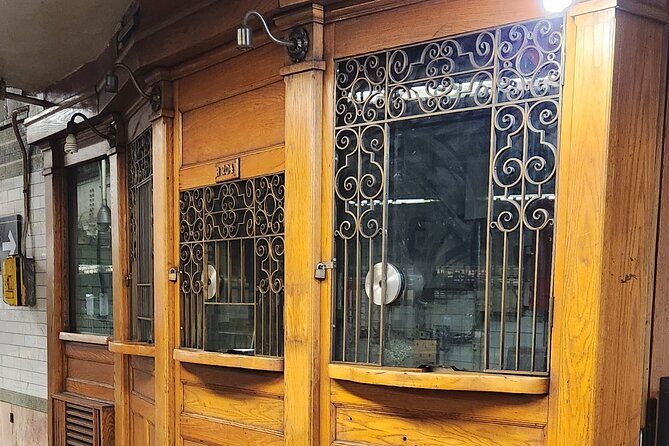
Stop one is South Ferry/Terminal. Here you’ll head to the South Ferry subway station area and talk about the archaeology and art of the neighborhood. This is one of those moments where New York surprises you.
Instead of only describing what used to be there, the guide focuses on how the present day keeps references to older land and older design. South Ferry is at the edge of the city’s story—so it’s a strong place to start if you want to understand why this part of Manhattan looks the way it does.
Why this stop works for you: it’s a mental warm-up. Once you get the idea that the “surface” is layered, the rest of the walk clicks. You start seeing how the shoreline, streets, and building choices connect.
Possible drawback: subway-station areas can be busy. If you dislike crowds, just know this is a stop where you’ll be sharing space with commuters.
Battery Park: the walking breaks that make history feel practical
Next comes the stretch toward and through Battery Park. Expect several short stops along the way, plus time inside Battery Park itself (about 30 minutes total for this portion).
This is where you begin to understand the edge of the island—and how the city expanded. In the reviews, people mentioned walking areas that include places built on landfill. That matters. It helps explain why the Financial District has such a strong sense of engineered geography.
You’ll also connect Battery Park to what people did here over time—how this area functioned as a gateway and a meeting ground. The guide’s approach is to show you why the geography mattered, not just what happened.
Why it’s valuable: Battery Park is visually “pretty,” but it can also feel vague if you’re only looking at monuments. The tour gives you a story spine you can follow even when the views are framed by fences, roads, and transit.
Bowling Green and the subway detour: where the street gets its personality
After Battery Park, the tour hits Bowling Green. This stop runs about 20 minutes and includes another visit to the subway station.
Bowling Green is one of those places you think you know until someone points out the deeper reasons it’s there. The guide connects the area to events and different groups who shaped the space over time. The point isn’t to memorize dates. It’s to recognize how roles and power changed around this corner of Lower Manhattan.
I especially like the subway-station inclusion here. It makes the tour feel grounded in the actual city. You’re not just standing on sidewalks reciting old stories—you’re in the built environment that people use every day.
What you might want to consider: this portion includes multiple transitions on foot, so keep an eye on your energy level if you’re traveling with kids or anyone who tires quickly. The pacing is manageable, but it is still a walking tour.






Between Bowling Green and Wall Street: learning to read the street
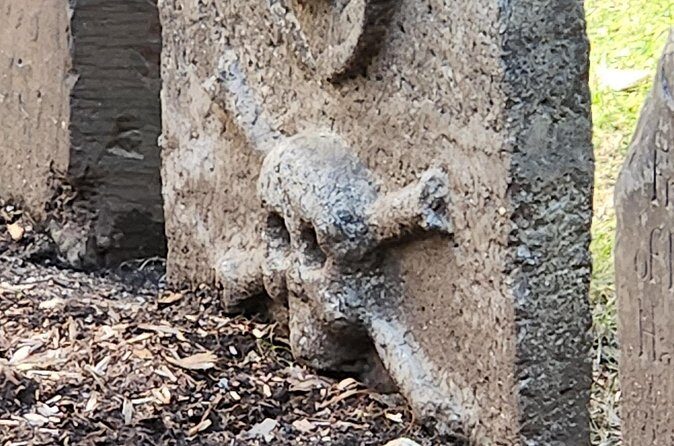
From Bowling Green, you head toward Wall Street with several quick stops along the way (about 30 minutes for this segment). This is where the walk starts feeling like a guided map of the Financial District’s human story.
Instead of only pointing at famous buildings, the guide discusses sites, people, and events—plus how different time periods shaped the streets you’re walking on now. In the reviews, people highlighted how the guide connected Dutch colonial times through modern day, and that’s exactly what makes this section work. You start to see why Wall Street isn’t random; it’s the outcome of earlier choices.
You’ll also pass through streets associated with big modern landmarks, including the Canyon of Heroes area as part of the route experience people described. That’s a fun contrast: today’s spectacle sitting right next to the older foundations.
A small reality check: Wall Street is active. You’ll need patience for pedestrian flow and occasional slowdowns. The tour handles it well because it’s structured, but your timing will depend a bit on what crowds do that day.
Stone Street: cobbles, fire stories, and an archaeological moment
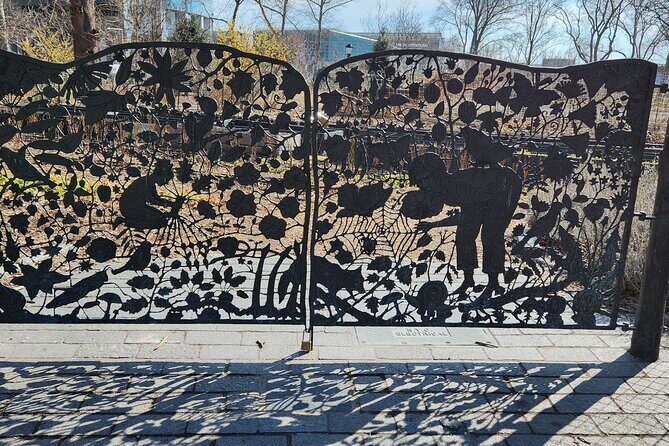
Then you move to Stone Street for about 15 minutes. This stop is short, but it’s packed with details that help the area feel real.
You’ll hear about the history of cobblestones and fires—how the street materials and disasters shaped what survived and what changed. It’s also an area where the physical feel matters. Cobblestones can make the past feel less abstract because you’re literally standing on a surface shaped by older urban thinking.
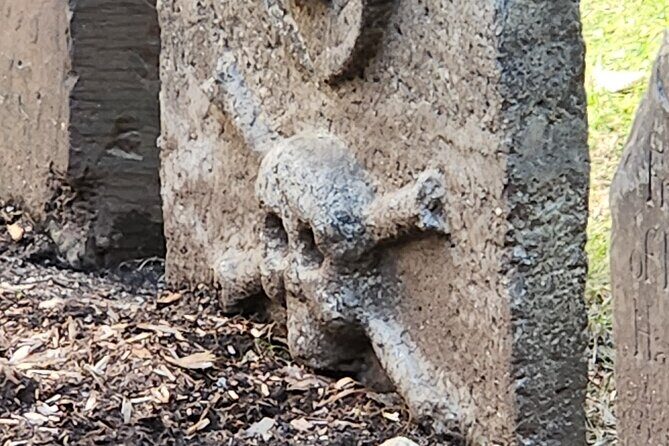
After the cobble-and-fire conversation, the tour moves to an important archaeological site. This part is a good reminder that Manhattan history isn’t only in museums. Sometimes it’s in the streetscape, if you know what to look for.
Why this stop is worth it: it breaks the office-building pattern of Wall Street sightseeing. You get texture, not just architecture.
Fraunces Tavern Museum finish at 54 Pearl St: choose your next step
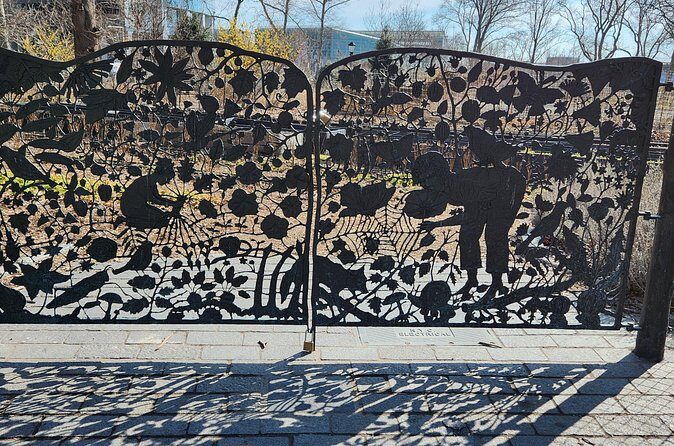
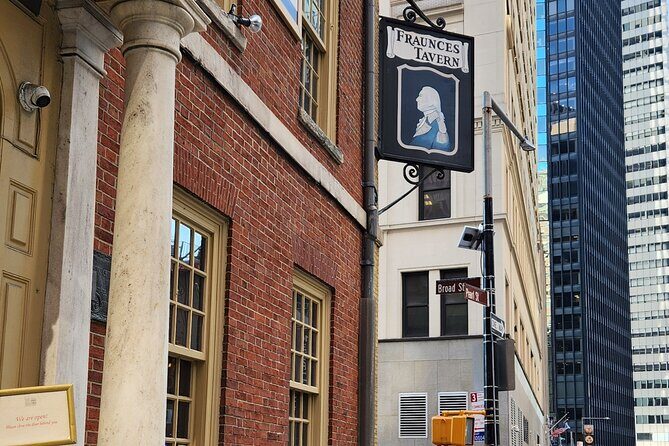
The tour wraps up at 54 Pearl St, outside Fraunces Tavern Museum (about 10 minutes for the final stop segment). The museum itself isn’t included—you can stay and visit afterward, but you’ll pay admission separately.
I like this kind of finish because it gives you options. If you want a sit-down break, the tavern area can work well for grabbing food. If you’re history-hungry, the museum is right there.
The only drawback is decision-making at the end. If you’re short on time, you might feel torn between eating now versus adding a museum stop. That’s not the tour’s fault—it’s just how a good finish can create a good problem.
Price and value: what $45 buys you in time and attention
At $45 per person, this tour sits in the range where you’re paying for a guide rather than just paying for access. And here, that makes sense.
You’re getting:
- about 2 hours 15 minutes of guided walking and stop-based learning
- a guide (the tour is guided only; no admission fees are included for most stops)
- a maximum of 15 people, which changes the experience from lecture-style to conversational
If you were to try this on your own, you’d need to do research first and still might miss the connections the guide makes at each stop. Here, you get the through-line built in—especially the area-by-area explanations that tie shoreline changes, street layout, and major historic moments together.
One more value point: mobile tickets. It’s small, but it’s useful on a day when you’ll already be navigating subway and street crossings. Less friction means you start enjoying sooner.
Who should book this Unexpected Wall Street walk
This tour is a great fit if you want a guided history walk that stays grounded in what you can actually see. You’ll likely enjoy it if:
- you like learning in walking-distance chunks
- you want context for Wall Street beyond the usual landmarks
- you’d like a small group tour where you can ask questions
- you’re curious about how older Manhattan layers connect to today’s city
It may be less ideal if:
- you hate walking for over two hours
- you only want famous-skyline views with minimal talking
- you’re scheduling around bad weather and can’t be flexible
I also think it works well for families. In the comments I read from people who brought kids, ages including 14 and 10, the group energy stayed positive. The mix of stories and street-level detail helps keep attention.
Quick tips so you enjoy every stop
- Wear shoes you trust. Cobblestone sections can feel different underfoot.
- Bring your own water if you tend to get thirsty; bottled water is not included.
- Be ready for a couple subway-station moments. If you’re carrying a backpack, keep it simple.
- If you’re planning the museum afterward, give yourself a little extra time at the end at 54 Pearl St.
- If the forecast looks shaky, consider keeping your expectations flexible since the tour depends on good weather.
Should you book Unexpected Wall Street?
I’d book it if you want Wall Street to feel less like a financial theme park and more like a real neighborhood with deep layers. The combination of small group size, guided stops that explain why the area looks the way it does, and Suzanne Reisman’s humorous, story-driven connections makes it a solid use of a morning.
Skip it only if your ideal tour is mostly skyline photos and minimal explanation. This one rewards curiosity and a willingness to look down and sideways as much as you look ahead.
FAQ
What is the duration of the Unexpected Wall Street walking tour?
The tour runs for about 2 hours 15 minutes.
How much does the tour cost?
It costs $45.00 per person.
How many stops are included during the walk?
The route includes six main stops: South Ferry/Terminal, Battery Park, Bowling Green, Wall Street, Stone Street, and the finish outside Fraunces Tavern Museum.
Where does the tour start and where does it end?
It starts at South Ferry/Terminal, New York, NY 10004, and ends at 54 Pearl St, New York, NY 10004, outside Fraunces Tavern Museum.
What time does the tour begin?
The listed start time is 11:00 am.
Is bottled water included?
No. Bottled water is not included.
Is the tour offered in English?
Yes, it is offered in English.
Is there a limit on group size?
Yes. The tour has a maximum of 15 travelers.
What happens at the end near Fraunces Tavern Museum?
The tour ends outside Fraunces Tavern Museum. You can choose to stay and visit the museum, but admission is not included.
What if weather is bad?
The experience requires good weather. If it’s canceled due to poor weather, you’ll be offered a different date or a full refund.
Is cancellation free if I change my mind?
Yes. You can cancel up to 24 hours in advance for a full refund.
Is the tour near public transportation and are service animals allowed?
Yes. It’s near public transportation, and service animals are allowed.