REVIEW · NEW YORK CITY
Wall Street, Financial District Walking Tour Lower Manhattan
Book on GetYourGuide →Operated by TERRADVENTOURS · Bookable on GetYourGuide
There’s a lot packed into Lower Manhattan. This walk brings you close to Wall Street sights and pairs them with serious context at the 9/11 Memorial, with a guide who explains the names, dates, and why it all matters. I like how you get both big-ticket landmarks and quieter stops, and I also like the guide focus on clear, practical storytelling. The only real drawback: it’s not wheelchair-friendly, and you’ll want solid shoes because you’re on your feet the whole time.
You’ll spend about 150 minutes moving through the Financial District and Museum Row, with some short photo breaks and a short transfer to keep the route sensible. I’d go into it with one expectation: this tour is for people who enjoy history and place-based stories, not just sightseeing selfies. If you’re expecting one long, relaxing wander with minimal stops, you may find the pace a little structured.
In This Review
- Key highlights to look for
- Meeting at Charging Bull, then learning how this part of NYC ticks
- Castle Clinton: from trading today to the waterfront origins
- Museum Row switches the story: Museum of Jewish Heritage and beyond
- Charging Bull again, Stone Street, and the old-meets-new rhythm of Lower Manhattan
- NYSE and Wall Street: seeing the symbols, not just the scenery
- Trinity Church and Broadway: small pauses that make the route feel human
- O’Hara’s Restaurant and Pub photo stop: a break with character
- 9/11 Memorial Pools: the emotional center of the walk
- Oculus Center finish: dramatic design, perfect “wrap-up” energy
- Price and time: is $31 worth it for 150 minutes?
- Pace, language, and what to bring (so you enjoy it more)
- Who should book this Financial District walk?
- Final take: should you book Wall Street and the 9/11 Memorial walk?
- FAQ
- Where is the meeting point for this Wall Street walking tour?
- How long is the tour?
- What languages are offered?
- Is the price $31 per person, and what’s included?
- What should I bring for the tour?
- Is this tour suitable for wheelchair users?
Key highlights to look for
- Charging Bull first: quick orientation and great energy to kick off the walk
- Castle Clinton + waterfront history: a jump from modern finance to early New York
- Museum stops that change the angle: Jewish Heritage and National Museum of the American Indian on the same route
- Wall Street and the NYSE moment: a photo-stop you’ll understand more after the guide’s context
- 9/11 Memorial Pools: the emotional centerpiece, with time for reflection and explanation
- Oculus Center finish: an easy closer with a dramatic modern design
Meeting at Charging Bull, then learning how this part of NYC ticks
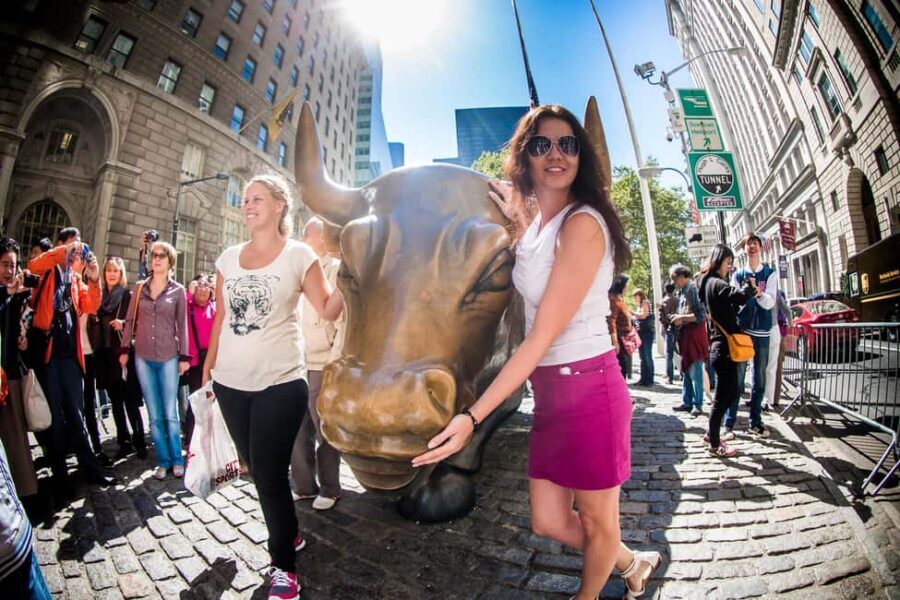
The tour starts by Charging Bull, with the guide facing away from the bull and using a purple umbrella. It’s a nice way to find everyone quickly, and it also sets the tone: this district moves fast, and you’ll be learning the “map in your head” before you even head deeper into Wall Street.
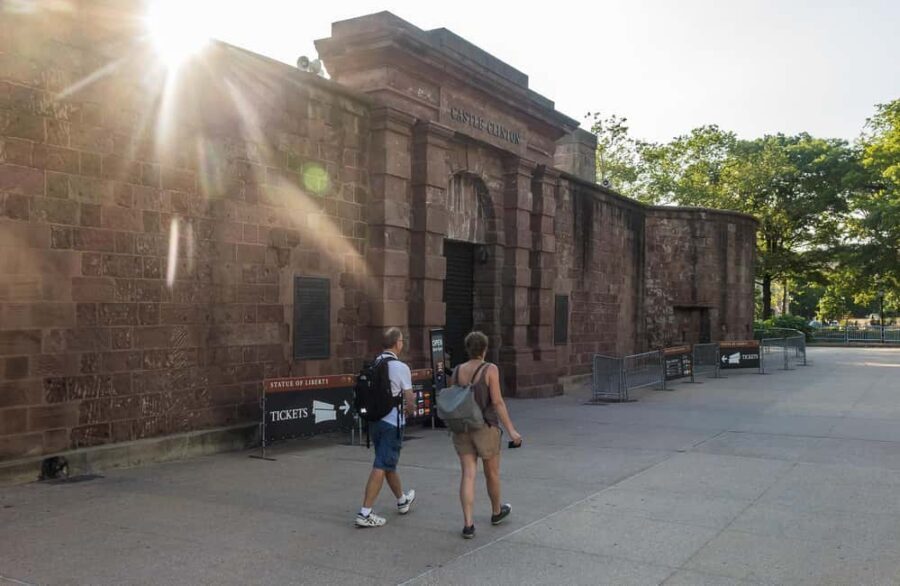
You’ll then walk toward the first big historical anchor—Castle Clinton National Monument—where the story switches from sleek finance to early New York. What I like here is that the tour doesn’t treat the Financial District like a single theme park. Instead, you get layers: immigration, indigenous history, Jewish heritage, colonial-era traces, and then modern Wall Street.
Practical note: plan to show up with comfortable shoes and water. The route is short enough to keep your energy, but long enough to feel like New York, not a slow stroll in a mall.
You can also read our reviews of more walking tours in New York City


Castle Clinton: from trading today to the waterfront origins
Castle Clinton National Monument is your first guided stop, and it works because it changes your scale. Instead of big skyline views, you get a reminder that this area wasn’t always about stock charts. This is where the city’s older waterfront story comes in—an early New York landmark that helps explain why the Financial District sits where it does.
The guided time here is short, so don’t expect a museum marathon. Think of it as a historical warm-up: you’re learning what the land and shoreline used to represent, and how that shapes the area you’ll keep walking through.
A drawback to consider: if you’re the kind of person who loves long, slow museum time, you may wish for more minutes at each indoor site. This tour balances a lot of stops, so each one gets a focused visit rather than a deep, standalone session.
Museum Row switches the story: Museum of Jewish Heritage and beyond
From Castle Clinton, the route heads to a pair of museum moments that are there for a reason. You’ll pause for photos and then get guided time at the Museum of Jewish Heritage. This stop adds a human layer to the Financial District, because it pulls the story of the city toward immigration, identity, and survival—threads that show up again and again in New York’s history.
After that, you’ll move to the National Museum of the American Indian, NYC for guided time. This is another smart pivot: the guide frames it as Native history that’s not stuck in the past. The tour’s wording and focus clearly aim to connect Indigenous stories to the present, which is a refreshing change from tours that only treat the city as a sequence of buildings.
What I like about this pair: they aren’t random “museum stops.” They change your reading of the neighborhood. After these two, Wall Street doesn’t feel like it floats above everything else. It feels like it sits on top of real people’s stories.
Charging Bull again, Stone Street, and the old-meets-new rhythm of Lower Manhattan
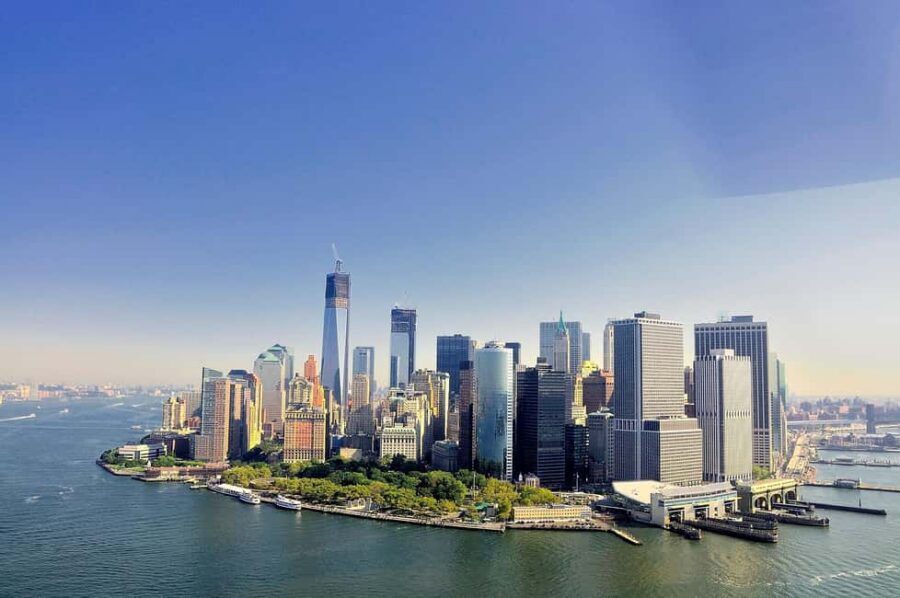
You pass back by Charging Bull for a photo stop and sightseeing time. That sounds repetitive on paper, but it actually works well. Early on, it helps you orient. Later, it becomes a landmark you can compare against everything you’ve learned so far. You’ll be looking at it with a different lens: it’s not just a famous statue, it’s a symbol that people use to talk about ambition and money.
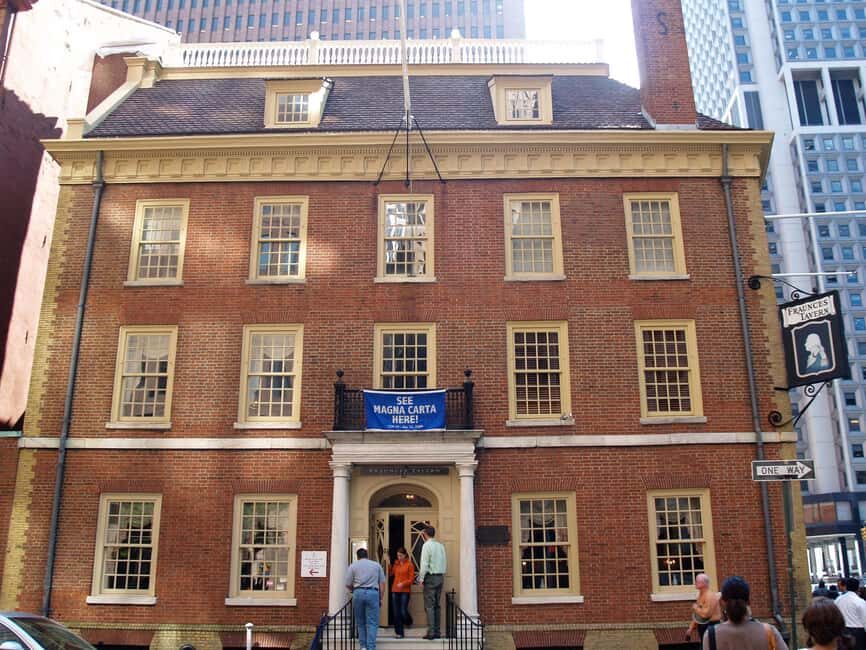
Then you’ll take in the Fraunces Tavern Museum with a guided visit and a break time. Fraunces Tavern is the kind of stop that gives you a sense of how the neighborhood functioned before it was “Wall Street” as we know it. Even with limited time, the guide’s explanation can help you notice why this location matters historically.
Right after, you’ll stroll through Stone Street Historic District for photos and guided context. Stone Street is one of those places where the street layout itself tells a story. It’s also a good moment to slow down your pacing slightly—especially after a couple of more fact-dense stops.
A simple piece of advice: use the break times. New York’s pace and the tour’s schedule can add up. Getting water out of your bag and stepping aside for a minute will keep you sharp for the bigger emotional stop later.
NYSE and Wall Street: seeing the symbols, not just the scenery
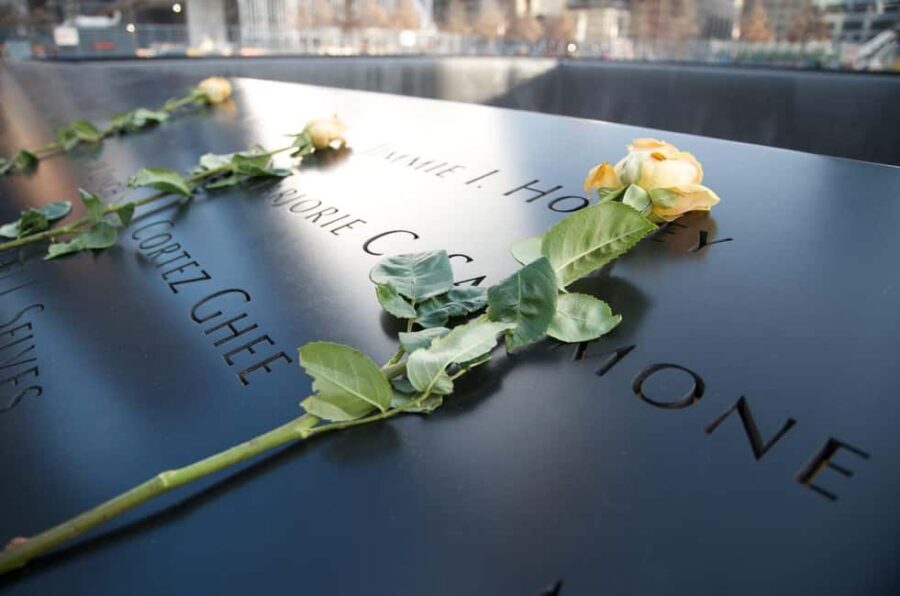
This is the part people picture when they think of Lower Manhattan. You’ll reach the New York Stock Exchange for a guided visit and photo stop, then continue to Wall Street for more photos and guided time.
Here’s the trick: if you show up only wanting photos, Wall Street can feel like you’re just standing near famous architecture. But with the guide’s names-and-dates style, you’ll start noticing patterns: what’s built here, what institutions tried to protect, and how power moved through the city over time. One of the strongest pieces of feedback from the guide’s past groups is that he brings clarity—lots of key names and important dates—so the place feels understood, not just seen.
Time is tight at these stops, so you’ll want to manage expectations. Photo stops mean you’ll get a chance to take pictures, but not a long wander. Still, it’s worth it because the guided framing makes even short moments feel purposeful.






Trinity Church and Broadway: small pauses that make the route feel human
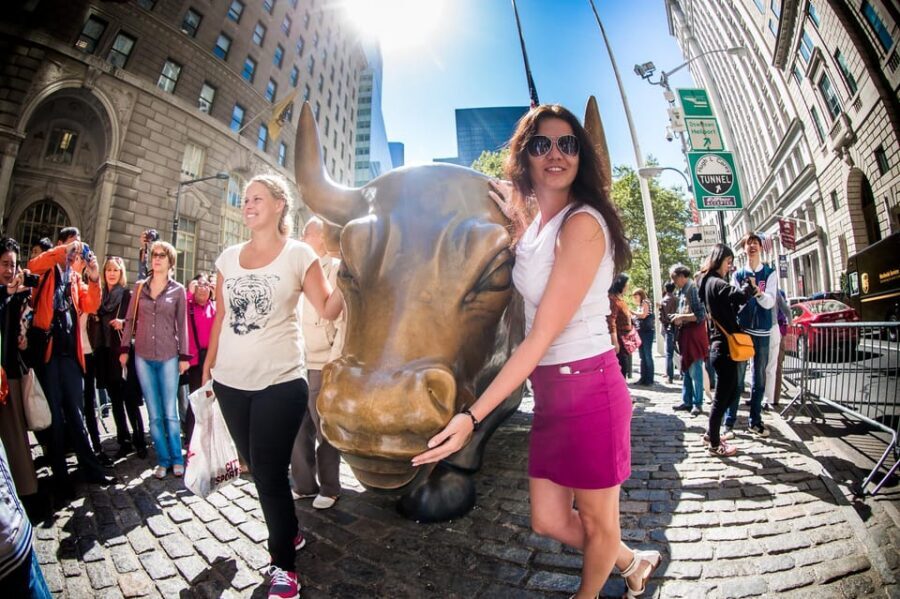
You’ll visit Trinity Church with a guided stop, then continue to Broadway for sightseeing and walking time. These aren’t the loudest stops, but they add variety. Trinity Church gives you a quieter pause in the middle of “finance mode,” and Broadway acts like a bridge—showing you how Lower Manhattan connects into the larger grid of the city.
A guided stop at a place like Trinity Church works best when you pay attention to what the guide points out: how the building, the location, and the surrounding streets fit into the broader story of New York. You’re not just looking at architecture—you’re learning how the district evolved.
And yes, Broadway is also practical: it gives you that short walking transition so your brain resets before the next major emotional section.
O’Hara’s Restaurant and Pub photo stop: a break with character
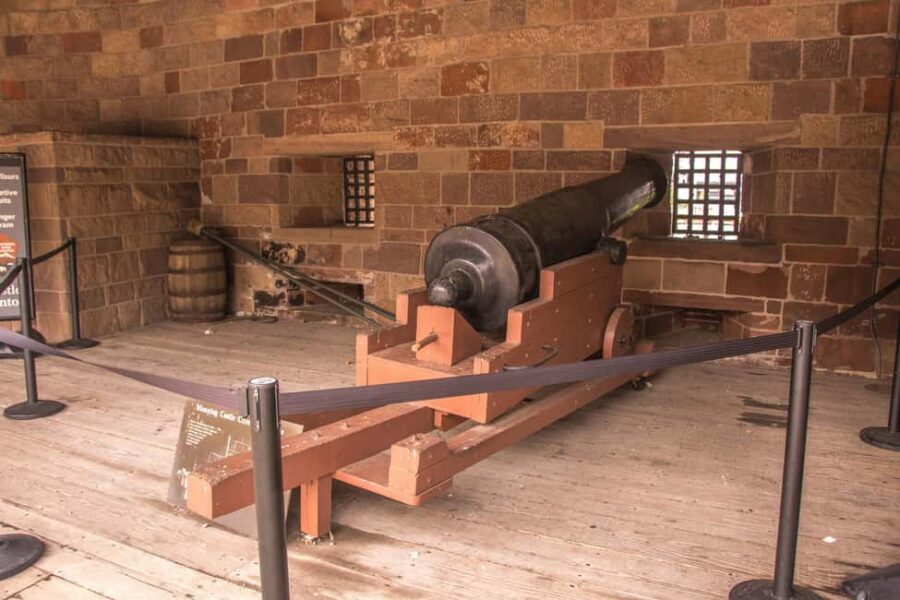
There’s a photo stop around O’Hara’s Restaurant and Pub, with guided time and a break. It’s a fun one because it’s not a museum or monument—it’s part of the working neighborhood experience. The tour gives you a moment to breathe and take in the street-level vibe, which matters because the later stops are heavy.
If you love local color, this is a good spot to step back from the flow, check the street, and get a feel for how people actually move through this area beyond tour routes.
9/11 Memorial Pools: the emotional center of the walk
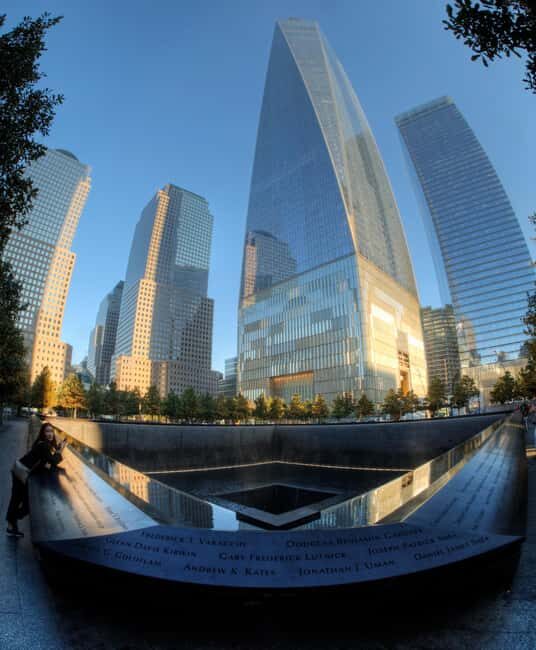
Then you arrive at the 9/11 Memorial Pools. This is the tour’s most serious section: time for photos and a guided visit focused on paying tribute to the victims and heroes of 9/11. The best thing a guide can do here is slow the group down mentally, not just physically, and the way this tour sets it up makes sense.
What to do in this moment: take your time looking, even if you’re moving with the group. Let the guide’s explanation land, then pause. If you’re visiting NYC for the first time, this stop often becomes the part you remember most—not because it’s the most scenic, but because it changes how you feel about the city.
One consideration: if you’re sensitive to emotional memorials, you might want a little extra quiet time before this stop, not during it. Bring water beforehand so you’re not worrying about it while you’re standing near the pools.
Oculus Center finish: dramatic design, perfect “wrap-up” energy
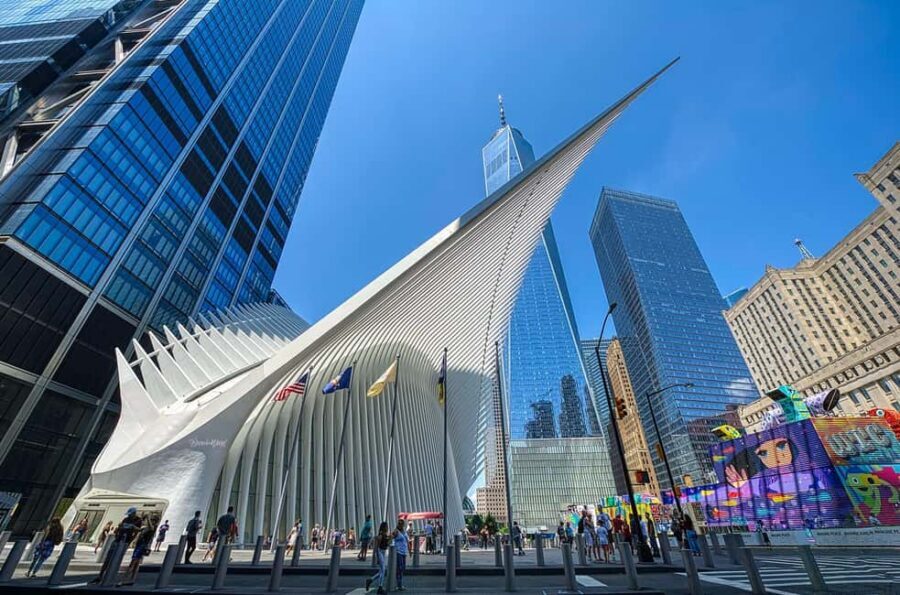
The tour finishes at Oculus Center. Along the way, you’ll have time for photos and a guided visit, including a break. Oculus is a strong closer because it’s visually memorable and modern, which helps balance the emotional weight of the memorial.
This is where you can also connect dots. Earlier, you were learning about older waterfront and institutions. Now you’re standing inside a major modern transit and landmark space. It feels like the city saying: we keep moving, and we rebuild.
If you like architecture, you’ll enjoy the way the space draws your eyes upward and channels crowds. Even if architecture isn’t your main interest, it’s a practical ending point—easy to orient from and convenient for wrapping your day.
Price and time: is $31 worth it for 150 minutes?
At $31 per person for about 150 minutes, this tour has good value—mainly because it’s not just walking between landmarks. It’s guided time across multiple major stops: Charging Bull, Castle Clinton, the Museum of Jewish Heritage, the National Museum of the American Indian, Fraunces Tavern, Stone Street, the NY Stock Exchange area, Wall Street, Trinity Church, the 9/11 Memorial Pools, and the Oculus Center.
The tour also includes a transfer segment, which usually means they’re cutting down unnecessary backtracking. That matters in NYC, where a wrong turn can eat up time fast.
What’s not included is equally important. Meals and drinks aren’t part of the price, and transportation to the meeting point is on you. So if you’re budgeting, pack snacks or plan a nearby meal for after, and keep some cash handy in case you want to grab something without hunting for a payment app.
My take: for the number of landmarks and guided explanations you get in 2.5 hours, the price feels fair—especially if you’re the kind of person who likes learning why places matter, not just where to stand for a photo.
Pace, language, and what to bring (so you enjoy it more)
The tour runs in English and Spanish with a live guide, and it’s designed for people who want to hear the story in real time. One detail that pops from guide feedback is clarity. People specifically praised the guide’s professional approach and his habit of naming key figures and events. That’s a good sign if you’re the type who wants to leave with more than vague impressions.
For comfort, bring:
- Comfortable shoes
- Camera
- Water
- Cash
And note what’s not allowed: no smoking.
A quick pace reality check: you’ll have photo stops mixed with guided visits, plus break times. That structure keeps you from running nonstop, but it also means you should stay mentally ready for short, scheduled moments.
Who should book this Financial District walk?
You’ll probably love this tour if:
- You want a guided pass through major Financial District landmarks in a single outing
- You care about learning the context behind famous places like the NYSE area and the Wall Street Bull
- You like museums and history, especially when they connect the district to immigration and Native history as well as 9/11 remembrance
You might want to skip it or choose something else if:
- You need wheelchair-friendly routing (this one isn’t suitable for wheelchair users)
- You prefer long, unstructured exploration instead of a guided, time-managed format
- You’re not interested in the emotional and historical side of Lower Manhattan
Final take: should you book Wall Street and the 9/11 Memorial walk?
Yes, I think you should book this tour if you want to understand Lower Manhattan rather than just look at it. The mix of landmarks, museum-style context, and the respectful 9/11 Memorial stop gives the outing weight. Add in the practical guidance and the guide’s clear explanations that include important names and dates, and you get a tour that feels worth the time.
If you’re short on time in NYC and want one outing that covers the big highlights plus the meaning behind them, this is a strong choice.
If you want, tell me your travel dates and whether you prefer museums or outdoor walking. I can help you pair this with a good next stop for the rest of your day.
FAQ
Where is the meeting point for this Wall Street walking tour?
You meet the guide at Charging Bull, at the entrance of the park by the fountain. The guide will be facing away from the bull and carrying a purple umbrella.
How long is the tour?
The duration is listed as 150 minutes.
What languages are offered?
The live guide provides the tour in English and Spanish.
Is the price $31 per person, and what’s included?
The price is $31 per person. What’s included is an expert guide and the walking tour.
What should I bring for the tour?
Bring comfortable shoes, a camera, water, and cash.
Is this tour suitable for wheelchair users?
No. It is not suitable for wheelchair users.