REVIEW · NEW YORK CITY
NYC: The FABulous Hell’s Kitchen Walking Tour with BFAB
Book on GetYourGuide →Operated by BFAB TOURS · Bookable on GetYourGuide
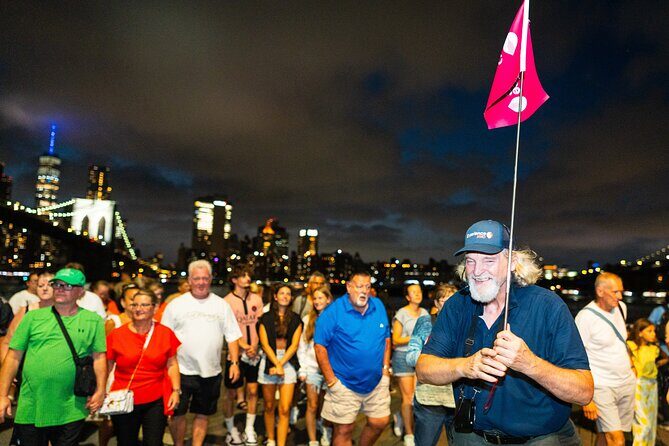
Hell’s Kitchen has secrets underfoot. This walk turns one of NYC’s most famous corners into a story you can follow block by block, with a licensed local guide, BFAB (Brian), leading the way through working-class life, gang rule, and LGBTQ change.
I love the mix of serious place-based history and real neighborhood personality. I also like the interactive bits, like learning how to clack a fan and joining an on-the-street quiz game that keeps everyone switched on.
One consideration: this is a 2.5-hour walk (about 1.6 miles total) and it’s not built for little legs. Bring comfortable shoes and expect to stand and walk mostly on flat city surfaces.
In This Review
- Key tour takeaways (why this one works)
- Meeting BFAB at W. 42nd & 9th: what to expect in 2.5 hours
- Hell’s Kitchen from immigrants to artists: the neighborhood name and the big shift
- Old buildings you can still point at: German Church, Hartley House, and late-1800s row houses
- Tenements and city rules: Pre-Law, Old Law, and New Law explained on the street
- Gangs on the block: Owney Madden, Battle Annie, and Mickey Spillane
- LGBTQ landmarks, community spaces, and the bar that closes the loop
- Performing-arts pipeline: Manhattan Plaza and The Actors Studio
- The quiz game, fan clack, and the Fountain House break
- Price and value: is $49 worth it?
- Who should book this Hell’s Kitchen walk?
- Should you book this Hell’s Kitchen tour?
- FAQ
- Where is the tour meeting point?
- How long is the walk and how far do you go?
- What does the tour include?
- Are food and drinks included?
- Where does the tour end?
- What should I bring?
- Is this tour suitable for kids?
Key tour takeaways (why this one works)
- BFAB/Brian’s storytelling style keeps the past entertaining, not lecture-y
- You’ll see old survivors like the German Church (now Westside Theater) and Hartley House
- The tour connects tenement life to the city rules behind Pre-Law, Old Law, and New Law
- Gang history gets names and motives: Owney Madden, Battle Annie, Mickey Spillane
- LGBTQ landmarks and community spaces are treated as part of the neighborhood’s everyday fabric
- The tour finishes at FLEX (formerly POSH), a fitting wrap for the neighborhood’s ongoing story
Meeting BFAB at W. 42nd & 9th: what to expect in 2.5 hours
You’ll meet BFAB under the trees in front of the Citibank on the NW corner of W. 42nd St. and 9th Ave. After a quick intro, you get moving right away. The pacing is built for short stops, lots of explanations, and photo moments, not a long march with no context.
The total effort is about 1.6 miles over mostly flat surfaces, with 15 stops along the way. It runs 2.5 hours, including a short break about halfway through at Fountain House + Body (so plan on resetting your legs and hydration then).
If you like learning New York through layers of neighborhoods instead of one big museum-style exhibit, this format fits well. You get time on the sidewalk where the city’s history shows up: building shapes, street corners, and the locations people actually lived, worked, fought, and built communities around.
You can also read our reviews of more walking tours in New York City

Hell’s Kitchen from immigrants to artists: the neighborhood name and the big shift
Hell’s Kitchen is often reduced to one vibe, but this tour makes it clear it kept changing. You’ll hear how the area evolved from a working-class immigrant zone into a place shaped by rougher control, then later into a multicultural, artistic, and LGBTQ enclave.
One thing I like is that the guide doesn’t treat history as a straight line. Instead, you see how housing, jobs, and rules affected daily life—and why that mattered later when artists and performers needed places to land, practice, and reinvent themselves.
You’ll also learn how the neighborhood got the name Hell’s Kitchen. That may sound like a simple origin story, but on this walk it’s part of the wider theme: people naming a place based on what it felt like to live there.
Old buildings you can still point at: German Church, Hartley House, and late-1800s row houses
The strongest “wow, this is still here” moments come from the oldest survivors. You’ll see the German Church, which is now the Westside Theater, and you’ll get a sense of what it meant for a community to have its own institution—not just housing, but identity.
You’ll also stop at Hartley House, a community-based organization that helped shape how residents handled hardship. This is where the tour earns its depth: it’s not only about tragedy and trouble; it’s also about people organizing, helping neighbors, and building programs that outlasted the worst eras.
Then there are the row houses and older buildings dating to the late 1800s. Seeing them in place helps you understand why tenement life wasn’t abstract. When you look at the building scale and layout, the density and conditions feel more real.
If you’re the kind of person who likes to connect a story to a physical landmark, these stops are the heart of the walk.
Tenements and city rules: Pre-Law, Old Law, and New Law explained on the street
A standout part of this tour is how it treats tenements as a system, not just a stereotype. You’ll see tenements typical of the late 1800s and learn about their messy, often brutal history.
The guide also explains the difference between Pre-Law, Old Law, and New Law Tenements. You won’t just hear fancy labels. The point is that these categories reflect changing building regulations and enforcement over time, which then shaped ventilation, light access, and how cramped conditions could become.
And since Hell’s Kitchen connects to Midtown housing patterns, the tour also covers the Special Clinton District. Even without getting lost in legal history, it gives you the key idea: policy affects what people can afford, where they can live, and how communities survive.
This is a smart section for anyone who wants New York to make more sense than the usual slogan version.
Gangs on the block: Owney Madden, Battle Annie, and Mickey Spillane
Hell’s Kitchen’s rough years show up clearly here. The guide connects the rise of gangs to how neighborhoods functioned when other systems failed or felt unreachable.
You’ll hear about infamous leaders, including Owney Madden, Battle Annie, and Mickey Spillane. The tour doesn’t just name-drop. It frames how gang control influenced development—where money flowed, how violence shaped street life, and why residents learned to adapt to whoever was running the corner.
A nice touch is that this isn’t told as cheap crime trivia. It’s presented as part of the neighborhood’s “why.” When you connect the gangster era to the later arrival of new communities and performers, the shift feels earned, not sudden.
If you like true-crime vibes but don’t want it to replace context, this section hits the right balance.






LGBTQ landmarks, community spaces, and the bar that closes the loop
This tour spends real time on LGBTQ history, not as an add-on. You’ll hear stories tied to places that shaped gay life in Hell’s Kitchen across different decades, including the OUT Hotel, Sanctuary, Manhattan Plaza, the Ritz/Q murders, and the former Posh Bar, now FLEX.
What makes this section valuable is that it shows continuity. You’re not only hearing about hardship; you’re also hearing about community buildings and gathering spots that helped people find belonging.
You’ll also learn about Sanctuary and other key locations in a way that connects to the neighborhood’s larger transformation—how working spaces, housing patterns, and nightlife all influenced who felt safe here and who could build a future.
And then the tour ends at FLEX (formerly POSH), one of the area’s oldest gay bars. It’s a clean closing move: you walk out into modern neighborhood life right after hearing the long story behind it. Beverages aren’t included, but you’ll have a chance to refresh and chat with the guide.
Performing-arts pipeline: Manhattan Plaza and The Actors Studio
Hell’s Kitchen has long been a staging ground, and this walk points that out with specific stops linked to performers. You’ll learn about the home and training ground for celebrities and artists, including connections around Manhattan Plaza and The Actors Studio.
Even if you’re not a theater person, this part makes sense because it explains why neighborhoods like this matter. Performers need more than spotlights. They need rehearsal spaces, affordable places to live or meet, and communities that understand the work.
So when you hear these names, you’re not just collecting celebrity trivia. You’re understanding how NYC turns ambition into a routine, and how a neighborhood becomes part of that pipeline.
The quiz game, fan clack, and the Fountain House break
This tour stays lively on purpose. You’ll play an interactive quiz game during the walk, with a prize for the participant who gets the most answers right. That little competition changes the energy of the group. People stop treating facts like homework and start listening like it’s a game.
You’ll also learn how to clack a fan like a pro. It’s playful, yes—but it also supports the LGBTQ and performance themes by connecting a simple gesture to culture and style rather than leaving that topic on the sidelines.
Halfway through, there’s a short break at Fountain House + Body. This is practical. It helps you keep going for the full 2.5 hours without getting cranky, and it adds meaning because Fountain House is a community organization with a real presence.
One review mentioned the Fountain House stop felt especially interesting, adding extra depth for someone working in mental health. Even if that’s not your background, it signals that this isn’t just a quick photo break.
Price and value: is $49 worth it?
At $49 per person, you’re paying for a guided experience that combines about 2.5 hours, 15 stops, and a local storyteller who uses humor and energy to link landmarks to bigger themes.
The value comes from three places:
- You get context on the street. Old buildings, tenements, and LGBTQ sites are easier to understand when someone explains what you’re looking at and why it mattered.
- You get active learning. The quiz and fan clack mean you’re not just standing still absorbing facts.
- You end in a meaningful place. Finishing at FLEX turns the last stop into a small celebration of the neighborhood’s ongoing story.
What’s not included is food and drinks, and that’s worth planning for. You’ll have the break halfway through, but if you want a full meal, bring your plan. Also, you’re walking from the meeting point, so factor in getting yourself there.
If you want a quick two-block taste of Hell’s Kitchen, this might feel like a lot. If you want an informed, entertaining neighborhood walk that goes beyond Times Square, it’s a strong use of time.
Who should book this Hell’s Kitchen walk?
Book it if you want:
- A local guide with character and lots of detail about specific places
- An LGBTQ-focused history that includes both struggle and community life
- A crime-and-neighborhood story that names key figures like Owney Madden and Battle Annie
- A walk that uses games and small interactive moments to keep it fun
Skip it (or keep your expectations tuned) if:
- You don’t like walking for 2.5 hours, even at a moderate pace
- You’re looking for a purely casual stroll with no deeper context
This tour fits couples, friends, and solo visitors who enjoy structure without feeling like school.
Should you book this Hell’s Kitchen tour?
Yes, if you’re the kind of person who likes your NYC stories specific—names, buildings, and why those details matter. The guide’s energy, the mix of gang history with LGBTQ landmarks, and the way you end at FLEX make it feel like more than a standard “see and go” walk.
If you’re already comfortable with Hell’s Kitchen as a concept and want a quick overview, you could find it long for the amount of walking. But for $49, the combination of 15 stops, real neighborhood institutions like Hartley House and Fountain House, and that interactive quiz keeps the experience memorable.
FAQ
Where is the tour meeting point?
Meet under the trees in front of the Citibank at the NW corner of W. 42nd St. and 9th Ave. (Hell’s Kitchen, 10036).
How long is the walk and how far do you go?
The tour lasts about 2.5 hours and covers approximately 1.6 miles over mostly flat surfaces.
What does the tour include?
It includes a guided walking tour with a live tour guide.
Are food and drinks included?
No. Food and drinks are not included. You’ll have a short break midway through at Fountain House + Body.
Where does the tour end?
The tour ends back at the meeting point area, after visiting FLEX (formerly POSH) as the final stop.
What should I bring?
Bring comfortable shoes, water, weather-appropriate clothing, plus sunscreen, sunglasses, and an umbrella if needed.
Is this tour suitable for kids?
It is not suitable for children under 13.