REVIEW · NEW YORK CITY
New York: Rock and Roll History and Culture Walking Tour
Book on GetYourGuide →Operated by Tourizee · Bookable on GetYourGuide
Street corners turn into music milestones. This 3-hour walking tour strings together major stops, from Bob Dylan and Jimi Hendrix’s early days to the legendary CBGB where punk took off. I love the small-group size (max 6), and I love that the route moves across different music eras instead of leaning on just one scene. The main drawback is simple: you’re walking about 3 miles in the city, so comfortable shoes and stamina matter.
You meet at 101 Astor Pl on the corner of 3rd Avenue, outside by the green Keith Haring statue of a man. Look for the guide in a white cap and plan to arrive 10 minutes early, because once the walk starts, joining late isn’t an option.
In This Review
- Key highlights worth your time
- Rock-and-roll NYC on foot: what this tour actually delivers
- Meeting at 101 Astor Place and getting set up fast
- East Village kickoff: where careers and scenes start to connect
- CBGB: the 10-minute stop that carries big punk weight
- Greenwich Village and Washington Square Park: songwriter energy in real streets
- Cafe Wha? and the feeling of backstage New York
- West Village: album-cover corners and the art-music overlap
- The tour’s final mood at White Horse Tavern
- Price, time, and value: is $45 a fair deal?
- Who should book, and who should skip this one
- Should you book this rock-and-roll walking tour?
- FAQ
- What is the duration of the New York Rock and Roll History and Culture Walking Tour?
- How long is the walking distance?
- Where do I meet the guide?
- How many people are in the group?
- What language is the tour guide?
- What should I bring?
- Is the tour suitable for people with mobility impairments?
- Are pets allowed?
- Can the tour be canceled or changed?
Key highlights worth your time
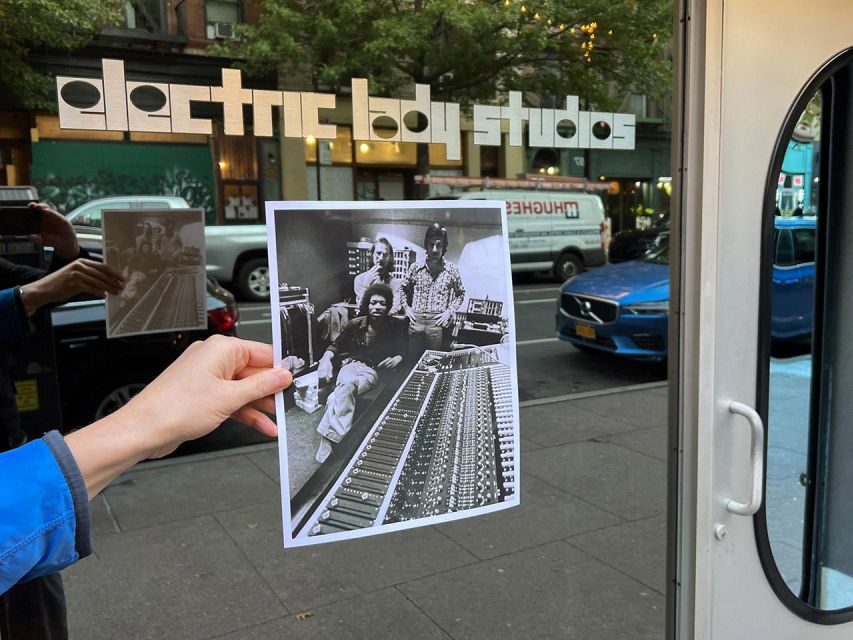
- Dylan, Hendrix, and CBGB on one route: career-launch stops plus the punk birthplace all in the same walk
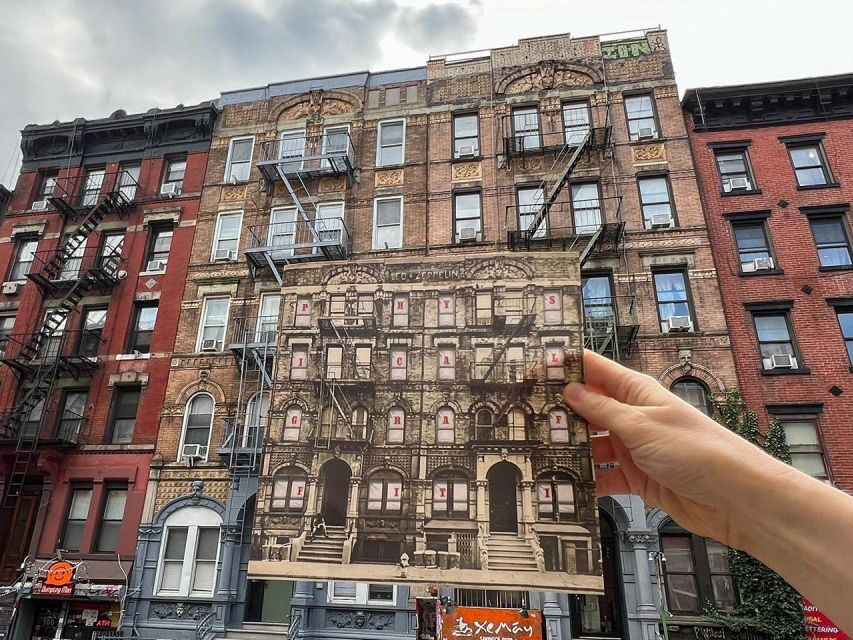
- Album-cover picture moments: you’ll see the corners tied to classic covers by Bob Dylan, Ramones, and Led Zeppelin
- Art-meets-music detours: Andy Warhol’s Exploding Plastic Inevitable and the Velvet Underground connection
- More than punk: you’ll also hear about the Fillmore East and the Pyramid Club across later decades
- A dramatic end point: the tour finishes at White Horse Tavern, tied to Dylan Thomas’s infamous night
Rock-and-roll NYC on foot: what this tour actually delivers
This tour is built like a story you can walk through. The route threads together names you already know, but the point isn’t just celebrity spotting. It’s seeing how the scenes grew—different neighborhoods, different decades, and different styles that still feel linked.
The tour also keeps things practical. You’re not stuck on one block for long speeches, and the pacing is set up for a 3-hour outing with multiple guided segments. With a max group of 6, it’s easier to hear details and ask questions without shouting over everyone.
I also like that the tour isn’t trying to cover every band that ever existed. Instead, it hits specific cultural anchors: CBGB, Cafe Wha?, the places connected to Warhol and the Velvet Underground, and the White Horse Tavern finale.
You can also read our reviews of more walking tours in New York City

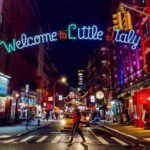
Meeting at 101 Astor Place and getting set up fast
Your start point is 101 Astor Pl, on 3rd Avenue, right by the green Keith Haring statue of a man. That’s a nice way to get your bearings—Keith Haring is basically a shortcut to understanding why this part of New York mixes street art, music, and storytelling.
Arrive early enough to stand there calmly, not frantically. The tour starts promptly, and once it begins you can’t hop in mid-walk. If you’re coming from a subway stop, give yourself a buffer because Manhattan foot traffic can slow you down more than you’d expect.
Bring comfortable shoes, because the walk is about 3 miles (4.5 km) total over roughly 3 hours. That’s long enough that you’ll feel it in your feet if you’re in stiff or new shoes.
East Village kickoff: where careers and scenes start to connect
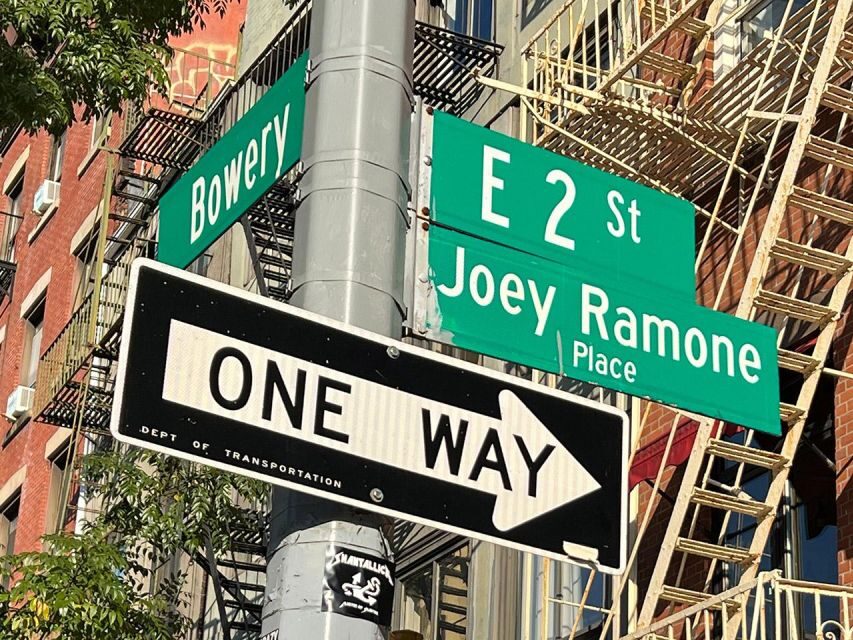
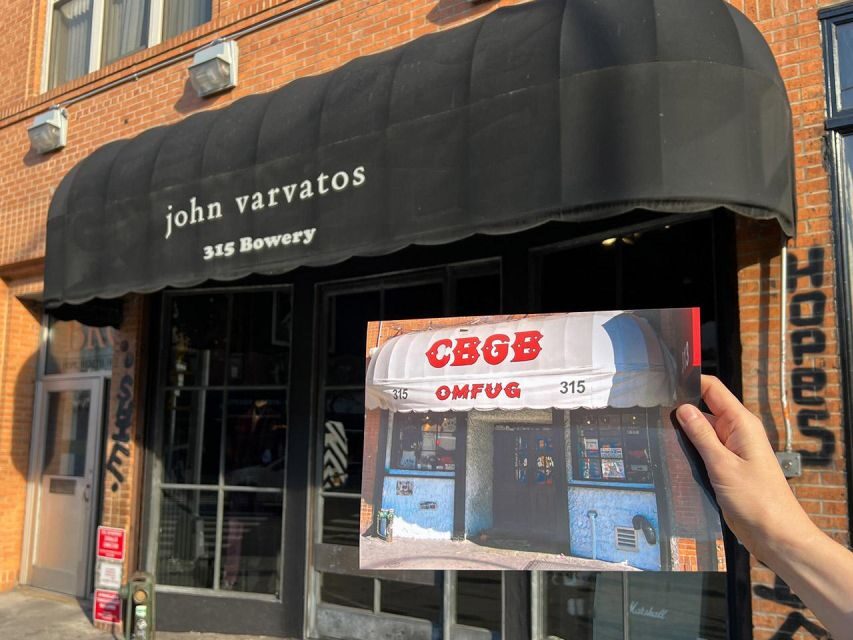
The East Village segment runs about 40 minutes and sets the tone. This is where you get the first wave of rock-and-roll context, with the guide pointing out sites tied to the early momentum behind artists like Bob Dylan and Jimi Hendrix.
This part matters because it frames New York as a place where talent gets noticed in real locations, not just in mythology. You start to see why Greenwich Village and the surrounding streets became magnets for musicians and creative types who wanted a built-in audience.
You’ll also hear about how different scenes overlap. The route weaves in the idea that the same streets can host totally different sounds across decades—folk-rock energy, then loud-guitar eras, then punk and art-world connections.
One practical note: early on, you’ll want to keep your phone camera handy. The tour is set up for stops that are visually recognizable later, especially the classic album-cover corners.
CBGB: the 10-minute stop that carries big punk weight
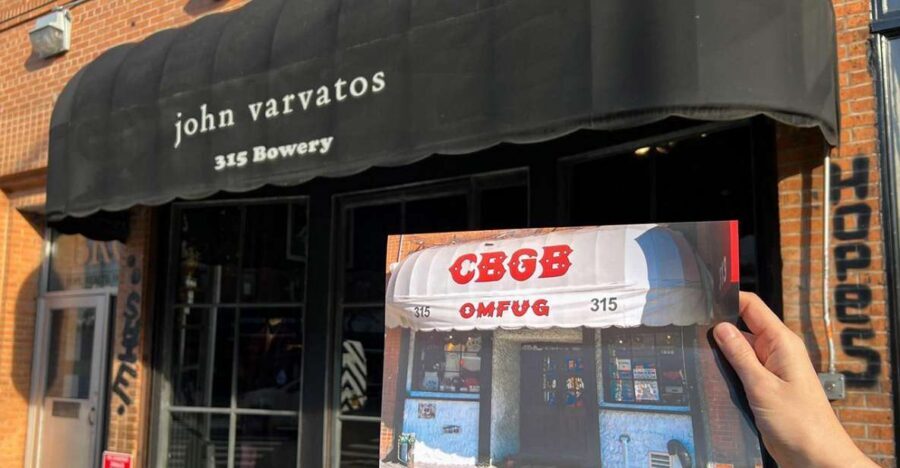
CBGB is a short guided stop (about 10 minutes), but it’s the kind of place where time feels efficient. The tour specifically points out CBGB as the legendary club where punk rock was born, tying it to artists like Ramones, Talking Heads, and Blondie.
Here’s the value of making CBGB a focused stop. You don’t need a long lecture to understand why the venue matters. Even from outside, you can feel the significance because CBGB has become shorthand for a whole attitude: fast, loud, and unwilling to wait for permission.
If you’re a punk fan, you’ll probably want to take a couple photos and then ask your guide what changed in the room—what made this venue different from the mainstream music world around it. Since the group is small, those questions tend to land better.
Greenwich Village and Washington Square Park: songwriter energy in real streets
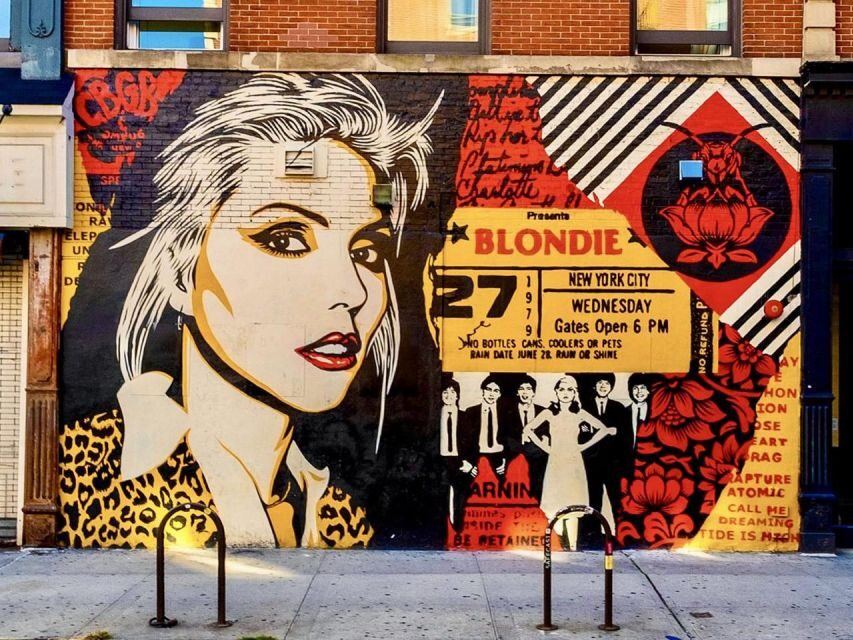
The Greenwich Village portion is about 30 minutes, followed by a short stop at Washington Square Park (10 minutes). This pairing works well because Washington Square Park is a natural landmark, but the tour uses it like a pause point to connect ideas.
In this part of the walk, you’ll hear how the Village became a creative hang zone, where music, storytelling, and other art forms could rub shoulders. That includes the guide’s connections to venues and scenes that shaped later decades too, not just the earliest folk and rock eras.
One of the smartest things the tour does here is rhythm. You’re not just moving from one iconic address to the next. The guide helps you understand why those places mattered at the time—like why musicians would choose these streets, and how audiences formed around them.
If you get tired, this is a good area to pace yourself. The stops give you brief windows to stand, look around, and let the story settle in.
You can also read our reviews of more historical tours in New York City





Cafe Wha? and the feeling of backstage New York
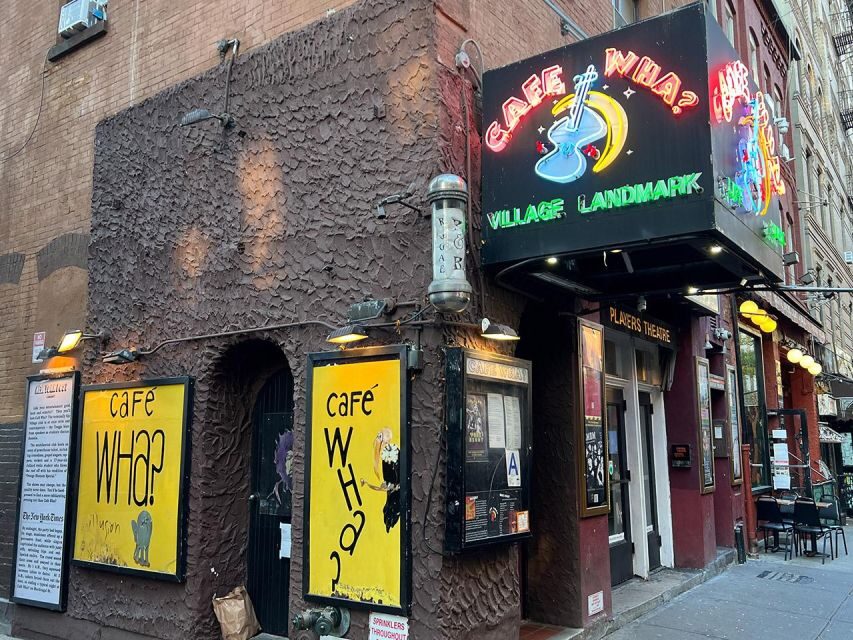
Cafe Wha? is another compact guided stop (about 10 minutes). This is the kind of venue that can feel like a footnote until you learn how many important careers intersected with it. The tour doesn’t treat it as trivia; it treats it as one of those “you had to be there” spaces.
What I like about placing Cafe Wha? after Greenwich Village is the way it transitions from broad neighborhood vibe to specific stage energy. It’s still the same streets, but now you’re thinking about performances, crowds, and the kind of nights that launch momentum.
If you’re a fan of singer-songwriters, this is likely the segment that feels most personal. Even when you don’t know every detail, you can see how the structure of the city supports that kind of culture—small rooms, regular attention, and people showing up again and again.
West Village: album-cover corners and the art-music overlap
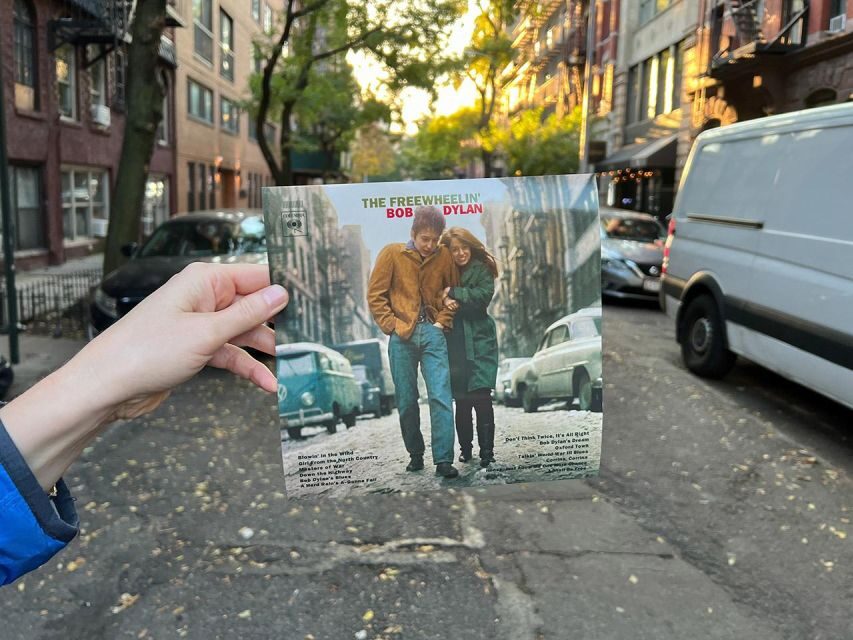
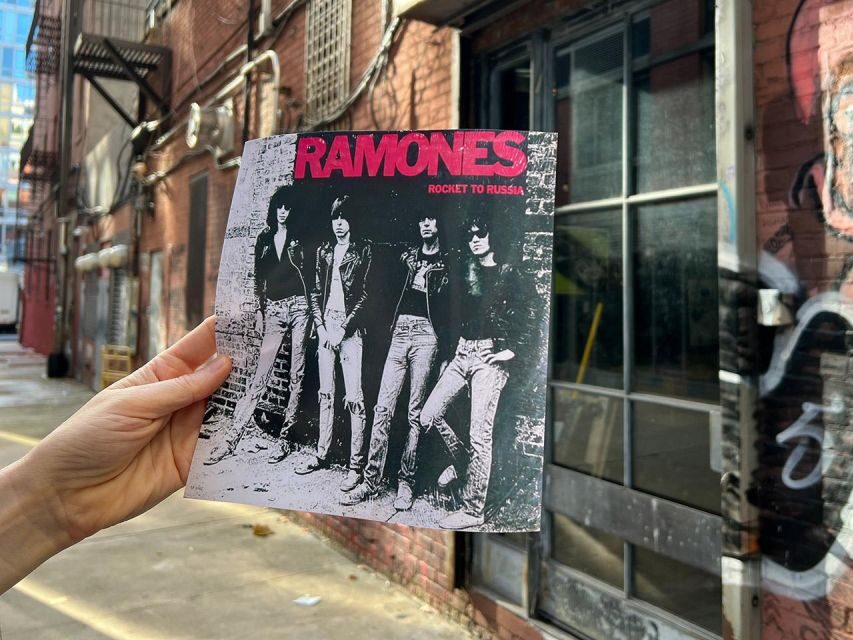
The West Village segment is about 40 minutes, and this is where the tour starts feeling like a scavenger hunt with meaning. You’ll cover more sites linked to classic album covers—specifically for Bob Dylan, Ramones, and Led Zeppelin—so you’re not just hearing stories, you’re seeing the visual markers that made those records iconic.
This section also includes some of the wild crossovers New York does best. The tour references Andy Warhol’s Exploding Plastic Inevitable, where the Velvet Underground left a mark, and it connects to the home where John and Yoko made their first New York living place. Those inclusions matter because they broaden the story beyond rock bands alone.
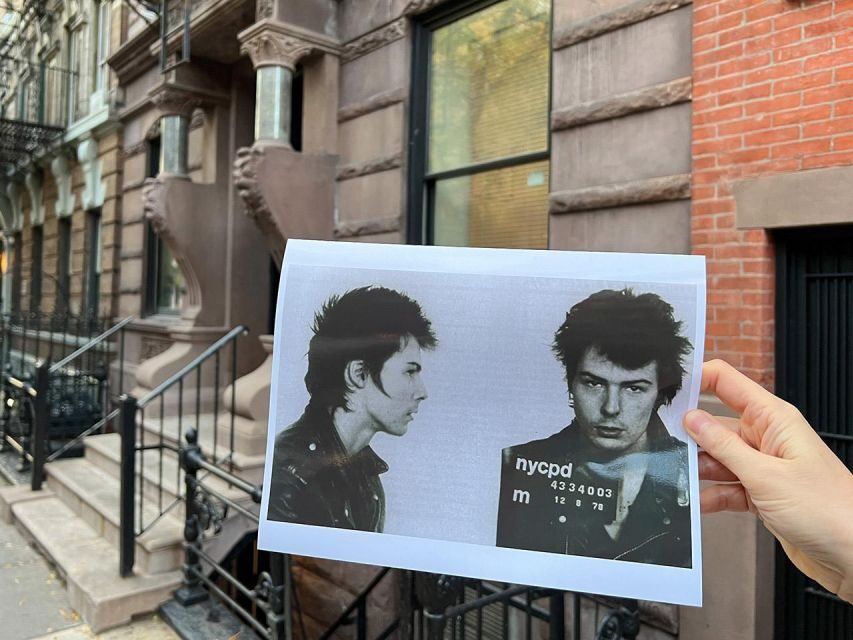
And then you get the punk and post-punk threads. The tour points to the site where Sid Vicious of the Sex Pistols met his demise. It’s a heavier moment, but the guide’s framing helps it fit into the broader cultural timeline—New York as a place where art, fame, risk, and tragedy can all collide.
You’ll also hear about the Fillmore East, nicknamed the Church of Rock and Roll in the late 1960s, and the Pyramid Club in the 1980s where music and art overlapped. Even though these are different eras, the walk helps you understand the through-line: New York keeps reinventing the same basic idea—new sounds need rooms, and rooms need people.
The tour’s final mood at White Horse Tavern
The last guided segment is about 10 minutes, and the tour finishes at White Horse Tavern. This is a dramatic bookend because the site is tied to poet Dylan Thomas, including the story of his infamous drinking end.
Even if you’re not deep into poetry, the ending works. It gives you a closing image and a chance to talk about what you just walked through. After seeing CBGB and the Village streets connected to so many rock milestones, the tavern feels like a natural endpoint: music culture always runs on nights out, legends, and the human side of fame.
If you want to make the most of the last stop, ask your guide how the story fits together. A good guide will connect the ending to earlier themes—how these neighborhoods weren’t separate worlds, just different chapters.
Price, time, and value: is $45 a fair deal?
At $45 per person for about 3 hours and roughly 3 miles, this tour is priced for a targeted experience, not a big-bus history package. The value mostly comes from two things you feel right away: the small group size (max 6) and the fact that you get guided time at multiple high-impact stops.
You’re also not spending half the day commuting or waiting around. A 3-hour walking format is a sweet spot for city travel—long enough to move through several neighborhoods, short enough to keep the day from turning into a grind.
In terms of what you get, the highlights are clear and specific: Dylan and Hendrix career-launch venues, CBGB, Cafe Wha?, album-cover corners tied to major artists, plus links to Warhol and other cultural crossovers. That’s a lot of “recognition” packed into one walk, and recognition is what helps the story stick later when you’re looking at album art or reading about those scenes.
Also, the tour is run as a live English-guided walking experience. If you enjoy asking questions, this format tends to reward you, because the group is small and you’re not competing for attention.
Who should book, and who should skip this one
This tour is a great match if you’re a music lover who wants more than a list of names. You’ll likely enjoy it most if you like linking artists to places—if you get a kick out of thinking about where a career started, where a scene formed, and where a myth became real.
It’s especially good for people who enjoy short guided stops paired with enough context to understand why each location matters. The structure—East Village, CBGB, Greenwich Village, Cafe Wha?, Washington Square Park, West Village, then White Horse Tavern—keeps the pacing moving.
One consideration: the tour is not suitable for people with mobility impairments. It’s a walking route with about 3 miles total, so if you need step-free access or frequent rest stops, you’ll want to look for a different type of tour.
Should you book this rock-and-roll walking tour?
I think you should book it if you want a tightly focused, music-first way to see Greenwich Village and the East/West Village core. The best reason to do it is the mix of specific iconic stops (CBGB, Cafe Wha?, White Horse Tavern) and the fun additions like album-cover corners and art-world intersections.
Skip it if you hate walking long distances or you want deep academic-level history across every genre. This is more about scenes, stories, and places you can picture than about encyclopedic detail.
One last practical tip: bring your curiosity. A lot of the fun here comes from the guide connecting the dots, answering questions, and turning famous names into real locations you can actually stand in front of.
FAQ
What is the duration of the New York Rock and Roll History and Culture Walking Tour?
The tour lasts 3 hours.
How long is the walking distance?
The route covers about 3 miles (4.5 km).
Where do I meet the guide?
Meet outside at 101 Astor Pl, on the corner of 3rd Avenue, by the green Keith Haring statue of a man. Look for the guide wearing a white cap.
How many people are in the group?
The group is limited to a maximum of 6 participants.
What language is the tour guide?
The tour is guided in English.
What should I bring?
Wear comfortable shoes.
Is the tour suitable for people with mobility impairments?
No, it is not suitable for people with mobility impairments.
Are pets allowed?
Pets are not allowed, though assistance dogs are allowed.
Can the tour be canceled or changed?
The tour offers free cancellation up to 24 hours in advance for a full refund. The tour may also be canceled due to inclement weather or not enough bookings, in which case you receive a full refund.