REVIEW · NEW YORK CITY
New York: Harlem Swing Dance History Stroll and Dance Class
Book on GetYourGuide →Operated by Harlem One Stop Cultural Tours · Bookable on GetYourGuide
Swinging through Harlem feels unexpectedly personal.
This 2-hour combo pairs a relaxed Harlem walking tour with a hands-on swing dance class, so you don’t just hear about Lindy Hop—you move to it. I like that the route is built around real swing legends like Frankie Manning and the Lindy Hoppers, not generic facts. One thing to watch: you’ll need to show up ready to dance (dance shoes aren’t included), and it’s smart to arrive a few minutes early.
The tour leans hard into Harlem’s music-and-dance legacy, using the neighborhood streets as a living timeline. I also like the lesson part because it’s taught with guidance from a seasoned swing dance teacher, and you don’t need a partner. The only drawback to consider is timing and meeting up—arriving right on the minute can be risky if you’re delayed.
In This Review
- Key points at a glance
- Where Harlem Swing Starts: Schomburg Center Meeting Point
- The 1-Hour Harlem Stroll: From Big Bands to Lindy Hop Landmarks
- What you’ll likely notice along the way
- A small consideration
- Hitting the Dance Floor: Swing Dance Class Basics That Actually Help
- What the class is designed to do
- Bring the right shoes
- Why This Works Better Than a Typical Tour
- The combo is the key
- Who Should Book This Swing Dance Night
- Price and Value: Is $30 Worth It?
- Practical Tips That Make the Evening Go Smooth
- Should You Book This Harlem Swing Tour and Class?
- FAQ
- Where does the Harlem dance tour and class meet?
- How do I get there by subway?
- How long is the experience?
- Is there a walking tour before the dance class?
- Do I need a dance partner?
- Are dance shoes included?
- What language is the tour guide?
- Is this activity usually available only at certain times?
- What’s included in the price?
- What is the cancellation policy?
Key points at a glance
- Schomburg Center start: Meet at 515 Malcolm X Boulevard, corner of W. 135th Street.
- One hour on foot first: A focused Harlem stroll before you hit the dance floor.
- Lindy Hop roots in the spotlight: Sites tied to swing dancers and big bands along the way.
- Class with a seasoned instructor: You practice the basics with real coaching.
- No partner needed: Go solo and learn the steps with the group.
- Bring your own dance shoes: Comfortable shoes matter if you want full fun.
Where Harlem Swing Starts: Schomburg Center Meeting Point
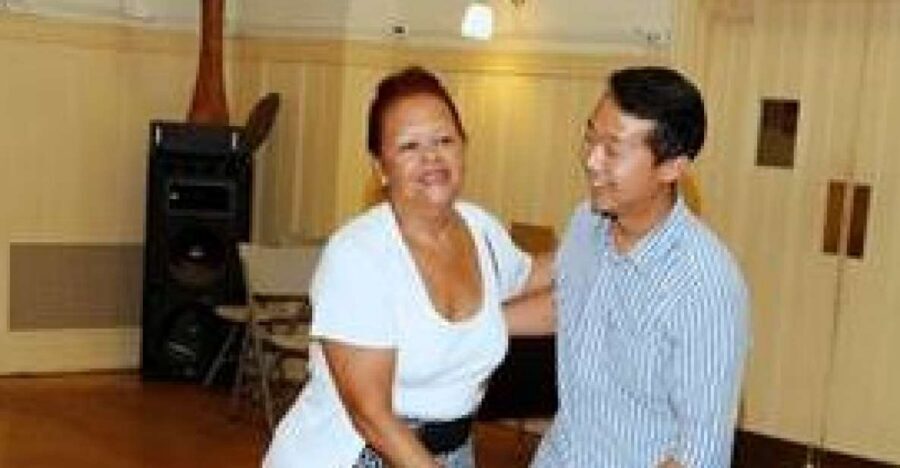
If you want this experience to feel smooth, start with the meeting spot. You’ll gather in front of the Schomburg Center for Research at 515 Malcolm X Boulevard, right at the corner of W. 135th Street. It’s a good anchor point in Harlem, easy to find compared with wander-around meetups.
For subway access, plan on the Uptown No. 2 or No. 3 train to 135th Street Station. That matters because this is an evening-style activity, and Harlem evenings can move fast. You don’t want a last-minute sprint because you stopped for a snack on the way over.
Also, go in with the right mindset: this isn’t a show where you sit and clap. It’s a two-part night—walk first, then dance—so you’ll want to be comfortable enough to move around after the stroll.
You can also read our reviews of more historical tours in New York City



The 1-Hour Harlem Stroll: From Big Bands to Lindy Hop Landmarks
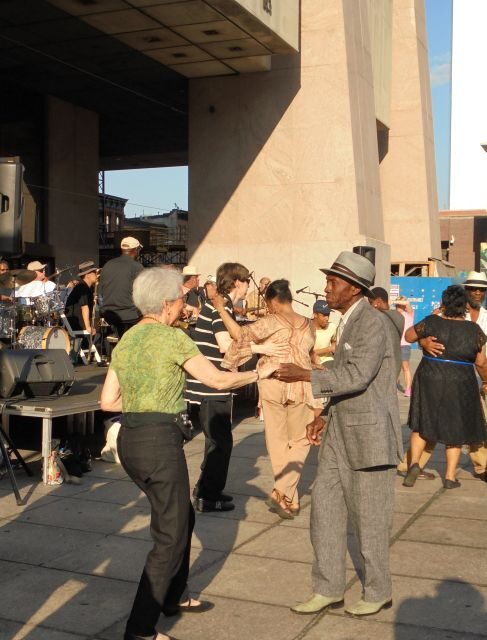
The walking portion is the history warm-up, and it’s paced to set you up for the steps later. You’ll take about one hour of guided walking in Harlem, following in the footsteps of famous swing musicians, dancers, and the clubs that made the music spread.
Here’s what makes this stroll work for you: it connects stories to place. Instead of the usual museum-style chronology, you’re out in the neighborhood while your guide points to sites connected with the people who shaped swing dance culture. You’ll hear about Harlem as a birthplace for the Lindy Hop, and about how the area became a stomping ground for swing musicians and the big bands that played in the clubs.
You also get specific references that help the history click. Frankie Manning and the Lindy Hoppers are name-dropped for a reason: they were part of the identity of swing dance, and the guide uses that context to show you what you’re really looking for. Even if you don’t know anything about swing today, your brain starts building a map: who these dancers were, what the music sounded like, and why Harlem mattered.
What you’ll likely notice along the way
- Sites tied to legendary swing dancers and big band culture
- Street-level context that makes the dance style feel less abstract
- The guide’s links between music, club life, and the movement styles
A small consideration
Since you’re walking first, wear shoes that won’t betray you later. Your dance shoes can be different from your walking shoes, but at minimum, don’t start the tour in footwear that makes you shuffle. You’ll do better when your body feels ready when the lesson begins.
Hitting the Dance Floor: Swing Dance Class Basics That Actually Help
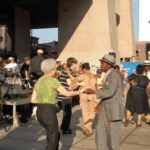
After the walk, the focus switches from stories to muscle memory. This is where the experience becomes more than a cultural stroll, because you’ll take part in a swing dance class with a teacher who knows the style.
The best part for many first-timers is that you don’t need to bring a partner. Going solo is built into the plan. That lowers the usual stress of dance classes, where you’re forced to coordinate with someone who may not want to learn the same things you do.
You can also read our reviews of more tours and experiences in New York City

What the class is designed to do
The goal is to perfect the basics of swing dance before you go wild with the Lindy Hop. That matters because Lindy Hop can look like a whirlwind from the outside. If your feet aren’t grounded in the fundamentals, you’ll feel lost while everyone else seems to know where the beat lives.
So expect instruction that focuses on:
- Getting your timing to match the rhythm
- Learning basic patterns you can repeat confidently
- Moving with better posture and clearer footwork
Even if you’ve tried a step once before, I like that the class frames swing as something you practice, not something you guess. The teacher’s coaching is the difference between getting through a session and actually improving.
Bring the right shoes
Dance shoes aren’t included. That doesn’t mean you have to buy fancy ballroom gear, but it does mean you should think ahead. For this kind of class, good support and grip help. If your shoes are too slippery, you’ll feel it instantly. If they’re too stiff, you’ll also feel it. You want comfortable shoes you can move in without second-guessing every step.
Why This Works Better Than a Typical Tour
Plenty of New York tours give you facts and photos. This one gives you a physical connection.
The combo is the key
The walk gives you context: who shaped the Lindy Hop scene and why Harlem mattered. Then the class gives you a method: how to translate that context into movement. When the history and the steps happen in the same night, it sticks.
That’s also why this can be a standout experience for short trips. If you’re in town only a few days, you’re often stuck bouncing between major sights. This swaps the usual checklist for something more personal: you learn from an instructor and you end the evening doing something social and upbeat.
The notes from past participants also point to a common theme: the class feels welcoming, and the instructor’s guidance is a big part of why people have fun. If you’re worried about feeling awkward, the no-partner setup helps you settle in faster.
Who Should Book This Swing Dance Night
This is a great match if you:
- Want something more hands-on than sightseeing
- Like learning history through real places
- Are curious about Lindy Hop culture but don’t know where to start
- Prefer small-group energy over large-group chaos (you’ll feel like you’re part of the lesson, not just watching)
It’s also ideal for solo travelers. A lot of dance experiences assume you’ll bring a partner. Here, that pressure is removed, so you can show up and focus on learning.
On the flip side, if you hate being on your feet for an hour of walking, or you absolutely refuse to dance, this might feel like too much movement. But if you’re open to trying swing basics, you’ll get more out of it than you might expect.
Price and Value: Is $30 Worth It?
At $30 per person for a total 2-hour experience, the value depends on what you want from the night.
Here’s how I see the math in real-world terms:
- You’re getting a guided walking tour (about one hour).
- You’re also getting a guided swing dance class with instruction, not just a demo.
- The experience is tied to Harlem’s dance roots, with specific cultural references like Frankie Manning and the Lindy Hoppers.
In other words, you’re paying for both learning modes: context in the streets and skill-building on the floor. If you’ve ever watched a dance video and thought, I want to do that, this is one of the more straightforward ways to try it without needing prior training.
The main cost you should plan for is dance shoes. Since they’re not included, budget for that if you don’t already have something comfortable and grippy.
Also, the activity is described as non-refundable. That’s worth a quick reality check before you book—if your plans might change, consider the risk. For a firm travel schedule, it’s easier to commit.
Practical Tips That Make the Evening Go Smooth
Small details can make a big difference here because you’re switching gears from walking to dancing.
- Arrive a few minutes early at the Schomburg Center. Even if the tour is organized well, you don’t want a time-gap panic.
- Wear comfortable clothes you can move in.
- Bring your own dance shoes. They’re listed as not included, so plan accordingly.
- Use the subway: No. 2 or No. 3 to 135th Street Station.
- Go solo if you want: dance partners aren’t required.
One more heads-up: there’s at least one historical issue noted where nobody met the group for the activity. That’s not the norm you should ignore, though. The best defense is simple—arrive on time, and have your confirmation details handy in your phone.
Should You Book This Harlem Swing Tour and Class?
I’d book it if you want a New York night that’s not just looking—it’s participating. The combination of a guided Harlem walk with clear connections to Lindy Hop roots, followed by a real swing dance lesson, is the kind of experience that turns the city into something you feel in your body.
Skip it only if you’re not willing to dance basics or you know you’ll be frustrated by an active format (walking + practice). Otherwise, it’s a strong pick for first-timers, solo travelers, and anyone who wants to meet locals through movement rather than through a museum audio guide.
FAQ
Where does the Harlem dance tour and class meet?
Meet in front of the Schomburg Center for Research at 515 Malcolm X Boulevard, at the corner of W. 135th Street.
How do I get there by subway?
Take the Uptown No. 2 train or No. 3 subway line to 135th Street Station.
How long is the experience?
The total duration is 2 hours.
Is there a walking tour before the dance class?
Yes. You’ll do a 1-hour walking tour of Harlem before the swing dance class.
Do I need a dance partner?
No. Dance partners are not required.
Are dance shoes included?
No. Dance shoes are not included.
What language is the tour guide?
The tour guide and instruction are in English.
Is this activity usually available only at certain times?
It’s usually available in the evening.
What’s included in the price?
The package includes the walking tour and the swing dance class with an instructor.
What is the cancellation policy?
The activity is non-refundable.
If you want, tell me what month you’re going and whether you’re a true beginner, and I’ll help you pick what kind of shoes to wear and how to pace the night so the dancing feels fun, not rushed.