REVIEW · NEW YORK CITY
NYC: East Village & Midtown Irish History Walking Tour
Book on GetYourGuide →Operated by Forty Thieves Tours · Bookable on GetYourGuide
Irish history in New York feels personal. This 2-hour walk threads Irish-American stories through the streets of the East Village and Midtown, using real places you can actually stand in front of. I especially like the humor-and-heart storytelling style and the focus on lesser-known landmarks instead of the usual photo-stops. One thing to consider: it’s a solid walking tour, and it’s not suitable for wheelchair users or people with mobility impairments.
The guides are a big part of the payoff. In past outings, I’ve seen praise for guides like Vince and Earl, with comments pointing to strong pacing and deep local context, plus extra tips after the tour. If you prefer quiet sightseeing with no crowd energy, you may find it a bit lively—but for most people, that energy is the point.
In This Review
- Key highlights worth your time
- Where this tour really takes you: from St. Patrick’s Old Cathedral onward
- Gramercy Park and the East Village vibe: learning the city’s “in-between” spaces
- McSorley’s and Union Square: pubs and politics in the same conversation
- 5th Avenue through Hell’s Kitchen: Irish-American influence beyond the postcard
- Theatre District to Duffy Square: turning street corners into real stories
- Price and value: why $59 for 2 hours can be a good deal
- What to wear, what to bring, and how to make it painless
- Who this tour suits best (and who should skip it)
- A fair note on what you’ll get from the guide
- Should you book NYC: East Village & Midtown Irish History Walking Tour?
- FAQ
- How long is the NYC East Village & Midtown Irish History Walking Tour?
- Where does the tour start?
- What’s included in the price?
- Is food or drinks included?
- Do I need an OMNY card?
- Is the tour wheelchair accessible?
Key highlights worth your time
- Start at St. Patrick’s Old Cathedral and build your Irish-American lens from the ground up
- East Village to Midtown in one loop, so you get variety without losing the story
- Iconic stops with working-class context, including McSorley’s and Union Square
- Guides who connect dots between politics, community life, and famous New York eras
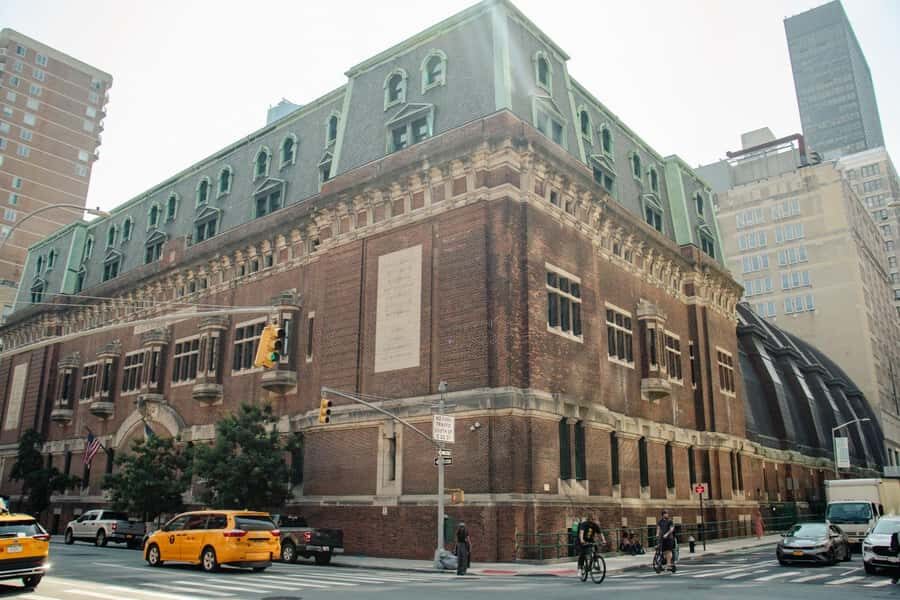
- Irish history themes that include Tammany Hall and the Fighting 69th Regiment Armory
- Two hours on foot with enough time to ask questions while keeping momentum
Where this tour really takes you: from St. Patrick’s Old Cathedral onward
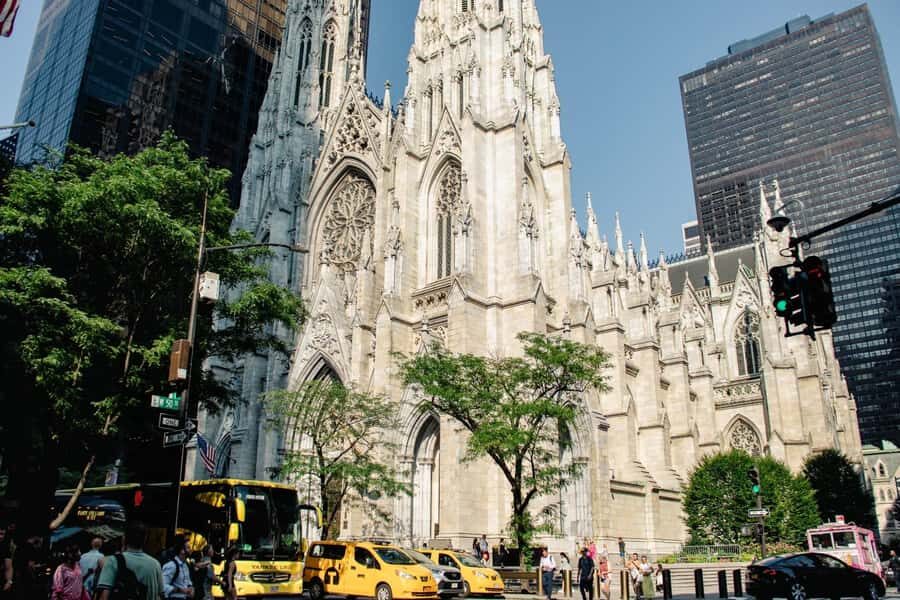
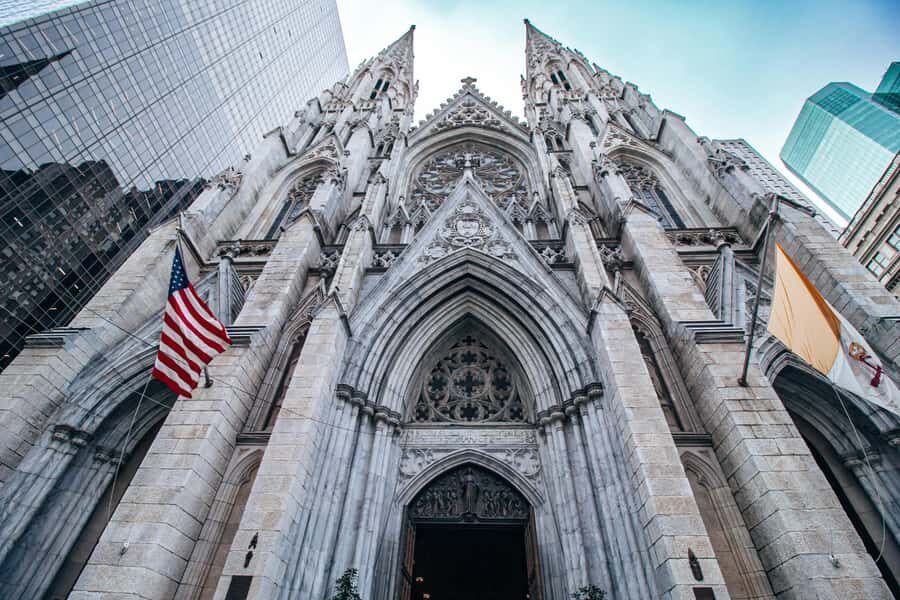
The tour starts at the Basilica of St. Patrick’s Old Cathedral, which is a smart choice. Instead of starting with a generic “Manhattan overview,” you begin with a recognizable landmark tied to the Irish presence in New York. That gives you a foundation before the walk shifts into smaller, street-level stories.
From there, you’re not just moving between points on a map. You’re learning how Irish immigrants and Irish-Americans shaped the city’s neighborhoods, politics, and community life. The route is designed so the story keeps changing, even when the streets look familiar.
If you like your history grounded in everyday places, this format works well. If you want only big, museum-style facts, you might feel the pacing is too human and street-focused. But for most travelers, that street-level angle is exactly what makes it click.
You can also read our reviews of more walking tours in New York City



Gramercy Park and the East Village vibe: learning the city’s “in-between” spaces
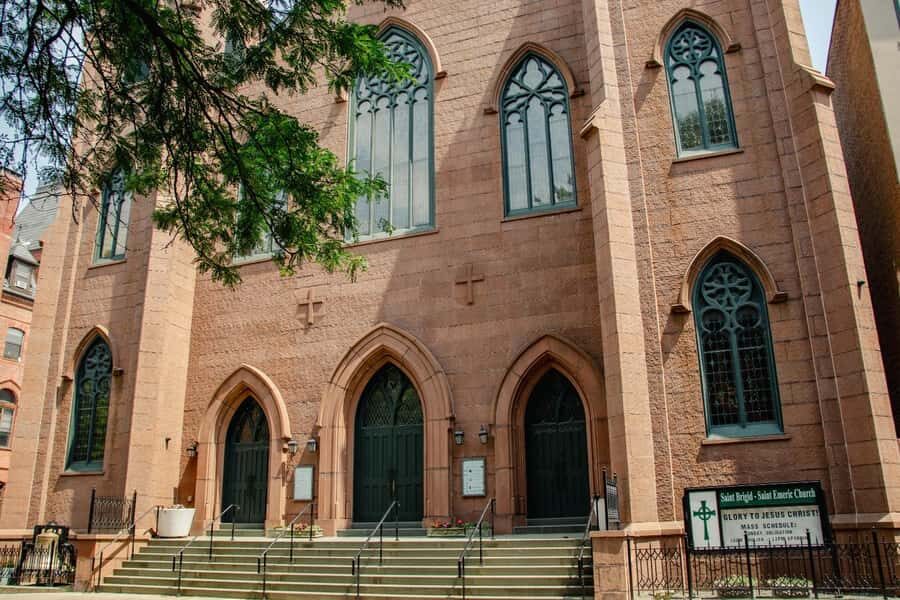
After the cathedral, the tour heads toward Gramercy Park. Gramercy can look like a classic Midtown-adjacent pocket, but on this tour it becomes more than a pretty reference point. You get context that helps you see how neighborhoods and communities evolved around the “official” New York skyline.
This stretch matters because the East Village can feel like pure present-day New York if you don’t have a storyline. The guide’s job is to give you that second lens: one that tracks Irish-American roots and civic influence while you’re standing in the middle of it.
Practical note: plan on walking at a normal city pace. You’ll get stops with guided time, then quick transfers along busy sidewalks. Comfortable shoes are not a suggestion here; they’re what will keep the tour enjoyable by minute 90.
McSorley’s and Union Square: pubs and politics in the same conversation
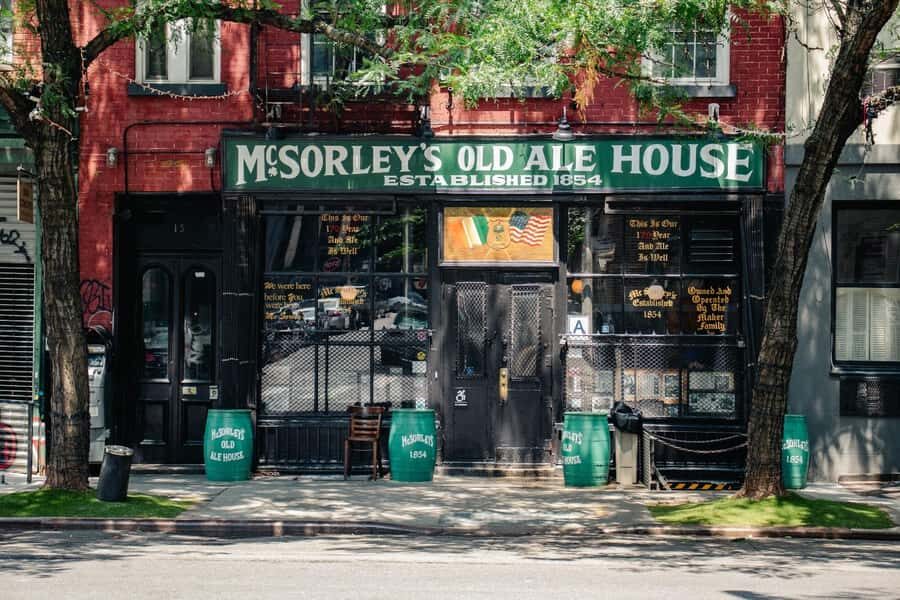
One of the most memorable anchors on the route is McSorley’s. Even if you’ve only heard of it in passing, it’s the kind of place that carries New York’s old neighborhood identity. On this tour, it’s treated as a social landmark, which helps explain how Irish community life could be both ordinary and historically important at the same time.
Then you move to Union Square, where the tone shifts from neighborhood life to public life. Union Square is a natural place to connect history to ideas: where people gather, where civic energy shows up, where political change can be felt. The tour’s Irish history framing gives you a reason to look at the square beyond events and crowds.
Two things I like about this approach:
- You’re seeing how community spaces connect to civic influence.
- The guide keeps it human, not textbook-only.
The possible drawback is that some stops are more “storystop” than “look-at-a-building-and-move-on.” If you prefer hard visuals at every corner, you may want to stay engaged with the narration to get full value from this section.
5th Avenue through Hell’s Kitchen: Irish-American influence beyond the postcard
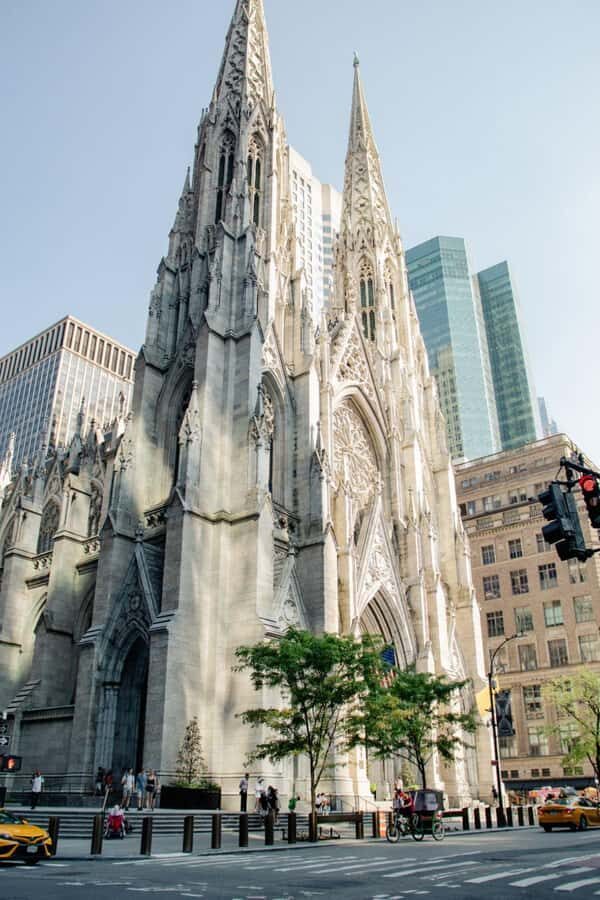
5th Avenue can feel like a straight line of famous buildings, but the tour uses it differently. Here, the Irish-American thread helps you interpret the city’s grand avenues as part of the same New York that grew through immigrant neighborhoods and labor. It’s a good reminder that influence isn’t only “in the neighborhood you associate with it.”
From there, the walk continues into Hell’s Kitchen. This area adds grit and realism to the story. Instead of keeping Irish history in the comfortable “heritage” lane, the tour leans into how working communities lived, pushed forward, and left marks that can be harder to spot if you only look for the obvious.
This shift is one of the smartest parts of the itinerary. It stops the story from becoming one-note. You get community life, then you get the wider city impact, then you get back to street-level feel.
For people who love New York for its layers, this is a strong moment. For people who want a calm and scenic stroll, the Midtown and Hell’s Kitchen sections can feel busy. It’s still manageable, but you should expect city noise.
Theatre District to Duffy Square: turning street corners into real stories
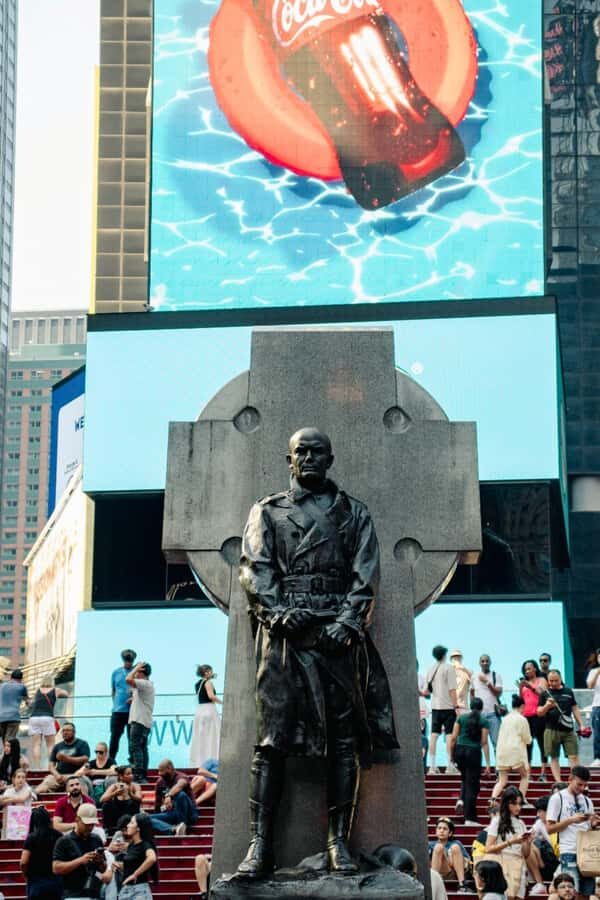
The tour reaches the Theatre District, then finishes around Duffy Square. These are high-visibility areas, and that’s helpful because you can recognize where you are even if you’re new to Manhattan. But the key is what the guide does with that recognition: they connect the Irish-American story to how the city grew its identity through entertainment, work, and public life.
You’ll hear themes tied to the city’s political intrigue and community power. The tour description points to stories in the orbit of Tammany Hall, and to courage and organization through the legacy of The Fighting 69th Regiment Armory. Even if you’re not spending time inside every kind of facility, these stories help you understand why certain buildings and institutions matter.
Here’s why that matters for you: it makes Manhattan feel less like a set of isolated landmarks. Instead, it feels like one connected city with overlapping communities and motivations. That’s the difference between “I walked past it” and “I understand why it was there.”
You’ll finish the tour with a clearer sense of how Irish-American identity shows up in unexpected places—especially when your guide keeps steering you back to the story behind the street.
You can also read our reviews of more historical tours in New York City






Price and value: why $59 for 2 hours can be a good deal
At $59 per person for about 2 hours, this isn’t the cheapest thing in Midtown, but it’s also not trying to compete with museum admission. You’re paying for a live guide, a structured route, and story-focused interpretation across multiple neighborhoods.
What makes it decent value:
- You get a guided walking experience rather than a self-guided list.
- The tour is built around Irish history through lesser-known stops, not just the most famous NYC photo zones.
- The guide time is long enough for you to ask questions and absorb more than quick “drive-by” explanations.
What’s not included is straightforward: there’s no food or drinks, and there aren’t entrance fees included if a site requires one. Also, your transit tap card situation is on you. You’ll want an OMNY card for subway/bus use, since that’s not included.
If you’re the type who enjoys learning while walking and you’d rather spend money on a guide than on multiple admissions, this price can feel fair. If you prefer solo pace and free audio tours, you may question the cost. The deciding factor is whether you’ll use the guide’s stories to improve how you see the city.
What to wear, what to bring, and how to make it painless
This is a practical walking tour, so keep your comfort high. Bring comfortable walking shoes and dress for the weather. Manhattan conditions can change fast, and a 2-hour walk adds up quickly when your feet start to complain.
If you plan to use public transit, bring your OMNY card. Even if you’re walking a lot during the tour, you’ll probably get there the way you always do in New York: a subway hop, then a short walk.
Who this tour suits best (and who should skip it)

This is a great fit if you want:
- A guided walk through East Village and Midtown with a clear theme
- Irish-American context that goes beyond broad, generic facts
- A guide who keeps the tone upbeat and story-driven
It’s not a great fit if:
- You need wheelchair accessibility or have mobility limits, since it’s not suitable for wheelchair users and people with mobility impairments
- You dislike walking with a group and prefer quiet, solo exploration
It’s also worth thinking about language. The tour is English, so it’ll be easiest if you’re comfortable with guided narration.
A fair note on what you’ll get from the guide
The guide is where this tour earns its keep. The descriptions emphasize humor and heart, and the praise for guides like Vince and Earl points to two things that matter on a walking tour: pacing and depth. You want someone who can explain why a place matters without turning it into a lecture.
What I’d watch for as you book:
- Whether you like a story-forward style more than a strict itinerary of facts
- Whether you’ll engage with questions during the walk
- Whether you want local tips after you finish
If all of that sounds like your travel style, you’re likely to enjoy the experience.
Should you book NYC: East Village & Midtown Irish History Walking Tour?
Book it if you want a 2-hour, guided, Irish history story that uses Manhattan streets as your classroom. It’s especially appealing if you like the East Village feel, but also want the Midtown landmarks to matter in the story, not just look impressive.
Skip it if walking time is hard for you, or if you only want major attractions with obvious sightlines and minimal narration. This tour’s value comes from the guide’s storytelling and the connections they help you make.
If you’re deciding between this and a more generic “neighborhood overview,” choose the one that matches how you learn. For me, a themed guide like this is the kind of New York experience that turns a simple walk into something you’ll remember for its people, politics, and places.
FAQ
How long is the NYC East Village & Midtown Irish History Walking Tour?
It runs for 2 hours.
Where does the tour start?
The tour starts at the Basilica of St. Patrick’s Old Cathedral.
What’s included in the price?
You get a guided walking tour of the East Village and Midtown, plus Irish history stories and anecdotes tied to lesser-known historical sites.
Is food or drinks included?
No. Food and drinks are not included.
Do I need an OMNY card?
Yes, you’ll want your OMNY card for subway and buses, and it’s not included with the tour.
Is the tour wheelchair accessible?
No. It’s not suitable for people with mobility impairments and wheelchair users.